



How Is DWV Pipe Applied in High-Rise Building Plumbing Systems?
Understanding how DWV pipe functions in high-rise building plumbing systems requires examining the unique challenges that vertical construction presents to drainage, waste, and vent systems. DWV pipe serves as the backbone of modern high-rise plumbing infrastructure, managing the complex flow dynamics created when wastewater must travel dozens or even hundreds of floors while maintaining proper pressure equalization and preventing sewer gas infiltration.
High-rise buildings create distinct hydraulic challenges that require specialized DWV pipe application strategies. The vertical height generates significant pressure differentials, while the concentration of multiple floors worth of fixtures into shared drainage stacks demands precise engineering of pipe sizing, slope calculations, and vent configurations. DWV pipe systems in these environments must handle surge flows from simultaneous fixture usage while preventing the formation of siphons that could drain trap seals and compromise the building's sanitary protection.
Structural Integration Methods for DWV Pipe in High-Rise Construction
Vertical Stack Configuration and Support Systems
DWV pipe installation in high-rise buildings begins with establishing primary vertical stacks that traverse the entire building height. These main stacks require robust structural support systems that accommodate both the weight of the piping system and the dynamic loads created by flowing wastewater. Engineers typically design support brackets at every floor level, with expansion joints strategically placed to handle thermal movement and building settling.
The vertical DWV pipe configuration must account for the increased velocity that wastewater develops as it falls through multiple floors. This requires careful consideration of pipe diameter sizing to prevent excessive turbulence while maintaining adequate flow capacity. Primary stacks often increase in diameter at lower floors to accommodate the cumulative flow from upper levels, ensuring that the system can handle peak demand periods without backup or overflow conditions.
Structural integration also involves coordinating DWV pipe routing with other building systems including HVAC ductwork, electrical conduits, and fire safety equipment. This coordination becomes critical in high-rise construction where space efficiency directly impacts construction costs and building functionality. DWV pipe placement must allow for future maintenance access while minimizing conflicts with other building infrastructure.
Floor-by-Floor Connection Strategies
Each floor connection to the main DWV pipe stack requires precise engineering to ensure proper drainage flow without creating hydraulic conflicts. Horizontal branch connections must maintain appropriate slope gradients typically ranging from 1/4 inch to 1/2 inch per foot depending on the specific fixture types and local plumbing codes. These connections often utilize specialized fittings designed to minimize turbulence as waste enters the vertical stack.
The application of DWV pipe at floor connections involves installing cleanout access points that enable maintenance crews to address blockages or system issues without disrupting building operations. These access points become increasingly important in high-rise applications where troubleshooting drainage problems could otherwise require extensive demolition or system shutdown affecting multiple floors simultaneously.
Floor connection strategies must also consider the varying fixture loads that different floor types generate. Residential floors typically produce different flow characteristics compared to commercial floors with restaurant facilities or industrial processes. DWV pipe sizing and configuration at each floor connection reflects these varying demands while maintaining system-wide hydraulic balance.
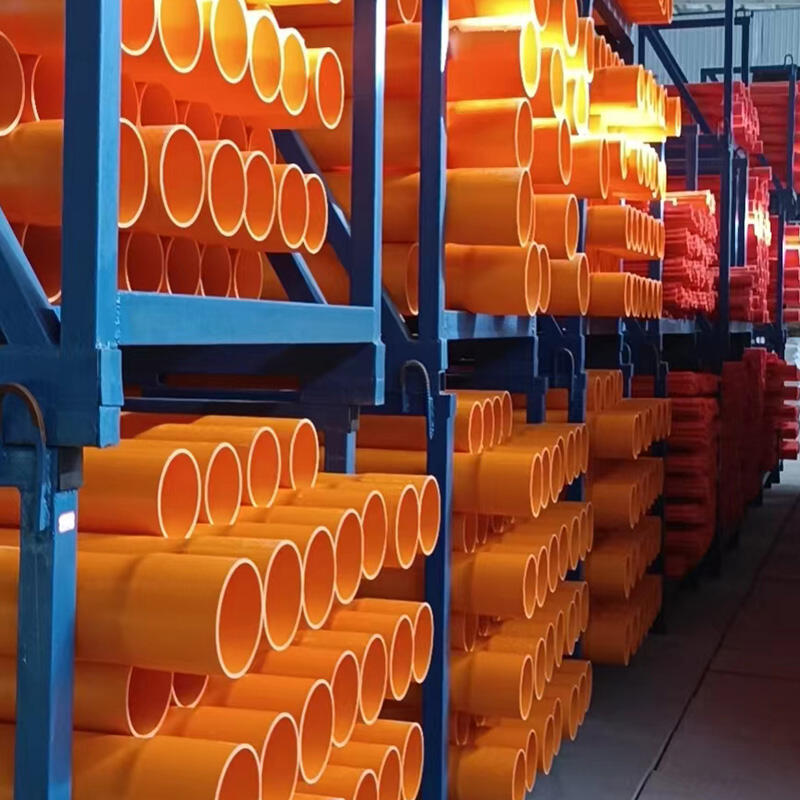
Hydraulic Engineering Considerations for Vertical DWV Pipe Systems
Pressure Equalization and Vent System Design
High-rise DWV pipe applications require sophisticated vent system design to maintain proper pressure equalization throughout the vertical stack system. The extreme height creates significant pressure differentials that can cause trap seal failures if not properly managed through adequate venting. Primary vent stacks typically run parallel to waste stacks, with interconnecting vent branches at regular intervals to prevent vacuum formation.
The vent portion of DWV pipe systems in high-rise buildings often incorporates pressure relief valves and air admittance valves to handle sudden pressure changes caused by large volume discharges or simultaneous fixture usage. These components help prevent the formation of siphons that could drain fixture traps and allow sewer gases to enter occupied spaces, maintaining the sanitary barrier that protects building occupants.
Vent system design must also account for wind effects at building heights, where exterior atmospheric pressure variations can influence internal vent stack pressures. DWV pipe vent terminals require proper sizing and positioning to prevent wind-induced pressure fluctuations from affecting the drainage system's hydraulic performance throughout the building height.
Flow Velocity Management and Stack Sizing
Managing flow velocity in vertical DWV pipe systems requires balancing adequate drainage capacity against excessive turbulence that could create hydraulic problems. As wastewater falls through multiple floors, it accelerates and can reach velocities that generate significant turbulence at branch connections, potentially causing splash-back or creating negative pressures that affect trap seals.
Stack sizing calculations for DWV pipe in high-rise applications involve complex hydraulic modeling that considers the cumulative fixture unit loads, simultaneous usage probability, and the terminal velocity characteristics of falling wastewater. Engineers often specify larger diameter stacks than might be required for equivalent horizontal systems to provide adequate cross-sectional area for both waste flow and air circulation.
Flow velocity management also involves installing flow control devices such as stack cleanouts with special fittings that help dissipate energy and reduce turbulence. These devices become particularly important at intermediate floors where branch connections must interface with high-velocity stack flow without creating hydraulic conflicts that could compromise drainage performance.
Installation Techniques and Quality Control for High-Rise DWV Pipe
Sequential Installation and Testing Procedures
DWV pipe installation in high-rise construction follows a carefully sequenced approach that typically begins with primary stack installation during the building's structural phase. This early installation allows the DWV pipe system to be integrated with structural elements and provides access for subsequent branch connections as each floor is completed. The sequential approach also enables pressure testing of completed sections before additional floors are added to the system.
Quality control procedures for high-rise DWV pipe installation include comprehensive pressure testing at multiple stages of construction. Initial tests verify the integrity of vertical stack sections, while subsequent tests confirm proper system performance as branch connections and fixtures are added. These testing procedures often exceed standard residential requirements due to the increased complexity and potential consequences of system failures in high-rise buildings.
Installation techniques must also accommodate the logistical challenges of moving DWV pipe materials to elevated floors and working in confined spaces with limited access. This often requires specialized lifting equipment and careful coordination with other construction activities to ensure that pipe installation can proceed efficiently without compromising installation quality or safety requirements.
Joint Integrity and Long-Term Performance
Joint integrity becomes critical in high-rise DWV pipe applications where system failures could affect multiple floors and create significant property damage or health hazards. Welded joints, mechanical couplings, and adhesive connections must all meet enhanced performance standards that account for the increased stresses created by building movement, thermal expansion, and hydraulic forces in vertical systems.
Long-term performance considerations for DWV pipe in high-rise buildings include material selection that can withstand the chemical and thermal stresses created by concentrated waste flows and cleaning chemicals. The pipe material must maintain structural integrity over decades of service while resisting corrosion, erosion, and degradation that could compromise system performance or create safety hazards.
Maintenance access provisions must be integrated into DWV pipe installation to enable future repairs, cleaning, and system modifications without requiring extensive building alterations. This includes strategically placed access panels, removable sections, and documentation systems that help maintenance crews understand system configuration and locate potential problem areas efficiently.
Code Compliance and Safety Standards for High-Rise DWV Pipe Systems
Building Code Requirements and Engineering Standards
High-rise DWV pipe applications must comply with enhanced building code requirements that address the unique safety and performance challenges of vertical plumbing systems. These codes typically specify minimum pipe sizes, maximum flow velocities, required vent capacities, and structural support standards that exceed requirements for lower-rise construction. Compliance verification often requires detailed hydraulic calculations and professional engineering certification.
Engineering standards for DWV pipe in high-rise buildings encompass seismic design requirements, wind load considerations, and fire safety provisions that protect the integrity of the plumbing system during emergency conditions. These standards often require fire-rated pipe penetrations, emergency shutoff capabilities, and backup system provisions that maintain basic sanitary services even during building system failures.
Code compliance also extends to environmental considerations including noise control, where DWV pipe systems must meet acoustic performance standards that prevent drainage noise from disrupting building occupants. This often requires specialized pipe insulation, vibration isolation, and routing strategies that minimize sound transmission through building structures.
Safety Systems Integration and Emergency Provisions
Safety systems integration for high-rise DWV pipe applications includes coordination with fire suppression systems, emergency drainage provisions, and backup power systems for mechanical components. The DWV pipe system must continue functioning during emergency conditions while not compromising other building safety systems such as fire sprinklers or emergency egress routes.
Emergency provisions often include redundant drainage paths, emergency pump systems for areas below grade, and rapid isolation capabilities that allow building operators to shut down compromised sections without affecting the entire DWV pipe system. These provisions become particularly important in high-rise buildings where evacuation during plumbing emergencies could be complex and time-consuming.
Integration with building management systems enables continuous monitoring of DWV pipe performance, with sensors that detect flow anomalies, pressure variations, or blockage conditions before they create serious problems. This monitoring capability helps prevent system failures that could affect building operations or create safety hazards for occupants across multiple floors.
FAQ
What makes DWV pipe installation different in high-rise buildings compared to low-rise construction?
High-rise DWV pipe installation requires managing extreme vertical heights that create unique hydraulic challenges including pressure differentials, flow velocity control, and complex vent system requirements. The installation must also accommodate building movement, coordinate with multiple building systems, and provide enhanced structural support that can handle the cumulative loads and stresses created by serving dozens of floors through shared vertical stacks.
How do engineers determine the proper DWV pipe sizing for high-rise applications?
Engineers calculate DWV pipe sizing using hydraulic modeling that considers cumulative fixture unit loads, simultaneous usage probability, terminal velocity of falling wastewater, and pressure equalization requirements. The sizing often results in larger diameter stacks than equivalent horizontal systems to provide adequate cross-sectional area for both waste flow and air circulation while preventing excessive turbulence at branch connections.
What are the most critical maintenance considerations for high-rise DWV pipe systems?
Critical maintenance considerations include ensuring adequate access points for cleaning and repairs, monitoring joint integrity under building movement stresses, maintaining proper vent system function to prevent trap seal failures, and implementing preventive cleaning programs that address the increased accumulation potential in vertical systems. Regular pressure testing and flow monitoring help identify problems before they affect multiple floors or compromise building operations.
How do building codes address safety requirements for high-rise DWV pipe installations?
Building codes for high-rise DWV pipe systems specify enhanced requirements including increased structural support standards, seismic design provisions, fire-rated penetrations, acoustic performance criteria, and emergency system integration. These codes often require professional engineering certification, comprehensive testing procedures, and coordination with building safety systems to ensure that the plumbing infrastructure can maintain functionality during emergency conditions while not compromising occupant safety.