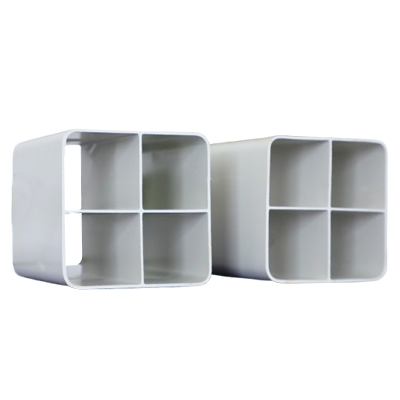
dwv pipe fittings
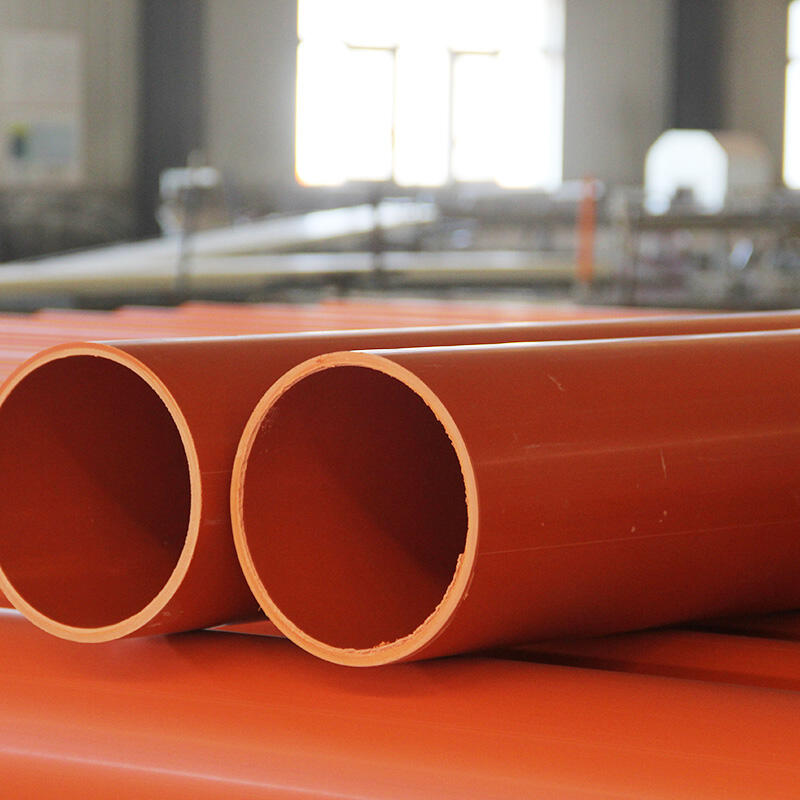
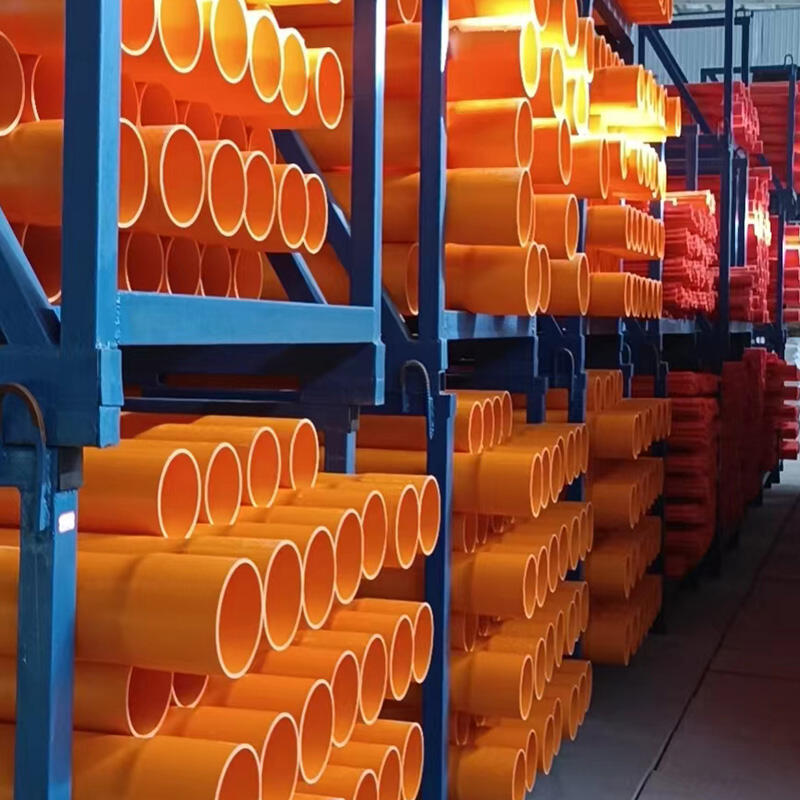
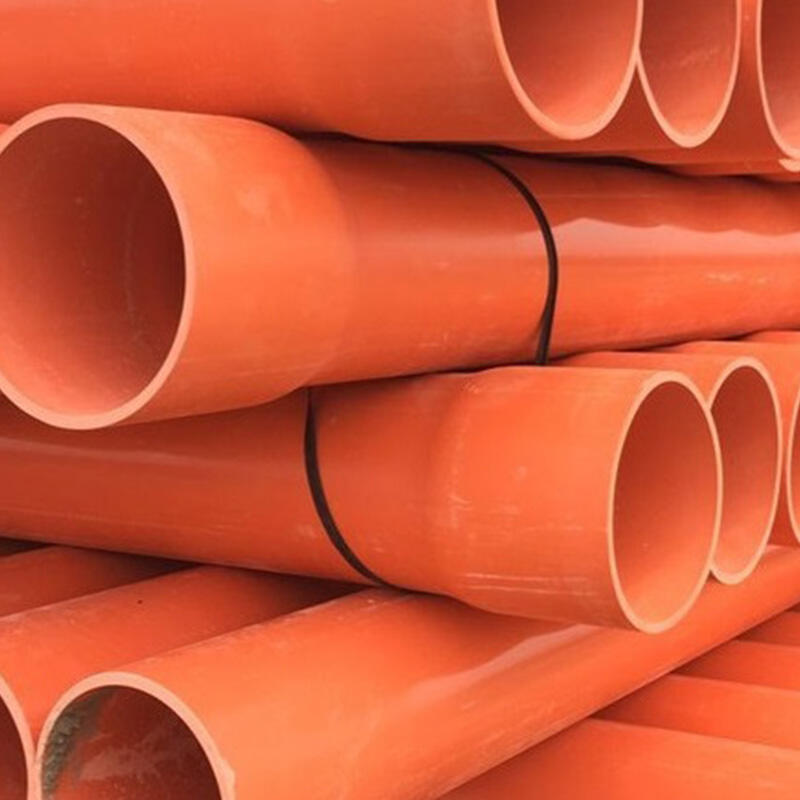
DWV pipe fittings represent essential components in drainage, waste, and vent systems that ensure proper water management and air circulation throughout residential and commercial buildings. These specialized fittings connect various sections of DWV piping systems, creating seamless pathways for wastewater removal and maintaining optimal pressure balance within plumbing networks. The primary function of DWV pipe fittings involves facilitating smooth water flow from sinks, toilets, showers, and other fixtures while simultaneously providing adequate ventilation to prevent sewer gas accumulation and maintain proper drainage performance. Modern DWV pipe fittings incorporate advanced engineering principles that maximize flow efficiency while minimizing potential blockages or system failures. The technological features of these fittings include precision-molded construction that ensures consistent wall thickness, smooth interior surfaces that reduce friction and turbulence, and standardized dimensions that guarantee compatibility across different pipe sections. Manufacturing processes utilize high-grade materials such as PVC, ABS, or cast iron, depending on specific application requirements and local building codes. These materials undergo rigorous quality testing to ensure long-term durability, chemical resistance, and structural integrity under varying temperature and pressure conditions. DWV pipe fittings serve diverse applications across multiple sectors, including residential construction, commercial development, industrial facilities, and municipal infrastructure projects. In residential settings, these fittings connect bathroom fixtures, kitchen appliances, laundry equipment, and floor drains to main sewer lines. Commercial applications encompass office buildings, retail spaces, hospitals, schools, and manufacturing facilities where reliable waste management systems are crucial for operational continuity. The versatility of DWV pipe fittings extends to specialized environments such as laboratories, food processing plants, and chemical facilities that require enhanced corrosion resistance and contamination prevention capabilities.