dwv pipes
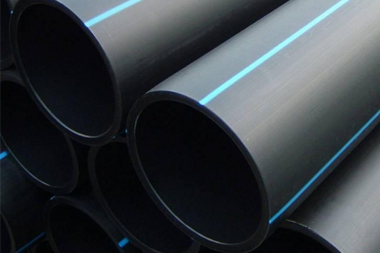
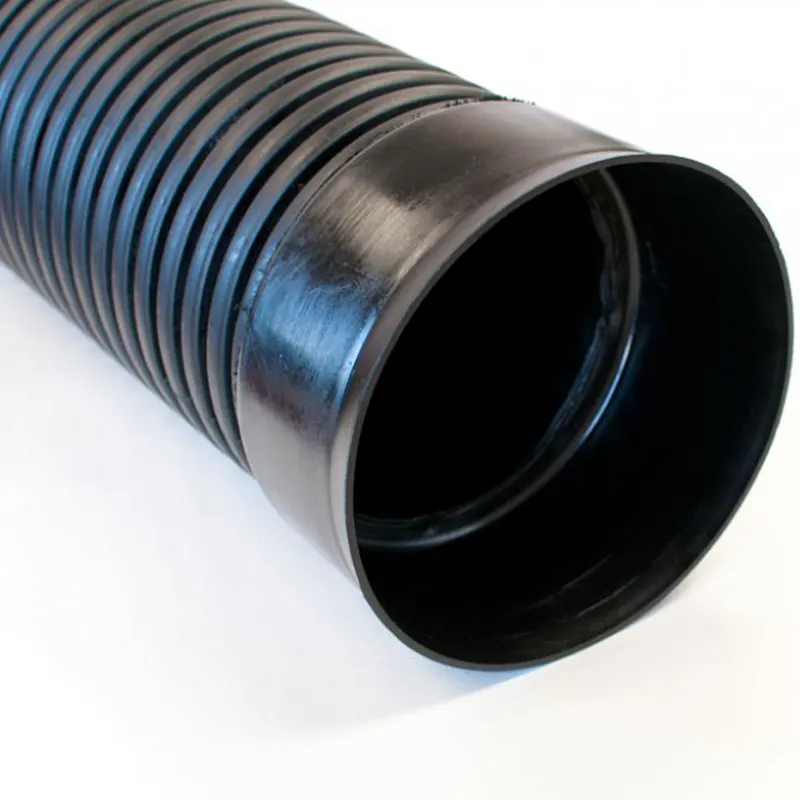
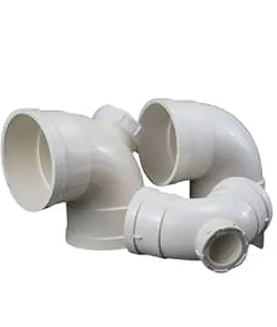
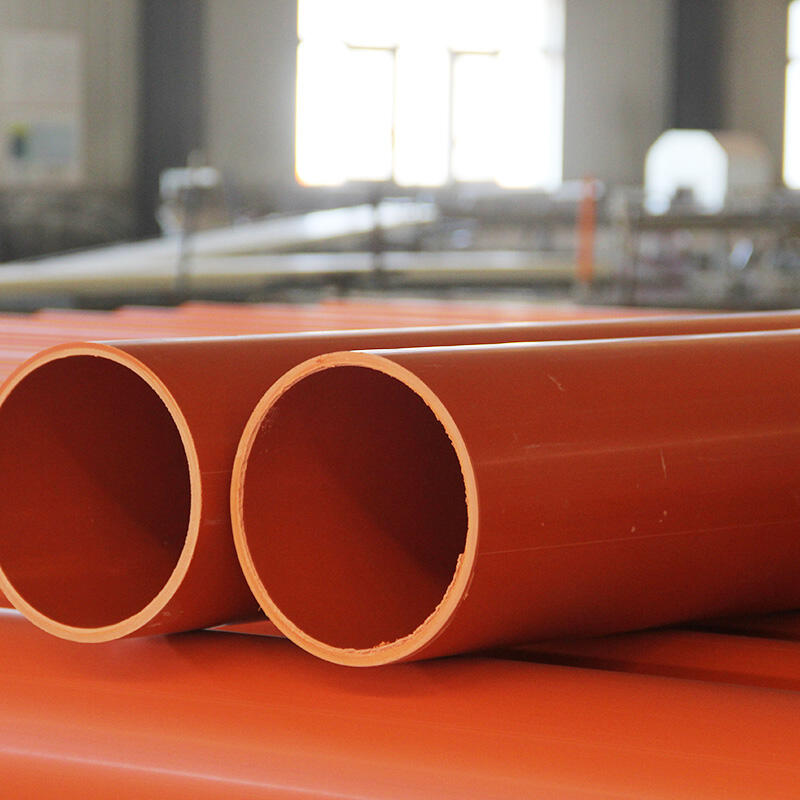
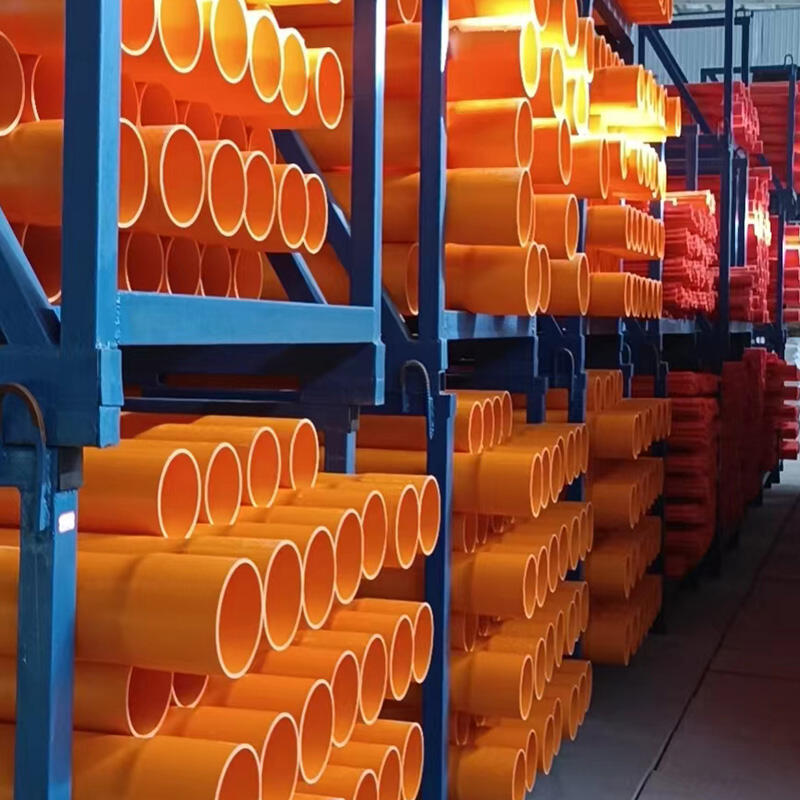
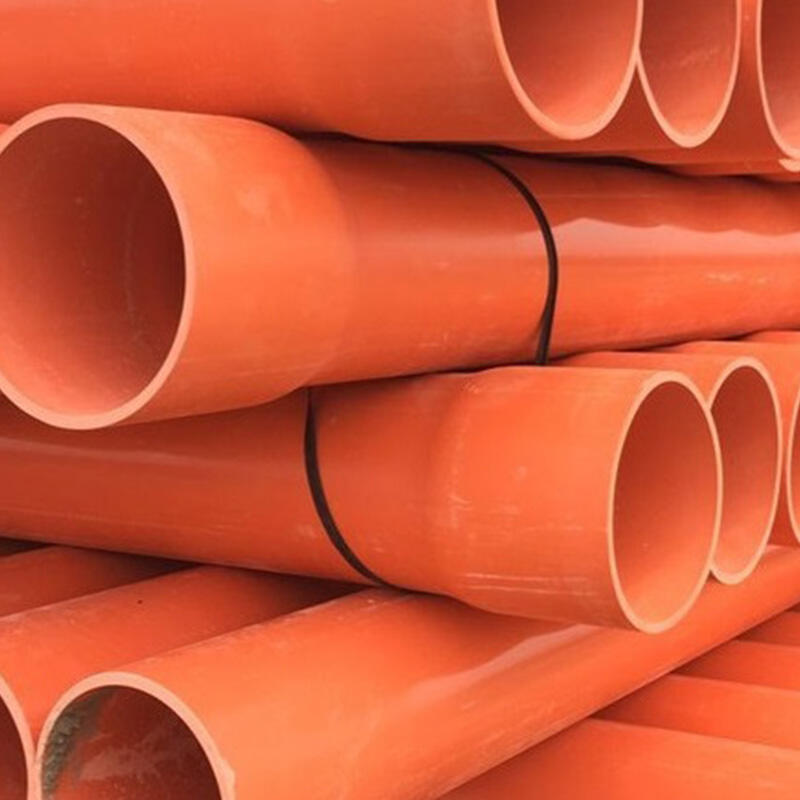
DWV pipes represent a specialized category of plumbing infrastructure designed specifically for drain, waste, and vent systems in residential and commercial buildings. These essential components form the backbone of modern sanitation systems, ensuring proper waste removal and maintaining healthy air circulation throughout plumbing networks. DWV pipes operate through a carefully engineered system that combines gravity-fed drainage with strategic venting mechanisms to prevent sewer gas infiltration and maintain optimal flow rates. The primary function of dwv pipes involves collecting wastewater from fixtures like sinks, toilets, showers, and appliances, then transporting this waste to municipal sewer systems or septic tanks. Simultaneously, these pipes provide crucial ventilation that equalizes air pressure within the system, preventing vacuum conditions that could impede proper drainage or allow harmful gases to enter living spaces. Technologically, dwv pipes incorporate smooth interior surfaces that minimize friction and reduce the likelihood of blockages, while their robust construction materials resist corrosion and chemical damage from various waste products. Modern dwv pipes utilize advanced polymer compositions or treated metals that offer superior longevity compared to traditional materials. Their standardized sizing and connection methods ensure compatibility across different manufacturers and simplify installation processes for plumbing professionals. Applications for dwv pipes span virtually every type of building construction, from single-family homes to large commercial complexes, hospitals, schools, and industrial facilities. These versatile systems adapt to various architectural requirements, accommodating both new construction projects and renovation work where existing plumbing infrastructure requires updates or expansion. The strategic placement of dwv pipes within wall cavities and beneath floors requires careful planning to ensure proper slope gradients for effective drainage while maintaining structural integrity of the building envelope.