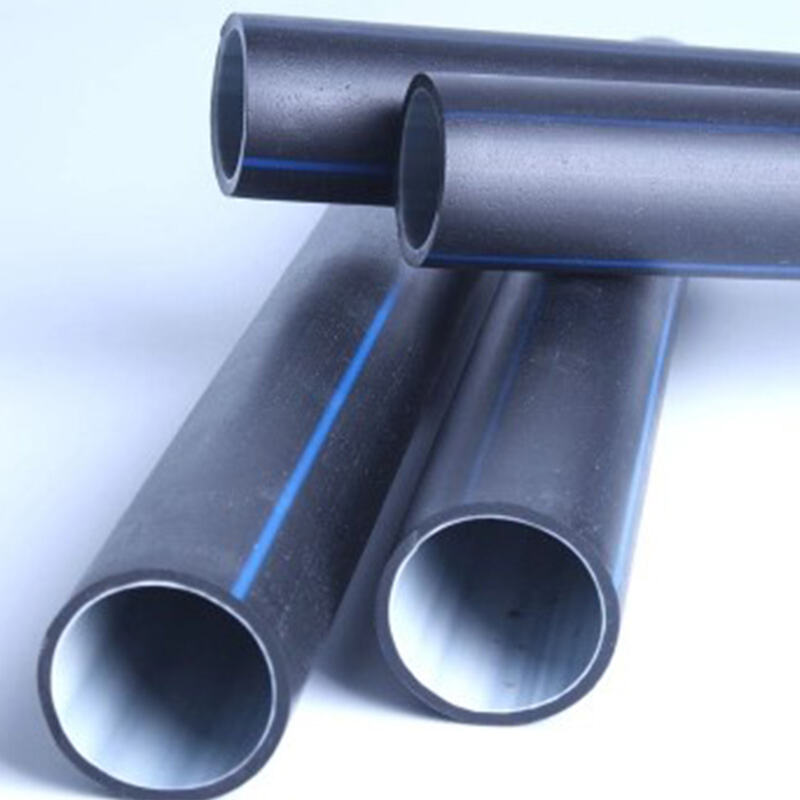
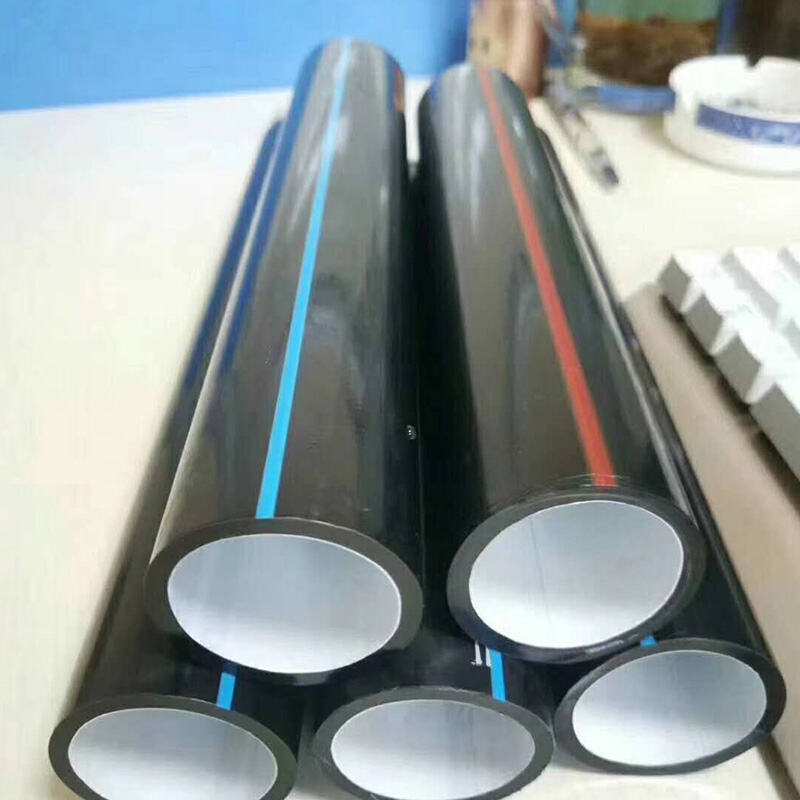
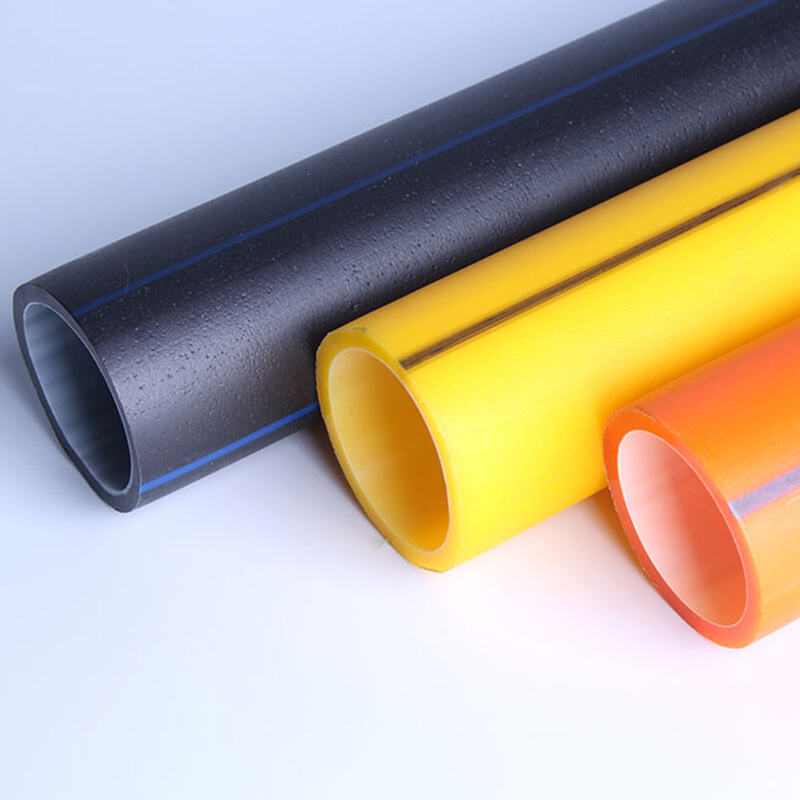
environmentally friendly hdpe silicon core pipe
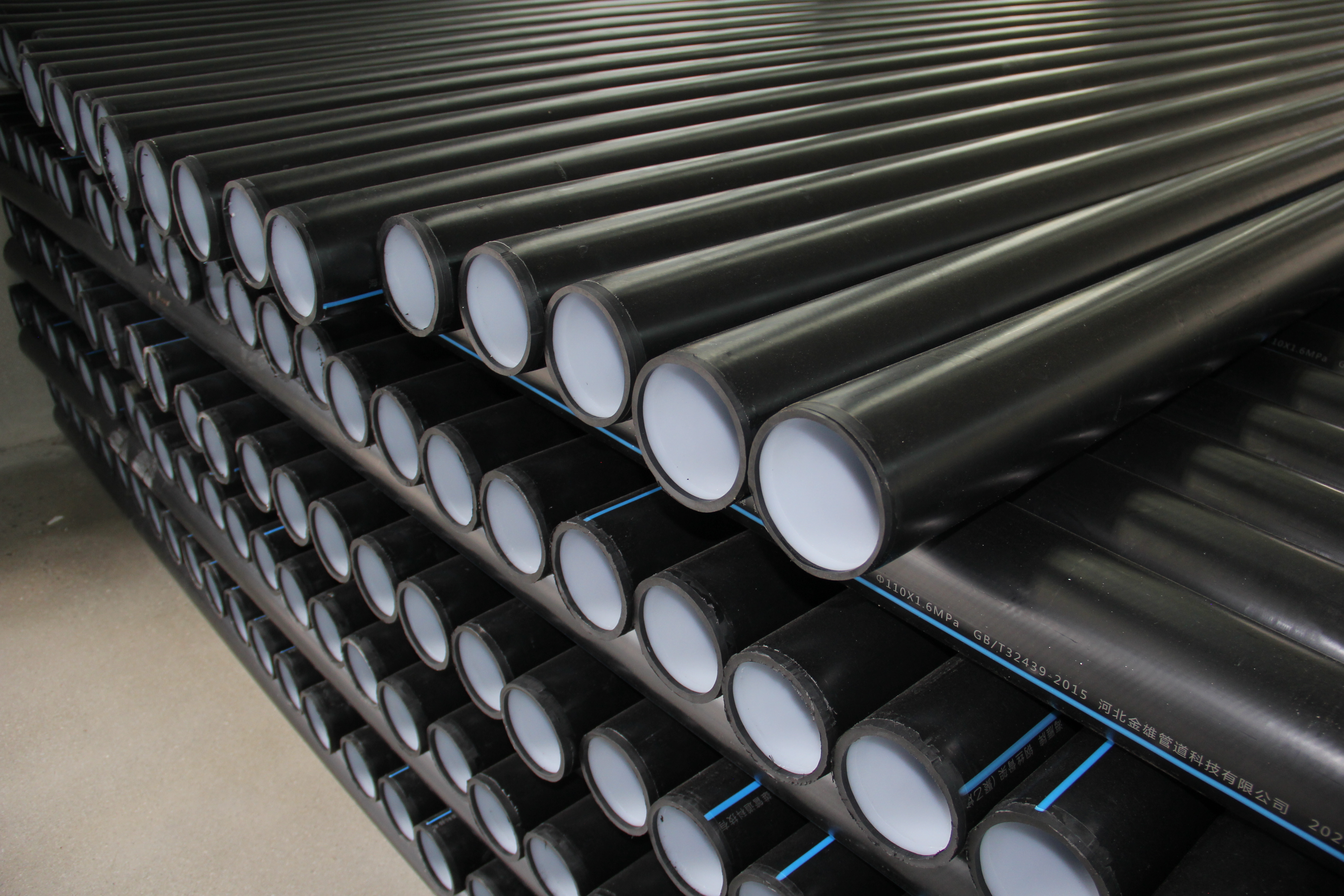
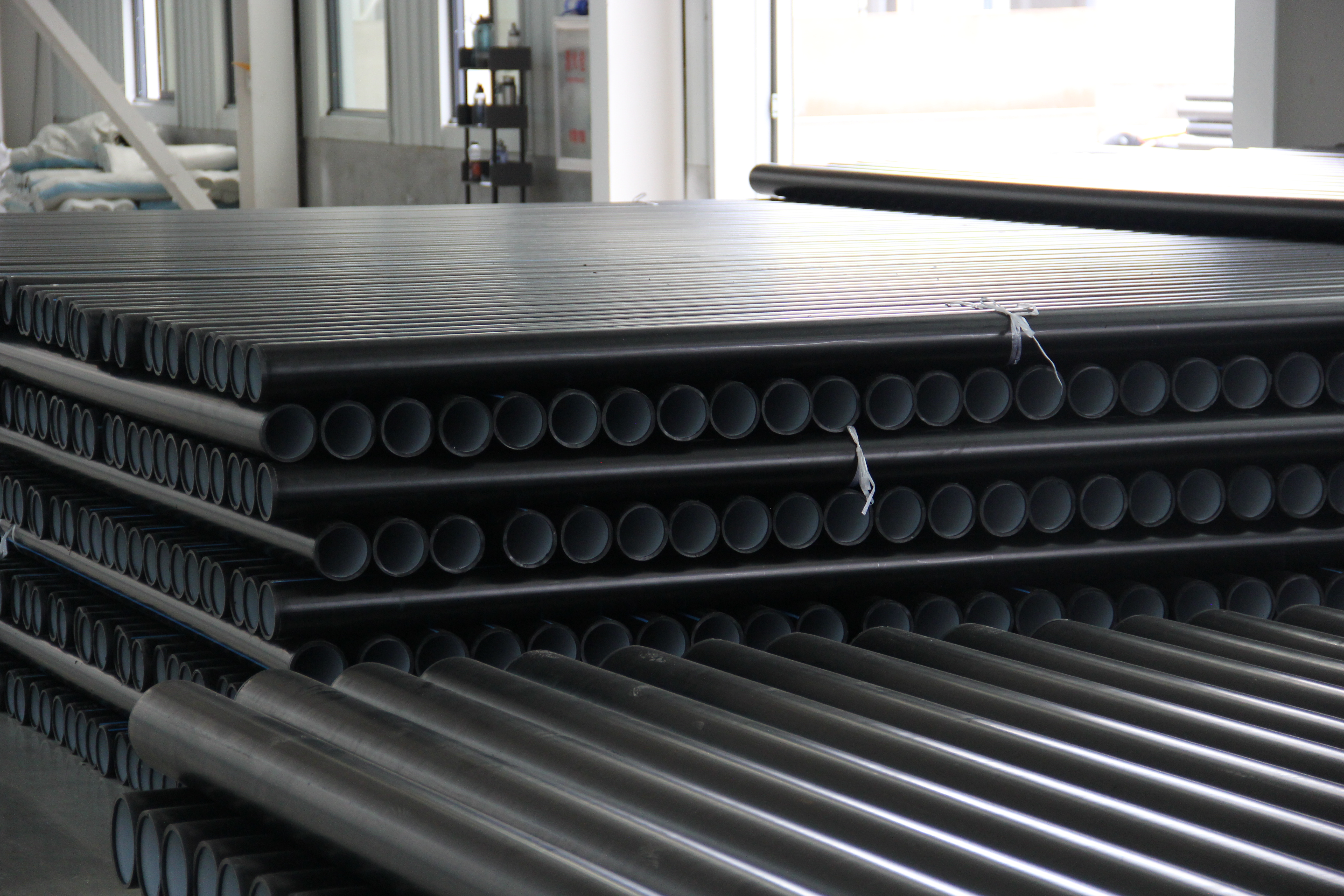
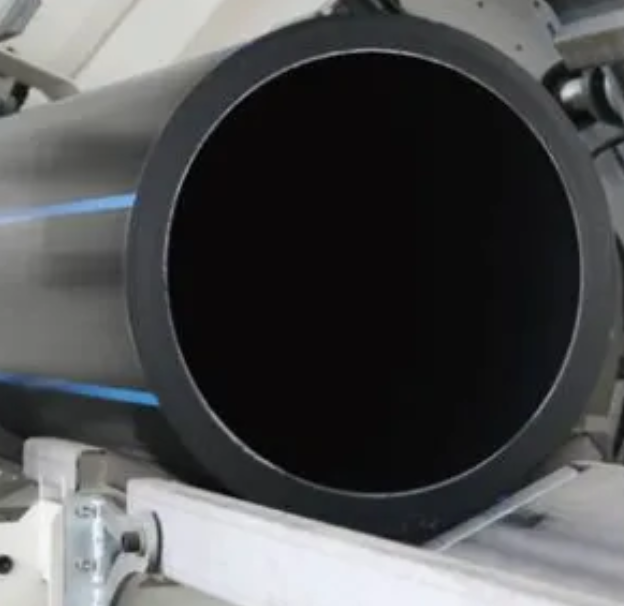
The environmentally friendly hdpe silicon core pipe represents a revolutionary advancement in modern piping technology, combining high-density polyethylene construction with innovative silicon core integration. This cutting-edge piping solution delivers exceptional performance across diverse industrial and infrastructure applications while maintaining strict environmental sustainability standards. The environmentally friendly hdpe silicon core pipe features a unique dual-layer construction where the outer HDPE shell provides structural integrity and chemical resistance, while the inner silicon core enhances flexibility and thermal management properties. This innovative design creates a piping system that excels in challenging installation environments and demanding operational conditions. The manufacturing process utilizes advanced extrusion techniques that ensure consistent wall thickness and optimal material distribution throughout the pipe structure. The environmentally friendly hdpe silicon core pipe incorporates specialized additives that enhance UV resistance, prevent oxidation, and extend service life significantly beyond conventional piping materials. Key technological features include superior flexibility that allows for easier installation around obstacles and through tight spaces, reduced friction coefficients that improve flow characteristics, and enhanced thermal conductivity management that prevents temperature-related stress. The pipe's molecular structure provides exceptional resistance to cracking, splitting, and environmental stress while maintaining dimensional stability across varying temperature ranges. Applications span telecommunications infrastructure, utility installations, fiber optic cable protection, underground conduit systems, and specialized industrial fluid transport. The environmentally friendly hdpe silicon core pipe meets stringent international quality standards and environmental regulations, making it suitable for projects requiring sustainable material choices. Installation benefits include reduced labor costs due to improved handling characteristics, compatibility with standard joining methods, and minimal maintenance requirements over extended service periods.