hdpe double wall corrugated pipe for highway drainage
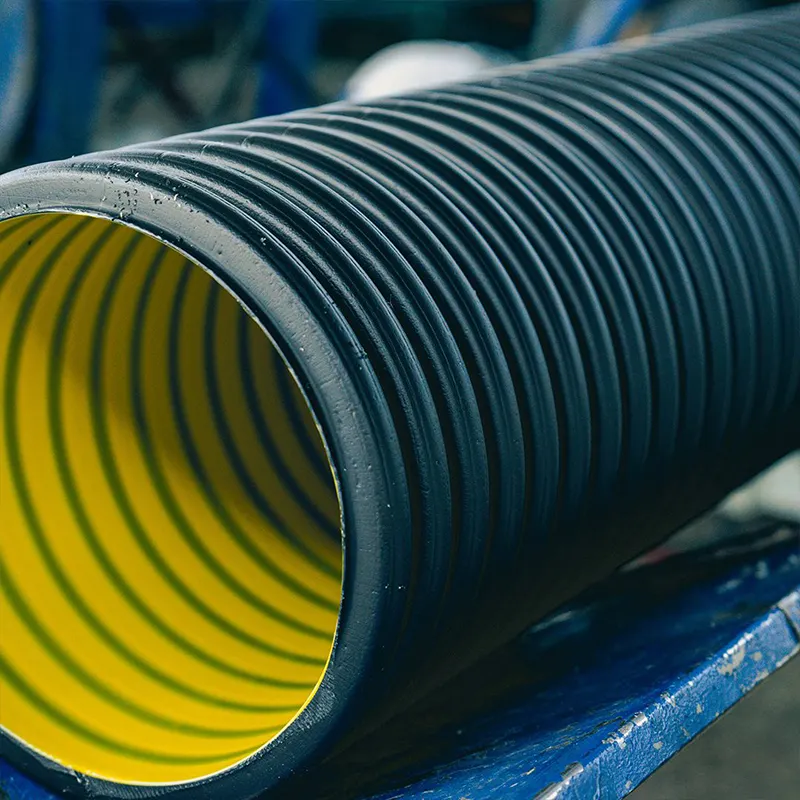
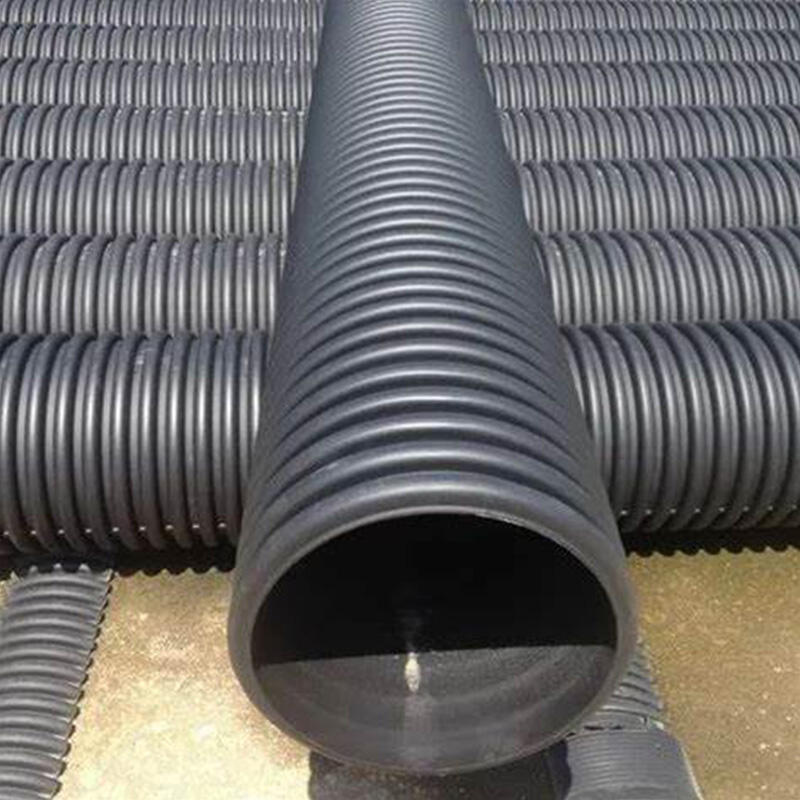
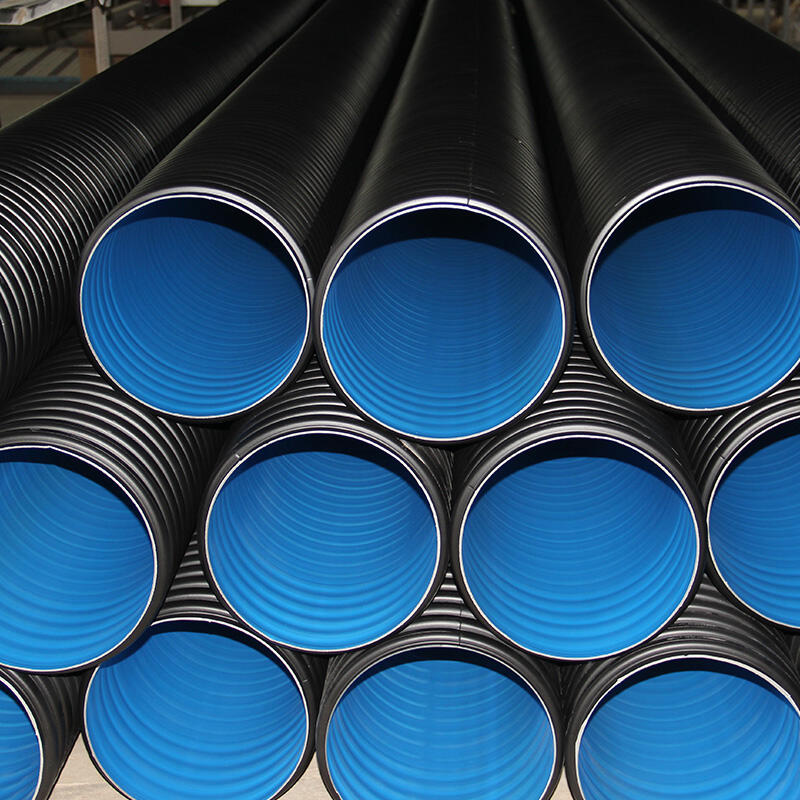
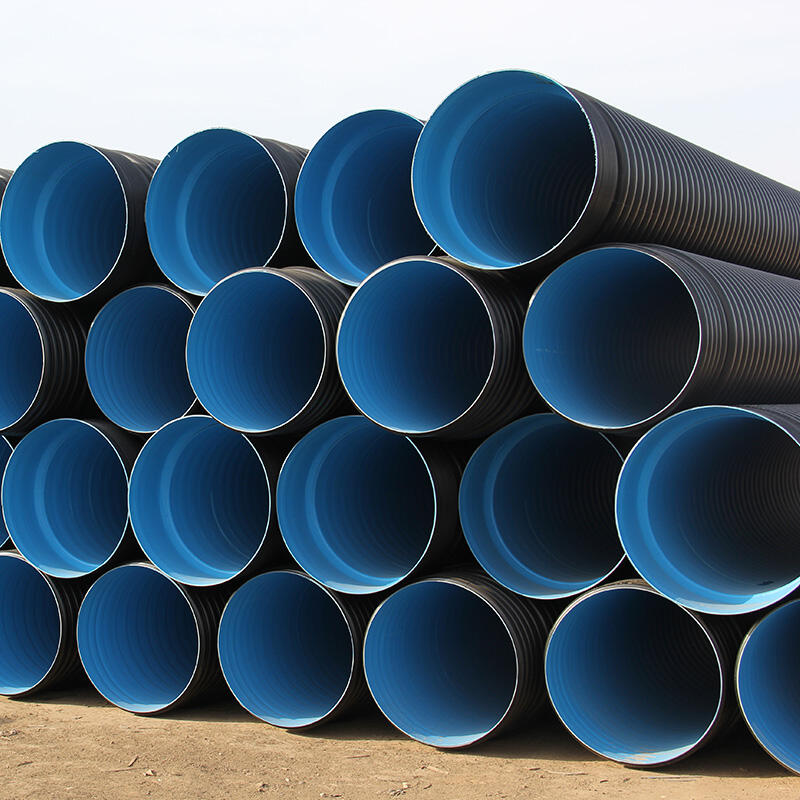
The hdpe double wall corrugated pipe for highway drainage represents a revolutionary advancement in modern infrastructure engineering, specifically designed to address the complex water management challenges faced by transportation networks. This innovative piping solution combines high-density polyethylene construction with a sophisticated double-wall design that maximizes structural integrity while maintaining exceptional flow characteristics. The primary function of the hdpe double wall corrugated pipe for highway drainage centers on efficient stormwater collection, conveyance, and disposal from roadway surfaces, preventing water accumulation that could compromise pavement integrity and vehicular safety. The technological foundation of this drainage system relies on the unique corrugated exterior wall configuration, which provides superior ring stiffness and load-bearing capacity essential for withstanding heavy traffic loads and soil pressures commonly encountered in highway applications. The smooth interior wall ensures optimal hydraulic performance, reducing friction losses and maintaining consistent flow velocities even under varying discharge conditions. Manufacturing processes incorporate advanced extrusion techniques that create seamless joints between the inner and outer walls, resulting in a monolithic structure resistant to infiltration and exfiltration. The hdpe double wall corrugated pipe for highway drainage finds extensive applications across diverse highway infrastructure projects, including interstate systems, arterial roads, bridge approaches, and interchange facilities. Installation versatility allows for both gravity-fed and pressurized systems, accommodating various topographical constraints and design requirements. The material composition provides exceptional chemical resistance, making it suitable for environments where road salts, petroleum products, and other potentially corrosive substances may be present. Long-term performance characteristics include resistance to biological growth, freeze-thaw cycles, and ultraviolet degradation, ensuring decades of reliable service in challenging highway environments while minimizing maintenance requirements and lifecycle costs.