hdpe krah pipe specifications
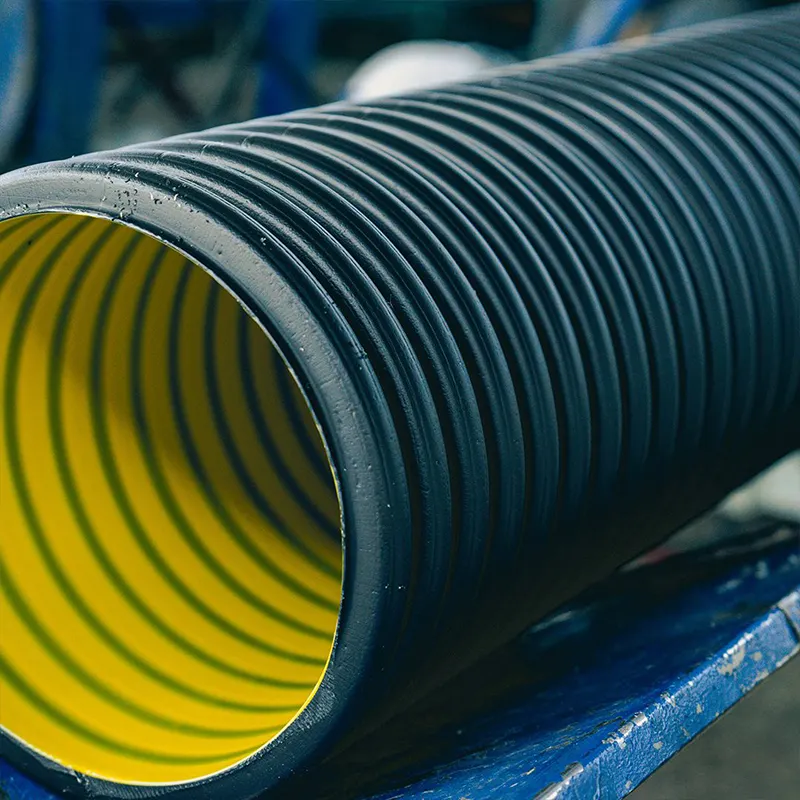
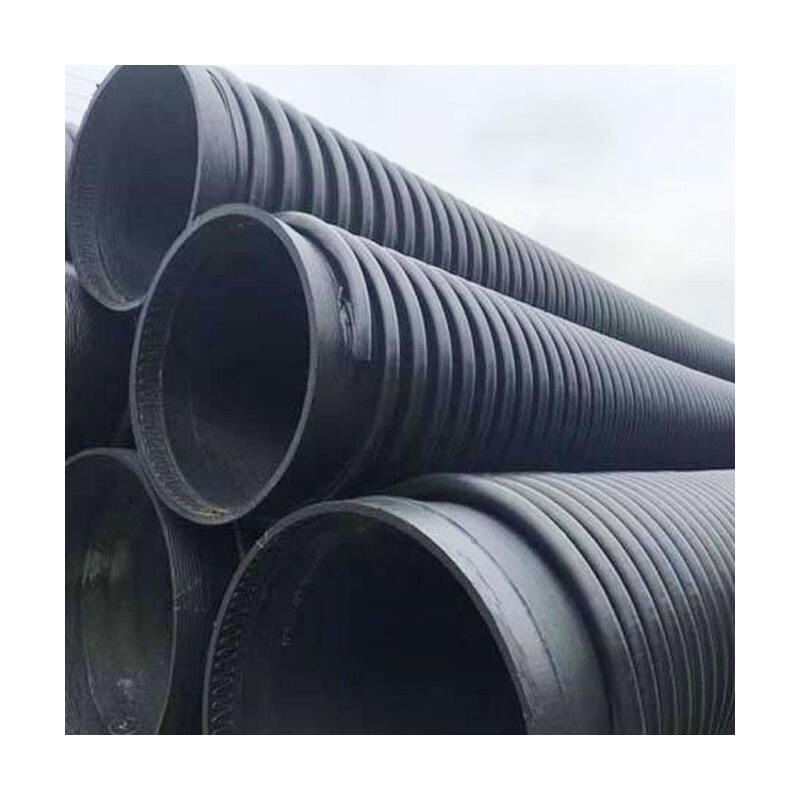
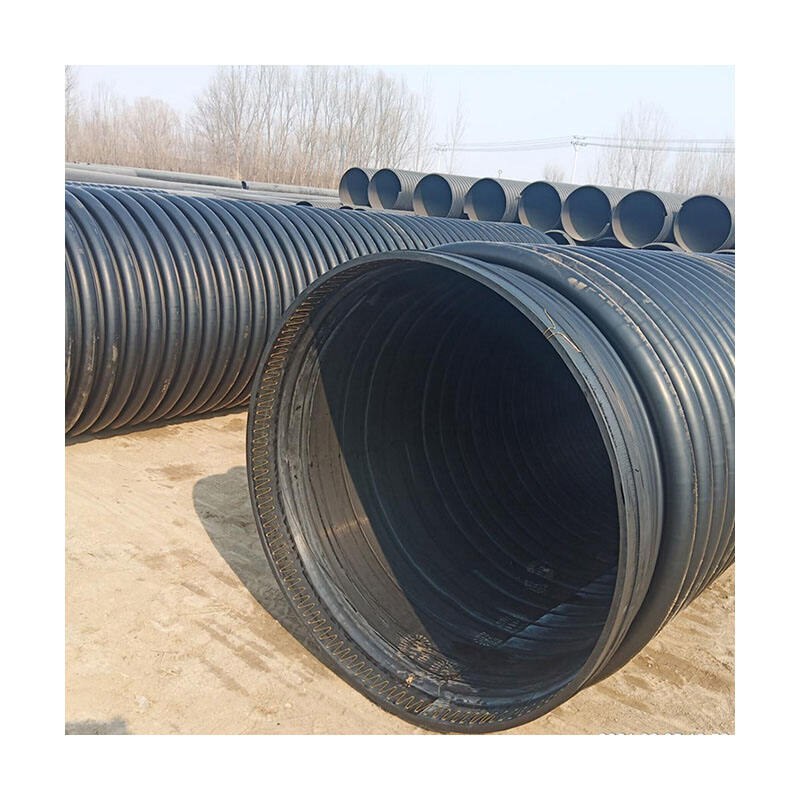
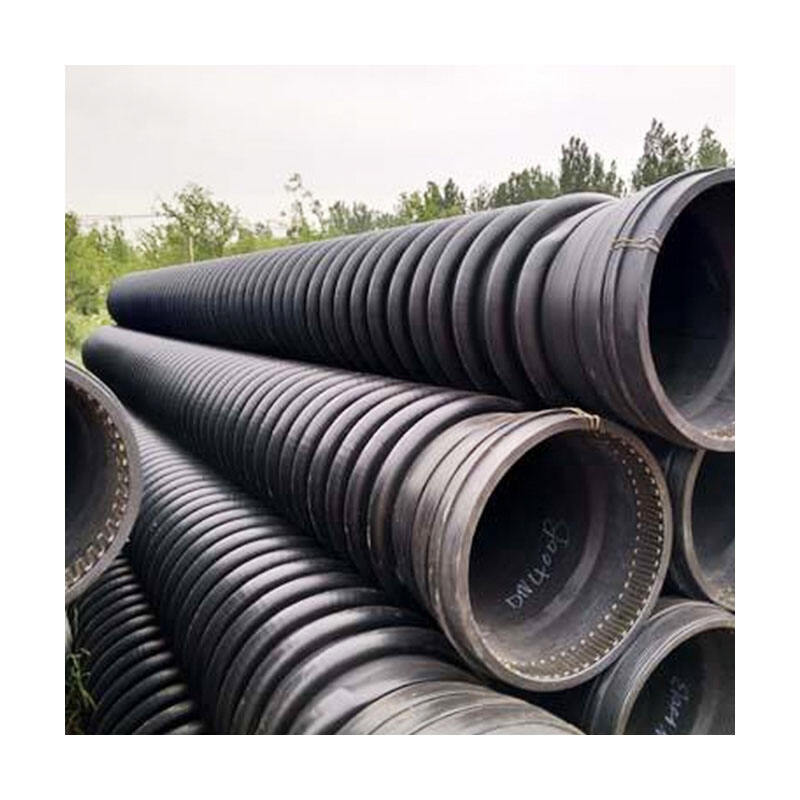
HDPE Krah pipe specifications represent a revolutionary advancement in drainage and sewerage infrastructure solutions. These pipes feature a distinctive spiral corrugated exterior profile combined with a smooth interior surface, creating an optimal balance between structural strength and hydraulic efficiency. The hdpe krah pipe specifications are engineered using high-density polyethylene material, providing exceptional durability and longevity for underground installations. The unique Krah manufacturing process involves continuous extrusion and spiral winding technology, resulting in pipes with superior ring stiffness and flexibility. These pipes typically range from 200mm to 3000mm in diameter, making them suitable for diverse municipal and industrial applications. The hdpe krah pipe specifications include various stiffness classes, commonly SN4, SN8, and SN16, allowing engineers to select appropriate specifications based on soil conditions and traffic loads. The corrugated exterior design maximizes the pipe's ability to withstand external pressures while maintaining lightweight properties compared to traditional concrete alternatives. Installation depth capabilities vary according to pipe diameter and stiffness class, with some configurations supporting burial depths exceeding 20 meters. The smooth interior surface ensures minimal friction loss and prevents sediment accumulation, maintaining optimal flow rates throughout the pipe's operational lifespan. Quality control measures embedded within hdpe krah pipe specifications guarantee consistent wall thickness, dimensional accuracy, and material properties. These pipes demonstrate excellent chemical resistance, making them suitable for various effluent types and aggressive soil conditions. The manufacturing process incorporates advanced quality assurance protocols, ensuring each pipe meets stringent international standards including EN 13476, ASTM F894, and ISO specifications. Temperature resistance ranges from -40°C to +60°C, enabling installation across diverse climatic conditions without compromising structural integrity or performance characteristics.