Chemical Resistance and Environmental Durability
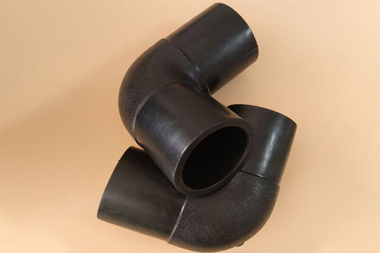
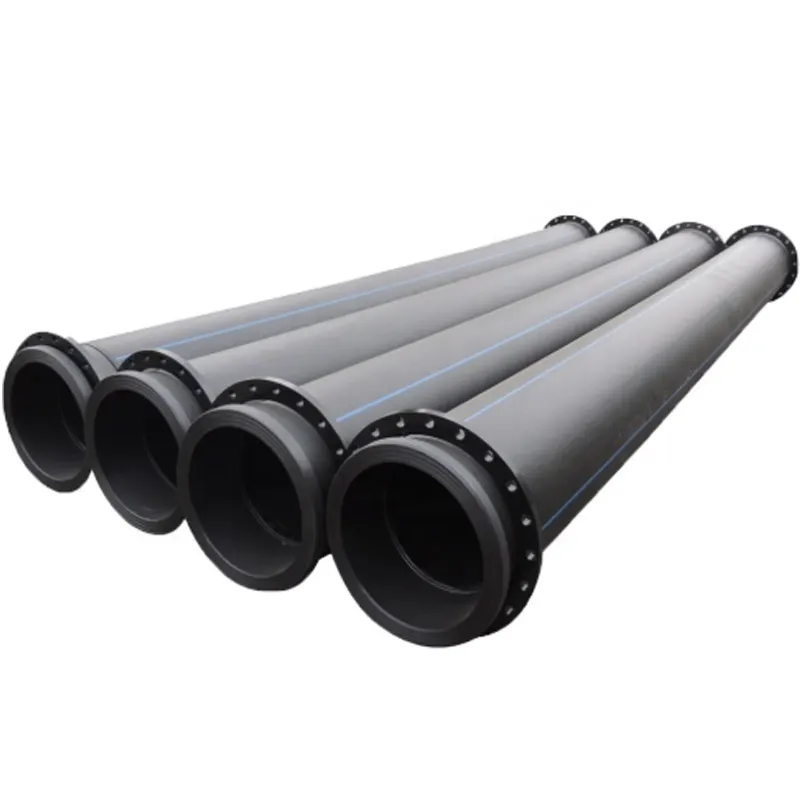
HDPE pipe saddle fittings excel in harsh chemical environments where traditional materials suffer rapid deterioration, providing unmatched longevity in challenging applications. The polyethylene molecular structure resists attack from acids, bases, salts, and organic solvents commonly found in industrial and municipal environments. This chemical inertness prevents the formation of corrosion products that could contaminate water supplies or compromise system performance over time. The material maintains its properties when exposed to chlorinated water, hydrogen sulfide, and other aggressive chemicals typically encountered in utility infrastructure. Underground installations benefit from the resistance to soil chemicals, groundwater contaminants, and biological attack that would destroy metal fittings within years rather than decades. The smooth surface finish resists biofilm formation and mineral deposits that accumulate on rougher materials, maintaining optimal flow characteristics throughout the service life. UV stabilization additives protect exposed installations from solar degradation while maintaining flexibility and impact resistance. Temperature cycling from freezing to elevated conditions does not create stress cracking or dimensional instability in properly formulated HDPE materials. The low permeability of hdpe pipe saddle fittings prevents groundwater infiltration and chemical migration that could compromise system integrity. Environmental stress crack resistance ensures reliable performance under sustained loading conditions that would cause failure in other thermoplastic materials. The material composition excludes heavy metals or toxic additives that could leach into potable water systems, supporting public health objectives. Field testing demonstrates that hdpe pipe saddle fittings maintain their sealing effectiveness and structural properties even after prolonged exposure to petroleum products, industrial solvents, and agricultural chemicals. This durability reduces replacement costs and service interruptions while supporting environmental protection through leak prevention. The recyclability of HDPE materials aligns with sustainability goals, allowing end-of-life fittings to be reprocessed into new products rather than contributing to landfill waste.