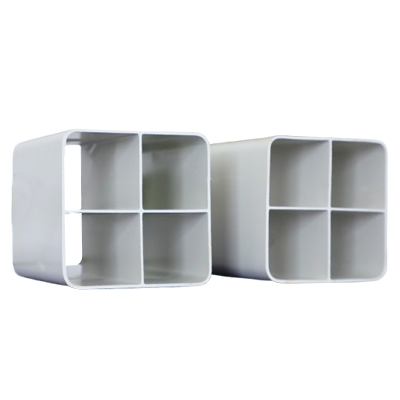
hdpe silicon core pipe for fiber optic cable
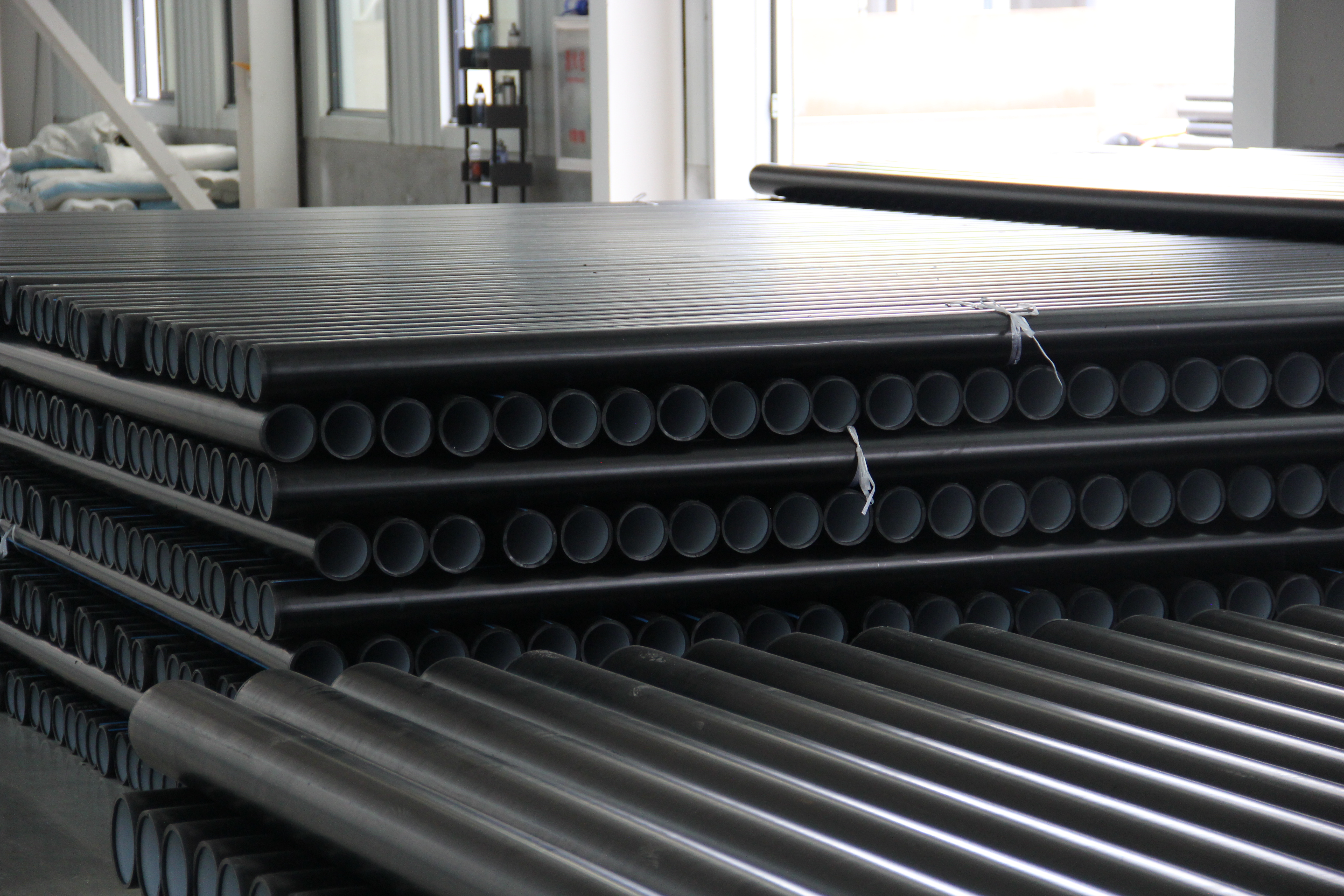
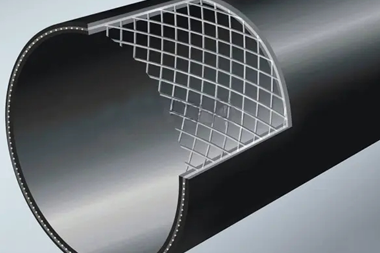
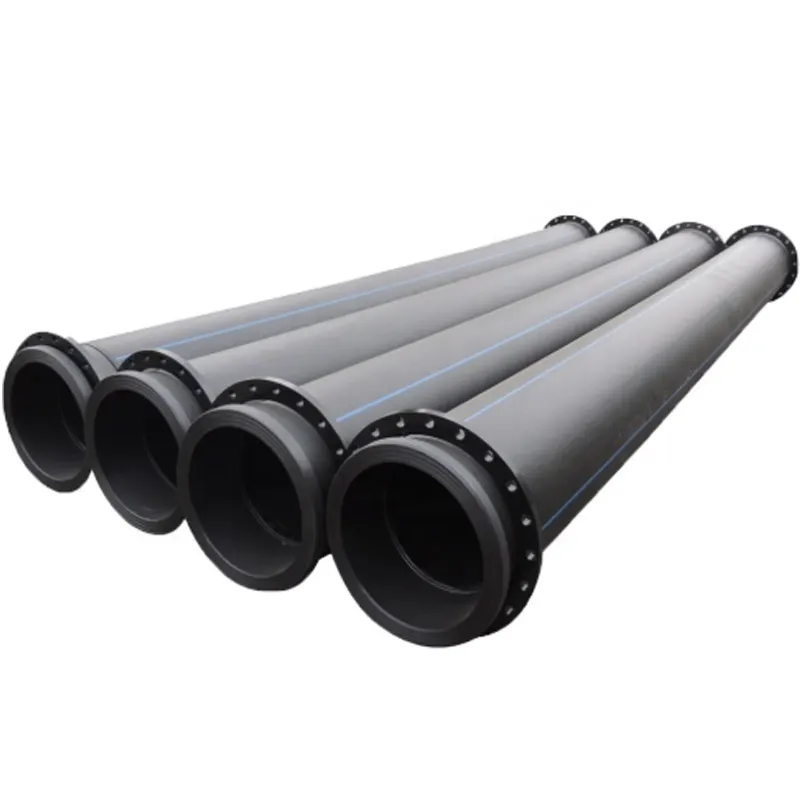
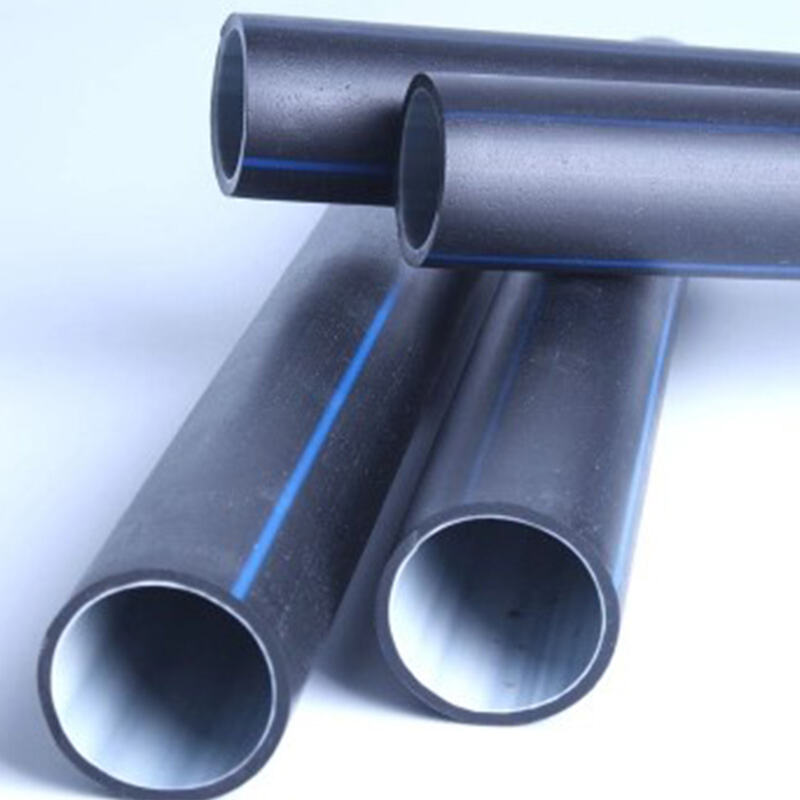
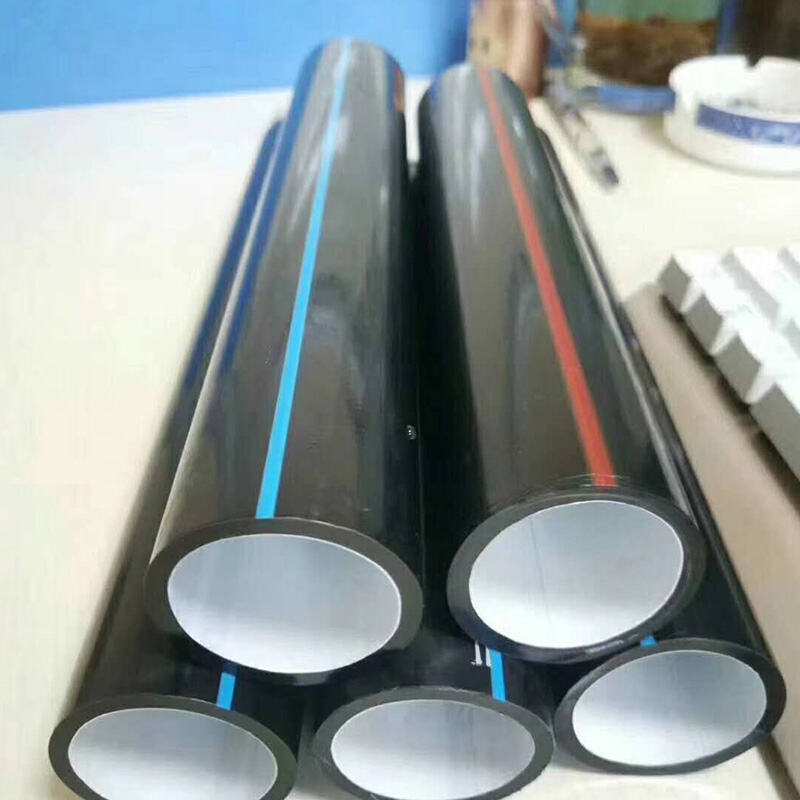
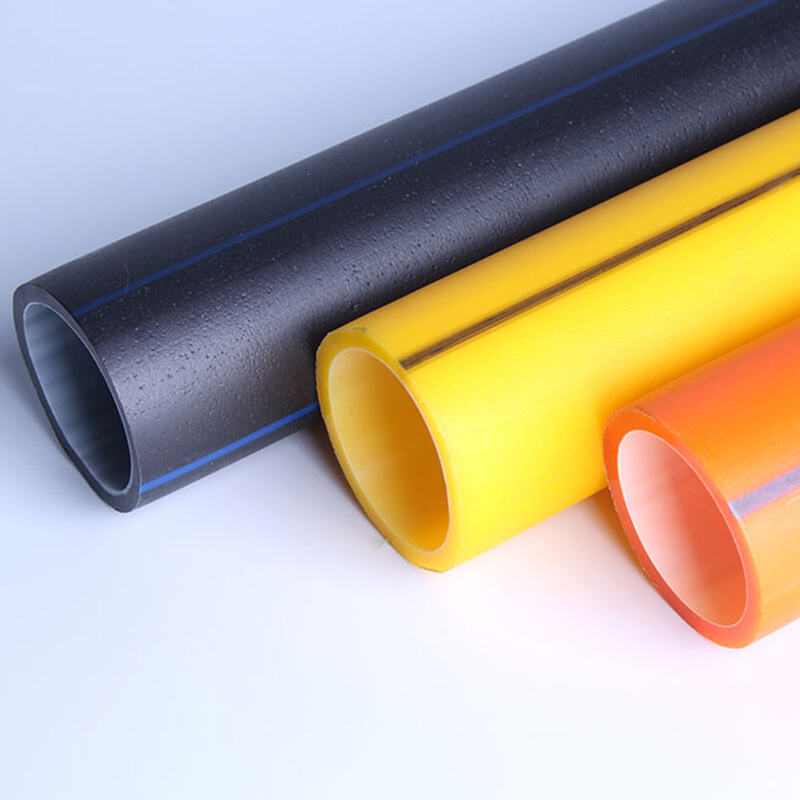
The HDPE silicon core pipe for fiber optic cable represents a revolutionary advancement in telecommunications infrastructure, combining the durability of high-density polyethylene with the protective properties of silicon-based technology. This innovative piping solution serves as a crucial protective conduit for fiber optic cables in both underground and aerial installations. The primary function of the HDPE silicon core pipe for fiber optic cable involves safeguarding delicate optical fibers from environmental hazards, moisture infiltration, and physical damage while maintaining optimal signal transmission quality. The technological foundation of this system relies on a dual-layer construction where the outer HDPE shell provides structural integrity and chemical resistance, while the inner silicon core creates a smooth, low-friction pathway for cable installation and maintenance. This design significantly reduces installation time and costs compared to traditional conduit systems. The HDPE silicon core pipe for fiber optic cable incorporates advanced material science, utilizing UV-stabilized polyethylene that resists degradation from sunlight exposure and environmental stressors. The silicon core technology features a specially formulated inner layer that maintains flexibility across extreme temperature ranges, ensuring consistent performance in diverse climatic conditions. Applications for the HDPE silicon core pipe for fiber optic cable span multiple sectors including telecommunications networks, internet service provider installations, smart city infrastructure, industrial communications systems, and residential broadband deployments. The versatility of this solution makes it suitable for direct burial applications, duct installations, and aerial deployment scenarios. Manufacturing processes for the HDPE silicon core pipe for fiber optic cable involve precision extrusion techniques that ensure uniform wall thickness and dimensional accuracy. Quality control measures include rigorous testing for tensile strength, impact resistance, and chemical compatibility. The pipe system accommodates various fiber optic cable configurations, from single-fiber installations to high-capacity multi-fiber deployments, making it an essential component in modern communication network development and expansion projects worldwide.