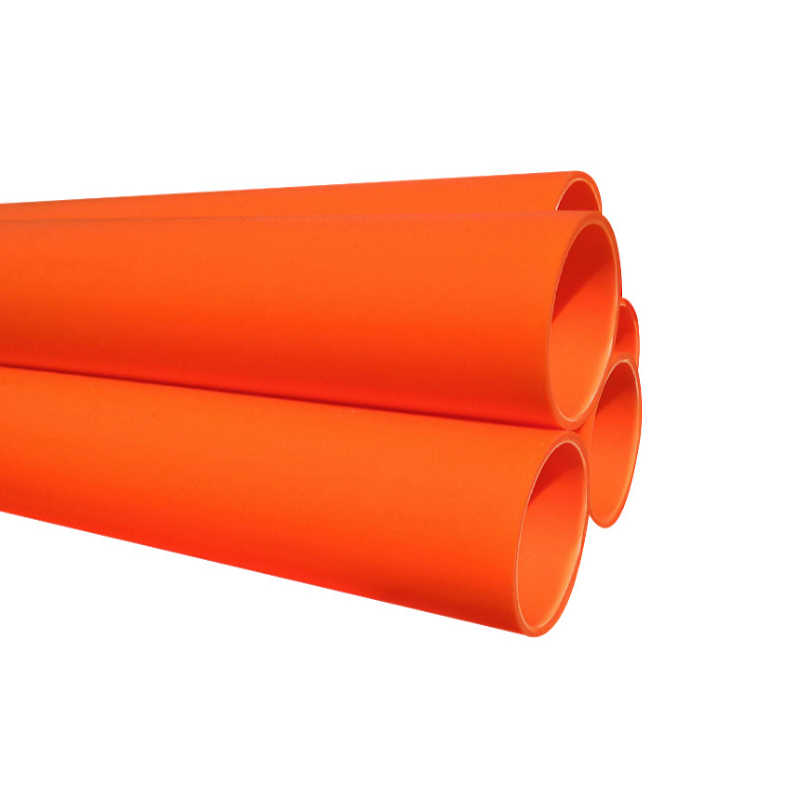
industrial dredging pipelines for largescale projects
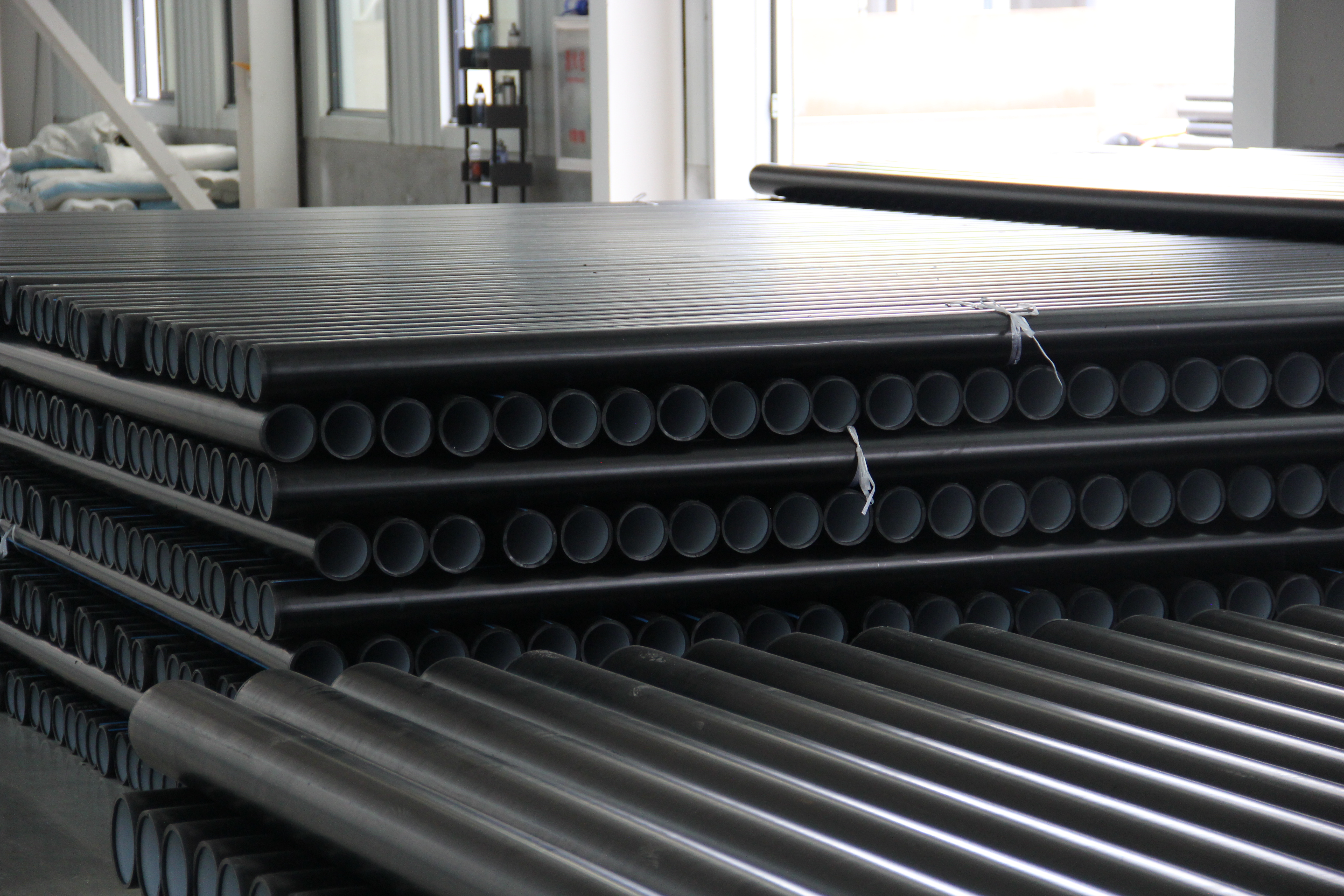
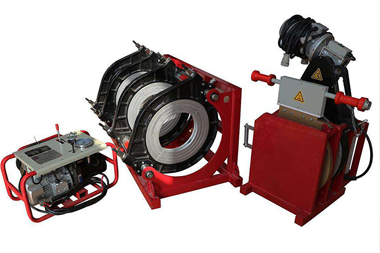
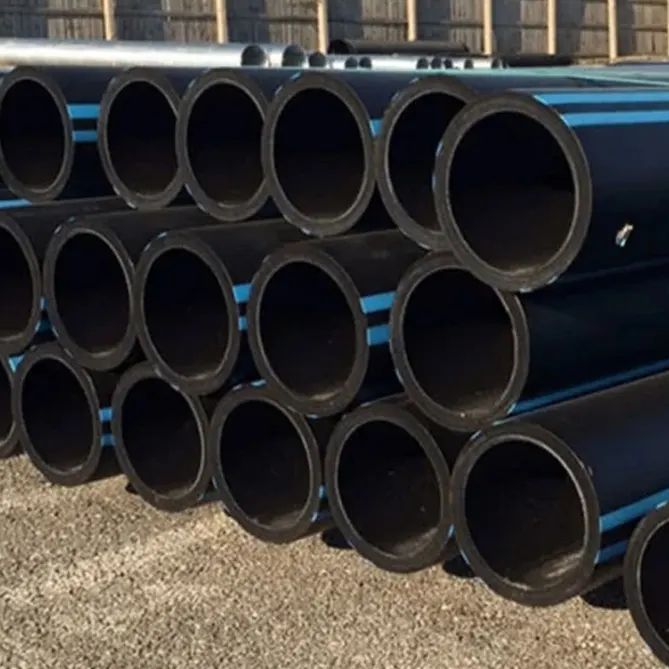
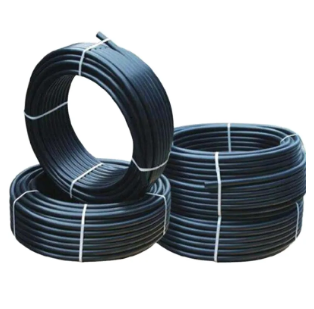
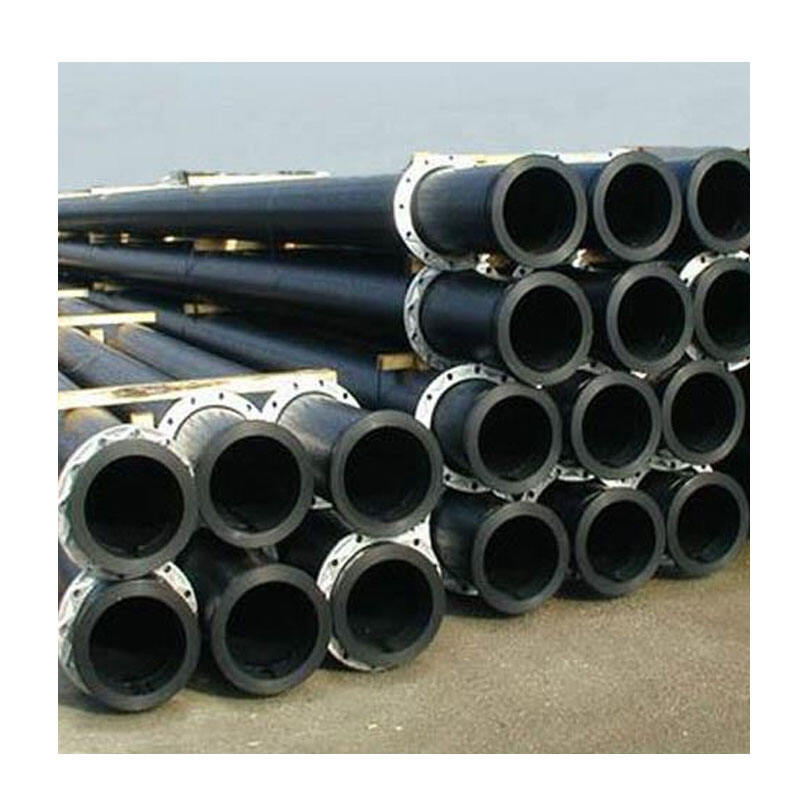
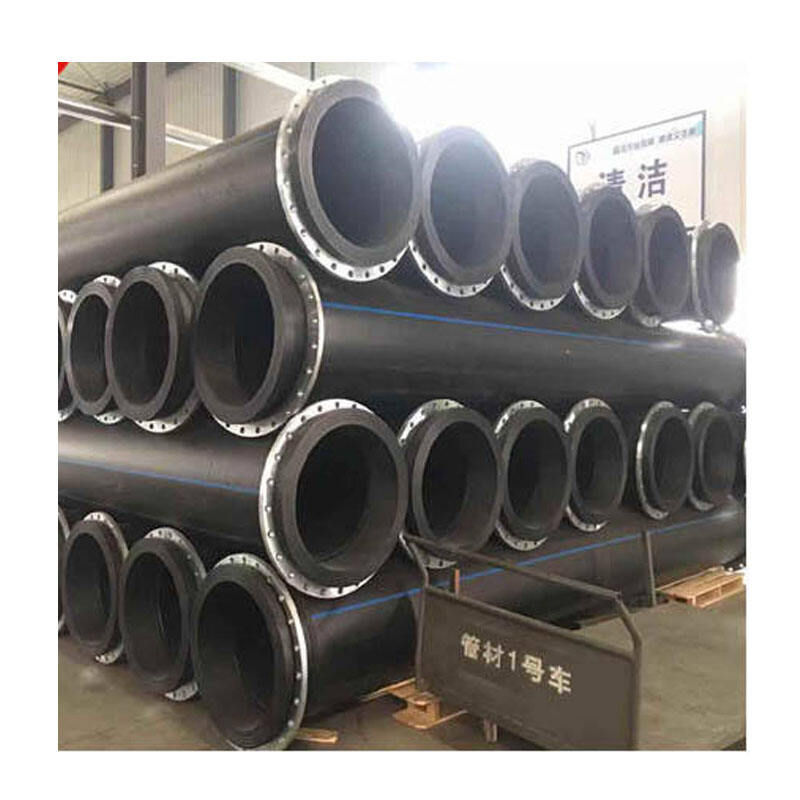
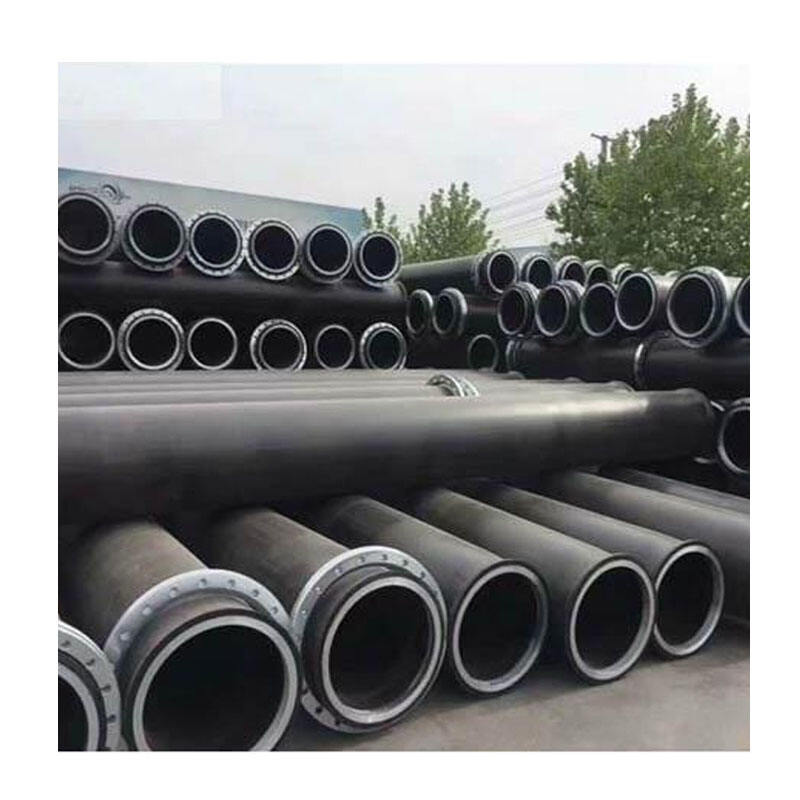
Industrial dredging pipelines for largescale projects represent sophisticated engineering systems designed to transport massive volumes of sediment, sand, and debris across considerable distances during major excavation operations. These specialized pipeline networks serve as the circulatory system of modern dredging operations, enabling efficient material transport from excavation sites to designated disposal or beneficial use locations. The primary function of industrial dredging pipelines for largescale projects involves creating a continuous pathway for hydraulic transport of dredged materials, utilizing high-pressure water flow to move sediments through steel or high-density polyethylene pipe sections. These systems incorporate advanced technological features including variable-speed pumping stations, automated control systems, and real-time monitoring capabilities that ensure optimal performance throughout extended operational periods. The pipeline configuration typically consists of floating sections supported by pontoons, submerged segments anchored to the seabed, and shore-based components that facilitate material discharge. Modern industrial dredging pipelines for largescale projects integrate GPS positioning systems, pressure monitoring sensors, and flow measurement devices that provide operators with comprehensive operational data. Applications span diverse sectors including port development, coastal protection, land reclamation, waterway maintenance, and offshore construction projects. Major infrastructure developments such as airport expansions built on reclaimed land, deepwater port facilities, and coastal defense installations rely heavily on these pipeline systems. The technological sophistication extends to modular design principles that allow rapid deployment and reconfiguration based on project requirements, while specialized coupling systems ensure leak-proof connections under high-pressure conditions. Environmental considerations drive the incorporation of sediment containment features and monitoring systems that minimize ecological impact during material transport operations.