Krah HDPE Pipe: Advanced Spiral Wound Technology for Superior Pipeline Performance

Get a Free Quote

Our representative will contact you soon.
Email
Mobile
Name
Message
0/1000

krah hdpe pipe

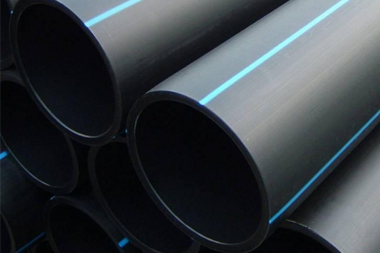
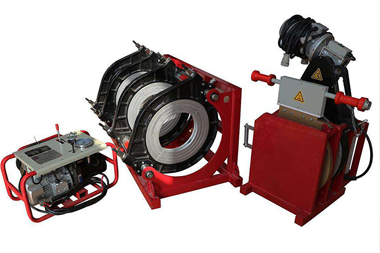
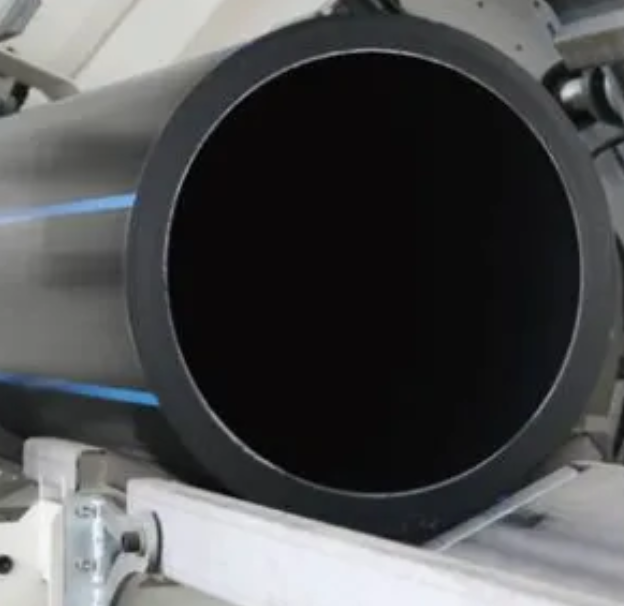
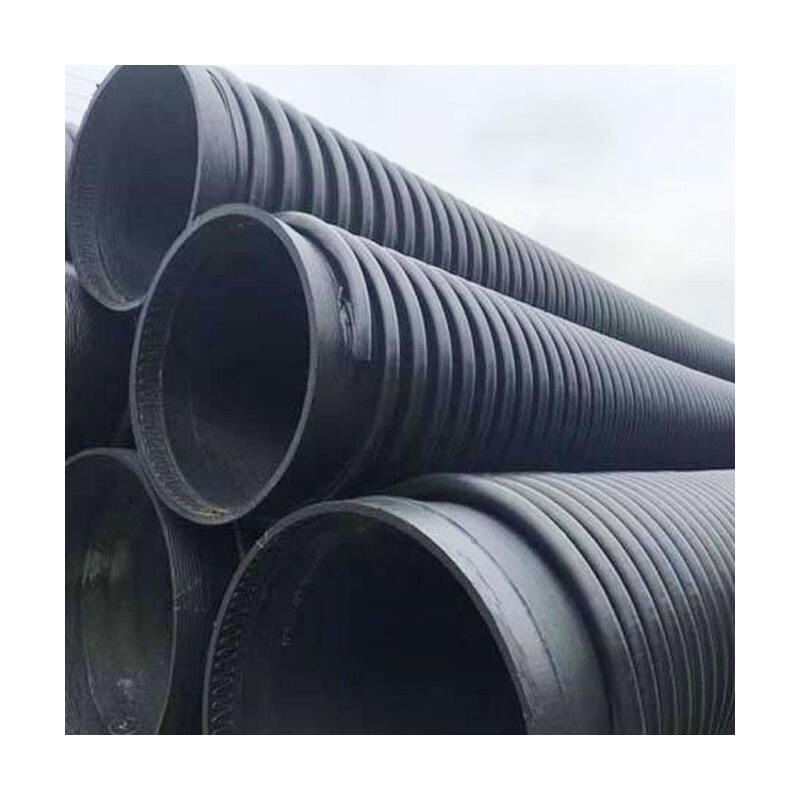
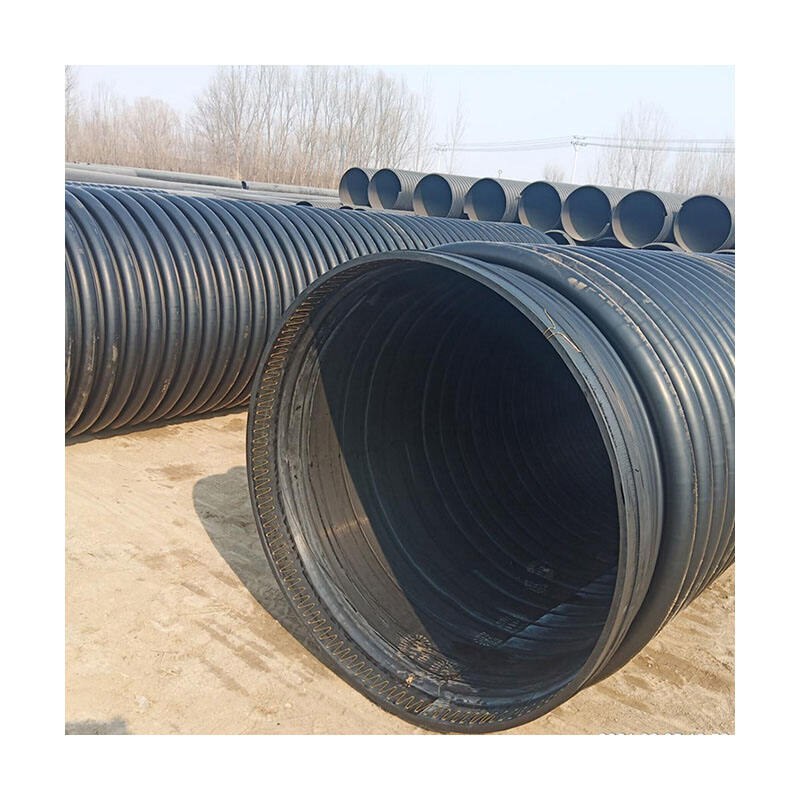
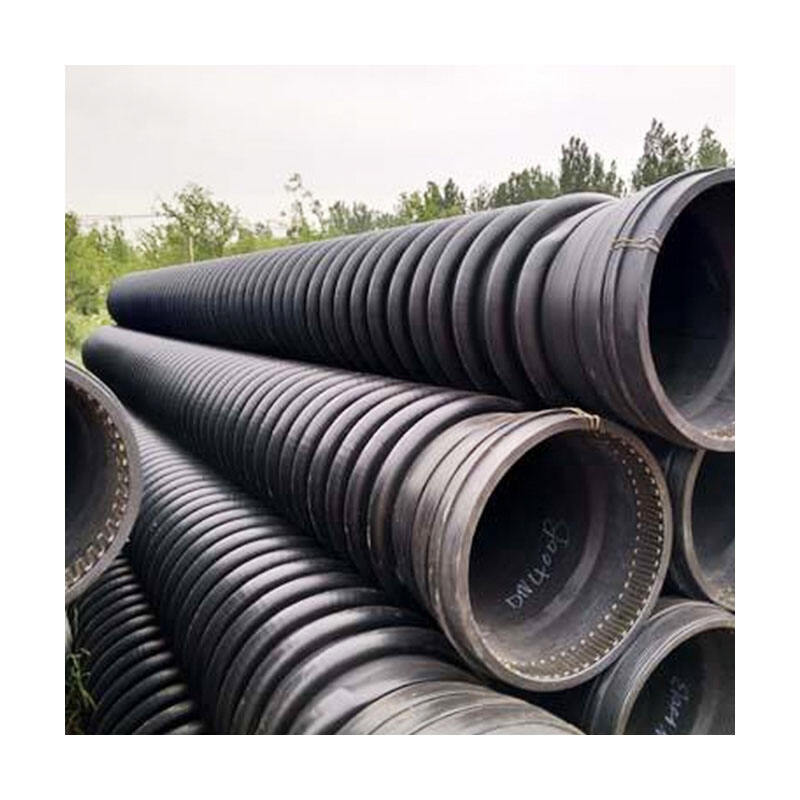
The Krah HDPE pipe represents a revolutionary advancement in modern piping infrastructure, utilizing innovative High-Density Polyethylene technology combined with the patented Krah spiral winding manufacturing process. This sophisticated piping system delivers exceptional performance across diverse industrial applications, from municipal water distribution to complex chemical processing facilities. The Krah HDPE pipe construction employs a unique spiral winding technique that creates seamless, continuous pipe structures with superior mechanical properties and enhanced durability compared to traditional piping materials. The manufacturing process involves precision-controlled extrusion of HDPE material, forming continuous spiral profiles that are fusion-welded to create robust, leak-proof connections. This technological approach ensures consistent wall thickness, optimal stress distribution, and remarkable resistance to environmental factors. The pipe's molecular structure provides excellent chemical resistance, making it suitable for transporting various fluids including potable water, wastewater, industrial chemicals, and corrosive substances. Key technological features include advanced fusion welding capabilities that eliminate weak joints, exceptional flexibility that accommodates ground movement and thermal expansion, and outstanding impact resistance that withstands harsh installation conditions. The Krah HDPE pipe system incorporates state-of-the-art quality control measures throughout production, ensuring each pipe meets stringent international standards for pressure ratings, dimensional accuracy, and long-term performance. Applications span municipal infrastructure projects, industrial process piping, agricultural irrigation systems, mining operations, and specialty chemical transport networks. The pipe's lightweight design significantly reduces transportation costs and installation complexity while maintaining structural integrity under demanding operational conditions. Environmental sustainability remains a core advantage, as the HDPE material is fully recyclable and contributes to reduced carbon footprint compared to traditional materials like steel or concrete pipes.


Popular Products

The Krah HDPE pipe offers substantial cost savings throughout its operational lifetime, delivering exceptional value through reduced installation expenses, minimal maintenance requirements, and extended service life exceeding fifty years under normal operating conditions. Installation costs decrease significantly due to the pipe's lightweight construction, which requires smaller excavation equipment and fewer personnel compared to heavy concrete or steel alternatives. The flexible nature of Krah HDPE pipe allows for easier handling during installation, reducing labor time and equipment rental expenses while minimizing disruption to surrounding infrastructure. Maintenance costs remain remarkably low because the smooth interior surface prevents sediment buildup and reduces pumping energy requirements by up to twenty percent compared to rougher pipe materials. The chemical resistance properties eliminate concerns about internal corrosion, scaling, or biological growth that typically plague metal pipes, resulting in consistent flow rates and reduced cleaning interventions. Long-term durability translates to fewer replacement projects and reduced lifecycle costs, making Krah HDPE pipe an economically sound investment for municipalities and industrial facilities. The pipe system demonstrates superior performance in challenging soil conditions, including areas with high groundwater tables, aggressive soils, or seismic activity, where traditional rigid pipes often fail. Leak-tight joints created through advanced fusion welding techniques eliminate infiltration and exfiltration issues, protecting groundwater resources and preventing costly environmental remediation projects. The smooth interior surface maintains optimal hydraulic efficiency throughout the pipe's service life, ensuring consistent system performance without degradation. Temperature resistance allows the Krah HDPE pipe to operate effectively in extreme climates, from arctic conditions to desert environments, without compromising structural integrity or flow characteristics. The non-toxic nature of HDPE material ensures safe transport of potable water without leaching harmful substances, meeting strict health and safety regulations worldwide. Quick installation capabilities reduce project timelines, minimizing traffic disruption and business interruption costs in urban environments. The pipe's ability to accommodate significant ground movement without failure reduces emergency repair costs and service interruptions in areas prone to soil settlement or seismic activity.

Latest News

HDPE Pipe: Key Material for Modern Pipe Systems

18

Sep

HDPE Pipe: Key Material for Modern Pipe Systems

View More
HDPE Welding Machine: A technological tool that shapes a new era of pipeline connection

18

Sep

HDPE Welding Machine: A technological tool that shapes a new era of pipeline connection

View More
The Advantages of HDPE Silicon Core Pipes for Fiber Optic Cable Installation

24

Jun

The Advantages of HDPE Silicon Core Pipes for Fiber Optic Cable Installation

Explore the structural advantages of HDPE silicon core pipes, featuring dual-layer protection, chemical resistance, UV stability, and cost-effectiveness. Ideal for telecommunication networks, data centers, and urban infrastructure, learn how these pipes offer sustainable and reliable solutions.
View More
A Guide to Installing HDPE Silicon Core Pipes for Maximum Performance

24

Jun

A Guide to Installing HDPE Silicon Core Pipes for Maximum Performance

Explore the comprehensive guide on pre-installation preparation for HDPE silicon core pipes, including design planning, site setup, trench excavation, and maintenance strategies for long-term durability. Discover steps for regulatory compliance and testing to ensure optimal performance of your pipeline system.
View More

Get a Free Quote

Our representative will contact you soon.
Email
Mobile
Name
Message
0/1000

krah hdpe pipe

Advanced Spiral Winding Technology Delivers Unmatched Structural Integrity

Advanced Spiral Winding Technology Delivers Unmatched Structural Integrity

The revolutionary spiral winding technology employed in Krah HDPE pipe manufacturing creates a structural advantage that surpasses conventional pipe production methods. This innovative process involves continuous extrusion of high-density polyethylene profiles that are precision-wound in a helical pattern, creating a seamless pipe structure with exceptional strength-to-weight ratios. The spiral configuration distributes mechanical stresses evenly throughout the pipe wall, eliminating weak points that commonly occur in traditional welded or joined pipe systems. This engineering approach results in pipes that can withstand extreme pressure variations, ground movement, and thermal cycling without compromising structural integrity. The continuous spiral profile creates natural reinforcement rings that enhance the pipe's ability to resist external loads, making it ideal for deep burial applications or areas with heavy traffic loading. The fusion welding process used to bond the spiral profiles operates at precisely controlled temperatures, creating molecular bonds that are stronger than the base material itself. This eliminates the risk of joint failure that plagues other piping systems, ensuring leak-tight performance throughout the pipe's extended service life. The spiral winding technique allows for precise control of wall thickness and diameter consistency, resulting in superior hydraulic performance and predictable pressure ratings. Manufacturing flexibility enables production of custom diameters and wall thicknesses to meet specific project requirements without compromising quality or delivery schedules. The continuous production process reduces material waste and energy consumption compared to traditional manufacturing methods, contributing to environmental sustainability while maintaining cost-effectiveness. Quality control systems monitor every aspect of the spiral winding process, including material temperature, winding tension, fusion parameters, and dimensional accuracy, ensuring consistent product quality that exceeds international standards. The resulting pipe structure exhibits remarkable flexibility while maintaining strength, allowing installation in curved alignments without requiring expensive fittings or specialized joints. This technological innovation has transformed pipeline installation practices, enabling contractors to navigate challenging terrain and existing infrastructure with minimal excavation and reduced project costs.
Superior Chemical Resistance Ensures Long-Term Performance Across Diverse Applications

Superior Chemical Resistance Ensures Long-Term Performance Across Diverse Applications

The exceptional chemical resistance of Krah HDPE pipe stems from the inherent properties of high-density polyethylene combined with advanced manufacturing processes that preserve material integrity throughout the production cycle. This resistance extends to a comprehensive range of chemicals including acids, bases, salts, organic solvents, and aggressive industrial compounds that would rapidly degrade traditional piping materials. The molecular structure of HDPE creates a barrier that prevents chemical penetration and internal corrosion, maintaining pipe integrity even when transporting highly corrosive substances over extended periods. Unlike metal pipes that suffer from electrochemical corrosion or concrete pipes that deteriorate from acid attack, Krah HDPE pipe maintains its structural properties and hydraulic efficiency regardless of fluid chemistry. This chemical inertness makes the pipe system ideal for industrial applications involving process chemicals, wastewater treatment facilities handling aggressive compounds, and mining operations transporting acidic or basic solutions. The smooth interior surface remains unaffected by chemical exposure, preventing buildup of reaction products that could reduce flow capacity or create maintenance challenges. Testing protocols demonstrate that Krah HDPE pipe maintains its pressure rating and structural integrity after decades of exposure to chemicals that would destroy conventional materials within years. The resistance extends to biological agents, preventing microbial-induced corrosion that affects other pipe materials in sewage and industrial waste applications. Temperature stability ensures that chemical resistance remains effective across the full operating temperature range, from near-freezing conditions to elevated temperatures encountered in industrial processes. This comprehensive chemical compatibility eliminates the need for expensive protective coatings or cathodic protection systems required by metal pipes, reducing installation costs and ongoing maintenance requirements. The non-reactive nature of HDPE prevents contamination of transported fluids, making it suitable for pharmaceutical, food processing, and potable water applications where purity is critical. Environmental stress crack resistance ensures that the pipe maintains its chemical barrier properties even under mechanical stress, preventing failure modes that could compromise system integrity. Long-term testing confirms that chemical resistance properties remain stable throughout the pipe's fifty-year design life, providing reliable performance that justifies the initial investment through reduced replacement and maintenance costs.
Environmental Sustainability and Recyclability Support Green Infrastructure Initiatives

Environmental Sustainability and Recyclability Support Green Infrastructure Initiatives

The environmental benefits of Krah HDPE pipe extend far beyond its operational performance, encompassing sustainable manufacturing processes, reduced carbon footprint, and complete recyclability that supports circular economy principles. The production of HDPE requires significantly less energy than manufacturing steel or concrete pipes, resulting in lower greenhouse gas emissions and reduced environmental impact during the manufacturing phase. The lightweight nature of Krah HDPE pipe reduces transportation fuel consumption by up to sixty percent compared to equivalent concrete pipe systems, contributing to lower overall project carbon footprints. Installation efficiency further enhances environmental benefits by requiring smaller excavations, reducing soil disturbance, and minimizing restoration requirements that impact local ecosystems. The pipe's extended service life of fifty years or more reduces the frequency of replacement projects, minimizing construction-related environmental disruption and resource consumption over time. When Krah HDPE pipe reaches the end of its service life, the material can be completely recycled into new products, preventing waste accumulation in landfills and supporting sustainable resource management practices. The recycling process requires less energy than producing virgin HDPE, creating additional environmental benefits while maintaining material quality for subsequent applications. During operation, the smooth interior surface of Krah HDPE pipe reduces energy consumption for pumping systems by minimizing friction losses, contributing to lower operational carbon emissions throughout the system's lifetime. The chemical inertness of HDPE prevents leaching of harmful substances into soil or groundwater, protecting environmental resources and maintaining ecosystem health around pipeline installations. Leak-tight joint systems eliminate infiltration and exfiltration issues that cause groundwater contamination and waste valuable water resources in traditional piping systems. The pipe's resistance to biological attack prevents the need for chemical treatments or biocides that could impact environmental quality, maintaining natural balance in surrounding ecosystems. Manufacturing processes incorporate closed-loop systems that recycle production waste, minimizing material consumption and reducing industrial waste streams. The durability and corrosion resistance of Krah HDPE pipe eliminate the need for protective coatings, cathodic protection systems, or chemical treatments that introduce environmental concerns associated with traditional pipe materials. These comprehensive environmental benefits position Krah HDPE pipe as a preferred choice for green building certifications and sustainable infrastructure projects that prioritize environmental stewardship alongside operational performance.
Inquiry Krah HDPE Pipe: Advanced Spiral Wound Technology for Superior Pipeline Performance Inquiry Krah HDPE Pipe: Advanced Spiral Wound Technology for Superior Pipeline Performance Krah HDPE Pipe: Advanced Spiral Wound Technology for Superior Pipeline Performance Krah HDPE Pipe: Advanced Spiral Wound Technology for Superior Pipeline Performance
Write down your question

We are not only a product manufacturer, but also a solution provider. Whether you have questions or quotation requests, we will help you.

Get a Quote

Contact Us

Your email address will not be published. Required fields are marked *
Email
Name
Mobile
Message
0/1000