Advanced Hydraulic Efficiency and Flow Optimization
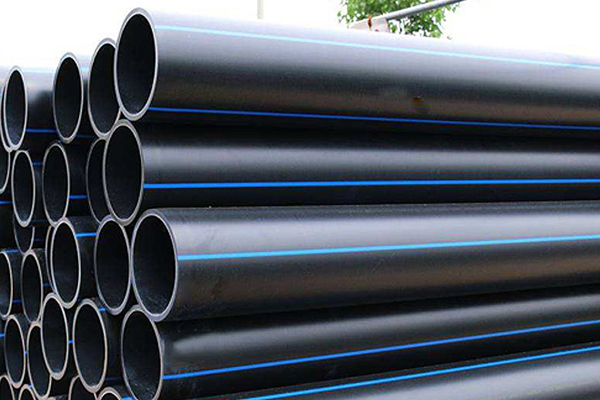
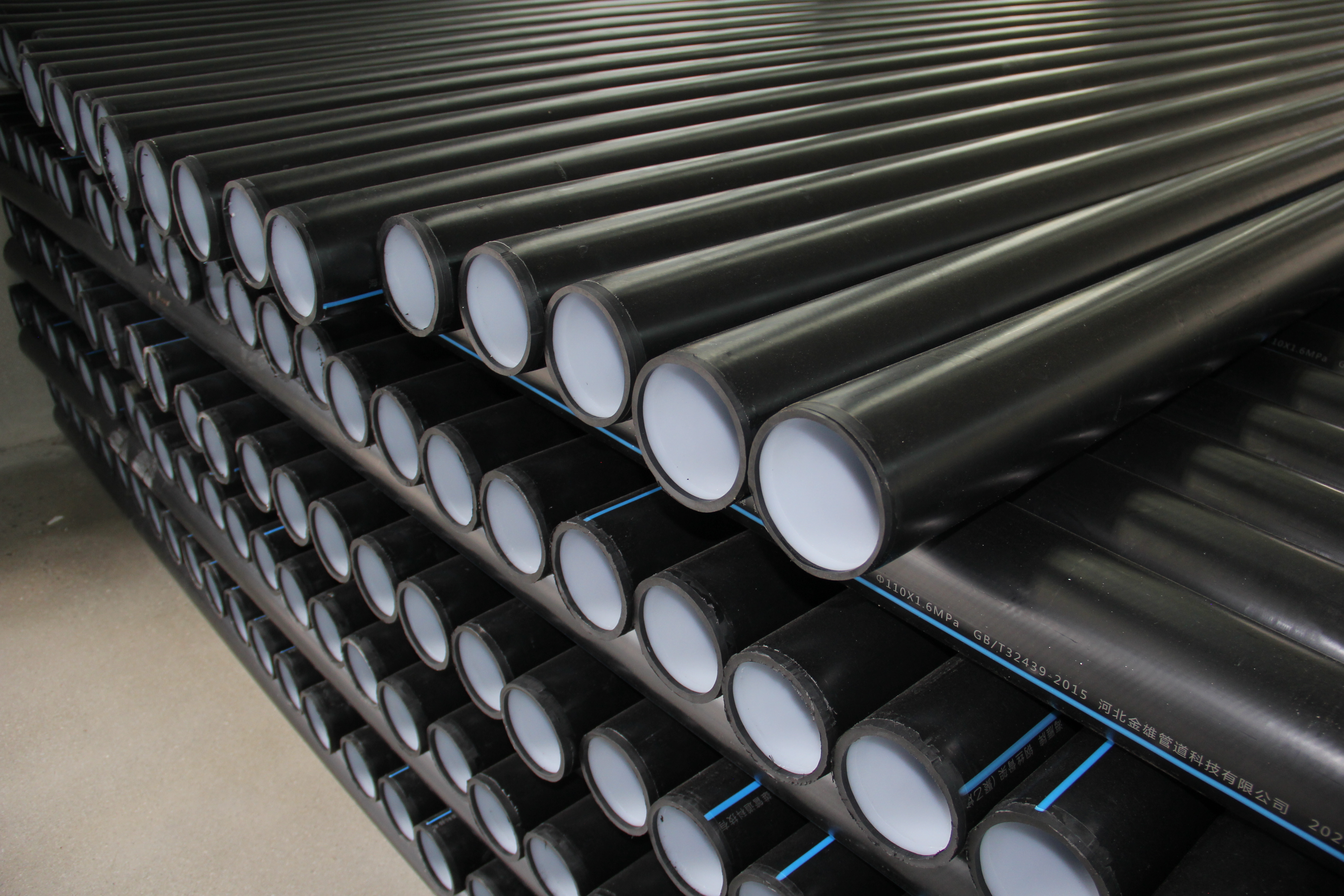
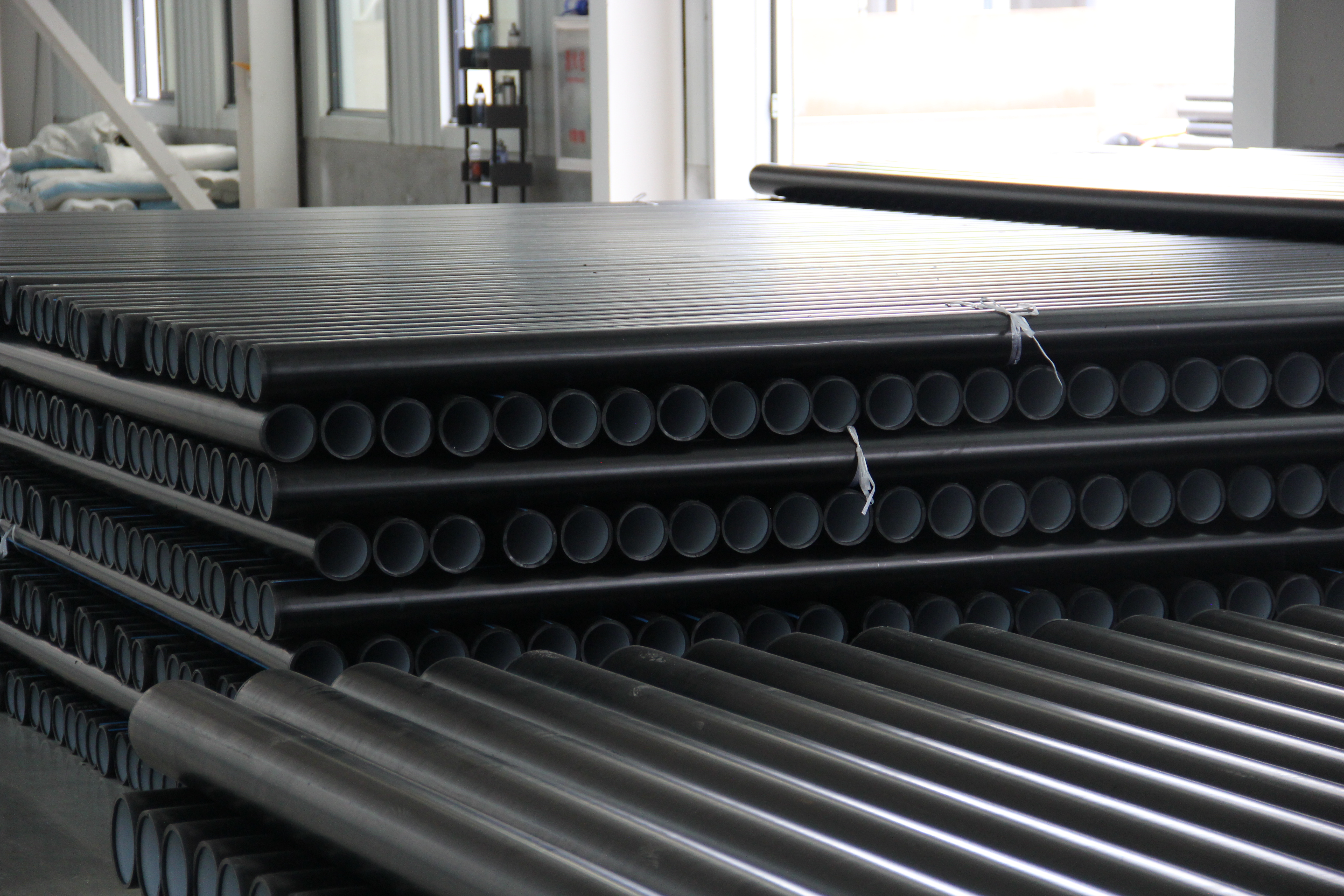
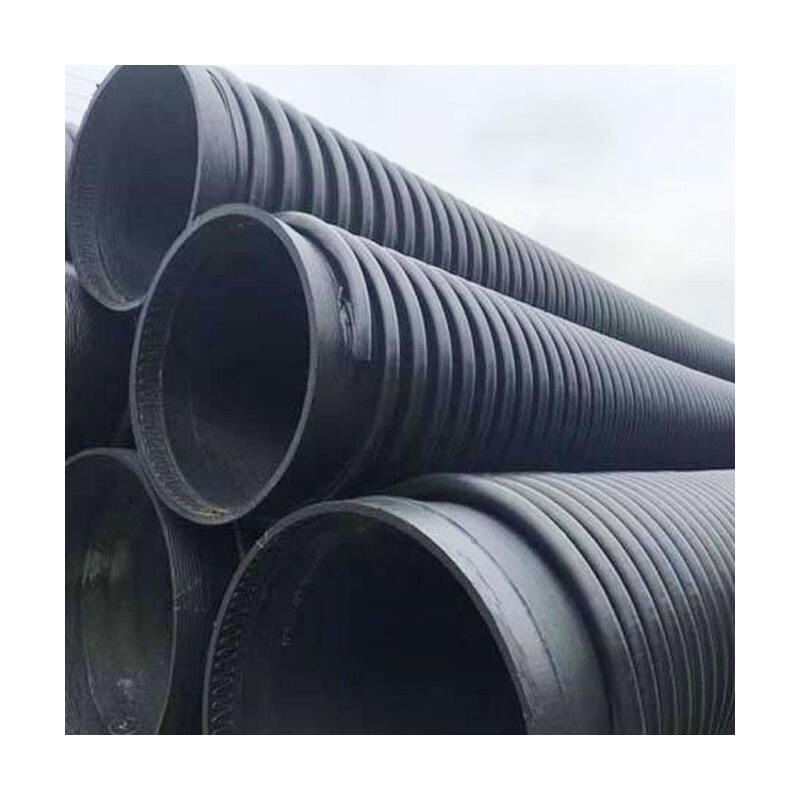
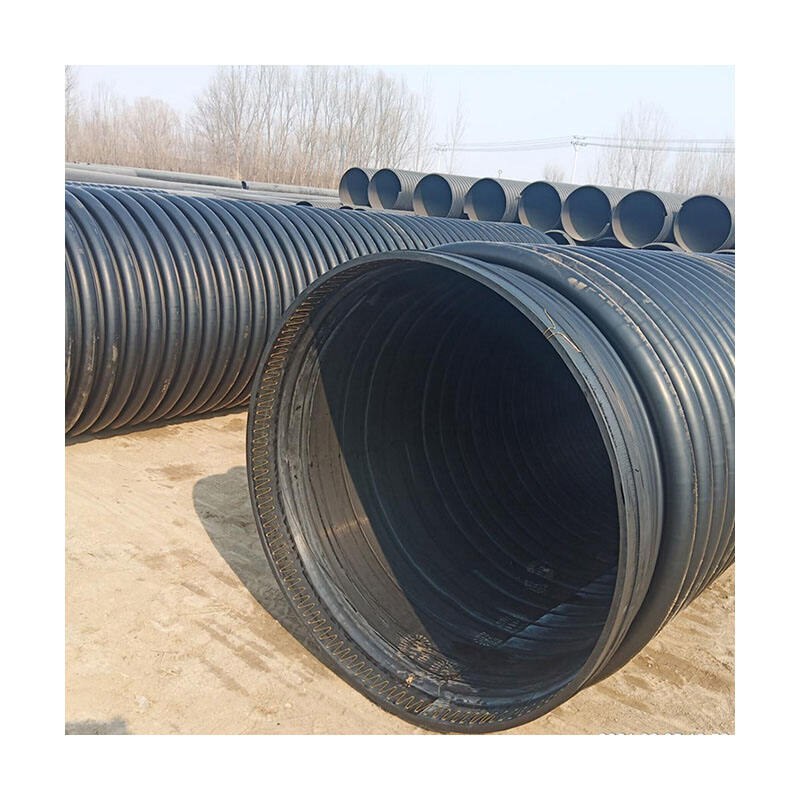
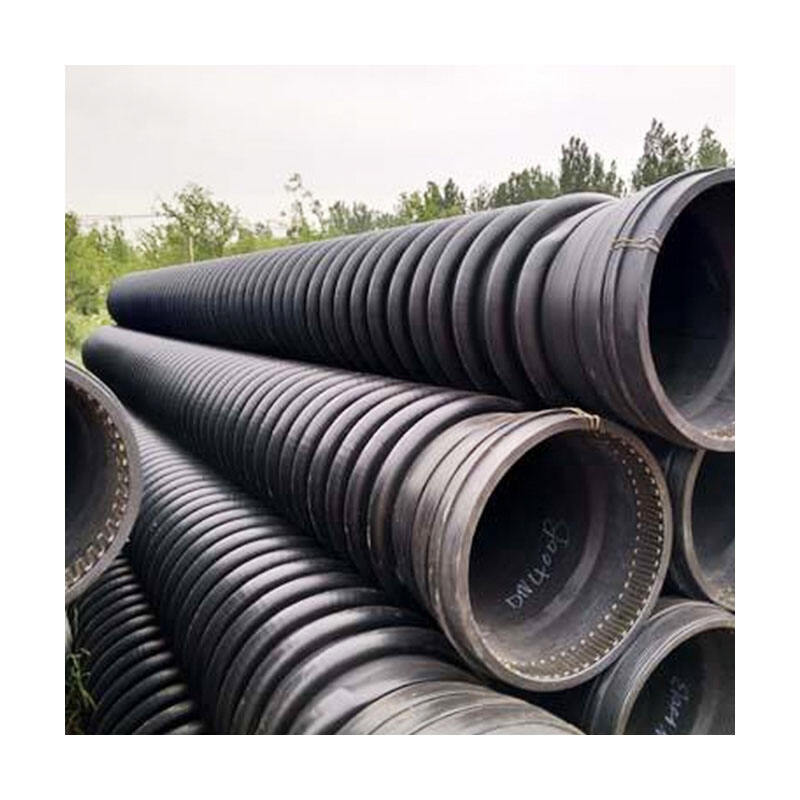
The hydraulic performance of krah pipes for sewer systems represents a significant advancement in wastewater conveyance technology, delivering superior flow characteristics that optimize system efficiency and reduce operational costs. The manufacturing process creates an exceptionally smooth interior surface with minimal roughness coefficients, typically achieving Manning's n values below 0.009, which substantially improves flow velocity and capacity compared to conventional pipe materials. This smooth surface finish in krah pipes for sewer applications prevents the accumulation of grease, sediments, and other debris that commonly cause blockages in traditional systems, reducing maintenance requirements and extending service intervals. The consistent internal diameter maintained throughout the pipe length ensures predictable hydraulic behavior, enabling precise flow calculations and system optimization. Engineering studies demonstrate that krah pipes for sewer networks can convey up to 15% more flow than equivalent diameter concrete pipes under identical slope conditions, allowing designers to use smaller pipe sizes or achieve better performance with existing dimensions. The hydraulic advantages extend to reduced pumping energy requirements in pressurized systems, as the smooth surfaces minimize friction losses and allow pumps to operate more efficiently. Self-cleaning velocities are achieved at lower flow rates in krah pipes for sewer installations, helping maintain system capacity and preventing the buildup of hydrogen sulfide-producing deposits that cause odor problems. The pipes' resistance to chemical attack ensures that surface roughness remains constant over time, unlike concrete pipes that can develop rough surfaces due to acid corrosion from sewage gases. Flow modeling software can accurately predict performance characteristics due to the consistent manufacturing tolerances and surface properties of krah pipes for sewer systems, enabling optimal design solutions. The hydraulic efficiency benefits translate directly into economic advantages through reduced energy costs, lower maintenance expenses, and improved system reliability throughout the operational lifetime of the infrastructure investment.