PVC Pipe Heat Resistance: Superior Thermal Performance for Industrial and Commercial Applications

Get a Free Quote

Our representative will contact you soon.
Email
Mobile
Name
Message
0/1000

pvc pipe heat resistance

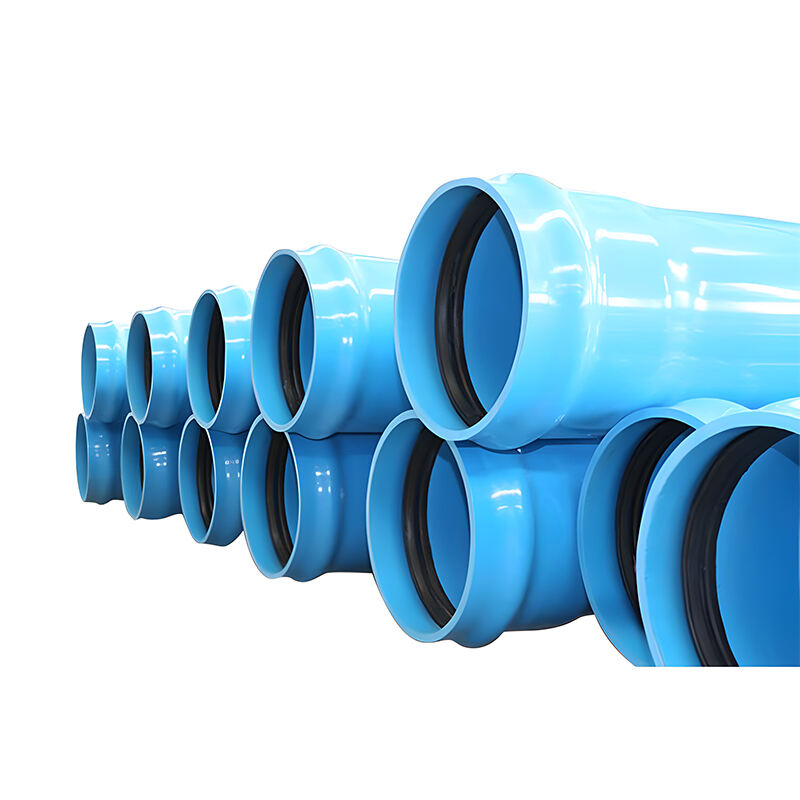
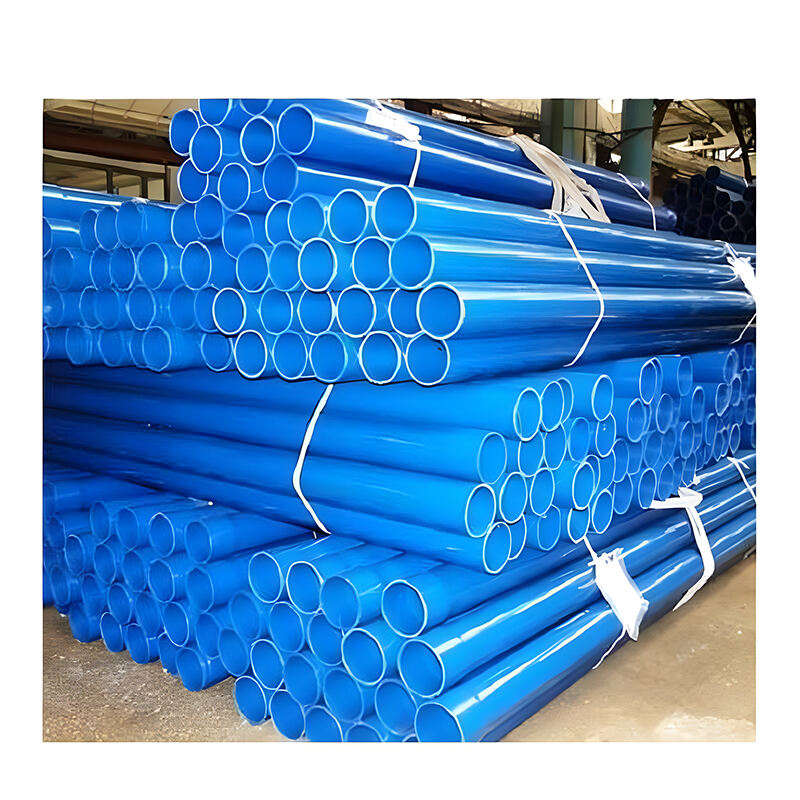
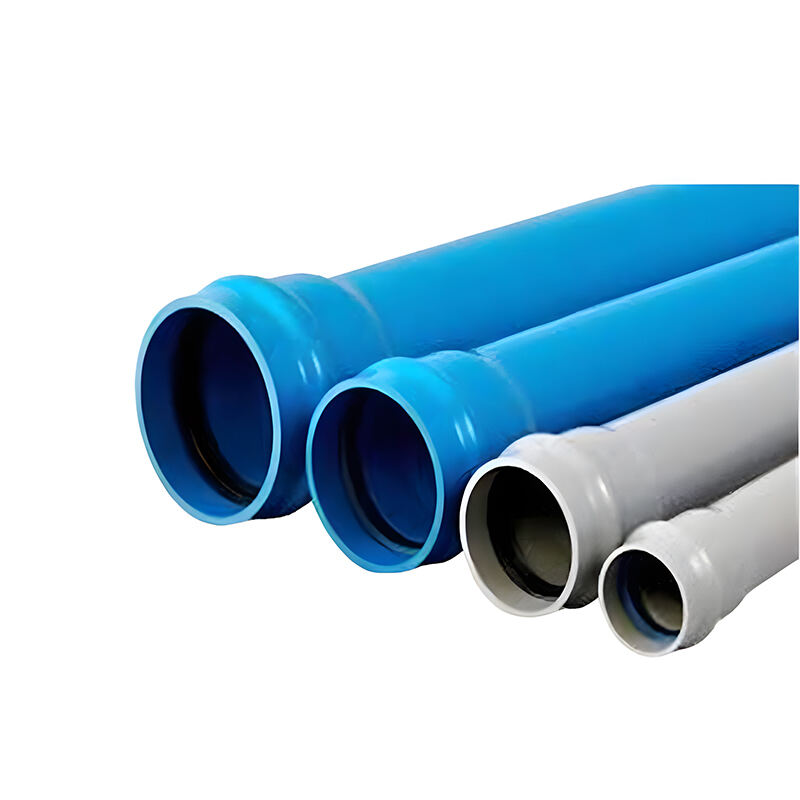
PVC pipe heat resistance represents a critical performance characteristic that determines how polyvinyl chloride piping systems withstand elevated temperatures in various applications. Understanding PVC pipe heat resistance is essential for engineers, contractors, and facility managers who need reliable piping solutions in demanding thermal environments. The heat resistance properties of PVC pipes are fundamentally linked to the material's molecular structure and manufacturing processes, which create a balance between flexibility and thermal stability. Standard PVC pipes typically maintain their structural integrity at continuous operating temperatures up to 140°F (60°C), while specialized heat-resistant formulations can handle even higher thermal loads. The technological features of PVC pipe heat resistance include enhanced polymer chains that resist thermal degradation, specialized additives that maintain dimensional stability under heat stress, and manufacturing techniques that optimize the material's crystalline structure. These features work together to prevent pipe deformation, maintain joint integrity, and ensure long-term system reliability. The main functions of PVC pipe heat resistance encompass protecting the piping system from thermal expansion and contraction, maintaining flow characteristics under temperature variations, and preserving chemical compatibility in heated environments. Applications for heat-resistant PVC pipes span multiple industries, including commercial HVAC systems, industrial process piping, hot water distribution networks, and chemical processing facilities. In residential settings, PVC pipe heat resistance proves valuable for hot water supply lines, radiant heating systems, and solar heating applications. The material's ability to withstand thermal cycling without cracking or becoming brittle makes it an excellent choice for applications where temperature fluctuations are common. Manufacturing processes for heat-resistant PVC pipes involve careful selection of stabilizers, impact modifiers, and processing aids that enhance thermal performance while maintaining the material's inherent advantages such as corrosion resistance and cost-effectiveness.

New Products

The advantages of PVC pipe heat resistance deliver substantial practical benefits that directly impact system performance, maintenance costs, and operational reliability across diverse applications. First and foremost, enhanced durability stands as a primary advantage, as PVC pipe heat resistance prevents premature failure caused by thermal stress, thereby extending system lifespan and reducing replacement frequency. This durability translates into significant cost savings over time, as facility managers avoid frequent pipe replacements and associated labor expenses. The thermal stability provided by PVC pipe heat resistance ensures consistent performance even when ambient temperatures fluctuate, making these systems particularly valuable in environments with variable heating loads or seasonal temperature changes. Maintenance requirements decrease substantially when using heat-resistant PVC pipes, as the material resists thermal degradation that typically leads to joint failures, leaks, and system downtime. Installation flexibility represents another key advantage, as PVC pipe heat resistance allows contractors to use these systems in applications previously requiring more expensive materials like copper or steel. The lightweight nature of PVC pipes, combined with their heat resistance properties, simplifies handling and installation procedures while maintaining performance standards in elevated temperature environments. Energy efficiency benefits emerge from the thermal properties of PVC pipe heat resistance, as the material's low thermal conductivity helps minimize heat loss in distribution systems, leading to reduced energy consumption and lower utility bills. Chemical compatibility remains intact even at elevated temperatures, ensuring that PVC pipe heat resistance maintains the material's inherent resistance to corrosion, scaling, and chemical attack. This chemical stability proves particularly valuable in industrial applications where heated fluids may contain aggressive substances that would damage other piping materials. Cost-effectiveness becomes evident when comparing PVC pipe heat resistance solutions to alternative materials, as the initial investment remains lower while providing comparable or superior thermal performance. The manufacturing consistency of heat-resistant PVC pipes ensures reliable quality standards across different production runs, giving specifiers confidence in system design parameters and performance expectations. Long-term dimensional stability represents a crucial advantage, as PVC pipe heat resistance prevents the warping, sagging, and joint separation that can occur when standard materials experience thermal stress, maintaining proper system alignment and flow characteristics throughout the service life.

Practical Tips

HDPE Pipe: Key Material for Modern Pipe Systems

18

Sep

HDPE Pipe: Key Material for Modern Pipe Systems

View More
Maximizing Efficiency with Dredging Pipelines: A Comprehensive Guide

24

Jun

Maximizing Efficiency with Dredging Pipelines: A Comprehensive Guide

Explore the role of booster pumps in optimizing dredging pipeline efficiency, enhancing slurry velocity, and reducing operational costs. Understand strategic placement, calculate critical velocities, and delve into advanced technologies for modern dredging operations using HDPE solutions.
View More
Choosing the Right HDPE Pipes for Your Industrial Applications

24

Jun

Choosing the Right HDPE Pipes for Your Industrial Applications

Discover the core selection criteria for industrial HDPE pipes, including pressure and temperature specifications, chemical resistance, and application-specific considerations for industries like water management, oil & gas, and mining operations. Learn about HDPE's advantages in corrosion resistance, long-term durability, and environmental impact, along with best practices for installation and maintenance. Perfect for those seeking sustainable and efficient industrial solutions.
View More
PVC-U Pipes: The Ultimate Solution for Well Construction – Unmatched Performance and Durability

04

Jun

PVC-U Pipes: The Ultimate Solution for Well Construction – Unmatched Performance and Durability

View More

Get a Free Quote

Our representative will contact you soon.
Email
Mobile
Name
Message
0/1000

pvc pipe heat resistance

Superior Thermal Stability for Extended Service Life

Superior Thermal Stability for Extended Service Life

The thermal stability characteristics of PVC pipe heat resistance create an exceptional foundation for long-term system reliability that surpasses conventional piping materials in challenging temperature environments. This superior thermal stability stems from advanced polymer formulations that maintain molecular integrity when exposed to elevated temperatures, preventing the degradation processes that typically compromise pipe performance over time. The molecular structure of heat-resistant PVC pipes incorporates specialized stabilizers and additives that work at the chemical level to resist thermal breakdown, ensuring that the material maintains its physical properties even during prolonged exposure to high temperatures. This stability translates into practical benefits that facility managers and engineers can measure in terms of reduced maintenance schedules, fewer emergency repairs, and extended replacement intervals. The thermal cycling resistance built into PVC pipe heat resistance systems allows them to withstand repeated heating and cooling cycles without developing stress cracks or joint failures that plague other materials. This capability proves particularly valuable in applications such as solar heating systems, where daily temperature variations create continuous thermal stress on piping components. The dimensional stability provided by superior thermal characteristics ensures that pipe joints remain tight and secure throughout temperature fluctuations, preventing leaks that could compromise system efficiency or cause property damage. Manufacturing quality control processes for heat-resistant PVC pipes include rigorous testing protocols that verify thermal performance under accelerated aging conditions, providing assurance that the material will maintain its properties throughout its intended service life. The economic impact of this superior thermal stability becomes evident through lifecycle cost analysis, where the extended service life of PVC pipe heat resistance systems more than compensates for any initial premium over standard materials. Field experience across various industries has demonstrated that properly specified heat-resistant PVC pipes can provide decades of reliable service in applications where temperature stress would quickly compromise alternative materials, making them an intelligent investment for both new construction and system upgrades.
Versatile Application Range Across Multiple Industries

Versatile Application Range Across Multiple Industries

The versatile application range enabled by PVC pipe heat resistance opens up extensive opportunities across multiple industries, providing engineers and contractors with a single material solution that can address diverse thermal requirements while maintaining cost-effectiveness and installation efficiency. This versatility stems from the engineered thermal properties that allow PVC pipe heat resistance systems to function reliably in applications ranging from residential hot water distribution to industrial process piping, where temperature requirements vary significantly but performance expectations remain consistently high. Commercial HVAC applications represent a major sector where PVC pipe heat resistance delivers exceptional value, as these systems must handle heated water circulation, glycol solutions, and variable temperature loads while maintaining dimensional stability and joint integrity throughout seasonal operation cycles. The ability of heat-resistant PVC pipes to accommodate these diverse thermal loads while providing excellent chemical compatibility makes them ideal for modern HVAC systems that incorporate multiple heat sources and distribution methods. Industrial process applications benefit tremendously from the versatility of PVC pipe heat resistance, particularly in chemical processing facilities where elevated temperatures combine with aggressive chemical environments to create challenging conditions for piping materials. The thermal and chemical resistance properties work synergistically to provide reliable service in applications such as heated chemical transfer, process cooling systems, and waste treatment facilities where conventional materials would require frequent replacement or expensive corrosion protection measures. Solar heating installations represent an emerging application area where PVC pipe heat resistance provides optimal performance characteristics, as these systems experience significant temperature variations between nighttime cooling and peak solar collection periods. The thermal cycling resistance and dimensional stability of heat-resistant PVC pipes make them particularly well-suited for solar collectors, distribution piping, and storage system connections where thermal stress management is critical for long-term performance. Geothermal applications also benefit from the versatile properties of PVC pipe heat resistance, as these systems require materials that can handle both the thermal loads from ground source heat exchangers and the chemical conditions present in groundwater environments. The broad temperature range capability of modern heat-resistant PVC formulations allows system designers to specify a single material type across multiple application areas, simplifying inventory management, installation procedures, and maintenance protocols while ensuring consistent performance standards throughout the facility.
Cost-Effective Performance with Easy Installation Benefits

Cost-Effective Performance with Easy Installation Benefits

The cost-effective performance characteristics of PVC pipe heat resistance, combined with significant installation advantages, create compelling economic benefits that make these systems attractive for both new construction projects and retrofit applications where budget considerations must be balanced against performance requirements. This cost-effectiveness begins with the material pricing advantage that PVC pipe heat resistance maintains compared to metal alternatives such as copper, stainless steel, or specialized alloys that were traditionally required for elevated temperature applications. The manufacturing efficiencies achieved through modern PVC production processes allow heat-resistant formulations to be produced at competitive pricing points while delivering thermal performance that meets or exceeds the requirements of most commercial and industrial applications. Installation cost savings represent a substantial portion of the economic benefits provided by PVC pipe heat resistance systems, as the lightweight nature of PVC pipes significantly reduces labor requirements for handling, positioning, and securing piping runs compared to heavier metal alternatives. The ease of cutting, fitting, and joining PVC pipes using standard tools and solvent welding techniques allows installation crews to work more efficiently, reducing project timelines and associated labor costs while maintaining high quality joint connections that provide long-term reliability. The compatibility of PVC pipe heat resistance systems with standard PVC fittings and accessories eliminates the need for specialized components that could increase material costs or complicate inventory management, allowing contractors to leverage existing supply relationships and stocking arrangements. Maintenance cost advantages emerge over the service life of PVC pipe heat resistance installations, as the material's inherent corrosion resistance eliminates the need for protective coatings, cathodic protection systems, or periodic replacement of corroded sections that are common with metal piping in thermal applications. The smooth interior surfaces of PVC pipes maintain their flow characteristics throughout the system's service life, preventing the buildup of scale or corrosion products that reduce system efficiency and increase pumping costs in metal piping systems. Energy efficiency benefits contribute to the overall cost-effectiveness of PVC pipe heat resistance systems, as the low thermal conductivity of PVC reduces heat loss from distribution piping, leading to lower energy consumption and reduced utility costs compared to highly conductive metal alternatives. The long service life potential of properly installed PVC pipe heat resistance systems creates favorable lifecycle cost comparisons, as the combination of low initial investment, minimal maintenance requirements, and extended replacement intervals results in superior return on investment compared to alternative materials that may offer comparable thermal performance but at significantly higher total ownership costs.

Inquiry PVC Pipe Heat Resistance: Superior Thermal Performance for Industrial and Commercial Applications Inquiry PVC Pipe Heat Resistance: Superior Thermal Performance for Industrial and Commercial Applications PVC Pipe Heat Resistance: Superior Thermal Performance for Industrial and Commercial Applications PVC Pipe Heat Resistance: Superior Thermal Performance for Industrial and Commercial Applications
Write down your question

We are not only a product manufacturer, but also a solution provider. Whether you have questions or quotation requests, we will help you.

Get a Quote

Contact Us

Your email address will not be published. Required fields are marked *
Email
Name
Mobile
Message
0/1000