definitio tubi dwv
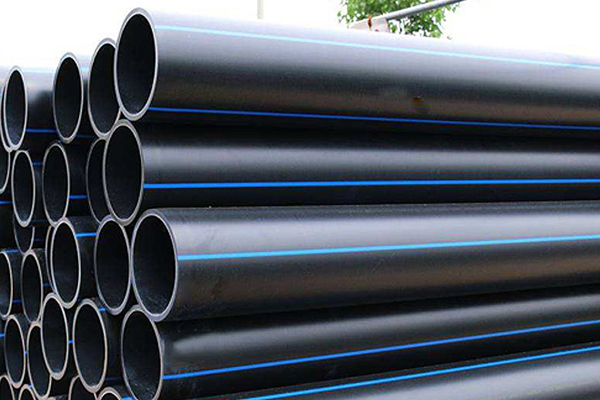
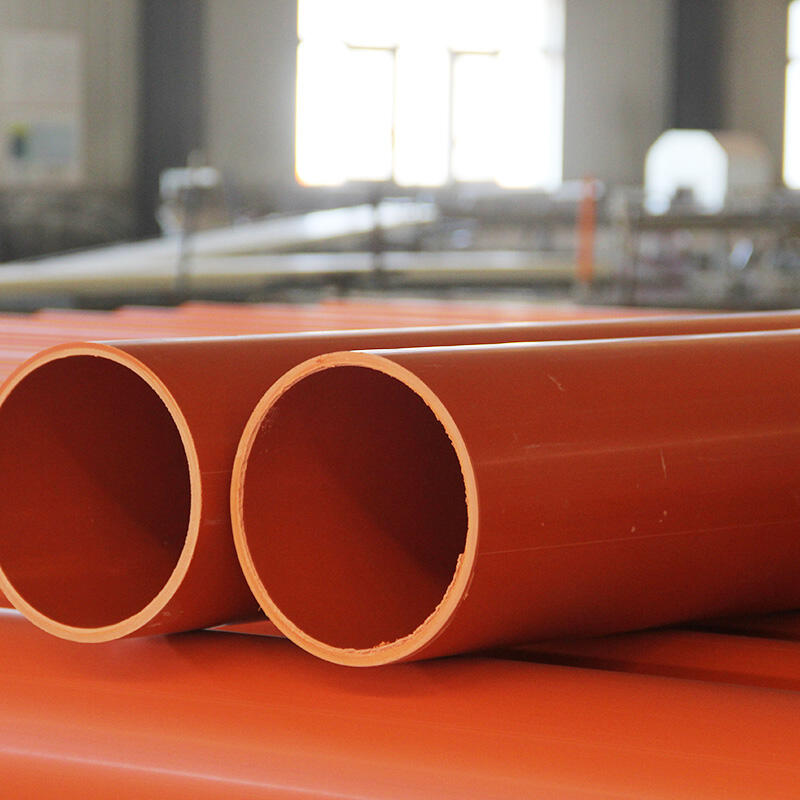
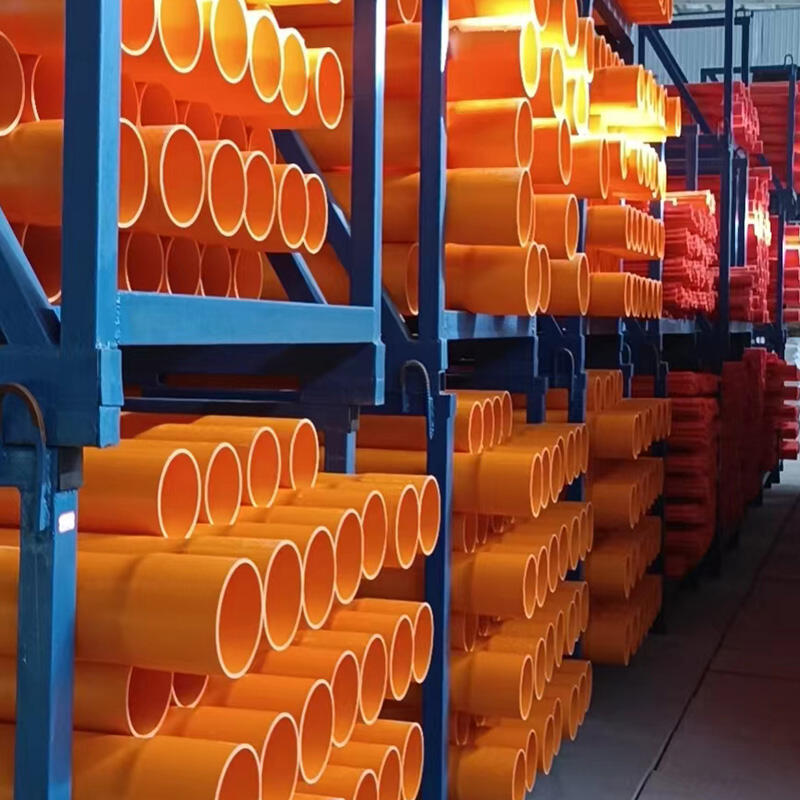
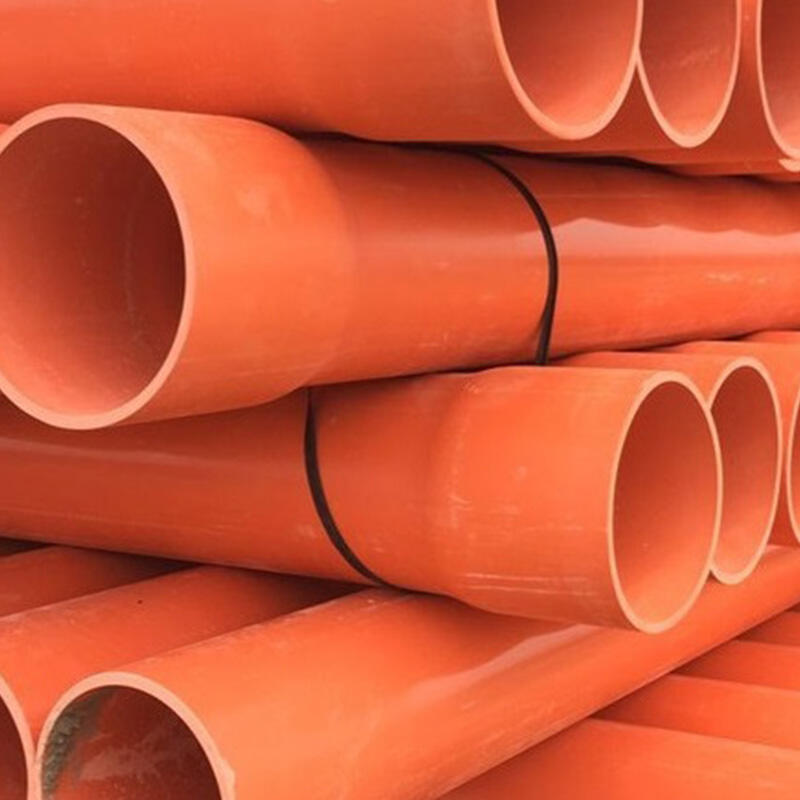
Definitio tuborum dwv attinet ad systema cloacale, excrementitium et ventilatorium quod columnam vertebralem hodiernae aedificiorum structurae format. Tubuli DWV funguntur ut canales necessarii qui aquas sordes, faeces et noxias aerationes e domibus, aedificiis publicis atque industrialibus tutissime removeant. Definire tubos dwv requirit agnitionem trium partium principalium: tubos dejectitios, qui liquidas inquinamenta ab instrumentis avolvent; tubos fæces ferentes, qui materia solida et fragmenta vehunt; tubos ventilatorios, qui pressionem aëris rectam servant simulque impediant ne periculosa aerationes cloacarum in loca habitata irruant. Hi speciales tubuli systematibus gravitatis utuntur, declinationes et angulos habentes ut fluxus efficiens tueatur et obstructiones prohibeat. Definitio tuborum dwv variis materialibus comprehendit, ut PVC, ABS plastice, ferro fuso et cupro, quae singillatim propter peculiares conditiones installationis, locales leges aedificandi et conditiones ambientales eliguntur. Hodiernae normae definitionis tuborum dwv resistentiam corrosioni, firmitatem et proprietates dilationis thermalis spectant, quae integritatem structuralem per decennia usus continuati servent. Caracteres technici in definitione tuborum dwv innati sunt diametrorum praecisio, interna superficies leves quae frictionem minuunt, et iuncturae regulatae quae coniunctiones sine effusione firmant. Installatores periti in regulis definitionis tuborum dwv innixi systemata rite dimensionata efficiunt, quae summas fluxuum sustinent nullam actionem imminuentes. Applicationes systematum secundum definitionem tuborum dwv in latrinis, cloacis culinaribus, nexibus lavandriae, cloacis pavimentalibus et inplexis retibus aedificiorum pluristoriatorum patet. Definitio tuborum dwv applicationes etiam speciales complectitur, ut gubernatio aquarum pluviarum, excrementorum industrialium evacuatio et drenatio aedificiorum medicaeorum ubi contaminatio est maximi momenti. Cognitio definitionis tuborum dwv dominis facultatem dat recte iudicandi de meliorationibus systematis, curarum temporibus et consensione cum regulis ambientalibus mutantibus, quae abiiciendi sterquilinii et protectionem sanitatis publicae regunt.