



Контролни список за одржавање есенцијалних цевоводих за драгажу
Savremeni projekti građevinarstva na moru i razvoja luka u velikoj meri zavise od efikasnih operacija iskopavanja radi održavanja plovnih vodnih putova i stvaranja novih kopnenih površina. Uspeh ovih operacija u osnovi zavisi od pouzdanosti i performansi цевовод за драгирање sistema. Dobro održavana cevovodna linija za iskopavanje osigurava kontinuiran transport materijala, smanjuje vreme prostoja u radu i sprečava skup remont koji bi mogao zaustaviti čitave projekte tokom nedelja. Razumevanje ključnih zahteva za održavanje ovih specijalizovanih sistema od suštinskog je značaja za menadžere projekata, morske inženjere i izvođače iskopavanja koji žele da maksimalno produže vek opreme uz istovremeno održavanje vršne operativne efikasnosti.
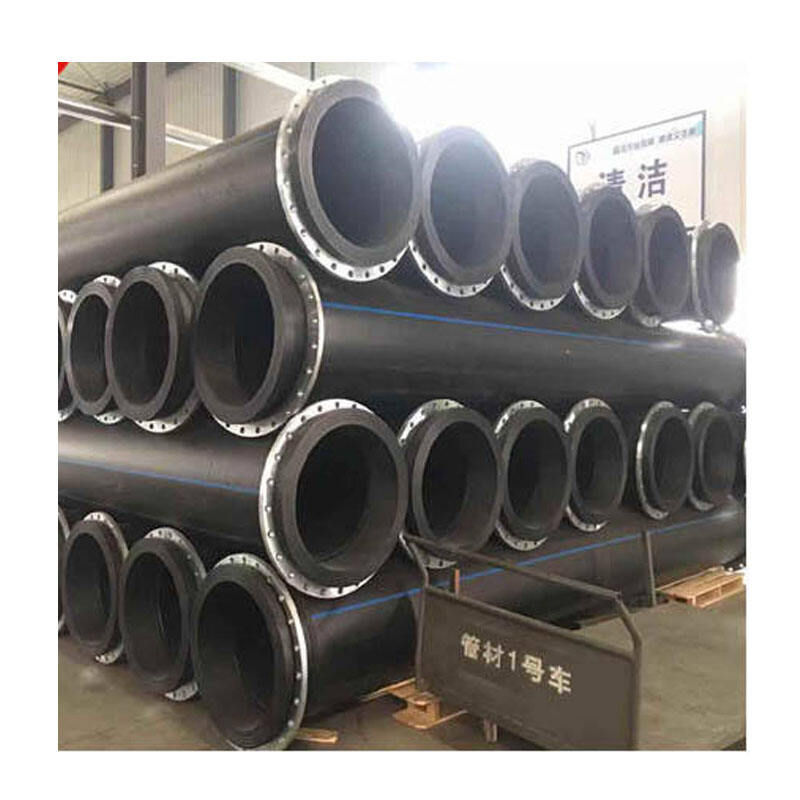
Razumevanje komponenti sistema cevovoda za iskopavanje
Primarna infrastruktura cevovoda
Основни део сваке операције багеровања чини више повезаних сегмената цевовода који транспортују кашасту материју са локације багеровања до одређених места испуштања. Ови сегменти обично укључују плутајуће делове цевовода, прикључке на обали и пумпне станице за подизање притиска које одржавају адекватан притисак на целом систему. Сваки елемент мреже цевовода за багеровање захтева специфичне протоколе одржавања како би се осигурало оптимално функционисање и спречиле отказивања система која би могла довести у опасност целокупну операцију.
Трубе од полиетилена високе густине постале су индустријски стандард за многе апликације за дноукопљење због њихове изузетне отпорности на абразију, корозију и оштећење удара. Карактеристике материјала од ХДПЕ-а омогућавају овим цевима да издржавају сушне услове које се могу наћи током операција дрогаже, укључујући излагање соленој води, честицама песка и променљивим притисцима. Редовни преглед дебљине зидова цеви, чврстоће зглобова и тачака за спој помаже у откривању потенцијалних слабих места пре него што се развију у скупе неуспјехе.
Системи подршке и прибор
Подржавна инфраструктура игра кључну улогу у одржавању стабилности и оперативне ефикасности драггирања цевовода. Уређаји за плутање, системи за закотвљење и флексибилни спојци морају се редовно прегледати и одржавати како би се спречило померање цевовода током штетних временских услова или промена плима и плима. Ови системи подршке доживљавају константни стрес од деловања таласа, струјних снага и тежине муке која се преноси кроз цевовод.
Системи спојка и заппртне плоче захтевају посебну пажњу током инспекција одржавања, јер су ове компоненте најпогодније за знојење и оштећење. Интегритет ових веза директно утиче на укупну ефикасност дренажног цевовода, јер чак и мали цурења могу значајно смањити систем притисак и капацитет за транспорт материјала. Употреба систематског приступа одржавању спојних уређаја помаже у спречавању неочекиваних отказа и одржавању доследног оперативног перформанса.
Стратегије превентивног одржавања
Протоколи дневних инспекција
Успостављање свеобухватних дневних рутина инспекције представља основу ефикасног одржавања дноводних цевовода. Ове инспекције треба да се усредсреде на визуелну процену сегмената цевовода, проверу на знаке зноја, оштећења или померања који би могли указивати на развој проблема. Оператори би требало да документују позиционирање цеви, стање уређаја за плутање и све видљиве промене у конфигурацији цевовода које би могле утицати на перформансе или безбедност.
Контрола притиска током целог цевовод за драгирање систем пружа драгоцену информацију о оперативној ефикасности и потенцијалним блокацијама или цурењама. Одржавање детаљних дневника притиска помаже у идентификовању трендова који могу указивати на постепено погоршање система или потребу за интервенцијама одржавања. Ове дневне активности праћења омогућавају рано откривање проблема пре него што се прерасте у велике оперативне проблеме.
Планирани интервали одржавања
Увеђење структурираних распореда одржавања заснованих на радном времену, количини транспортованог материјала и условима животне средине осигурава систематску негу свих компоненти цевопровода за драгажу. Свакоседне активности одржавања обично укључују детаљну инспекцију зглобова цеви, система за спој и подржавачких структура, заједно са мазивањем покретних делова и заменом издржених потрошних предмета.
Месечне процедуре одржавања треба да обухватају свеобухватно тестирање система, укључујући тестирање притиска сегмената цевоводима, инспекцију резервне опреме и верификацију процедура за реаговање у ванредним случајевима. Ове вишеобширне активности одржавања помажу у идентификовању потенцијалних проблема који можда неће бити очигледни током свакодневних инспекција, истовремено осигуравајући да сви безбедносни и резервни системи остану у потпуности оперативни.
Критичне контролне тачке за одржавање
Проценац интегритета зида цеви
Редовно процену дебљине зида цеви и структурне интегритет представља један од најкритичнијих аспеката одржавања дргова цеви. Ултразвучни инструменти за мерење дебљине пружају тачне податке о стању зида цеви, помажући у идентификовању подручја у којима су абразија или корозија могу смањити дебљину материјала испод безбедних радних граница. Ова информација омогућава проактивну замену оштећених секција пре него што се појави неуспех.
Визуелне технике инспекције могу открити оштећење површине, пукотине или друге индикаторе структурних оштећења који захтевају хитну пажњу. Документирање локације и тежине било ког идентификованог проблема помаже тимовима за одржавање да одреде приоритете за поправке и планирају распореде замене. Разумевање очекивања трајања различитих компоненти цевопровода за драгажу под специфичним условама рада подржава прецизније планирање одржавања и распоређивање буџета.
Услуга одржавања точка за повезивање
Површице саводице цевоводне пруге доживљавају највише нивое стреса у целом систему и захтевају најчешћу пажњу одржавања. Ови зглобови морају да задовољавају кретање од дејства таласа, топлотне експанзије и оперативног притиска, док одржавају водонепроникне пломбе. Редовно прегледавање запкова, болтова и плоча за запљуштање помаже да се спрече пропустови који би могли угрозити ефикасност система.
Правилно одржавање спецификације окретача на вртићима за повезивање осигурава оптимално запљуштање без претераног напетости спојних компоненти. Употреба калибрисаних алата за вртежни момент и праћење спецификација произвођача помаже одржавању конзистентног квалитета везе током цевоводне системе за драгаже. Замена пломби и затварачких елемената треба да се врши у складу са унапред одређеним распоредом на основу услова рада и спецификација материјала.
Узимање у обзир животне средине и прилагођавање
Фактори одржавања који су повезани са временом
Услови животне средине значајно утичу на захтеве за одржавање цевоводима за драгажу и оперативне процедуре. Екстремни временски догађаји, сезонске промене температуре и промене моралних услова утичу на распоред одржавања и приоритете. Операције у хладном времену могу захтевати додатну пажњу на флексибилне везе и материјале за заплет који би могли постати крхки под ниским температурама.
Процедуре припреме за олује треба да укључују обезбеђивање лабавих секција цевопровода, проверу система закотвења и осигурање да све особље јасно разуме процедуре за хитно одвајање. Инспекције након олује помажу у идентификовању било каквих оштећења или померања који су се догодили током неспречних услова, што омогућава брзу поправку пре пуног поновног покретања операција.
Изозображења морске средине
Излагање соленој води ствара јединствену проблему одржавања система цевоводима за драгажу, посебно у погледу спречавања корозије и избора материјала. Иако ХДПЕ цеви пружају одличну отпорност на корозију, металне компоненте у систему захтевају редовну инспекцију и одржавање заштитног премаза како би се спречило погоршање. Разумевање интеракције између различитих материјала у морској средини помаже у оптимизацији приступа одржавању.
Морски раст на површини цевоводима и подршке структуре могу утицати на перформансе система и створити додатне захтеве за одржавање. Редовни распореди чишћења помажу да се спречи прекомерно накупљање што би могло утицати на плутање цеви или створити ограничења проток. Увеђење одговарајућих стратегија против опекотања смањује учесталост потребних чишћења, а истовремено одржава оптималне перформансе система.
Потреба за опремом и алатом
Основни алати за одржавање
Ефикасно одржавање цевоводима за драгажу захтева специјализоване алате и опрему дизајниране за морска окружења и апликације цевоводима. Ултразвучни метери дебелине, опрема за тестирање притиска и алати за мерење крутног момента чине језгро било ког комплексног кутије за одржавање. Ови прецизни инструменти омогућавају тачну процену стања система и осигурају да процедуре одржавања испуњавају потребне спецификације.
Привлачна опрема за заваривање и резање може бити потребна за поправке на терену и модификације система цеви за драгажу. Ако имамо на располагању одговарајуће материјале и алате за поправку, минимализирамо време за неисправно одржавање када се непредвиђено деси нешто. Одређени инвентар резервних делова, запкова и потрошљивих производа помаже у ефикасној одржавању.
Заштитна опрема и процедуре
Све активности одржавања на системима цевоводима за драгажу захтевају одговарајућу опрему и процедуре за заштиту особља и опреме. Лични уређаји за пловидбу, сигурносни појаси и опрема за комуникацију су од суштинског значаја за особље које ради на води или у близини воде. Успостављање јасних безбедносних протокола и процедура за реаговање у хитним случајевима помаже у спречавању несрећа током операција одржавања.
Опрема за детекцију гаса постаје неопходна када се ради у затвореном простору или подручју где се могу акумулирати опасни гасови. Разумевање потенцијалних опасности за безбедност повезаних са одржавањем цевоводима за драгажу помаже да се обезбеди да се примене одговарајуће предострожности за све активности одржавања.
Контрола и документација о резултатима
Системи за прикупљање података
Увеђење свеобухватних система прикупљања података омогућава ефикасно праћење перформанси цевоводих за драгажу и потребе за одржавањем. Цифрови системи за снимање могу пратити мерење притиска, проток и оперативне параметре који пружају увид у здравље и ефикасност система. Ове информације подржавају приступе предвиђања одржавања који могу спречити неуспехе пре него што се појаве.
У извештају о одржавању треба да се наведе детаљне информације о свим резултатима инспекције, извршеним поправкама и замене компоненти. Ови историјски подаци помажу у идентификовању обрасца у захтевима за перформансом опреме и одржавањем који подржавају ефикасније планирање и распоређивање ресурса за будуће операције.
Анализа и оптимизација перформанси
Редовна анализа података о перформанси помаже у идентификовању могућности за побољшање ефикасности цевопровода за драгажу и смањење захтева за одржавање. У поређењу са стварним перформансима према дизајнерским спецификацијама открива се да ли систем ради у оквиру очекиваних параметара или су потребне прилагођавања за оптимизацију перформанси.
Анализа трендова података о одржавању помаже у предвиђању када ће главне компоненте можда требати замену или значајну поправку. Ове информације подржавају дугорочно планирање и буџетирање за операције бацања цевоводима, док помажу у минимизацији неочекиваног времена простора и повезаних трошкова.
Често постављене питања
Колико често би система цевовода за драгажу требало да се подвргну свеобухватној инспекцији
Свеобухватне инспекције цевоводима за драгажу треба да се спроводе месечно током активних операција, са свакодневним визуелним проверама и недељним детаљним проценама критичних компоненти. Честоћа инспекције може бити потребна за повећање током тешких временских услова или када се превозе посебно абразивни материјали. Годишње свеобухватне евалуације треба да укључују детаљну структурну анализу и комплетна тестирање система како би се осигурала дугорочна поузданост.
Које су најчешће тачке неуспеха у системам цевоводима за драгажу
Најчешће тачке отказивања у системима цевоводима за драгажу се јављају на зглобовима за повезивање, где механички стрес и деградација запечатка могу довести до пропуска или потпуне неисправности зглобова. Просеци цеви подложне високом абразији од транспортованих материјала такође доживљавају честа проблема са знојем. Поремећаји у флотирању и проблеми са тачкама за закотвење представљају додатне уобичајене режиме повреда који захтевају редовно праћење и пажњу за одржавање.
Како услови животне средине могу утицати на распореде одржавања цевоводима за драгажу
Услови у окружењу значајно утичу на распореде одржавања, а сурово време захтева повећану учесталост инспекција и припреме за олују. Хладне температуре могу захтевати посебну пажњу на флексибилне компоненте и материјале за запломбу, док операције на високим температурама могу захтевати чешће одржавање система хлађења. Раст мора и излагање соленој води стварају трајне потребе за одржавањем које се морају узети у обзир у одлукама о распореду.
Које су безбедносне разматрање најважније током одржавања цевоводице за драгажу
Најкритичнија безбедносна разматрања укључују осигурање да све особље носи одговарајуће личне уређаје за флотацију и опрему за безбедност када ради у близини воде. При радном на притиснутим системима морају се следити одговарајуће процедуре за блокирање/назначивање, а опрема за детекцију гаса треба користити када се ради у затвореном простору. Системи за комуникацију у хитној ситуацији и процедуре спасавања морају бити успостављени и редовно тестирани како би се осигурала безбедност особља током свих активности одржавања.