


Choosing the Right Dredging Pipeline: Buyer's Guide
Selecting the appropriate dredging pipeline system is a critical decision that directly impacts project efficiency, operational costs, and environmental compliance. Modern dredging operations demand robust, flexible pipeline solutions that can withstand harsh marine environments while maintaining optimal flow characteristics for sediment transport. The right dredging pipeline configuration ensures seamless material transfer from excavation points to designated discharge areas, minimizing downtime and maximizing productivity throughout the project lifecycle.
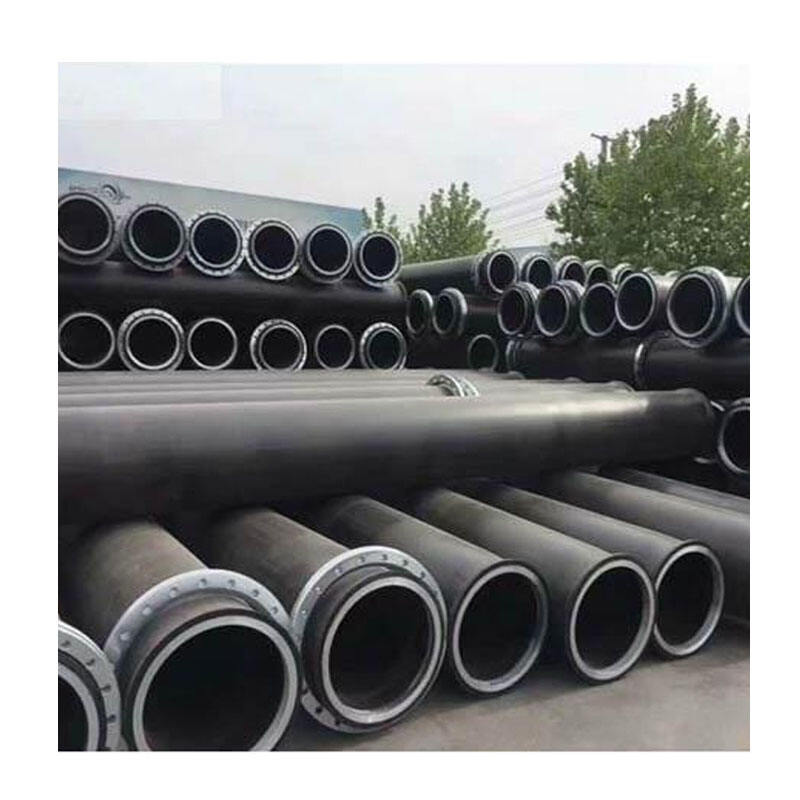
Understanding the fundamental requirements of your specific dredging application serves as the foundation for making informed pipeline selection decisions. Factors such as sediment characteristics, pumping distances, environmental conditions, and project duration all influence the optimal pipeline specification. Professional contractors recognize that investing in quality pipeline systems reduces long-term operational expenses while ensuring regulatory compliance and environmental protection standards are consistently met.
Understanding Dredging Pipeline Materials and Construction
High-Density Polyethylene Pipeline Advantages
High-density polyethylene represents the gold standard in modern dredging pipeline construction due to its exceptional chemical resistance, flexibility, and durability characteristics. HDPE dredging pipeline systems offer superior performance in challenging marine environments where traditional steel pipelines may suffer from corrosion and premature failure. The material's inherent flexibility allows for easier installation and positioning, particularly in projects requiring frequent pipeline reconfiguration or movement across varying terrain conditions.
The smooth internal surface of HDPE dredging pipeline systems significantly reduces friction losses during sediment transport, resulting in improved pumping efficiency and reduced energy consumption. This characteristic becomes particularly valuable in long-distance pumping applications where maintaining adequate flow velocity is essential for preventing sediment settlement within the pipeline. Additionally, HDPE's resistance to abrasive materials ensures extended service life even when handling highly abrasive dredged materials.
Steel Pipeline Applications and Considerations
Steel dredging pipeline systems remain relevant in specific applications where extreme pressure ratings or temporary installation requirements justify their use. These systems typically offer higher pressure capabilities and can withstand significant external forces, making them suitable for deep-water dredging operations or projects involving rocky substrates. However, steel pipeline systems require comprehensive corrosion protection measures and regular maintenance to prevent deterioration in marine environments.
The weight characteristics of steel dredging pipeline systems can present both advantages and challenges depending on the specific application. While the substantial weight provides stability in underwater installations, it also increases handling complexity and transportation costs. Modern steel pipeline designs often incorporate specialized coatings and cathodic protection systems to extend service life, but these measures add to the overall project investment requirements.
Pipeline Sizing and Flow Characteristics
Diameter Selection Methodology
Proper diameter selection for dredging pipeline systems requires careful analysis of flow rates, sediment characteristics, and pumping distances to optimize system performance. Undersized pipelines create excessive velocity conditions that increase wear rates and energy consumption, while oversized systems may result in insufficient transport velocity leading to sediment settlement. The optimal dredging pipeline diameter balances these competing factors to achieve efficient, reliable material transport throughout the project duration.
Professional engineers utilize sophisticated hydraulic modeling software to determine the most appropriate dredging pipeline diameter for specific project conditions. These calculations consider factors such as sediment particle size distribution, slurry density, target flow rates, and acceptable pressure losses. The resulting diameter recommendations ensure adequate transport velocity while minimizing energy requirements and system wear rates.
Pressure Rating Requirements
Understanding pressure rating requirements is essential for selecting dredging pipeline systems that can safely handle the hydraulic conditions generated by dredging pumps. Different applications generate varying pressure profiles, with factors such as pumping distance, elevation changes, and slurry characteristics all influencing the required pressure rating. dredging pipeline systems must be rated to handle both steady-state operating pressures and transient pressure spikes that occur during pump startup and shutdown cycles.
Modern pressure rating standards provide comprehensive guidelines for selecting appropriate dredging pipeline systems based on anticipated operating conditions. These standards account for safety factors, material properties, and environmental stress conditions to ensure reliable performance throughout the project lifecycle. Proper pressure rating selection prevents catastrophic failures while avoiding unnecessary over-specification that increases project costs.
Installation and Connection Systems
Floating Pipeline Configurations
Floating dredging pipeline installations require specialized connection systems and support structures to maintain proper alignment and flexibility during operation. These configurations must accommodate tidal variations, wave action, and vessel movement while maintaining secure connections between pipeline sections. Modern floating dredging pipeline systems incorporate advanced coupling designs that provide both flexibility and leak-tight sealing under dynamic loading conditions.
The selection of appropriate floatation devices and spacing intervals significantly impacts the performance and reliability of floating dredging pipeline systems. Properly designed floatation systems maintain the pipeline in optimal position relative to the water surface while providing adequate buoyancy to support the pipeline weight and contents. Regular inspection and maintenance of floating pipeline systems ensure continued performance and prevent costly failures during critical project phases.
Submarine Pipeline Installation
Submarine dredging pipeline installations present unique challenges related to installation methodology, anchoring systems, and protection from external damage sources. These installations require specialized equipment and techniques to ensure proper placement and alignment on the sea floor. The dredging pipeline must be designed to withstand external loading from vessel anchors, fishing activities, and natural forces such as currents and storms.
Protection systems for submarine dredging pipeline installations often include concrete mattresses, rock placement, or burial techniques depending on the specific environmental conditions and risk factors. These protection measures add to the initial installation cost but provide essential long-term reliability and environmental protection benefits. Proper planning and execution of submarine pipeline installations require coordination between multiple specialized contractors and regulatory agencies.
Environmental and Regulatory Considerations
Environmental Impact Mitigation
Modern dredging pipeline systems must incorporate design features that minimize environmental impacts while maintaining operational efficiency. These considerations include sediment containment, turbidity control, and protection of sensitive marine habitats during pipeline installation and operation. Environmental regulations often dictate specific requirements for dredging pipeline routing, installation methods, and operational procedures to protect water quality and marine ecosystems.
The selection of appropriate dredging pipeline materials and configurations can significantly influence environmental compliance and project approval processes. Systems that minimize disturbance during installation, reduce the risk of accidental releases, and facilitate efficient material transport help ensure regulatory approval and community acceptance. Environmental monitoring systems integrated with dredging pipeline operations provide real-time data to demonstrate compliance with permit conditions.
Regulatory Compliance Requirements
Compliance with applicable regulations represents a fundamental requirement for dredging pipeline system selection and operation. These regulations may include water quality standards, marine protection requirements, navigation safety rules, and construction permit conditions. The dredging pipeline system must be designed and operated to meet all applicable regulatory requirements while maintaining operational efficiency and cost-effectiveness.
Regular interaction with regulatory agencies throughout the planning and execution phases ensures that dredging pipeline systems meet all applicable requirements and maintain necessary permits. This proactive approach prevents costly delays and modifications while demonstrating commitment to environmental protection and regulatory compliance. Professional expertise in regulatory requirements is essential for successful project completion and long-term operational success.
Maintenance and Service Life Optimization
Preventive Maintenance Strategies
Implementing comprehensive preventive maintenance programs significantly extends the service life of dredging pipeline systems while reducing unexpected failures and associated downtime costs. These programs include regular inspection schedules, wear monitoring procedures, and replacement part inventory management to ensure optimal system performance throughout the project duration. Preventive maintenance activities must be carefully scheduled to minimize interference with dredging operations while maintaining system reliability.
Modern dredging pipeline systems incorporate design features that facilitate maintenance activities and extend service life under challenging operating conditions. These features may include replaceable wear plates, accessible connection points, and monitoring systems that provide early warning of potential problems. Investment in maintenance-friendly dredging pipeline designs reduces long-term operational costs while improving system reliability and performance.
Lifecycle Cost Analysis
Comprehensive lifecycle cost analysis provides essential information for making informed decisions about dredging pipeline system selection and configuration. These analyses consider initial purchase costs, installation expenses, maintenance requirements, energy consumption, and end-of-life disposal costs to determine the most cost-effective solution. The lowest initial cost option may not provide the best overall value when all lifecycle factors are properly evaluated.
Professional lifecycle cost analysis for dredging pipeline systems incorporates factors such as expected service life, maintenance frequency, replacement part availability, and residual value at project completion. This comprehensive approach ensures that pipeline selection decisions optimize long-term project economics while meeting performance requirements. Regular updates to lifecycle cost models reflect changing market conditions and technological improvements in dredging pipeline systems.
FAQ
What factors determine the optimal diameter for a dredging pipeline system
The optimal diameter for a dredging pipeline depends on several critical factors including flow rate requirements, sediment characteristics, pumping distance, and acceptable pressure losses. Larger diameters reduce friction losses and transport velocity but increase initial costs and handling complexity. Professional hydraulic analysis considers all these factors to determine the most efficient diameter that maintains adequate transport velocity while minimizing energy consumption and wear rates throughout the project duration.
How do environmental conditions affect dredging pipeline material selection
Environmental conditions significantly influence dredging pipeline material selection through factors such as water temperature, chemical exposure, UV radiation, and mechanical stress from waves or currents. HDPE systems offer superior chemical resistance and flexibility in harsh marine environments, while steel systems may require specialized coatings and cathodic protection. The specific environmental conditions at each project site dictate the most appropriate material selection to ensure reliable performance and extended service life.
What maintenance requirements should be considered for long-term dredging projects
Long-term dredging projects require comprehensive maintenance planning including regular inspection schedules, wear monitoring systems, and replacement part inventory management. HDPE dredging pipeline systems typically require less maintenance than steel alternatives due to their corrosion resistance and durability characteristics. Maintenance planning should include provisions for routine cleaning, connection integrity checks, and replacement of high-wear components to ensure continuous operation throughout the project lifecycle.
How do regulatory requirements impact dredging pipeline design and installation
Regulatory requirements significantly impact dredging pipeline design through environmental protection standards, navigation safety rules, and water quality preservation mandates. These requirements may dictate specific installation methods, routing constraints, monitoring systems, and operational procedures that influence pipeline system selection. Early consultation with regulatory agencies ensures that dredging pipeline designs meet all applicable requirements while maintaining operational efficiency and project economics throughout the permit approval and construction phases.