


How to Extend Your Dredging Pipeline Lifespan
Marine construction and waterway maintenance projects rely heavily on the durability and performance of critical infrastructure components. A dredging pipeline serves as the backbone of sediment removal operations, transporting millions of cubic meters of material through challenging underwater environments. The longevity of these systems directly impacts project economics, environmental compliance, and operational efficiency. Understanding the factors that influence pipeline durability enables project managers to make informed decisions about material selection, installation methods, and maintenance protocols that can significantly extend service life.
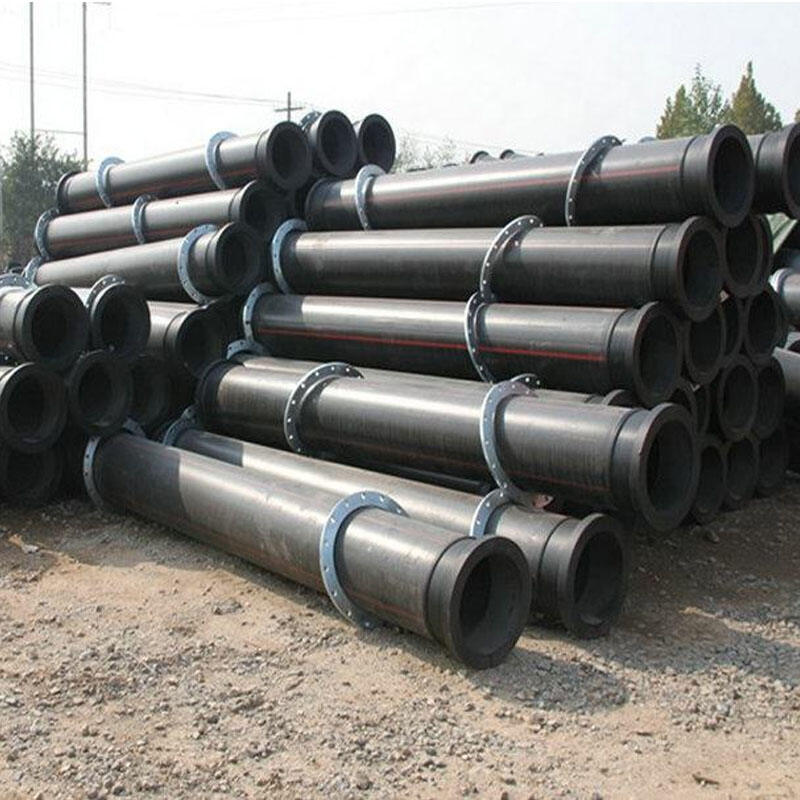
The harsh operating conditions encountered in dredging operations create unique challenges for pipeline systems. Abrasive sediments, corrosive saltwater environments, fluctuating pressures, and mechanical stresses from vessel movement combine to accelerate wear patterns that can compromise system integrity. Modern engineering solutions focus on material science innovations, protective coatings, and design modifications that address these specific challenges while maintaining cost-effectiveness across extended operational periods.
Material Selection for Enhanced Durability
High-Density Polyethylene Advantages
Modern dredging operations increasingly favor high-density polyethylene materials for pipeline construction due to their exceptional resistance to marine environments. HDPE exhibits superior chemical resistance against saltwater corrosion, maintaining structural integrity even after prolonged exposure to aggressive marine conditions. The material's flexibility allows it to accommodate dynamic loads and movement without developing stress fractures that commonly affect rigid pipeline systems. This flexibility becomes particularly valuable during storm conditions or when vessels experience significant movement during operations.
The smooth interior surface of HDPE pipes reduces friction losses and minimizes sediment accumulation that can lead to blockages. This characteristic directly contributes to improved pumping efficiency and reduced maintenance requirements throughout the pipeline's operational life. Additionally, the lightweight nature of HDPE simplifies installation procedures and reduces the mechanical stresses imposed on support structures during deployment and retrieval operations.
Steel Pipeline Considerations
Steel dredging pipeline systems offer exceptional strength characteristics that make them suitable for high-pressure applications and challenging seabed conditions. The material's ability to withstand extreme pressures without deformation provides confidence in deep-water operations where hydrostatic forces become significant factors. Steel's proven track record in marine applications provides engineers with extensive performance data for design calculations and service life predictions.
However, steel systems require comprehensive corrosion protection strategies to achieve acceptable service lives in marine environments. Advanced coating systems, cathodic protection, and regular inspection protocols become essential components of steel pipeline maintenance programs. The additional weight of steel systems necessitates robust support structures and specialized handling equipment that can impact overall project logistics and costs.
Installation Best Practices
Proper Joint Assembly Techniques
The integrity of joint connections represents one of the most critical factors influencing overall system longevity. Proper fusion welding techniques for HDPE systems require precise temperature control, adequate heating times, and proper cooling procedures to achieve optimal joint strength. Training personnel in certified welding procedures ensures consistent joint quality that meets or exceeds manufacturer specifications. Documentation of welding parameters for each joint provides valuable quality assurance records and facilitates troubleshooting if issues arise during operations.
Mechanical joint systems require careful attention to gasket condition, bolt torque specifications, and alignment tolerances to prevent leakage and premature wear. Regular inspection of mechanical connections during installation helps identify potential issues before they compromise system performance. The use of calibrated torque equipment ensures consistent bolt loading that maintains proper gasket compression without over-stressing joint components.
Support System Design
Adequate support spacing prevents excessive sagging that can lead to stress concentrations and premature failure. Engineering calculations must account for the combined weight of the pipeline, transported material, and any accumulated marine growth that may develop during extended deployments. Support structures should accommodate thermal expansion and contraction cycles that result from temperature variations in the marine environment.
Flotation systems require careful design to maintain proper pipeline geometry while allowing for tidal variations and vessel movement. The selection of appropriate buoyancy materials and anchor systems ensures stable pipeline positioning that minimizes dynamic stresses. Regular inspection of flotation components prevents gradual buoyancy loss that can alter pipeline configuration and increase mechanical stresses.
Maintenance and Monitoring Strategies
Preventive Maintenance Protocols
Systematic inspection programs form the foundation of effective dredging pipeline maintenance strategies. Visual inspections should focus on joint integrity, support system condition, and evidence of wear or damage from marine debris. Underwater inspections may require specialized diving services or remotely operated vehicles to assess submerged sections thoroughly. Documentation of inspection findings enables trending analysis that can predict maintenance requirements and optimize replacement scheduling.
Regular cleaning procedures prevent the accumulation of marine growth that can increase drag forces and alter pipeline dynamics. High-pressure water jetting effectively removes biological fouling while avoiding damage to pipeline surfaces. The frequency of cleaning operations depends on local marine conditions, water temperature, and nutrient levels that influence growth rates.
Performance Monitoring Systems
Modern monitoring technology enables real-time assessment of pipeline performance parameters that indicate system health. Pressure sensors at strategic locations can detect developing restrictions or leaks that might otherwise go unnoticed until they cause significant operational disruptions. Flow rate monitoring provides early warning of capacity reductions that may indicate internal wear or partial blockages requiring attention.
Vibration monitoring systems can identify developing mechanical issues in support structures or joint connections before they result in catastrophic failures. Data logging capabilities allow operators to track performance trends over time and correlate operational parameters with environmental conditions. This information proves valuable for optimizing operational procedures and predicting maintenance requirements.
Environmental Protection Measures
Corrosion Prevention Strategies
Marine environments present significant corrosion challenges that require comprehensive protection strategies for metallic components in dredging pipeline systems. Cathodic protection systems provide electrochemical protection against galvanic corrosion while sacrificial anodes offer localized protection for critical components. Regular monitoring of protection system performance ensures adequate current distribution and identifies areas requiring additional protection measures.
Protective coating systems create physical barriers against corrosive elements while providing additional mechanical protection against impact damage. The selection of appropriate coating materials depends on operating temperatures, chemical exposure, and mechanical wear expectations. Regular inspection and maintenance of coating systems prevents localized corrosion that can rapidly propagate and compromise structural integrity.
Sediment Management Considerations
The abrasive nature of transported sediments creates ongoing wear challenges that directly impact dredging pipeline service life. Velocity control strategies balance pumping efficiency against wear rates to optimize overall system economics. Lower transport velocities reduce abrasive wear but may increase the risk of settling and blockages that require costly remediation procedures.
Wear-resistant materials and protective linings extend service life in high-abrasion applications while maintaining acceptable pumping performance. Strategic placement of wear plates at high-impact locations such as bends and transitions provides localized protection that can be replaced more economically than entire pipe sections. Regular thickness monitoring of wear-prone areas enables proactive replacement scheduling that prevents unexpected failures during critical operations.
Operational Optimization Techniques
Pressure Management Systems
Effective pressure control strategies protect dredging pipeline systems from damaging pressure surges that can exceed design limits and cause catastrophic failures. Surge suppression systems attenuate pressure waves generated by pump startups, shutdowns, or sudden valve operations. Properly sized surge tanks and relief valves provide protection against both positive and negative pressure excursions that can damage pipeline components.
Gradual startup and shutdown procedures minimize pressure transients while allowing operators to monitor system response during critical operational phases. Automated control systems can implement pressure management protocols more consistently than manual operations while providing detailed logging of operational parameters. This data proves valuable for optimizing procedures and identifying potential improvements to system design or operational protocols.
Flow Rate Optimization
Optimal flow rate selection balances material transport efficiency against pipeline wear and energy consumption considerations. Higher velocities ensure adequate sediment suspension and prevent settling but increase abrasive wear and pumping power requirements. Sophisticated modeling tools help determine optimal operating parameters for specific sediment types and pipeline configurations.
Variable speed drive systems enable real-time flow rate adjustments based on changing conditions or material characteristics encountered during operations. This flexibility allows operators to optimize performance for different phases of dredging operations while maintaining protective operating margins. Regular analysis of performance data helps refine operational procedures and identify opportunities for efficiency improvements.
FAQ
How often should dredging pipeline systems be inspected for wear and damage
Inspection frequency depends on operating conditions, material characteristics, and system age, but most operations benefit from weekly visual inspections during active use. More detailed inspections including thickness measurements and joint integrity assessments should occur monthly or after significant weather events. Annual comprehensive inspections by qualified personnel help identify developing issues that may not be apparent during routine checks.
What are the most common failure modes in dredging pipeline operations
Joint separation represents the most frequent failure mode, often resulting from inadequate installation procedures or excessive dynamic loads. Abrasive wear at bends and transitions causes gradual thickness reduction that eventually leads to perforation. Corrosion of metallic components in marine environments can cause rapid deterioration if protective systems fail or are inadequately maintained.
Can existing steel pipelines be converted to HDPE systems cost-effectively
Conversion feasibility depends on existing support infrastructure, pressure requirements, and operational parameters. HDPE systems often require different support spacing and flotation arrangements that may necessitate significant modifications to existing installations. However, the reduced maintenance requirements and extended service life of HDPE can justify conversion costs in many applications, particularly where corrosion has been problematic.
What factors determine the optimal diameter for dredging pipeline systems
Pipeline diameter selection involves balancing transport capacity against pressure losses, installation costs, and handling constraints. Larger diameters reduce friction losses and allow higher flow rates but increase material costs and require more robust support systems. Sediment characteristics, pumping distance, and required production rates all influence optimal diameter selection for specific applications.