



Benefits of Using PVC Casing Pipe in Well Construction
The construction industry has witnessed significant advancements in materials technology, particularly in underground infrastructure development. Among these innovations, polyvinyl chloride materials have revolutionized well construction practices through their superior performance characteristics and cost-effectiveness. Modern drilling operations increasingly rely on specialized piping solutions that offer exceptional durability, chemical resistance, and installation efficiency. These synthetic polymer products have become the preferred choice for contractors and engineers seeking reliable, long-lasting solutions for water well applications.
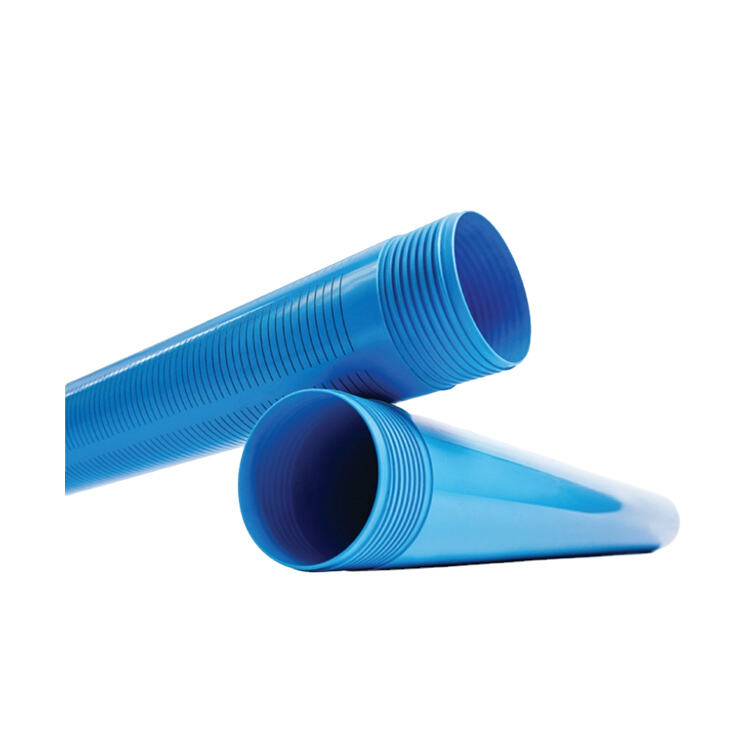
Professional well installation requires careful consideration of multiple factors including soil conditions, water quality, environmental regulations, and long-term maintenance requirements. The selection of appropriate casing materials directly impacts project success, operational efficiency, and total lifecycle costs. Understanding the comprehensive benefits of modern synthetic piping systems enables informed decision-making for both residential and commercial applications.
Material Composition and Manufacturing Excellence
Advanced Polymer Technology
The manufacturing process of high-quality casing materials involves precise molecular engineering to achieve optimal strength-to-weight ratios. Advanced extrusion techniques ensure consistent wall thickness and dimensional accuracy throughout the entire length of each pipe section. Quality control measures during production include rigorous testing for impact resistance, tensile strength, and dimensional stability under various temperature conditions.
Modern production facilities utilize computer-controlled systems to monitor resin composition, temperature profiles, and cooling rates. This technological approach results in products with superior mechanical properties and enhanced resistance to environmental stress cracking. The molecular structure of these materials provides exceptional flexibility while maintaining structural integrity under demanding installation conditions.
Quality Assurance Standards
Industry-leading manufacturers adhere to stringent international standards including ASTM, NSF, and ISO certifications. These quality benchmarks ensure consistent performance across different geographical regions and application requirements. Regular third-party testing validates material properties including hydrostatic pressure ratings, chemical compatibility, and long-term aging characteristics.
Comprehensive quality documentation accompanies each shipment, providing installers with detailed specifications and performance data. This transparency enables proper material handling, storage, and installation procedures that maximize system performance and longevity. Batch tracking systems ensure full traceability throughout the supply chain, facilitating quality control and warranty support.
Superior Chemical Resistance Properties
Corrosion Protection Benefits
Unlike traditional metallic casing materials, synthetic polymer pipes demonstrate exceptional resistance to electrochemical corrosion processes. This characteristic eliminates the need for cathodic protection systems and reduces maintenance requirements over the operational lifetime. The non-conductive nature of these materials prevents galvanic corrosion when installed in contact with dissimilar metals.
Acidic soil conditions and aggressive groundwater chemistry pose significant challenges for conventional materials. However, pvc casing pipe maintains structural integrity and dimensional stability when exposed to pH levels ranging from highly acidic to strongly alkaline conditions. This versatility makes them suitable for installations in diverse geological environments.
Long-Term Durability Factors
Laboratory testing demonstrates that properly installed synthetic casing materials can maintain their structural properties for decades without significant degradation. Accelerated aging studies simulate decades of environmental exposure, confirming excellent resistance to ultraviolet radiation, temperature cycling, and chemical attack. These findings support confidence in long-term performance and investment protection.
Field performance data from installations spanning multiple decades validates the laboratory predictions regarding material longevity. Regular inspections of existing wells reveal minimal degradation in pipe condition, confirming the excellent aging characteristics of modern synthetic materials. This proven track record supports their selection for critical infrastructure applications where reliability is paramount.
Installation Efficiency and Cost Advantages
Reduced Labor Requirements
The lightweight characteristics of synthetic piping materials significantly reduce labor costs and equipment requirements during installation. A typical crew can handle longer pipe sections with standard lifting equipment, reducing joint connections and potential leak points. This efficiency translates directly into reduced project timelines and lower overall construction costs.
Standard joining methods include solvent welding, mechanical coupling, and threaded connections, all of which can be accomplished with conventional tools and techniques. The forgiving nature of these materials allows for minor installation adjustments without compromising joint integrity. Training requirements for installation crews are minimal, as standard plumbing techniques apply to most connection methods.
Transportation and Handling Benefits
Shipping costs are substantially reduced due to the favorable weight characteristics of synthetic materials compared to steel or concrete alternatives. Standard transportation vehicles can carry larger quantities, reducing delivery frequency and associated logistics costs. The impact resistance of these materials minimizes damage risks during transportation and on-site handling.
Storage requirements are simplified as these materials resist environmental degradation when properly protected from direct sunlight. No special preservation treatments or climate-controlled storage facilities are necessary, reducing inventory costs for contractors and suppliers. The stable dimensions eliminate concerns about thermal expansion or contraction during storage periods.
Performance Characteristics in Various Applications
Water Well Construction
Residential water well applications benefit significantly from the smooth interior surfaces that minimize friction losses and optimize flow characteristics. The non-reactive nature of synthetic materials ensures that water quality remains unaffected by pipe material composition. This feature is particularly important for potable water applications where taste, odor, and chemical contamination must be avoided.
Commercial and industrial water wells require materials capable of withstanding higher pressures and flow rates. Modern pvc casing pipe systems are available in multiple pressure ratings and diameters to accommodate diverse application requirements. The consistent manufacturing tolerances ensure reliable performance under varying operational conditions.
Environmental Monitoring Wells
Groundwater monitoring applications demand materials that will not interfere with analytical results or contaminate samples. The inert nature of synthetic casing materials makes them ideal for environmental monitoring installations where data accuracy is critical. These materials resist biological growth and chemical absorption that could affect monitoring results.
Regulatory agencies often specify synthetic materials for environmental applications due to their proven compatibility with sampling protocols and analytical procedures. The smooth interior surfaces facilitate proper well development and sample collection, ensuring representative groundwater data. Long-term stability ensures consistent monitoring results throughout the operational lifetime of the installation.
Economic Benefits and Return on Investment
Initial Cost Considerations
While material costs for synthetic piping systems may appear higher than some traditional alternatives, comprehensive cost analysis reveals significant overall savings. The elimination of corrosion protection systems, reduced installation labor, and lower transportation costs contribute to favorable total project economics. These factors often result in lower initial investment despite higher unit material costs.
Bulk purchasing opportunities and standardized sizing reduce procurement complexity and inventory costs for contractors. The consistent availability of standard configurations eliminates delays associated with custom fabrication or special ordering. This reliability supports efficient project scheduling and reduces carrying costs for materials inventory.
Lifecycle Cost Analysis
Long-term economic benefits become apparent when considering maintenance requirements and replacement cycles. The extended service life of synthetic materials reduces the frequency of well rehabilitation or replacement projects. Minimal maintenance requirements translate into lower operational costs and reduced system downtime over the asset lifecycle.
Insurance and bonding costs may be reduced due to the lower risk profile associated with proven materials and installation methods. The excellent safety record and predictable performance characteristics of pvc casing pipe systems support favorable risk assessments by insurance underwriters. These indirect cost benefits further enhance the overall economic attractiveness of synthetic piping solutions.
Environmental Impact and Sustainability
Ecological Considerations
The production of synthetic casing materials requires less energy compared to metal alternatives, resulting in reduced carbon footprint during manufacturing. Modern production facilities incorporate recycled content and implement energy-efficient processes to minimize environmental impact. The lightweight characteristics reduce fuel consumption during transportation, further contributing to sustainability objectives.
End-of-life recycling programs are increasingly available for synthetic piping materials, supporting circular economy principles. The chemical stability of these materials allows for mechanical recycling into new products, reducing waste disposal requirements. This recyclability addresses environmental concerns while supporting sustainable construction practices.
Groundwater Protection
The inert nature of properly manufactured synthetic materials ensures no leaching of harmful compounds into groundwater systems. Extensive testing confirms that these materials meet or exceed drinking water standards for chemical migration and taste/odor impacts. This environmental compatibility is crucial for protecting valuable groundwater resources.
Installation practices using synthetic materials often result in better well sealing and reduced contamination risks. The flexibility of these materials allows for improved annular seal placement and reduced potential for preferential flow paths. Enhanced environmental protection supports regulatory compliance and community acceptance of well construction projects.
FAQ
What is the expected lifespan of modern synthetic casing materials in well applications
Properly installed synthetic casing systems typically provide reliable service for 50-75 years or more under normal groundwater conditions. Laboratory accelerated aging tests and field performance data support these longevity expectations. The actual service life may vary depending on specific groundwater chemistry, installation quality, and operational factors, but the excellent corrosion resistance ensures decades of reliable performance.
How do installation costs compare between synthetic and traditional casing materials
Total installation costs for synthetic materials are often 15-30% lower than steel alternatives when considering labor, equipment, and transportation factors. The lightweight nature reduces crane requirements and speeds installation, while the elimination of welding and corrosion protection systems further reduces costs. Although material unit costs may be higher, the overall project economics typically favor synthetic solutions.
Are there any limitations or special considerations for synthetic casing pipe installations
While synthetic materials offer excellent performance in most applications, proper installation techniques are essential for optimal results. Temperature considerations during installation, appropriate joint preparation, and proper backfill procedures ensure long-term success. High-temperature applications may require special material grades, and proper handling prevents damage during transportation and installation.
What quality standards and certifications should be required for well casing materials
Reputable manufacturers provide materials meeting ASTM F480, NSF 61, and other relevant standards for potable water applications. Third-party certification ensures consistent quality and performance characteristics. Documentation should include pressure ratings, chemical resistance data, and compliance with local building codes and health department requirements for the specific application.