



PVC Casing Pipe Installation: Step-by-Step Tutorial
Installing a pvc casing pipe system requires careful planning, proper tools, and adherence to industry standards to ensure long-term performance and reliability. This comprehensive guide provides detailed instructions for professionals and experienced installers working with polyvinyl chloride casing pipes in various applications including water wells, utility installations, and geotechnical projects. Understanding the correct installation procedures helps prevent costly mistakes and ensures optimal system functionality throughout the operational lifespan of your infrastructure project.
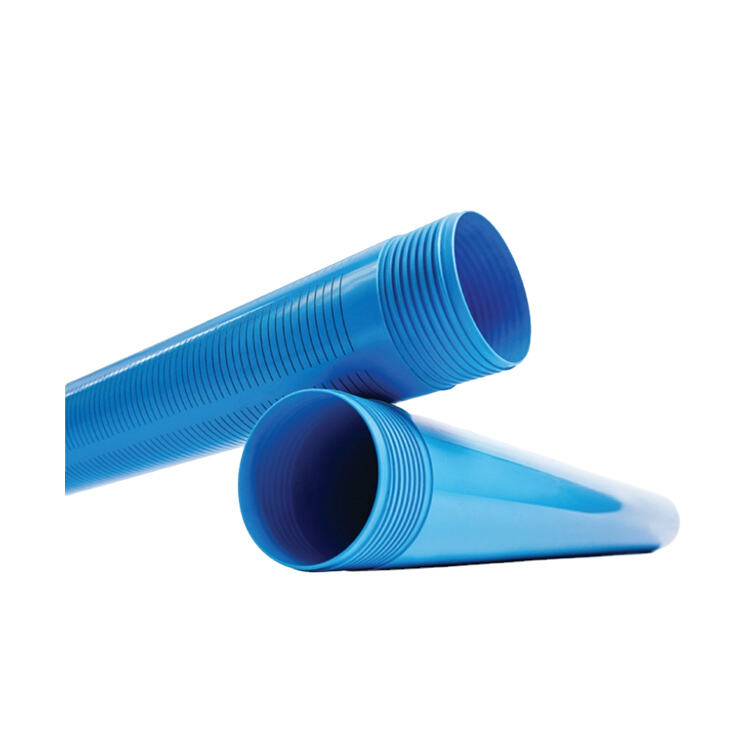
Pre-Installation Planning and Site Assessment
Site Evaluation Requirements
Proper site evaluation forms the foundation of successful pvc casing pipe installation projects. Conduct thorough geological surveys to determine soil composition, groundwater levels, and potential obstacles that may affect drilling operations. Document existing utilities, underground structures, and environmental constraints that could impact the installation process. This preliminary assessment helps determine the appropriate pipe diameter, wall thickness, and joint configuration required for your specific application.
Environmental factors such as soil chemistry, temperature variations, and seismic activity influence material selection and installation techniques. Analyze soil samples for corrosive elements that might affect pipe integrity over time. Consider seasonal weather patterns and plan installation schedules accordingly to avoid complications from frozen ground, excessive moisture, or extreme temperatures that could compromise installation quality.
Material Specification and Quality Control
Selecting the appropriate pvc casing pipe specifications requires careful consideration of operating pressures, environmental conditions, and regulatory requirements. Verify that all materials meet relevant ASTM standards and carry proper certifications for your intended application. Inspect delivered materials for manufacturing defects, proper dimensions, and surface quality before beginning installation work.
Establish quality control protocols that include material handling procedures, storage requirements, and inspection checkpoints throughout the installation process. Maintain detailed records of material batches, test certificates, and installation parameters for future reference and warranty compliance. Proper documentation ensures traceability and supports troubleshooting efforts if issues arise during or after installation.
Tool Preparation and Safety Protocols
Essential Equipment and Tooling
Successful pvc casing pipe installation requires specialized equipment designed for precision drilling and pipe handling operations. Gather rotary drilling rigs with appropriate torque capabilities, pipe handling equipment, and cutting tools specifically designed for PVC materials. Ensure all equipment undergoes thorough inspection and maintenance before project commencement to prevent delays and safety hazards during installation.
Cutting and joining tools must maintain sharp cutting edges and proper calibration to ensure clean, square cuts and proper joint assembly. Include measuring instruments, alignment tools, and testing equipment in your preparation checklist. Having backup tools readily available prevents project delays when primary equipment requires maintenance or replacement during installation operations.
Safety Measures and Personnel Training
Implement comprehensive safety protocols that address all aspects of pvc casing pipe installation operations. Provide proper personal protective equipment including hard hats, safety glasses, steel-toed boots, and cut-resistant gloves. Establish clear communication procedures between crew members and designate safety observers for critical operations such as pipe handling and drilling activities.
Train installation personnel on proper lifting techniques, equipment operation procedures, and emergency response protocols. Regular safety meetings help reinforce best practices and address site-specific hazards that may develop during installation progress. Documentation of safety training and incident reporting procedures ensures compliance with occupational safety regulations and protects both personnel and project investments.
Drilling Operations and Hole Preparation
Drilling Technique Optimization
Efficient drilling operations require careful selection of drilling methods, bit types, and drilling fluid systems appropriate for local geological conditions. Maintain consistent drilling parameters including rotation speed, feed rate, and fluid circulation to achieve uniform hole quality and minimize formation disturbance. Monitor drilling progress continuously and adjust techniques as needed to accommodate varying soil conditions encountered during advancement.
Proper hole diameter management ensures adequate clearance for pvc casing pipe installation while minimizing excavation volumes and associated costs. Calculate annular space requirements considering pipe diameter, joint configurations, and backfill material specifications. Maintain drilling logs that document geological conditions, drilling parameters, and any unusual circumstances encountered during hole advancement operations.
Hole Conditioning and Stabilization
Hole conditioning procedures prepare the borehole for optimal pvc casing pipe placement and long-term stability. Remove drilling cuttings and debris through circulation or mechanical cleaning methods to ensure uniform hole dimensions and eliminate potential obststructions. Apply appropriate drilling fluid systems or temporary casing to maintain hole stability in unstable formations or high groundwater conditions.
Verify hole straightness and diameter conformance using appropriate measurement tools before proceeding with pipe installation. Address any irregularities through reaming operations or corrective drilling techniques. Proper hole preparation directly impacts installation success and system performance, making this phase critical to overall project quality and durability.
Pipe Assembly and Lowering Procedures
Joint Assembly Techniques
Proper joint assembly ensures leak-free connections and maintains structural integrity throughout the pvc casing pipe system. Clean all joint surfaces thoroughly and inspect for damage or contamination before assembly operations. Apply appropriate lubricants and sealants according to manufacturer specifications, ensuring even distribution and proper coverage of sealing surfaces.
Follow specified torque values and assembly sequences to achieve optimal joint performance without over-stressing pipe materials. Use calibrated torque wrenches and assembly tools to maintain consistent joint quality throughout the installation process. Document joint assembly parameters and conduct pressure testing where required to verify connection integrity before proceeding to the next installation phase.
Pipe Handling and Lowering Operations
Safe pipe handling procedures protect both personnel and materials during pvc casing pipe installation operations. Use appropriate lifting equipment sized for pipe weights and dimensions, ensuring adequate safety factors for dynamic loading conditions. Position lifting points according to manufacturer recommendations to prevent pipe deformation or joint stress during handling operations.
Control lowering speeds to prevent impact damage and maintain proper pipe alignment during placement operations. Monitor pipe position continuously and make alignment corrections as needed to ensure proper seating and joint engagement. Establish communication protocols between equipment operators and ground personnel to coordinate lifting and lowering activities safely and efficiently.
Backfilling and System Testing
Backfill Material Selection and Placement
Proper backfill material selection and placement techniques protect the installed pvc casing pipe system and provide long-term structural support. Choose backfill materials that offer appropriate drainage characteristics, chemical compatibility, and thermal stability for your specific application conditions. Avoid materials containing sharp objects, organic matter, or corrosive substances that could damage pipe surfaces or compromise system integrity.
Implement controlled placement procedures that minimize pipe displacement and ensure uniform support around the entire pipe circumference. Use mechanical compaction equipment appropriate for the confined space conditions typically encountered in casing installations. Maintain specified lift thicknesses and compaction levels to achieve design density requirements while avoiding over-compaction that could stress the pipe structure.
Pressure Testing and System Commissioning
Comprehensive pressure testing verifies the integrity of the completed pvc casing pipe installation before system commissioning and operational use. Follow established testing protocols that include pressure hold tests, leak detection procedures, and documentation requirements specified in applicable codes and standards. Use calibrated testing equipment and maintain detailed records of test results for warranty compliance and future reference.
Conduct final system inspections that include visual examinations, dimensional verification, and functional testing of all system components. Address any deficiencies identified during testing through appropriate repair or replacement procedures before final acceptance. Proper commissioning procedures ensure reliable system performance and minimize the risk of operational problems after project completion.
Maintenance Considerations and Best Practices
Inspection and Monitoring Protocols
Regular inspection and monitoring programs help identify potential issues before they develop into costly system failures. Establish inspection schedules appropriate for your specific pvc casing pipe application and operating conditions. Document inspection findings and maintain historical records that support trend analysis and predictive maintenance planning efforts.
Utilize appropriate inspection technologies including visual examination, pressure monitoring, and non-destructive testing methods where applicable. Train maintenance personnel on proper inspection techniques and documentation procedures to ensure consistent data collection and analysis. Early detection of potential problems enables proactive maintenance interventions that extend system life and reduce operational costs.
Preventive Maintenance Strategies
Develop comprehensive preventive maintenance programs tailored to the specific characteristics and operating requirements of your pvc casing pipe system. Include routine cleaning procedures, joint inspection and maintenance, and protective coating renewal where applicable. Schedule maintenance activities during planned downtime periods to minimize operational disruptions and maximize cost effectiveness.
Maintain adequate spare parts inventories and establish relationships with qualified service providers to support emergency repair requirements. Document maintenance procedures and update them based on field experience and manufacturer recommendations. Effective preventive maintenance programs significantly extend system service life and reduce total ownership costs over the operational lifespan of the installation.
FAQ
What are the most common installation mistakes to avoid with pvc casing pipe systems
The most frequent installation errors include inadequate hole preparation, improper joint assembly, and insufficient backfill compaction. Poor hole conditioning can lead to pipe misalignment and potential damage during installation. Incorrect joint assembly techniques often result in leaks and structural weaknesses that compromise system performance. Inadequate backfill procedures may cause pipe settlement, deformation, or failure under operational loads.
How do soil conditions affect pvc casing pipe installation requirements
Soil conditions significantly influence drilling methods, pipe support requirements, and long-term system stability. Cohesive soils may require temporary casing or drilling fluid to maintain hole stability during installation. Rocky conditions demand specialized drilling equipment and may necessitate pre-drilling or hole modification procedures. Corrosive soils require additional protective measures and may influence material selection for optimal service life.
What testing procedures are required after pvc casing pipe installation
Standard testing procedures include pressure testing to verify joint integrity, alignment verification to ensure proper pipe position, and documentation review to confirm compliance with specifications. Pressure tests typically involve applying specified test pressures for predetermined time periods while monitoring for pressure loss or visible leakage. Additional testing may include flow testing, water quality analysis, or geophysical logging depending on the specific application requirements.
How long does a typical pvc casing pipe installation project take to complete
Installation timeframes vary significantly based on project complexity, site conditions, pipe diameter, and installation depth requirements. Simple shallow installations may require only one or two days, while deep or complex installations can take several weeks to complete. Factors affecting duration include drilling progress rates, material delivery schedules, weather conditions, and permit approval processes. Proper project planning and scheduling help optimize installation efficiency and minimize delays.