



PE Pipe Cost Guide: Pricing Factors and ROI Analysis
Understanding the cost structure of polyethylene piping systems requires a comprehensive analysis of multiple factors that influence pricing in today's competitive marketplace. PE pipe solutions have become increasingly popular across various industries due to their exceptional durability, corrosion resistance, and long-term cost effectiveness. When evaluating investment decisions for water distribution, gas transmission, or industrial applications, facility managers and engineers must consider both initial capital expenditure and lifetime operational costs to determine the true value proposition of these advanced polymer systems.
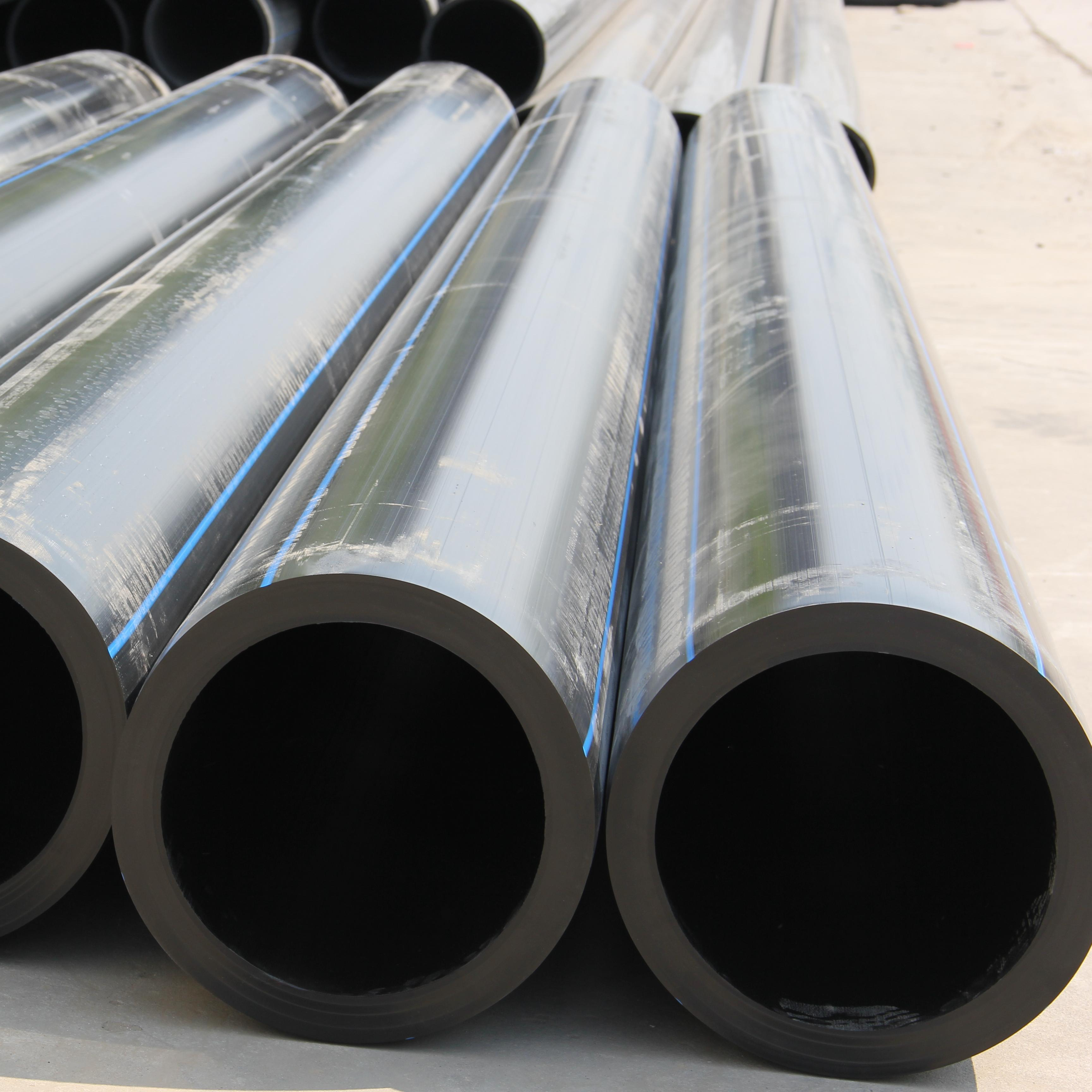
Material Grade Impact on Pricing Structure
High-Density Polyethylene Specifications
The quality grade of high-density polyethylene directly correlates with manufacturing costs and end-user pricing for pipe systems. Premium HDPE resins that meet stringent industry standards such as ASTM D3350 or ISO 4427 typically command higher market prices due to enhanced molecular structure and improved stress crack resistance. These advanced formulations incorporate specialized additives and stabilizers that extend service life beyond traditional polyethylene materials, justifying the increased initial investment through reduced maintenance requirements and lower failure rates over the system's operational period.
Manufacturing processes for different PE grades require varying levels of quality control and testing protocols, which influence production costs and final pricing structures. Higher-grade materials undergo more rigorous testing for pressure ratings, temperature resistance, and chemical compatibility, adding value through enhanced performance characteristics. The molecular density and crystalline structure of premium polyethylene grades provide superior mechanical properties that translate into thinner wall designs while maintaining equivalent pressure capabilities, potentially offsetting higher material costs through reduced material consumption per linear foot of installed pipeline.
Pressure Rating Classifications
Pressure class specifications significantly impact the cost structure of polyethylene piping systems, with higher-rated pipes requiring thicker walls and more material per unit length. Standard pressure ratings range from SDR 26 (lower pressure applications) to SDR 7 (high-pressure systems), with each classification requiring specific wall thickness calculations based on the standard dimension ratio formula. Higher pressure ratings necessitate increased material usage, more stringent quality control measures, and enhanced testing protocols, all contributing to elevated manufacturing costs that are reflected in market pricing.
The relationship between pressure rating and cost follows a non-linear progression, where incremental increases in pressure capability can result in disproportionate cost increases due to material requirements and manufacturing complexity. Engineers must carefully balance pressure requirements with cost considerations, ensuring adequate safety margins without over-specifying pipe ratings that unnecessarily increase project expenses. Understanding this cost-pressure relationship enables more effective system design and budget optimization while maintaining operational safety and regulatory compliance requirements.
Diameter and Wall Thickness Economics
Large Diameter Cost Considerations
Pipe diameter represents one of the most significant cost drivers in polyethylene piping systems, with material costs increasing exponentially rather than proportionally with diameter increases. Large-diameter pipes require specialized manufacturing equipment, extended production cycles, and enhanced quality control measures that contribute to higher per-foot pricing structures. Additionally, transportation and handling costs for oversized pipes often require special permits, routing considerations, and specialized equipment that add substantial logistics expenses to project budgets.
The manufacturing complexity for large-diameter pe pipe systems involves sophisticated extrusion processes that maintain consistent wall thickness and dimensional tolerances across extended circumferences. These technical requirements necessitate advanced production equipment and skilled operators, contributing to higher manufacturing costs that are reflected in market pricing. However, the cost per unit flow capacity often decreases with larger diameters, making oversized pipes more economical for high-volume applications despite higher absolute costs.
Wall Thickness Optimization
Wall thickness specifications directly impact material consumption and manufacturing costs, requiring careful optimization to balance performance requirements with economic considerations. Minimum wall thickness requirements are determined by pressure ratings, safety factors, and installation conditions, with additional thickness often specified to accommodate potential damage during handling and installation. The relationship between wall thickness and cost follows a linear progression for material consumption, but manufacturing complexity can introduce non-linear cost increases for extremely thick-walled applications.
Advanced engineering calculations enable wall thickness optimization that minimizes material costs while maintaining required performance characteristics and safety margins. Computer-assisted design tools can evaluate multiple thickness scenarios, considering factors such as internal pressure, external loading, temperature variations, and soil conditions to determine optimal specifications. This optimization approach often results in significant cost savings through reduced material consumption without compromising system integrity or operational reliability.
Installation and Labor Cost Variables
Fusion Joining Economics
Heat fusion joining techniques for polyethylene pipe systems require specialized equipment and certified operators, contributing to installation costs that must be factored into total project economics. Butt fusion welding equipment represents a significant capital investment for contractors, with larger diameter pipes requiring more expensive fusion machines and longer cycle times that impact labor productivity. The cost of fusion equipment rental or purchase must be amortized across project volumes, making larger installations more economical on a per-joint basis.
Operator certification and training requirements add to labor costs but ensure joint quality and system reliability that minimize long-term maintenance expenses. Certified fusion technicians command premium wages due to their specialized skills and the critical nature of joint integrity in pressure piping systems. However, the speed and reliability of fusion joining often offset higher labor costs through reduced installation time and elimination of mechanical fittings that require ongoing maintenance and potential leak points.
Trenching and Backfill Requirements
Excavation costs for polyethylene pipe installation vary significantly based on soil conditions, depth requirements, and local labor rates, representing a substantial portion of total project costs. The flexibility of PE pipe systems enables installation techniques such as directional drilling and pipe bursting that can reduce excavation costs in congested urban environments or challenging terrain. These trenchless installation methods often justify higher material costs through significant savings in excavation, restoration, and traffic control expenses.
Backfill material specifications impact both material costs and long-term system performance, requiring careful selection of bedding and cover materials that provide adequate support without damaging the pipe surface. Specialized backfill materials such as flowable fill or engineered sand can increase installation costs but provide superior pipe support and easier compaction in challenging soil conditions. The investment in quality backfill materials often provides long-term cost benefits through reduced settlement and improved load distribution that extends system service life.
Market Pricing Dynamics and Supply Chain Factors
Raw Material Price Volatility
Polyethylene resin prices fluctuate with petroleum market conditions, creating cost variability that impacts pe pipe pricing throughout economic cycles. Raw material costs typically represent 60-70% of finished pipe costs, making resin price movements a critical factor in project budgeting and procurement timing decisions. Understanding market trends and establishing appropriate pricing mechanisms in supply contracts helps manage cost risk while ensuring adequate material availability for project schedules.
Supply chain disruptions and capacity constraints can create temporary price spikes that significantly impact project economics, particularly for large-volume installations requiring extensive material commitments. Strategic procurement approaches such as blanket purchase orders, price escalation clauses, and supplier partnerships can help mitigate price volatility while ensuring material availability. Market timing considerations become particularly important for large projects where material procurement represents substantial capital commitments that can be optimized through careful supply chain management.
Regional Market Variations
Geographic location significantly influences pe pipe pricing through transportation costs, local market competition, and regional manufacturing capacity. Areas with limited local production capacity often experience higher prices due to transportation expenses and reduced competition among suppliers. Conversely, regions with multiple manufacturing facilities typically benefit from competitive pricing and reduced logistics costs that make polyethylene systems more economically attractive compared to alternative materials.
Local building codes, installation standards, and regulatory requirements can impact pricing through specification differences and compliance costs that vary by jurisdiction. Some regions require additional testing, certification, or inspection procedures that add costs but ensure system compliance with local standards. Understanding these regional variations enables more accurate project cost estimation and helps identify opportunities for cost optimization through specification adjustments or alternative compliance approaches.
Long-Term Return on Investment Analysis
Maintenance Cost Reductions
The corrosion resistance and joint integrity of polyethylene piping systems provide substantial long-term maintenance cost savings compared to traditional metallic alternatives. PE pipe systems typically require minimal maintenance over their 50-100 year service life, eliminating costs associated with cathodic protection, coating renewal, and corrosion-related repairs common with steel pipelines. These maintenance savings often exceed initial cost premiums within 10-15 years of operation, providing compelling economic justification for polyethylene system selection.
Leak prevention and system reliability characteristics of pe pipe installations reduce operational disruptions and emergency repair costs that can be substantial in critical applications. The flexibility and impact resistance of polyethylene materials minimize damage from ground movement, freeze-thaw cycles, and external loading conditions that frequently cause failures in rigid piping systems. Quantifying these reliability benefits through life-cycle cost analysis typically demonstrates significant economic advantages despite higher initial material costs.
Energy Efficiency Considerations
The smooth internal surface characteristics of polyethylene pipes provide reduced friction losses compared to aged metallic systems, resulting in lower pumping energy requirements over the system's operational life. Energy savings from reduced friction can be substantial in large-diameter, high-flow applications where pumping costs represent significant operational expenses. These efficiency gains compound over time, providing increasing economic benefits as energy costs rise and system flow demands grow.
Thermal properties of polyethylene materials can provide energy benefits in temperature-sensitive applications through reduced heat loss or gain compared to metallic alternatives. The insulating characteristics of PE pipe walls help maintain fluid temperatures in hot water distribution systems and prevent freezing in cold climate installations without additional insulation requirements. These thermal performance advantages translate into operational cost savings that enhance the overall return on investment for polyethylene piping systems.
FAQ
What factors most significantly impact pe pipe pricing
The most significant pricing factors for pe pipe systems include raw material costs, diameter specifications, pressure ratings, and wall thickness requirements. Raw polyethylene resin prices typically account for 60-70% of finished pipe costs and fluctuate with petroleum market conditions. Larger diameters and higher pressure ratings require more material and specialized manufacturing processes that increase costs exponentially rather than proportionally. Understanding these primary cost drivers enables more effective project budgeting and specification optimization.
How do installation costs compare between pe pipe and alternative materials
Installation costs for pe pipe systems are often competitive with or lower than alternative materials despite requiring specialized fusion equipment and certified operators. The lightweight nature of polyethylene reduces handling costs and equipment requirements, while fusion joining eliminates the need for expensive mechanical fittings and reduces installation time. Trenchless installation capabilities and reduced excavation requirements in many applications provide additional cost advantages that offset higher specialized labor requirements.
What is the typical return on investment timeline for pe pipe systems
Most pe pipe installations provide positive return on investment within 10-15 years through reduced maintenance costs, improved reliability, and energy efficiency benefits. The 50-100 year service life of polyethylene systems provides decades of additional value after cost recovery, making them highly economical long-term investments. Life-cycle cost analysis typically shows 20-40% total cost advantages over alternative materials when considering initial installation, maintenance, and replacement costs over comparable service periods.
How can project costs be optimized without compromising system performance
Cost optimization strategies include careful pressure rating selection to avoid over-specification, wall thickness optimization through engineering analysis, and strategic procurement timing to take advantage of favorable market conditions. Value engineering approaches can identify opportunities for diameter optimization, installation method selection, and specification adjustments that reduce costs while maintaining required performance characteristics. Collaborating with experienced suppliers and contractors often reveals cost-saving opportunities specific to local conditions and project requirements.