


PE Pipe Installation: Expert Tips and Best Practices
Polyethylene piping systems have revolutionized modern infrastructure projects across residential, commercial, and industrial applications. The versatility and durability of polyethylene materials make them an excellent choice for water distribution, gas transmission, and various fluid handling systems. Understanding proper installation techniques and industry best practices ensures optimal performance and longevity of your piping infrastructure.
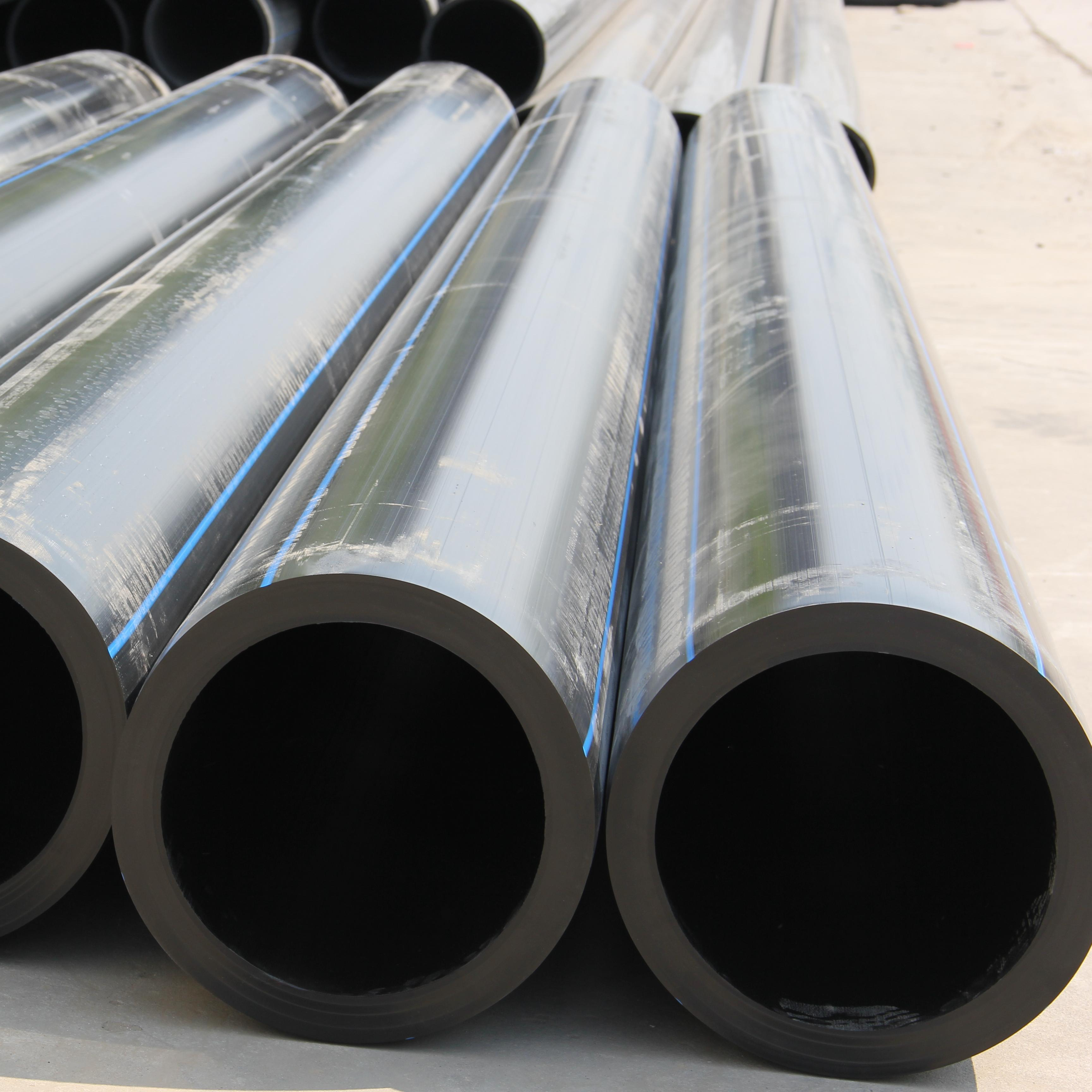
Professional contractors and engineers recognize polyethylene piping as a superior alternative to traditional materials due to its chemical resistance, flexibility, and cost-effectiveness. Modern manufacturing processes have enhanced the structural integrity and performance characteristics of these systems, making them suitable for demanding applications in harsh environments. The growing adoption of polyethylene solutions reflects their proven track record in delivering reliable long-term performance.
Material Properties and Selection Criteria
Physical Characteristics of Polyethylene Piping
High-density polyethylene exhibits exceptional tensile strength and impact resistance, making it ideal for underground installations and above-ground applications. The molecular structure of polyethylene provides inherent flexibility that allows the material to withstand ground movement, temperature fluctuations, and seismic activity without cracking or failure. This flexibility significantly reduces the risk of joint failures and system leaks compared to rigid piping materials.
The smooth interior surface of polyethylene piping minimizes friction losses and prevents scale buildup, maintaining consistent flow rates throughout the system's operational life. Chemical inertness ensures compatibility with a wide range of fluids, including potable water, chemicals, and industrial process liquids. The non-corrosive nature of polyethylene eliminates the need for cathodic protection systems commonly required with metallic piping.
Grade Classifications and Applications
Different grades of polyethylene piping serve specific applications based on pressure ratings, temperature requirements, and environmental conditions. PE pipe systems are classified according to density, molecular weight distribution, and additive packages that enhance performance characteristics. Understanding these classifications helps engineers select the appropriate material for each specific application.
Medium-density polyethylene offers excellent flexibility for applications requiring tight radius bends and complex routing configurations. High-density variants provide superior pressure handling capabilities for high-pressure water distribution and gas transmission systems. Cross-linked polyethylene incorporates chemical bonds that enhance temperature resistance and dimensional stability under thermal cycling conditions.
Pre-Installation Planning and Site Preparation
Site Survey and Environmental Assessment
Thorough site evaluation identifies potential challenges and ensures proper system design before installation begins. Soil conditions, groundwater levels, and existing utilities must be documented to prevent conflicts and optimize installation procedures. Rocky soils may require special bedding materials, while high groundwater conditions might necessitate additional anchoring or weighting systems.
Environmental factors such as frost depth, seismic activity, and chemical exposure influence material selection and installation methods. Temperature extremes affect handling procedures and joint fusion requirements, requiring adjustments to standard installation practices. Proper documentation of site conditions facilitates troubleshooting and maintenance activities throughout the system's operational life.
Excavation and Trench Preparation
Proper trench excavation ensures adequate support and protection for polyethylene piping systems throughout their operational life. Trench width should provide sufficient working space while minimizing excavation costs and soil disturbance. Uniform trench bottom preparation prevents point loading and stress concentrations that could compromise pipe integrity over time.
Bedding materials selection depends on soil conditions and pipe specifications, with sand or fine gravel providing excellent support characteristics. Proper compaction of bedding materials creates a stable foundation that distributes loads evenly along the pipe length. Sharp objects, rocks, and debris must be removed from the trench to prevent damage during installation and backfilling operations.
Installation Techniques and Best Practices
Handling and Storage Procedures
Proper handling techniques prevent damage to polyethylene piping during transport and installation activities. Lifting equipment should distribute loads evenly to avoid stress concentrations and permanent deformation. Storage areas must provide adequate support and protection from ultraviolet radiation, which can degrade material properties over extended exposure periods.
Temperature control during handling affects material flexibility and workability, with cold weather requiring special precautions to prevent cracking. Coiled piping should be unrolled carefully to prevent kinking and maintain proper circular cross-section geometry. Inspection of pipe surfaces before installation identifies any damage that could compromise system integrity or performance.
Joining Methods and Connection Techniques
Heat fusion welding creates seamless joints that match or exceed the strength of the parent pipe material. Proper fusion procedures require precise temperature control, timing, and pressure application to achieve optimal joint quality. Socket fusion, butt fusion, and electrofusion techniques each offer specific advantages depending on pipe size, application requirements, and field conditions.
Mechanical fittings provide alternative connection methods for situations where heat fusion is impractical or impossible. Compression fittings, flanged connections, and transition couplings accommodate connections to other piping materials and equipment. Quality control procedures verify joint integrity and ensure compliance with applicable codes and standards.
Quality Control and Testing Procedures
Pressure Testing and System Verification
Hydrostatic pressure testing validates system integrity and identifies potential leaks before commissioning. Test pressures typically exceed normal operating pressures by specified margins to ensure adequate safety factors. Extended test duration allows for stabilization of polyethylene material and verification of joint quality under sustained pressure conditions.
Non-destructive testing methods supplement pressure testing to evaluate joint quality and material condition. Visual inspection identifies surface defects, while ultrasonic testing can detect internal flaws in fusion joints. Documentation of test results provides baseline data for future maintenance and inspection activities.
Installation Verification and Documentation
Comprehensive installation records facilitate future maintenance activities and system modifications. As-built drawings accurately reflect actual installation conditions, including depth, location, and routing variations from original plans. Photographic documentation provides visual records of installation quality and field conditions that may affect future operations.
Material certifications and test reports verify compliance with specifications and quality standards. Installation crew qualifications and fusion operator certifications ensure proper installation techniques and quality control. Complete documentation packages support warranty claims and regulatory compliance requirements.
Maintenance and Long-Term Performance
Preventive Maintenance Strategies
Regular inspection programs identify potential issues before they develop into system failures or safety hazards. Visual inspection of exposed piping sections reveals signs of mechanical damage, environmental stress, or improper support conditions. Pressure monitoring systems provide early warning of developing leaks or system degradation.
Valve and fitting maintenance ensures continued system reliability and operational flexibility. Lubrication of mechanical components prevents seizing and extends service life of system components. Replacement of consumable items such as gaskets and seals maintains system integrity and prevents contamination or fluid loss.
Performance Monitoring and System Optimization
Flow monitoring systems track system performance and identify efficiency degradation over time. Pressure measurements at key locations verify system hydraulics and identify potential restrictions or capacity limitations. Regular performance assessment supports optimization efforts and capital planning activities.
Energy efficiency monitoring identifies opportunities for system improvements and cost reduction initiatives. Variable frequency drives and control systems optimize pump operation based on actual demand patterns. System modeling and analysis support expansion planning and performance enhancement projects.
Common Installation Challenges and Solutions
Environmental and Site-Specific Issues
Extreme weather conditions require modifications to standard installation procedures to maintain quality and safety standards. Cold weather installations may require heated enclosures or modified fusion parameters to achieve proper joint quality. Hot weather conditions necessitate protection of materials from excessive heat and adjustment of handling procedures.
Contaminated soil conditions require special handling and disposal procedures to protect workers and the environment. Chemical exposure may affect material selection and require additional protective measures during installation. Proper site remediation ensures long-term system performance and regulatory compliance.
Technical Challenges and Engineering Solutions
Complex routing requirements may necessitate specialized fittings and installation techniques to achieve design objectives. Tight radius bends require careful planning and execution to prevent overstress and maintain flow characteristics. Elevation changes and variable grades affect system hydraulics and may require pressure regulation or pumping stations.
Interface connections with existing systems require careful planning and execution to maintain system integrity. Transition fittings accommodate different pipe materials and sizes while maintaining pressure ratings and flow characteristics. Proper joint design and installation prevent stress concentrations and ensure long-term reliability.
FAQ
What factors determine the appropriate grade of polyethylene piping for specific applications
Grade selection depends on operating pressure, temperature requirements, chemical compatibility, and environmental conditions. High-density polyethylene provides superior pressure handling capabilities for demanding applications, while medium-density variants offer enhanced flexibility for complex routing. Chemical resistance requirements and temperature cycling conditions also influence material selection decisions.
How do weather conditions affect polyethylene pipe installation procedures
Cold weather requires preheating of materials and adjustment of fusion parameters to achieve proper joint quality. Hot weather conditions necessitate protection from direct sunlight and modification of handling procedures to prevent material degradation. Extreme temperatures may require temporary environmental controls or scheduling adjustments to maintain installation quality standards.
What testing procedures verify polyethylene piping system integrity after installation
Hydrostatic pressure testing at specified test pressures validates system integrity and identifies potential leaks. Visual inspection of joints and exposed piping sections reveals installation defects or damage. Non-destructive testing methods such as ultrasonic examination can evaluate fusion joint quality without compromising system integrity.
How long can polyethylene piping systems be expected to operate reliably
Properly installed polyethylene piping systems typically provide 50 to 100 years of reliable service under normal operating conditions. Material properties remain stable over extended periods when protected from ultraviolet radiation and extreme chemical exposure. Regular maintenance and monitoring programs help maximize system life and performance throughout the operational period.