



PE Pipe vs PVC: Which is Best for Your Project?
Choosing the right piping material for your project can significantly impact long-term performance, maintenance costs, and overall system reliability. Two of the most popular options in modern construction and infrastructure projects are polyethylene (PE) and polyvinyl chloride (PVC) pipes. While both materials offer distinct advantages, understanding their unique characteristics, applications, and limitations is crucial for making an informed decision. This comprehensive guide examines the key differences between pe pipe and PVC systems, helping you determine which solution best meets your specific project requirements.
Material Composition and Properties
Understanding PE Pipe Construction
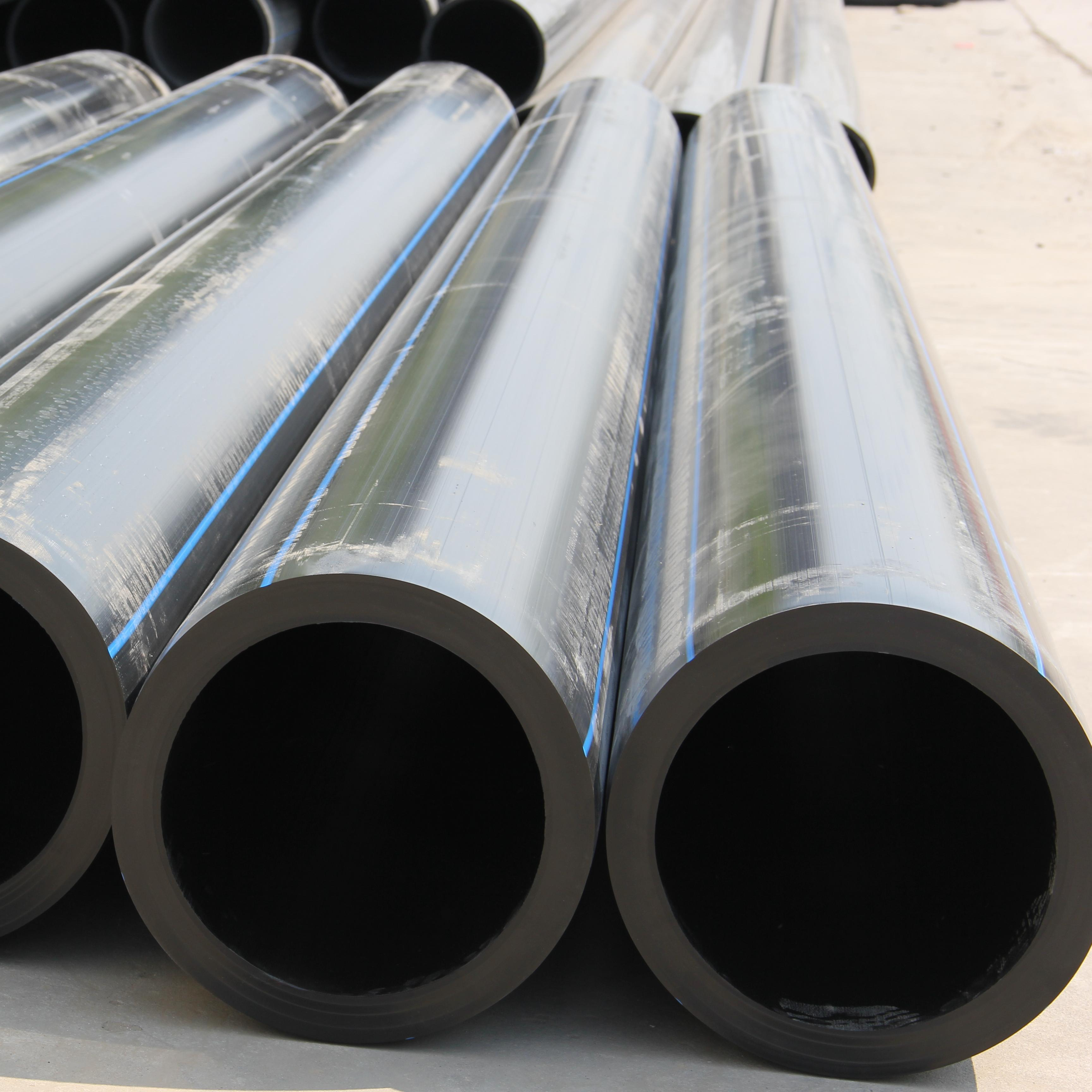
Polyethylene pipes are manufactured from thermoplastic polymer materials that offer exceptional flexibility and chemical resistance. The molecular structure of PE creates a material that can withstand significant ground movement, freeze-thaw cycles, and various environmental stresses without cracking or breaking. PE pipes are available in different density grades, including high-density polyethylene (HDPE) and medium-density polyethylene (MDPE), each engineered for specific pressure ratings and applications. The manufacturing process involves extrusion techniques that create seamless pipe walls with consistent thickness and superior structural integrity.
The inherent properties of polyethylene make it an excellent choice for applications requiring long-term durability and resistance to corrosive substances. PE pipes maintain their structural integrity even when exposed to acidic soils, saltwater environments, and various industrial chemicals. Additionally, the smooth interior surface of pe pipe systems reduces friction losses and minimizes the buildup of scale and deposits over time, ensuring optimal flow characteristics throughout the system's lifespan.
PVC Pipe Characteristics and Benefits
Polyvinyl chloride pipes are rigid thermoplastic products known for their strength, affordability, and ease of installation. PVC manufacturing involves the polymerization of vinyl chloride monomers, creating a material with excellent dimensional stability and high impact resistance. The rigid nature of PVC pipes makes them ideal for applications where structural support and precise alignment are critical factors. PVC systems are available in various pressure classes and wall thicknesses to accommodate different operating conditions and installation requirements.
One of the primary advantages of PVC pipes is their resistance to biological growth and chemical degradation. The smooth interior surface prevents bacterial colonization and maintains consistent flow rates over extended periods. PVC pipes also offer excellent fire resistance properties and do not support combustion, making them suitable for applications where fire safety is a concern. The material's inherent strength allows for smaller wall thicknesses compared to other pipe materials while maintaining equivalent pressure ratings.
Installation Methods and Requirements
PE Pipe Installation Techniques
The installation of polyethylene pipes requires specialized techniques and equipment to ensure proper joint integrity and system performance. Heat fusion welding is the primary joining method for pe pipe systems, creating homogeneous joints that are stronger than the pipe itself. This process involves heating the pipe ends and fittings to specific temperatures and pressures, allowing the material to fuse at the molecular level. Electrofusion fittings provide an alternative joining method, particularly useful in confined spaces or when connecting pipes of different diameters.
The flexibility of PE pipes allows for installation in challenging terrain conditions, including areas with unstable soils or significant elevation changes. Trenchless installation methods, such as horizontal directional drilling and pipe bursting, are commonly used with pe pipe systems due to their ability to withstand the stresses involved in these techniques. Proper handling during installation is essential to prevent damage from sharp objects or excessive bending beyond the material's minimum bend radius.
PVC Installation Procedures
PVC pipe installation typically involves solvent cement welding or mechanical joining systems, depending on the specific application and local code requirements. Solvent welding creates chemical bonds between pipe and fitting surfaces, resulting in permanent joints that cure to full strength within hours. The installation process requires careful attention to proper fit-up, adequate curing time, and environmental conditions that can affect joint quality. Mechanical joints using rubber gaskets and restraint systems provide flexibility for applications requiring frequent access or potential system modifications.
The rigid nature of PVC pipes necessitates careful planning and precise installation techniques to accommodate thermal expansion and contraction. Expansion joints and proper pipe support spacing are critical factors in preventing system failures due to thermal stress. PVC installation generally requires less specialized equipment compared to PE systems, making it accessible to a broader range of contractors and reducing overall installation costs in many applications.
Performance Characteristics and Durability
Chemical Resistance and Environmental Factors
Both PE and PVC pipes offer excellent resistance to a wide range of chemicals, but their performance varies depending on specific substances and environmental conditions. Polyethylene pipes demonstrate superior resistance to stress cracking and maintain their structural integrity when exposed to aggressive soils, saltwater, and various industrial chemicals. The material's molecular structure provides inherent protection against environmental stress cracking, a common failure mode in other plastic pipe materials. PE pipes also perform well in applications involving hydrogen sulfide, methane, and other gases that can cause degradation in alternative materials.
PVC pipes excel in applications involving acidic conditions and many organic solvents, making them suitable for industrial and chemical processing applications. However, PVC can be susceptible to certain aromatic hydrocarbons and ketones that may cause swelling or degradation over time. The material's performance in ultraviolet light exposure requires consideration, as prolonged UV exposure can lead to surface degradation and reduced impact resistance. Proper protection or burial is essential for maintaining long-term performance in outdoor applications.
Temperature and Pressure Performance
Temperature performance characteristics differ significantly between PE and PVC pipe systems, influencing their suitability for various applications. PE pipes maintain their flexibility and impact resistance across a wide temperature range, from sub-zero conditions to elevated temperatures exceeding 140°F. This temperature flexibility makes pe pipe systems ideal for applications involving thermal cycling or extreme climate conditions. The material's ability to accommodate thermal expansion through flexibility reduces stress concentrations and extends system life.
PVC pipes operate effectively within a more limited temperature range, typically from 32°F to 140°F, depending on the specific formulation and pressure class. Higher temperatures can reduce the material's strength and pressure capacity, requiring derating factors in elevated temperature applications. However, PVC maintains consistent dimensional stability within its operating range and provides predictable performance characteristics. The rigid nature of PVC allows for higher pressure ratings in many applications, making it suitable for high-pressure water distribution and industrial process systems.
Cost Analysis and Economic Considerations
Initial Investment and Material Costs
The initial cost comparison between PE and PVC pipe systems involves multiple factors beyond basic material pricing. PVC pipes generally offer lower material costs per linear foot, making them attractive for budget-conscious projects and applications where initial investment is the primary consideration. The standardized manufacturing processes and widespread availability of PVC contribute to competitive pricing across various diameter ranges and pressure classes. Additionally, the lighter weight of PVC pipes can reduce transportation and handling costs during project execution.
PE pipe systems typically involve higher initial material costs but may provide economic advantages through reduced installation expenses and long-term performance benefits. The flexibility of polyethylene allows for longer laying lengths and reduced fitting requirements, potentially offsetting higher material costs through installation efficiencies. The specialized fusion welding equipment required for pe pipe installation represents an additional investment but creates joints that eliminate future leak risks and maintenance concerns associated with mechanical connections.
Long-term Operational Costs
Long-term operational costs significantly impact the total cost of ownership for pipe systems over their design life. PE pipes demonstrate exceptional longevity with minimal maintenance requirements, often providing service lives exceeding 100 years under proper installation and operating conditions. The fused joint systems eliminate leak paths that commonly develop in mechanical connections over time, reducing water loss and associated treatment costs. The smooth interior surface of pe pipe maintains hydraulic efficiency throughout the system life, minimizing pumping energy requirements.
PVC pipe systems also offer excellent long-term performance with proper installation and operation within design parameters. The material's resistance to scale buildup and biological growth maintains system efficiency over time. However, the rigid nature of PVC can make it more susceptible to damage from ground movement or impact loads, potentially increasing repair and replacement costs in certain applications. Regular inspection and maintenance programs help ensure optimal performance and early detection of potential issues.
Application-Specific Considerations
Water Distribution Systems
Water distribution applications represent one of the largest markets for both PE and PVC pipe systems, with each material offering distinct advantages depending on specific project requirements. PE pipes excel in water distribution networks requiring flexibility to accommodate ground movement, seismic activity, or challenging installation conditions. The material's resistance to freeze damage makes it particularly suitable for northern climates where frost penetration is a concern. Additionally, the ability to install pe pipe using trenchless methods reduces disruption to existing infrastructure and traffic patterns in urban environments.
PVC pipes are widely used in water distribution applications where structural strength and precise dimensional control are priorities. The material's ability to maintain straight alignment and resist external loads makes it suitable for applications involving heavy traffic loads or shallow burial depths. PVC's excellent hydraulic properties and smooth interior surface provide efficient water conveyance with minimal friction losses. The availability of a comprehensive range of fittings and accessories facilitates system design and installation flexibility.
Industrial and Chemical Applications
Industrial applications often involve unique challenges that influence material selection between PE and PVC pipe systems. Polyethylene pipes demonstrate superior performance in applications involving aggressive chemicals, varying pH conditions, and potential stress cracking environments. The material's flexibility allows accommodation of thermal cycling and mechanical stress without compromising system integrity. PE pipes are commonly used in chemical processing plants, wastewater treatment facilities, and industrial cooling systems where chemical resistance is paramount.
PVC pipes find extensive use in industrial applications requiring high-pressure capabilities and dimensional stability. The material's strength characteristics make it suitable for process piping systems, compressed air distribution, and applications involving consistent operating conditions. PVC's fire resistance properties provide safety advantages in industrial environments where combustible materials are present. The availability of specialized PVC formulations, including chlorinated PVC (CPVC) for elevated temperature applications, expands the material's industrial utility.
FAQ
What are the main differences between PE pipe and PVC pipe durability?
PE pipes offer superior flexibility and resistance to ground movement, freeze-thaw cycles, and environmental stress cracking, making them highly durable in challenging conditions. PVC pipes provide excellent dimensional stability and impact resistance but are more rigid and can be susceptible to damage from ground movement or impact loads. Both materials offer excellent long-term durability when properly installed and operated within their design parameters, with service lives often exceeding 50-100 years.
Which pipe material is more cost-effective for water distribution projects?
The cost-effectiveness depends on specific project requirements and long-term considerations. PVC pipes typically have lower initial material costs and standardized installation procedures, making them economical for straightforward applications. PE pipes may offer greater value in challenging installation conditions due to their flexibility and trenchless installation capabilities, despite higher initial material costs. Long-term operational costs favor both materials, with PE pipes potentially providing advantages through reduced maintenance and leak-free fused joints.
Can PE and PVC pipes be used interchangeably in the same system?
While both materials can function in similar applications, they cannot be directly connected without proper transition fittings due to different joining methods and thermal expansion characteristics. PE pipes use heat fusion welding, while PVC typically uses solvent cement or mechanical joints. When transitioning between materials, mechanical fittings or flanged connections are required to accommodate the different expansion rates and joining technologies. System design should consider the compatibility of materials and appropriate transition methods.
What factors should determine the choice between PE pipe and PVC for a specific project?
Key factors include operating conditions (temperature, pressure, chemical exposure), installation environment (soil conditions, accessibility, seismic activity), budget constraints (initial costs vs. long-term value), and local codes and standards. PE pipes are preferred for applications requiring flexibility, chemical resistance, and trenchless installation capabilities. PVC pipes are ideal for applications requiring high strength, dimensional stability, and cost-effective installation in stable soil conditions. Consulting with qualified engineers and considering all project-specific factors ensures optimal material selection.