



How Can Proper HDPE Pipe Fittings Reduce Leakage Risks in Engineering Use?
Modern engineering projects demand reliable piping solutions that can withstand extreme conditions while maintaining structural integrity over decades of operation. High-density polyethylene systems have revolutionized industrial applications by offering superior resistance to corrosion, chemical exposure, and environmental stress cracking. The success of these installations largely depends on selecting appropriate connection components that ensure seamless integration between pipe segments. Proper selection and installation of quality fittings significantly reduces the risk of system failures, operational downtime, and costly repairs in critical infrastructure projects.
Understanding Leakage Vulnerabilities in Piping Systems
Common Failure Points in Traditional Connections
Conventional piping systems often experience failures at junction points where different pipe segments connect, creating weak spots that compromise overall system integrity. These vulnerable areas typically develop leaks due to thermal expansion, ground movement, or inadequate sealing mechanisms that deteriorate over time. Metal fittings are particularly susceptible to galvanic corrosion when exposed to dissimilar materials or aggressive soil conditions. Understanding these failure mechanisms helps engineers specify more reliable connection solutions for demanding applications.
Temperature fluctuations cause significant stress on connection points as materials expand and contract at different rates, leading to joint separation or seal degradation. Soil settlement and seismic activity create additional mechanical stresses that can overwhelm traditional threaded or mechanical connections. Chemical exposure from industrial processes or contaminated groundwater accelerates material degradation, particularly in metal components that lack adequate protective coatings.
Impact of System Pressure on Joint Integrity
High-pressure applications amplify the stress concentration at connection points, making proper fitting selection critical for preventing catastrophic failures. Pressure surges from pump startup, valve closures, or system fluctuations create dynamic loading conditions that test the limits of joint design. HDPE pipe fittings excel in these demanding environments because they distribute stress more evenly across the connection interface.
System pressure also influences the long-term creep behavior of polymer materials, requiring careful consideration of safety factors and design margins. Proper fitting geometry and installation techniques help manage stress concentrations while maintaining flexibility to accommodate system movements. Advanced fusion welding methods create homogeneous connections that eliminate the weak points typically associated with mechanical joints.
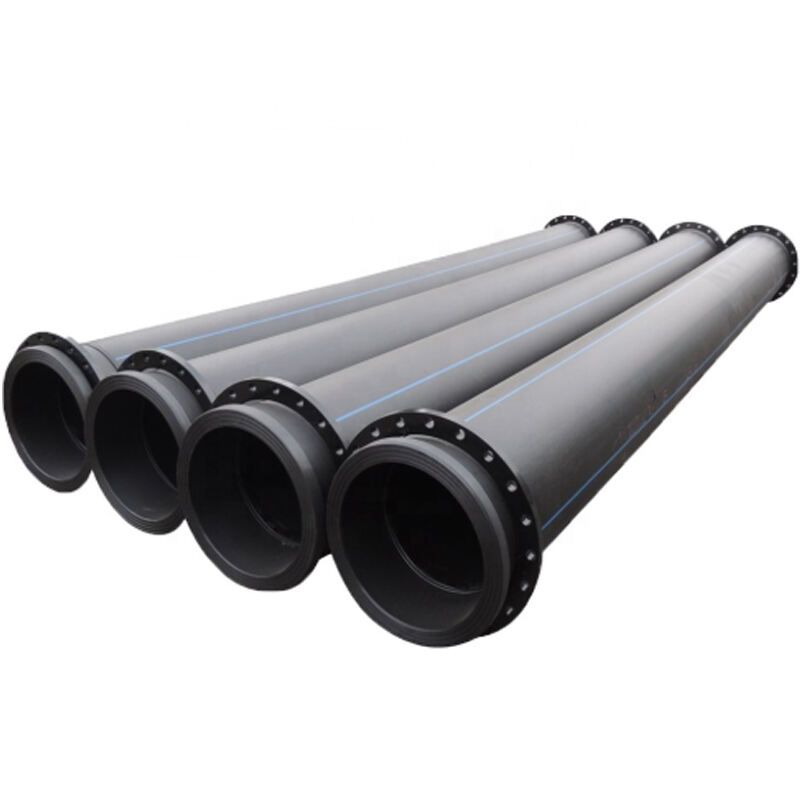
Material Properties That Enhance Leak Resistance
Chemical Resistance and Environmental Durability
High-density polyethylene demonstrates exceptional resistance to a wide range of chemicals, acids, and alkalis commonly encountered in industrial applications. This inherent chemical inertness prevents the material degradation that often leads to joint failures in metallic systems. HDPE pipe fittings maintain their structural properties even when exposed to aggressive media, ensuring long-term reliability without requiring additional protective measures.
Environmental stress cracking resistance allows these components to perform reliably under combined chemical and mechanical loading conditions. The crystalline structure of high-density polyethylene provides excellent barrier properties that prevent permeation of aggressive substances. UV stabilization additives protect outdoor installations from photodegradation while maintaining mechanical strength throughout the service life.
Flexibility and Stress Distribution Characteristics
The inherent flexibility of polyethylene materials allows fittings to accommodate ground movement, thermal cycling, and dynamic loading without developing stress concentrations that lead to cracking. This flexibility is particularly valuable in earthquake-prone regions or areas subject to freeze-thaw cycles. HDPE pipe fittings can absorb and distribute mechanical stresses more effectively than rigid alternatives, reducing the likelihood of sudden failure modes.
Viscoelastic properties enable these materials to recover from temporary deformation while maintaining their original dimensions and sealing capabilities. The ability to flex without permanent damage helps prevent the development of micro-cracks that can propagate over time and eventually cause leakage. Proper material selection ensures optimal balance between flexibility and strength for specific operating conditions.
Fusion Welding Technology for Leak-Free Connections
Butt Fusion Process Advantages
Butt fusion welding creates monolithic connections between pipe segments that eliminate traditional seal interfaces where leaks typically develop. This thermoplastic welding process melts the material surfaces and fuses them together under controlled pressure and temperature conditions. The resulting joint strength often exceeds that of the parent pipe material, creating a homogeneous system without mechanical weak points.
Quality HDPE pipe fittings designed for butt fusion applications feature precise dimensional tolerances and material formulations optimized for welding compatibility. Proper preparation and execution of the fusion process ensures complete molecular bonding across the joint interface. Temperature control systems and automated welding equipment help maintain consistent parameters throughout the welding cycle.
Electrofusion Connection Benefits
Electrofusion technology provides an alternative welding method particularly suited for repair applications and confined spaces where butt fusion equipment cannot be easily deployed. Embedded heating elements within specially designed fittings generate controlled heat directly at the joint interface. This localized heating approach minimizes thermal input while ensuring complete fusion across the entire connection area.
Automated control systems monitor welding parameters and adjust power input to compensate for environmental conditions and material variations. Visual indicators and data logging capabilities provide quality assurance documentation for critical installations. Electrofusion HDPE pipe fittings offer excellent reliability in applications where traditional welding methods are impractical or where enhanced quality control is required.
Installation Best Practices for Maximum Reliability
Surface Preparation and Alignment Requirements
Proper surface preparation ensures optimal fusion quality by removing contaminants, oxidation layers, and surface irregularities that could compromise joint integrity. Specialized scraping tools remove the outer skin of polyethylene components to expose fresh material with optimal welding characteristics. Alignment fixtures maintain precise positioning during the welding process to prevent angular misalignment or offset conditions.
Cleanliness protocols prevent contamination from dirt, moisture, or chemical residues that could create weak spots in the fusion zone. Environmental conditions such as wind, temperature, and humidity must be controlled within specified limits to ensure consistent welding results. Quality HDPE pipe fittings require specific preparation procedures tailored to their design and intended application.
Quality Control and Testing Procedures
Non-destructive testing methods verify joint quality without compromising system integrity, including visual inspection of bead formation and dimensional measurements. Destructive testing of sample joints provides quantitative data on fusion quality and helps optimize welding parameters for specific materials and conditions. Pressure testing validates system integrity before commissioning while identifying any defects that require remediation.
Documentation requirements for critical applications include welding parameter records, material certifications, and test results that demonstrate compliance with applicable standards. Traceability systems track individual components and welding operations to facilitate quality assurance and maintenance planning. Regular calibration of welding equipment ensures consistent performance throughout the installation process.
Engineering Applications and Performance Benefits
Water Distribution System Advantages
Municipal water systems benefit significantly from the leak-resistant properties of properly installed HDPE pipe fittings, reducing water loss and maintenance costs over the system lifecycle. The smooth internal surfaces minimize hydraulic losses while resisting biofilm formation and scaling that plague traditional materials. Corrosion immunity eliminates the taste and odor issues associated with metal pipe degradation.
Long-term performance data from existing installations demonstrates the superior reliability of fusion-welded polyethylene systems compared to mechanical joints. Reduced leakage rates translate directly to conservation benefits and improved system efficiency. The ability to install continuous pipe runs with minimal fittings further reduces potential failure points in critical distribution networks.
Industrial Process Applications
Chemical processing facilities require piping systems that can handle aggressive media while maintaining zero-leakage performance to protect personnel and environmental safety. HDPE pipe fittings provide excellent resistance to acids, bases, and organic solvents commonly used in industrial processes. The monolithic nature of fusion-welded connections eliminates gasket failures and mechanical joint maintenance requirements.
Mining operations benefit from the abrasion resistance and impact toughness of polyethylene systems, particularly in slurry transport applications where traditional materials suffer rapid wear. The lightweight nature of these components simplifies installation in remote locations while reducing foundation requirements. Flexibility accommodates ground movement and settling without compromising system integrity.
Economic Impact of Leak Prevention
Lifecycle Cost Analysis
Total cost of ownership calculations must include initial material costs, installation expenses, and long-term maintenance requirements to accurately compare different piping solutions. HDPE pipe fittings typically demonstrate lower lifecycle costs despite potentially higher upfront investment due to reduced maintenance needs and extended service life. Energy savings from reduced pumping requirements and eliminated leak remediation provide ongoing operational benefits.
Insurance considerations increasingly favor leak-resistant systems, particularly in environmentally sensitive areas where contamination risks carry significant liability exposure. Regulatory compliance costs associated with leak detection, reporting, and remediation can be substantial for systems prone to failure. Preventive approaches using reliable connection technology often prove more economical than reactive maintenance strategies.
Productivity and Downtime Reduction
System reliability directly impacts operational productivity by eliminating unplanned shutdowns for leak repairs and emergency maintenance activities. Process industries especially benefit from continuous operation capabilities that maximize production throughput and product quality consistency. HDPE pipe fittings contribute to system availability by reducing failure modes that require immediate intervention.
Maintenance scheduling becomes more predictable with reliable connection systems, allowing better resource allocation and reduced emergency response costs. Worker safety improves when leak-related hazards are minimized through proper system design and installation practices. Training requirements decrease when systems require less frequent maintenance and repair activities.
FAQ
What makes HDPE pipe fittings more leak-resistant than traditional alternatives
HDPE pipe fittings create monolithic connections through fusion welding that eliminate the gaskets, threads, and mechanical interfaces where most leaks occur. The homogeneous joint formed by proper fusion welding often exceeds the strength of the parent pipe material while providing complete chemical compatibility and stress distribution characteristics that prevent failure initiation.
How do environmental conditions affect HDPE fitting performance
High-density polyethylene demonstrates excellent stability across wide temperature ranges and maintains flexibility at low temperatures where other materials become brittle. UV stabilization protects against photodegradation while chemical resistance prevents environmental stress cracking from soil conditions or aggressive media exposure. Proper material grades and installation techniques ensure reliable performance in challenging environments.
What quality control measures ensure reliable fusion welding
Fusion welding requires controlled parameters including temperature, pressure, heating time, and cooling duration that are monitored and recorded for each joint. Visual inspection of fusion beads, dimensional verification, and periodic destructive testing validate welding quality. Certified operators and calibrated equipment help maintain consistent results throughout the installation process.
How do lifecycle costs compare between HDPE and traditional piping systems
While HDPE pipe fittings may require higher initial investment, their extended service life, reduced maintenance requirements, and elimination of leak-related costs typically result in lower total ownership expenses. Energy savings from smooth bore hydraulics, eliminated corrosion replacement, and reduced labor for maintenance activities contribute to long-term economic advantages in most applications.