



How can PE pipe reduce maintenance costs in large-scale projects?
Large-scale infrastructure projects face mounting pressure to deliver cost-effective solutions that minimize long-term operational expenses. When water distribution systems, industrial installations, and municipal networks require extensive piping infrastructure, the choice of materials significantly impacts both initial investment and ongoing maintenance costs. PE pipe has emerged as a transformative solution for project managers and engineers seeking to optimize their total cost of ownership while ensuring reliable performance across decades of service life.
The financial implications of piping system selection extend far beyond procurement costs, encompassing installation efficiency, operational reliability, and maintenance requirements over the entire system lifecycle. Smart project developers recognize that polyethylene piping systems offer compelling advantages in reducing maintenance expenses through superior durability, corrosion resistance, and simplified repair procedures. Understanding these benefits enables informed decision-making that can result in substantial cost savings across multi-million dollar projects.
Material Properties Driving Long-Term Cost Savings
Exceptional Corrosion Resistance
Unlike traditional metal piping materials, PE pipe demonstrates remarkable resistance to chemical corrosion, electrolysis, and environmental degradation that typically plague large-scale installations. This inherent corrosion immunity eliminates the need for costly protective coatings, cathodic protection systems, and frequent replacement of corroded sections that characterize steel and iron piping networks. The polyethylene molecular structure remains stable when exposed to aggressive soil conditions, industrial chemicals, and varying pH levels commonly encountered in municipal and industrial applications.
Large-scale projects utilizing PE pipe report significant reductions in maintenance-related shutdowns caused by corrosion failures, which can cost thousands of dollars per incident in lost productivity and emergency repairs. The consistent wall thickness and structural integrity maintained over decades of service life ensure predictable system performance without the gradual deterioration patterns associated with metallic alternatives. This reliability translates directly into reduced inspection requirements and lower insurance premiums for critical infrastructure projects.
Superior Fatigue and Stress Resistance
The flexible nature of PE pipe enables it to withstand ground movement, seismic activity, and thermal expansion cycles that frequently cause rigid piping systems to fail catastrophically. This flexibility reduces maintenance costs by eliminating the need for expensive expansion joints, flexible couplers, and frequent realignment procedures required in traditional installations. Large-scale projects benefit from the material's ability to accommodate differential settlement and environmental stresses without developing stress concentration points that lead to premature failure.
Field studies from major infrastructure projects demonstrate that PE pipe installations experience significantly lower failure rates compared to rigid piping materials, resulting in reduced emergency maintenance calls and unplanned system downtime. The polyethylene material's excellent fatigue resistance under cyclic loading conditions ensures stable performance in applications subject to varying pressure conditions, eliminating the gradual crack propagation that necessitates frequent inspection and replacement in brittle piping materials.
Installation Efficiency and Reduced Labor Costs
Simplified Joining Techniques
PE pipe systems utilize heat fusion welding techniques that create homogeneous, leak-proof joints stronger than the pipe material itself, eliminating the complex threading, welding, and sealing procedures required for traditional materials. This simplified joining process reduces installation time by up to 40% compared to metal piping systems, resulting in lower labor costs and faster project completion schedules. The elimination of mechanical fittings and gaskets removes potential failure points that require ongoing maintenance and periodic replacement.
Large-scale installations benefit from the reduced skill requirements and specialized equipment needed for PE pipe joining, enabling project managers to utilize standard construction crews rather than specialized welders or pipe fitters. The consistent joint quality achieved through heat fusion eliminates the variability in installation quality that often leads to premature failures and warranty claims in traditional piping systems. This reliability translates into reduced call-back costs and improved contractor profitability on large-scale projects.
Lightweight Design Advantages
The significantly lighter weight of PE pipe compared to steel, ductile iron, or concrete alternatives reduces installation costs through decreased equipment requirements, simplified handling procedures, and reduced foundation support needs. Large-scale projects realize substantial savings in crane time, heavy lifting equipment, and specialized transportation requirements when utilizing polyethylene piping systems. The reduced structural load requirements also enable cost savings in support structures, trenching depth, and bedding material specifications.
Installation crews can handle longer sections of PE pipe manually, reducing the number of joints required and accelerating installation progress while minimizing disruption to surrounding infrastructure. The flexibility of the material enables installation techniques such as pipe pulling and directional drilling that eliminate expensive excavation work in congested urban areas or environmentally sensitive locations, further reducing project costs and schedule delays.
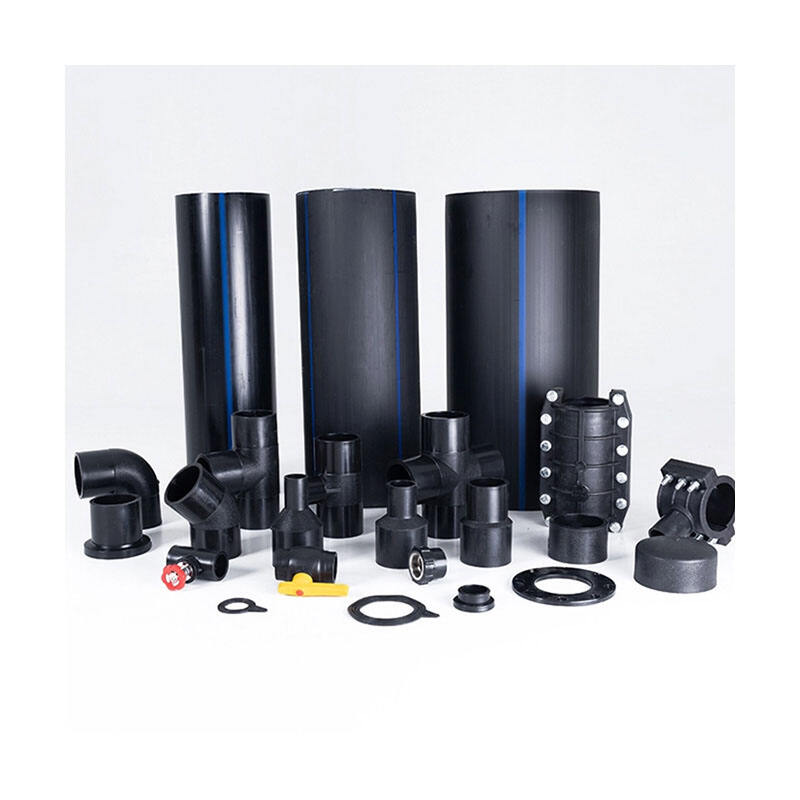
Operational Maintenance Cost Reductions
Extended Service Life Performance
PE pipe systems demonstrate exceptional longevity in large-scale applications, with documented service lives exceeding 100 years under normal operating conditions, significantly outperforming traditional materials that typically require replacement every 25-50 years. This extended service life reduces the lifecycle cost burden on infrastructure owners by eliminating major replacement projects during the economic life of the facilities they serve. The stable material properties ensure consistent hydraulic performance without the gradual deterioration that characterizes aging metal piping systems.
Maintenance teams report dramatic reductions in routine inspection requirements for PE pipe installations, as the material does not develop the pitting, scaling, or tuberculation that necessitates frequent internal cleaning and rehabilitation procedures in metal piping systems. The smooth internal surface characteristics remain stable throughout the service life, maintaining hydraulic efficiency and eliminating the need for periodic cleaning operations that can cost thousands of dollars per mile of piping in large-scale networks.
Simplified Repair and Modification Procedures
When repairs or system modifications become necessary, PE pipe systems offer significant advantages in terms of repair speed, equipment requirements, and restoration costs compared to traditional materials. The heat fusion joining process enables permanent repairs using portable equipment without the need for specialized facilities or extensive surface preparation procedures required for metal piping repairs. Large-scale projects benefit from the ability to make repairs without system drainage or extensive isolation procedures.
The availability of standardized repair techniques and fittings for PE pipe systems reduces maintenance inventory requirements and training costs for facility personnel, enabling efficient response to system issues without relying on specialized contractors or extended lead times for repair materials. The permanent nature of fused joints eliminates the recurring maintenance associated with mechanical connections that require periodic retightening, gasket replacement, and leak monitoring in traditional piping systems.
Economic Impact Analysis
Total Cost of Ownership Benefits
Financial analysis of large-scale projects consistently demonstrates that PE pipe systems deliver superior total cost of ownership performance when evaluated over typical infrastructure design lives of 50-100 years. While initial material costs may be comparable to traditional alternatives, the reduced installation time, elimination of protective systems, and dramatically lower maintenance requirements result in lifecycle savings that can exceed 30% of the initial project investment. These savings become particularly significant in large-scale applications where even small percentage improvements translate into substantial dollar amounts.
Large-scale project owners benefit from improved cash flow predictability due to the reduced maintenance expense variability associated with PE pipe systems compared to traditional materials that experience accelerating maintenance costs as they age. The stable performance characteristics enable more accurate long-term budget planning and reduce the risk of unexpected capital expenditures for emergency system repairs or premature replacement projects that can severely impact facility operating budgets.
Risk Mitigation and Insurance Implications
Insurance providers increasingly recognize the superior reliability of PE pipe systems in large-scale applications, often providing reduced premiums for facilities utilizing polyethylene piping due to the lower risk of catastrophic failures and water damage claims. The elimination of corrosion-related failures reduces liability exposure for facility owners while improving system reliability for critical applications where service interruptions carry significant economic consequences. Risk management professionals appreciate the predictable performance characteristics that enable more accurate failure probability assessments.
Large-scale projects utilizing PE pipe systems report reduced business interruption insurance costs due to the lower probability of extended system outages caused by major piping failures, which can cost hundreds of thousands of dollars per day in lost productivity for industrial facilities. The improved system reliability also reduces the need for expensive backup systems or redundant capacity that facility designers often specify to compensate for the anticipated failures in traditional piping materials.
Environmental and Sustainability Considerations
Reduced Environmental Impact
PE pipe systems contribute to reduced environmental compliance costs through eliminated risk of soil and groundwater contamination associated with corrosion products from metal piping systems, reducing environmental monitoring requirements and potential remediation liabilities for large-scale projects. The chemically inert nature of polyethylene eliminates leaching concerns that can trigger expensive environmental compliance issues in sensitive installations such as industrial facilities near water supplies or protected environmental areas.
Large-scale projects benefit from reduced environmental permitting costs and simplified regulatory approval processes when utilizing PE pipe systems due to the elimination of cathodic protection systems, protective coatings, and corrosion inhibitors that can raise environmental concerns during the permitting process. The recyclability of polyethylene materials also provides end-of-life value recovery opportunities that offset system replacement costs while supporting corporate sustainability objectives.
Energy Efficiency Advantages
The smooth internal surface characteristics of PE pipe systems maintain hydraulic efficiency throughout their service life, reducing pumping energy costs compared to aging metal piping systems that develop increasing roughness due to corrosion and scale buildup over time. Large-scale pumping installations can realize substantial ongoing energy cost savings through the maintained hydraulic efficiency of polyethylene piping networks, with savings that continue to compound over the system service life.
Facility energy managers report measurable reductions in pumping costs when PE pipe systems replace aging metal infrastructure, with improvements in system efficiency that can reduce electrical consumption by 10-15% in large-scale distribution networks. These energy savings provide ongoing operational cost reductions that contribute to the total cost of ownership advantages while supporting facility sustainability goals and carbon footprint reduction objectives.
FAQ
What is the typical maintenance cost difference between PE pipe and traditional materials?
Large-scale projects utilizing PE pipe typically experience 60-80% lower maintenance costs compared to steel or iron piping systems over a 50-year service life. This reduction comes from eliminated corrosion-related repairs, reduced inspection requirements, lower failure rates, and simplified repair procedures when maintenance becomes necessary.
How does PE pipe performance compare in extreme weather conditions?
PE pipe demonstrates superior performance in extreme weather conditions due to its flexibility and resistance to freeze-thaw cycles that commonly damage rigid piping materials. The material can accommodate ground movement and temperature variations without developing stress fractures, resulting in significantly lower winter maintenance costs and emergency repair requirements in cold climate installations.
What training requirements exist for maintenance personnel working with PE pipe systems?
Maintenance personnel require minimal specialized training for PE pipe systems compared to traditional materials, as repairs utilize standardized heat fusion techniques and readily available equipment. Most maintenance departments can train existing staff to perform routine repairs and modifications without requiring certified welders or specialized contractors, reducing long-term labor costs and improving response times for system issues.
How do PE pipe systems affect project financing and insurance costs?
Financial institutions and insurance providers increasingly favor projects utilizing PE pipe systems due to their proven reliability record and lower maintenance risk profile. This preference often translates into improved loan terms, reduced insurance premiums, and enhanced project valuations that provide additional economic benefits beyond the direct maintenance cost savings achieved through polyethylene piping selection.