



How to choose the right PE pipe size for construction engineering?
Selecting the appropriate PE pipe size for construction engineering projects represents a critical decision that impacts system performance, cost efficiency, and long-term durability. Engineers and contractors must navigate complex considerations including flow requirements, pressure ratings, installation constraints, and regulatory compliance. Understanding the fundamental principles behind PE pipe size selection ensures optimal project outcomes while minimizing costly redesigns and performance issues. The polyethylene pipe industry has evolved significantly, offering diverse diameter options and wall thickness configurations to meet various construction applications. Modern PE pipe size standards provide comprehensive guidelines for residential, commercial, and industrial installations across multiple engineering disciplines.
Understanding PE Pipe Sizing Fundamentals
Nominal Diameter Classifications
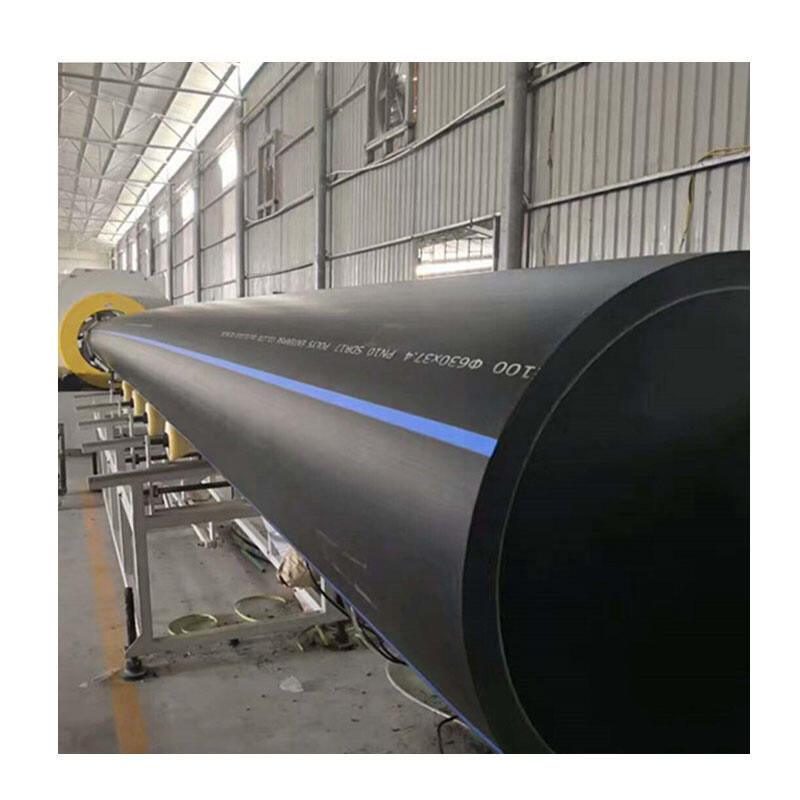
PE pipe size classifications follow international standards that define nominal diameters ranging from small residential applications to large infrastructure projects. The nominal diameter represents the approximate internal diameter and serves as the primary identification method for pipe selection. Standard PE pipe size options include dimensions from 20mm up to 1600mm, with each size category designed for specific flow capacity and pressure requirements. Engineers must distinguish between nominal diameter, outside diameter, and inside diameter when specifying PE pipe size for construction projects. The relationship between these measurements directly affects hydraulic calculations and system compatibility with fittings and connections.
Wall thickness variations within each PE pipe size category provide additional flexibility for pressure rating optimization. The Standard Dimension Ratio (SDR) system correlates pipe diameter with wall thickness to establish pressure class ratings. Lower SDR values indicate thicker walls and higher pressure capabilities, while higher SDR values represent thinner walls suitable for lower pressure applications. Understanding this relationship enables engineers to select the most cost-effective PE pipe size that meets project specifications without over-engineering the system.
Material Grade Considerations
PE100 material represents the highest grade polyethylene commonly used in construction applications, offering superior strength characteristics that influence PE pipe size selection strategies. This advanced material grade allows for thinner wall sections while maintaining equivalent pressure ratings compared to lower grade materials. The enhanced properties of PE100 enable engineers to specify smaller PE pipe size options for given flow requirements, potentially reducing excavation costs and installation complexity. Material grade selection directly impacts the relationship between PE pipe size, pressure rating, and long-term performance expectations.
Chemical resistance and temperature stability vary among PE material grades, affecting PE pipe size performance in specific construction environments. High-temperature applications may require larger PE pipe size selections to compensate for reduced pressure ratings at elevated operating temperatures. Similarly, aggressive soil conditions or chemical exposure scenarios influence material grade selection, which subsequently affects optimal PE pipe size choices for long-term reliability. Engineers must evaluate environmental factors alongside hydraulic requirements when determining appropriate PE pipe size specifications.
Hydraulic Design Principles
Flow Capacity Calculations
Determining adequate flow capacity represents the primary driver for PE pipe size selection in construction engineering applications. The Hazen-Williams equation and Darcy-Weisbach formula provide standardized methods for calculating flow rates through various PE pipe size options under different operating conditions. These hydraulic calculations consider pipe roughness coefficients, which remain relatively constant for polyethylene materials throughout their service life. Engineers must account for peak demand scenarios and future capacity requirements when establishing minimum PE pipe size thresholds for construction projects.
Velocity limitations within PE pipe systems influence maximum flow rates and minimum PE pipe size selections for specific applications. Water distribution systems typically maintain velocities between 0.5 and 2.0 meters per second to prevent excessive pressure losses and potential water hammer effects. Higher velocities require larger PE pipe size options to maintain acceptable pressure drops across the system length. Conversely, minimum velocity requirements prevent sediment accumulation and ensure adequate mixing in water treatment applications, establishing lower bounds for PE pipe size selection criteria.
Pressure Drop Analysis
Pressure drop calculations across pipe networks determine the minimum acceptable PE pipe size required to maintain adequate system pressure at all delivery points. The relationship between pipe diameter and pressure loss follows exponential patterns, making PE pipe size selection critically important for energy efficiency and pump sizing. Friction losses increase dramatically as pipe diameter decreases, often requiring significantly larger PE pipe size options than initially anticipated based on flow capacity alone. Engineers must balance initial material costs against long-term operational expenses when optimizing PE pipe size selections.
System elevation changes and static head requirements add complexity to PE pipe size determination procedures in construction projects with significant topographical variations. Pumping systems must overcome both friction losses and elevation differences, making PE pipe size selection crucial for maintaining adequate pressure margins throughout the distribution network. Larger PE pipe size options reduce friction losses but increase material costs, requiring careful economic analysis to identify optimal sizing strategies. Advanced hydraulic modeling software enables engineers to evaluate multiple PE pipe size scenarios and identify cost-effective solutions for complex construction projects.
Installation and Construction Factors
Trench Requirements
Excavation costs increase substantially with larger PE pipe size selections, making trench width and depth considerations essential factors in construction project economics. Standard installation practices require minimum clearances around PE pipes for proper bedding and backfill procedures, with larger diameters necessitating wider trenches and increased excavation volumes. The relationship between PE pipe size and trench requirements often influences overall project costs more significantly than pipe material expenses. Construction schedules must account for extended excavation and backfill operations associated with larger PE pipe size installations.
Bedding and backfill specifications vary according to PE pipe size and soil conditions, affecting installation complexity and material requirements. Larger PE pipe size options typically require more sophisticated bedding materials and compaction procedures to ensure proper load distribution and prevent pipe deformation. Granular bedding depths increase proportionally with pipe diameter, adding to excavation requirements and material costs. Engineers must evaluate the total installed cost implications of different PE pipe size options rather than focusing solely on pipe material pricing.
Joining and Connection Methods
Fusion welding techniques for PE pipes vary according to PE pipe size, with larger diameters requiring specialized equipment and qualified operators for proper joint integrity. Butt fusion welding represents the preferred connection method for larger PE pipe size applications, providing homogeneous joints with strength properties equivalent to the parent pipe material. Smaller PE pipe size options may utilize electrofusion fittings or mechanical connections, offering installation flexibility but potentially limiting long-term performance in demanding applications. Connection method selection influences both initial installation costs and long-term maintenance requirements.
Quality control procedures for PE pipe joints become increasingly critical with larger pipe sizes due to higher consequence of failure scenarios. Larger PE pipe size installations require comprehensive testing protocols including visual inspection, pressure testing, and non-destructive examination of fusion joints. The specialized equipment required for joining large PE pipe size options may necessitate contractor prequalification and certification processes, affecting project scheduling and procurement strategies. Engineers must specify appropriate joining procedures and quality assurance measures based on PE pipe size and application criticality.
Economic Optimization Strategies
Life Cycle Cost Analysis
Comprehensive economic evaluation of PE pipe size alternatives requires analysis of initial costs, operational expenses, and maintenance requirements over the entire system service life. Larger PE pipe size selections typically involve higher material and installation costs but provide reduced pumping energy requirements and enhanced system reliability. The economic crossover point between PE pipe size options depends on energy costs, system utilization patterns, and discount rate assumptions used in present value calculations. Engineers must develop detailed cash flow models to identify optimal PE pipe size selections for specific construction projects.
Energy cost projections significantly influence PE pipe size optimization studies, particularly for systems with high utilization rates and extended service lives. Rising energy costs favor larger PE pipe size options that minimize friction losses and reduce pumping requirements throughout the system operational period. Conversely, projects with limited operational hours or short service lives may justify smaller PE pipe size selections to minimize initial capital expenditure. Sensitivity analysis techniques help engineers understand how various economic assumptions affect optimal PE pipe size recommendations.
Future Expansion Considerations
Anticipated system growth and capacity expansion requirements influence PE pipe size selection strategies for construction projects with long-term development potential. Installing larger PE pipe size options during initial construction phases often proves more cost-effective than subsequent system upgrades or parallel installations. The additional capacity provided by oversized PE pipe selections may accommodate future development phases without requiring extensive infrastructure modifications. Engineers must balance the costs of immediate oversizing against potential future expansion expenses and disruption impacts.
Modular construction approaches enable phased PE pipe size upgrades that align infrastructure investments with actual demand growth patterns. Strategic placement of larger PE pipe size segments in main distribution lines provides expansion capability while minimizing initial investment in branch networks. This approach requires careful hydraulic analysis to ensure adequate performance during transitional periods and maintain system flexibility for future modifications. Advanced planning techniques help optimize PE pipe size selections for projects with uncertain long-term capacity requirements.
Regulatory Compliance and Standards
International Standards Framework
PE pipe size specifications must comply with applicable international standards including ISO 4427, ASTM D3035, and regional regulatory requirements that govern construction applications. These standards establish minimum performance criteria, testing procedures, and marking requirements that ensure PE pipe size selections meet safety and reliability expectations. Compliance verification typically requires third-party certification and ongoing quality assurance programs throughout the manufacturing and installation process. Engineers must specify PE pipe size options that meet or exceed applicable standard requirements for their specific construction applications.
Regional variations in PE pipe size standards may affect product availability and pricing in different geographic markets. European standards emphasize metric sizing systems and specific material grade requirements, while North American standards incorporate imperial measurements and alternative testing protocols. These differences influence PE pipe size selection strategies for international construction projects and may require design modifications to accommodate local standard requirements. Standardization efforts continue to harmonize PE pipe size specifications globally, but regional differences remain significant factors in material selection decisions.
Safety and Environmental Regulations
Environmental regulations increasingly influence PE pipe size selection criteria through requirements for leak detection, secondary containment, and environmental impact minimization. Larger PE pipe size options may provide enhanced safety margins but require more extensive environmental impact assessments and mitigation measures. Conversely, smaller diameter installations may reduce environmental disturbance but provide less operational flexibility and potentially higher long-term risk profiles. Engineers must balance regulatory compliance requirements with technical performance objectives when optimizing PE pipe size selections.
Safety factor applications in PE pipe size calculations ensure adequate performance margins under extreme operating conditions and account for material property variations over extended service lives. Conservative sizing approaches may specify larger PE pipe size options to provide enhanced reliability and reduce failure consequences in critical applications. Risk-based design methodologies enable more precise PE pipe size optimization by quantifying failure probabilities and associated consequences. These advanced techniques help engineers develop PE pipe size specifications that meet safety objectives while optimizing economic performance.
FAQ
What factors determine the minimum PE pipe size for a construction project
The minimum PE pipe size depends primarily on required flow capacity, available pressure head, and maximum acceptable velocity limits. Engineers must calculate peak demand scenarios and ensure adequate capacity margins for future growth. Hydraulic modeling determines pressure losses through various PE pipe size options, while velocity constraints prevent excessive turbulence and potential system damage. Local building codes and industry standards may establish minimum PE pipe size requirements for specific applications.
How does PE pipe size affect installation costs and project scheduling
Larger PE pipe size selections require wider trenches, increased excavation volumes, and specialized installation equipment that significantly impact project costs and timelines. Trench width requirements increase disproportionately with pipe diameter, while deeper installations may require additional shoring and safety measures. Larger PE pipe size options often necessitate specialized fusion welding equipment and certified operators, affecting contractor selection and scheduling flexibility. The total installed cost frequently exceeds pipe material costs by factors of three to five times.
Can PE pipe size be reduced in series along a distribution network
PE pipe size can be systematically reduced along distribution networks as flow requirements decrease at branch points, provided adequate pressure margins are maintained throughout the system. This branching approach optimizes material costs while ensuring adequate service levels at all delivery points. However, PE pipe size reductions must account for future capacity requirements and avoid creating system bottlenecks that limit expansion potential. Hydraulic modeling validates that pressure and velocity criteria are met across all PE pipe size transitions.
What role does soil condition play in PE pipe size selection
Soil conditions affect PE pipe size selection through their impact on installation requirements, bedding specifications, and long-term structural performance. Rocky or unstable soils may favor smaller PE pipe size options that require less excavation and provide installation flexibility. Conversely, corrosive soil environments may justify larger PE pipe size selections to accommodate thicker wall sections and enhanced chemical resistance. Groundwater conditions and seasonal frost penetration depths influence minimum burial requirements that affect PE pipe size accessibility and installation costs.