



How to maintain HDPE pipes for consistent pipeline performance?
High-density polyethylene pipes have revolutionized modern infrastructure systems due to their exceptional durability, chemical resistance, and long service life. However, even the most robust HDPE pipes require proper maintenance protocols to ensure consistent pipeline performance throughout their operational lifespan. Understanding the fundamental principles of HDPE pipe maintenance helps facility managers, contractors, and operators maximize their investment while preventing costly failures and service interruptions.
The unique properties of HDPE pipes make them particularly well-suited for various applications, including water distribution, sewage systems, industrial process lines, and gas transmission networks. Their flexibility allows for easier installation and adaptation to ground movement, while their smooth interior surface minimizes friction losses and reduces energy consumption. Nevertheless, implementing comprehensive maintenance strategies ensures these advantages persist throughout the system's design life, typically spanning several decades.
Understanding HDPE Pipe Characteristics for Effective Maintenance
Material Properties and Performance Factors
HDPE pipes exhibit exceptional resistance to corrosion, chemical attack, and environmental stress cracking, making them significantly more durable than traditional materials like steel or concrete. The molecular structure of high-density polyethylene provides inherent flexibility that accommodates thermal expansion and contraction without compromising structural integrity. These characteristics directly influence maintenance requirements and procedures, as HDPE pipes typically require less frequent interventions compared to metallic alternatives.
Temperature variations affect HDPE pipe performance, with thermal cycling potentially causing dimensional changes that impact joint integrity and system alignment. Understanding the coefficient of thermal expansion helps maintenance teams anticipate and address potential issues before they escalate into costly repairs. Additionally, the viscoelastic nature of HDPE means that stress relaxation occurs over time, which must be considered when evaluating joint tightness and support requirements during routine inspections.
Common Failure Modes and Prevention Strategies
While HDPE pipes demonstrate superior longevity, certain failure modes can occur without proper maintenance attention. Slow crack growth represents the most significant long-term concern, typically initiated by stress concentrations, improper installation practices, or exposure to aggressive chemicals. Environmental stress cracking can develop when pipes encounter specific chemical agents under sustained stress conditions, emphasizing the importance of regular monitoring and chemical compatibility assessments.
Joint failures constitute another potential vulnerability, particularly in fusion-welded connections where inadequate heating, contamination, or improper alignment during installation can create weak points. Mechanical joints using compression fittings or flanged connections require periodic inspection for gasket degradation, bolt torque verification, and alignment checks. Implementing preventive measures through systematic inspection protocols helps identify early warning signs before critical failures occur.
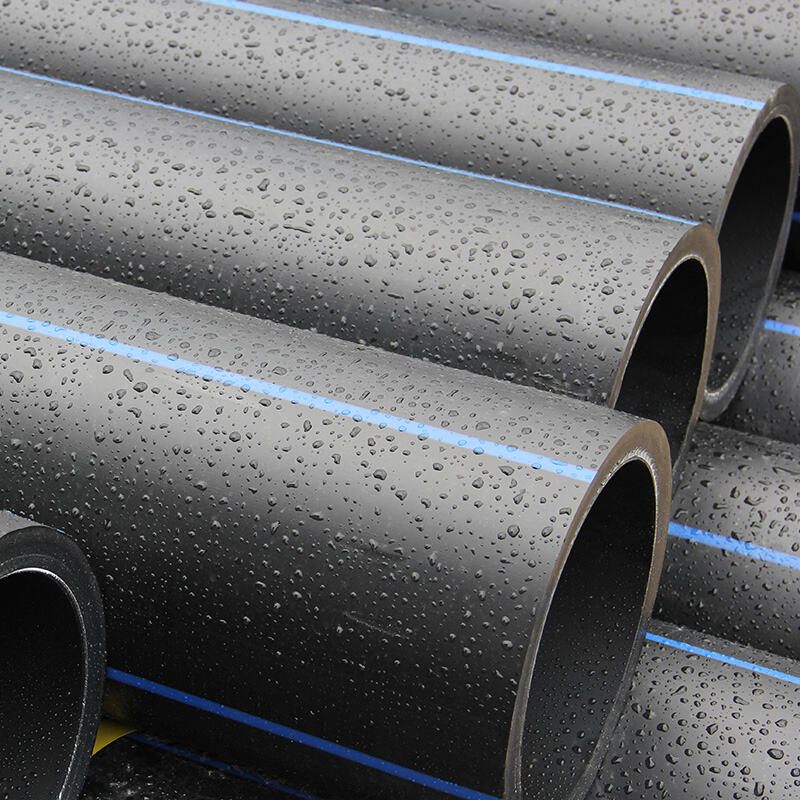
Inspection Protocols and Monitoring Techniques
Visual Assessment and Documentation Procedures
Regular visual inspections form the foundation of effective HDPE pipe maintenance programs, providing essential information about system condition and potential problem areas. Inspection teams should examine exposed pipe sections for signs of physical damage, including gouges, scratches, or impact marks that could serve as stress concentration points. Surface discoloration, particularly chalking or oxidation, may indicate ultraviolet exposure or chemical attack that requires immediate attention and protective measures.
Documentation protocols must capture detailed information about inspection findings, including photographic records, dimensional measurements, and environmental conditions at the time of assessment. Establishing baseline data during initial installation or early operational phases enables maintenance teams to track changes over time and identify trends that might indicate developing problems. Comprehensive record-keeping also supports warranty claims and helps optimize future maintenance scheduling based on actual system performance data.
Advanced Diagnostic Technologies
Modern diagnostic technologies provide valuable insights into HDPE pipe condition that extend beyond visual assessment capabilities. Ultrasonic testing techniques can detect wall thickness variations, internal defects, or stress concentrations that might not be apparent through surface examination. These non-destructive testing methods help maintenance teams make informed decisions about repair priorities and replacement scheduling while minimizing service disruptions.
Pressure testing protocols validate system integrity and help identify potential leak points before they become service-affecting failures. Hydrostatic testing at specified intervals confirms that HDPE pipes maintain their pressure-bearing capacity and structural soundness. Acoustic monitoring systems can detect and locate leaks in buried or inaccessible sections, enabling targeted repairs that minimize excavation requirements and associated costs.
Cleaning and Flow Optimization Strategies
Internal Cleaning Methodologies
Despite the smooth interior surface of HDPE pipes, deposits and biofilm formation can occur over time, particularly in water distribution systems or applications involving organic materials. Pigging operations using foam pigs, mechanical scrapers, or intelligent pigs effectively remove accumulated deposits while providing valuable information about internal pipe condition. The flexibility of HDPE pipes accommodates various pig designs, including those equipped with sensors for internal inspection purposes.
Chemical cleaning procedures must consider HDPE pipe compatibility to avoid damage or degradation. Approved cleaning agents and concentration limits help ensure effective deposit removal without compromising pipe integrity or service life. Flushing protocols following chemical cleaning operations remove residual agents and restore normal operating conditions. Regular cleaning schedules based on system usage patterns and water quality characteristics help maintain optimal flow capacity and prevent biofilm establishment.
Flow Rate Monitoring and Optimization
Monitoring flow rates and pressure differentials across HDPE pipe systems provides early indication of developing restrictions or capacity limitations. Baseline measurements established during initial operation enable maintenance teams to identify gradual changes that might indicate deposit accumulation, joint problems, or other performance issues. Flow optimization strategies consider both hydraulic efficiency and energy consumption to maximize system performance while minimizing operational costs.
Velocity management prevents erosion damage in applications involving abrasive particles while maintaining adequate cleaning velocities to prevent settling. Understanding the relationship between flow velocity, particle size, and pipe diameter helps optimize system operation and minimize maintenance requirements. Regular calibration of flow measurement devices ensures accurate data collection for trend analysis and performance evaluation purposes.
Joint Integrity and Connection Maintenance
Fusion Joint Assessment and Repair
Fusion-welded joints represent the strongest connection method for HDPE pipes, creating monolithic pipe runs with joint strength typically exceeding base pipe material properties. However, improper fusion procedures, contamination, or environmental factors can compromise joint integrity over time. Visual inspection of fusion joints focuses on bead geometry, surface finish, and alignment to identify potential problems early in their development cycle.
Non-destructive testing techniques, including ultrasonic examination and radiographic inspection, provide detailed information about fusion joint quality without requiring system shutdown or excavation. These advanced inspection methods detect internal voids, incomplete fusion, or contamination that might not be apparent through visual assessment alone. When fusion joint repairs become necessary, proper procedures ensure restored joint strength and long-term reliability through careful preparation, heating, and cooling cycles.
Mechanical Connection Maintenance
Mechanical connections using compression fittings, flanged joints, or transition couplings require periodic maintenance attention to ensure continued sealing performance and structural integrity. Gasket replacement schedules consider environmental exposure, chemical compatibility, and manufacturer recommendations to prevent premature failure or leakage. Bolt torque verification confirms proper clamping force while avoiding over-tightening that could damage HDPE pipe surfaces or fitting components.
Electrofusion connections combine the reliability of fusion welding with the convenience of mechanical installation, making them particularly suitable for repair applications or difficult installation conditions. Maintenance protocols for electrofusion joints include verification of electrical connections, heating element condition, and proper joint preparation procedures. Regular inspection of electrofusion joints helps identify potential problems before they affect system performance or require emergency repairs.
Environmental Protection and Longevity Enhancement
UV Protection and Surface Treatment
Ultraviolet radiation poses the primary environmental threat to exposed HDPE pipes, causing surface oxidation and potential stress cracking over extended exposure periods. Carbon black additives in properly formulated HDPE pipes provide inherent UV resistance, but additional protection measures become necessary for critical applications or extreme exposure conditions. Protective coatings, wrapping materials, or shading structures help extend service life and maintain structural integrity in above-ground installations.
Surface treatment protocols address existing UV damage through careful assessment and appropriate remediation techniques. Light oxidation can often be removed through controlled abrasion or chemical treatment, restoring surface integrity and appearance. Severe UV damage may require pipe replacement or protective measures to prevent further degradation and potential failure. Regular monitoring of UV exposure levels and surface condition helps optimize protection strategies and maintenance timing.
Chemical Resistance and Compatibility Management
HDPE pipes demonstrate excellent resistance to a wide range of chemicals, making them suitable for various industrial applications and aggressive environments. However, specific chemical agents or combinations can cause stress cracking, swelling, or degradation under certain conditions. Chemical compatibility assessments consider concentration levels, temperature conditions, and exposure duration to ensure safe operation and extended service life.
Monitoring programs for chemical exposure include regular sampling and analysis of transported fluids, environmental conditions, and pipe material properties. Changes in chemical composition, pH levels, or contamination can affect HDPE pipe performance and require immediate attention or system modifications. Establishing chemical exposure limits and monitoring protocols helps prevent damage while maximizing system capability and operational flexibility.
Preventive Maintenance Scheduling and Documentation
Maintenance Planning and Resource Allocation
Effective maintenance scheduling balances system reliability requirements with operational constraints and resource availability. Risk-based maintenance approaches prioritize critical system components and high-consequence failure points while optimizing inspection intervals and repair activities. Understanding HDPE pipe degradation mechanisms and failure modes helps establish appropriate maintenance frequencies and resource allocation strategies.
Seasonal considerations affect maintenance scheduling, with thermal cycling, ground movement, and environmental exposure varying throughout the year. Planning maintenance activities during optimal weather conditions improves work quality and safety while minimizing service disruptions. Coordination with system operations ensures adequate redundancy and backup capabilities during maintenance periods, particularly for critical infrastructure applications.
Record Keeping and Performance Tracking
Comprehensive documentation systems capture maintenance activities, inspection findings, and system performance data to support informed decision-making and continuous improvement efforts. Digital record-keeping systems enable efficient data storage, retrieval, and analysis while supporting regulatory compliance requirements and warranty documentation. Integration with asset management systems provides holistic visibility into system condition and maintenance requirements.
Performance metrics and key indicators help evaluate maintenance program effectiveness and identify opportunities for optimization. Tracking failure rates, repair frequencies, and system availability provides valuable feedback for maintenance strategy refinement and resource planning. Regular program reviews ensure alignment with operational objectives and industry best practices while adapting to changing system requirements or environmental conditions.
FAQ
How often should HDPE pipes be inspected for optimal maintenance
Inspection frequency for HDPE pipes depends on several factors including application type, environmental exposure, and system criticality. Generally, annual visual inspections are recommended for exposed sections, while buried pipes may require inspection every 3-5 years unless specific risk factors are present. High-pressure applications or critical infrastructure may warrant more frequent inspection intervals, typically every 6-12 months. Establishing baseline inspection data during initial operation helps determine optimal frequencies based on actual system performance and degradation patterns.
What are the most effective cleaning methods for maintaining HDPE pipe flow capacity
Pigging operations using foam pigs or mechanical scrapers provide the most effective cleaning method for HDPE pipes, removing deposits while accommodating the flexible nature of the material. Chemical cleaning using approved agents can address biofilm formation or specific deposit types, but requires careful consideration of HDPE compatibility and concentration limits. High-velocity flushing with clean water effectively removes loose deposits and maintains system cleanliness between major cleaning operations. The smooth interior surface of HDPE pipes typically requires less aggressive cleaning compared to rougher pipe materials.
How can environmental factors affect HDPE pipe maintenance requirements
Environmental factors significantly influence HDPE pipe maintenance needs, with UV exposure being the primary concern for above-ground installations. Temperature variations cause thermal expansion and contraction that may affect joint integrity and support requirements. Chemical exposure from transported fluids or surrounding soil conditions can accelerate degradation or create specific maintenance challenges. Ground movement, freeze-thaw cycles, and seismic activity may require additional monitoring and maintenance attention to ensure continued system integrity and performance.
What signs indicate potential HDPE pipe problems requiring immediate attention
Critical warning signs for HDPE pipes include visible surface cracking, particularly stress whitening or crazing that indicates potential failure initiation. Unusual pressure fluctuations, flow rate reductions, or unexplained system behavior may indicate developing problems requiring immediate investigation. Joint leakage, alignment issues, or support failure represent urgent concerns that could lead to system failure if not addressed promptly. Surface discoloration, particularly in UV-exposed areas, warrants immediate assessment and potential protective measures to prevent further degradation.