



What Are the Key Applications of Krah Pipe in Modern Infrastructure?
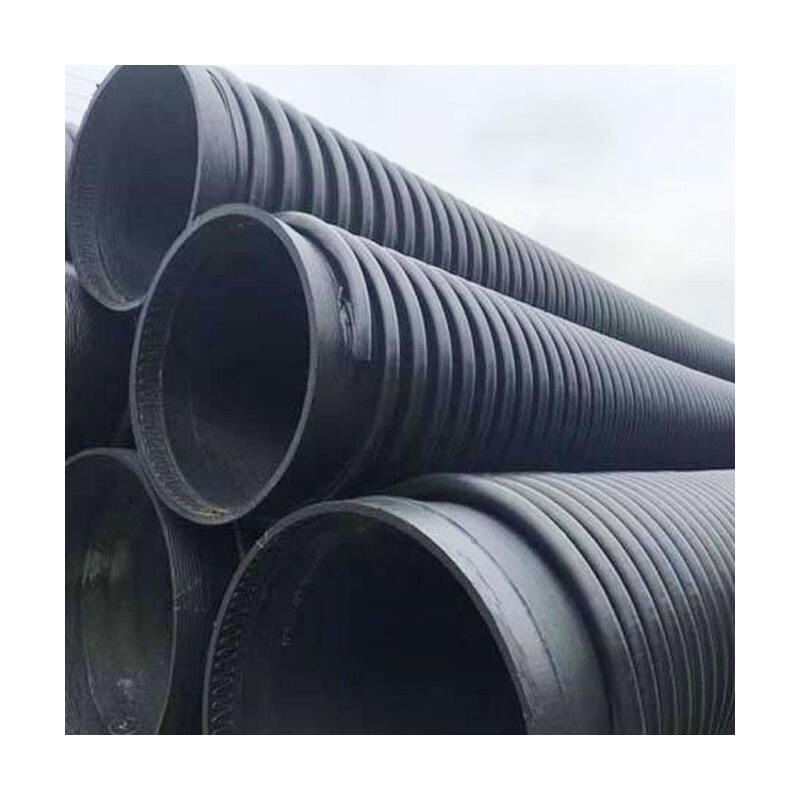
Krah pipe represents a revolutionary advancement in modern infrastructure development, offering superior structural integrity and versatility across diverse construction applications. This innovative spiral-wound corrugated pipe system has transformed how engineers approach large-diameter drainage, culvert installation, and underground infrastructure projects. Understanding the key applications of Krah pipe is essential for infrastructure professionals seeking reliable, cost-effective solutions that meet demanding performance requirements while delivering long-term durability.
The applications of Krah pipe span multiple infrastructure sectors, from municipal stormwater management to industrial drainage systems and transportation infrastructure. Each application leverages the unique properties of Krah pipe technology, including exceptional ring stiffness, chemical resistance, and installation flexibility. Modern infrastructure projects increasingly rely on Krah pipe solutions to address complex engineering challenges while maintaining compliance with stringent environmental and performance standards.
Municipal Infrastructure Applications
Stormwater Management Systems
Municipal stormwater management represents one of the most critical applications of Krah pipe in modern infrastructure. These systems require large-diameter pipes capable of handling substantial water volumes during peak flow conditions while maintaining structural integrity under varying soil loads. Krah pipe excels in these applications due to its superior ring stiffness and ability to maintain circular cross-section under pressure.
The installation of Krah pipe in stormwater networks provides municipalities with reliable long-term performance and reduced maintenance requirements. The smooth interior surface of Krah pipe minimizes friction losses, enabling efficient water flow and reducing system energy consumption. This efficiency becomes particularly important in urban areas where space constraints and environmental regulations demand optimized drainage solutions.
Advanced Krah pipe systems incorporate specialized joint designs that ensure watertight connections while accommodating ground movement and thermal expansion. These features make Krah pipe applications ideal for challenging soil conditions commonly encountered in municipal infrastructure projects, including areas with high groundwater levels or unstable subsurface conditions.
Sewer Collection Networks
Sewer collection systems benefit significantly from Krah pipe applications, particularly in gravity-fed networks requiring large-diameter conduits. The chemical resistance properties of Krah pipe materials provide excellent protection against aggressive wastewater environments while maintaining structural performance over extended service periods. Municipal engineers increasingly specify Krah pipe for trunk sewer applications where reliability and longevity are paramount.
The installation flexibility of Krah pipe systems enables efficient construction in constrained urban environments where traditional pipe materials present logistical challenges. The lightweight nature of Krah pipe reduces equipment requirements and installation time, minimizing disruption to existing infrastructure and reducing overall project costs for municipal authorities.
Rehabilitation applications represent another important area where Krah pipe technology provides value to municipal sewer systems. The ability to install Krah pipe through trenchless methods enables cost-effective upgrades of aging infrastructure without extensive excavation or service interruption.
Transportation Infrastructure Applications
Highway Culvert Systems
Transportation infrastructure relies heavily on Krah pipe applications for highway culvert installations, where pipes must withstand significant traffic loads while maintaining hydraulic performance. The high ring stiffness characteristics of Krah pipe enable installations under roadways without requiring extensive structural reinforcement, reducing construction costs and installation complexity.
Highway culvert applications of Krah pipe demonstrate exceptional durability under cyclic loading conditions typical of transportation infrastructure. The material properties of Krah pipe resist fatigue failure while maintaining dimensional stability throughout the design service life. This reliability makes Krah pipe applications particularly valuable for critical transportation corridors where service interruptions carry significant economic consequences.
The corrosion resistance of Krah pipe materials eliminates concerns about electrochemical degradation common with metallic culvert systems, particularly in environments exposed to deicing salts or aggressive groundwater conditions. This advantage extends the service life of transportation infrastructure while reducing long-term maintenance requirements.
Airport Drainage Systems
Airport infrastructure presents unique challenges that make Krah pipe applications particularly advantageous for runway and taxiway drainage systems. The ability of Krah pipe to maintain structural integrity under aircraft loading conditions while providing efficient drainage performance meets the demanding requirements of aviation infrastructure.
The installation of Krah pipe in airport applications requires careful consideration of soil conditions and loading requirements specific to aircraft operations. The high strength-to-weight ratio of Krah pipe enables efficient installation while ensuring adequate structural performance under dynamic loading conditions typical of airport environments.
Fire safety considerations in airport applications benefit from the material properties of Krah pipe, which resist ignition and do not contribute to flame propagation in emergency situations. These safety characteristics make Krah pipe applications compliant with aviation safety standards while providing reliable drainage performance.
Industrial and Commercial Applications
Chemical Processing Facilities
Industrial facilities, particularly chemical processing plants, require drainage systems capable of handling aggressive chemicals and varying temperature conditions. Krah pipe applications in these environments leverage the exceptional chemical resistance of the pipe materials to provide reliable service in challenging industrial conditions. The broad chemical compatibility of Krah pipe enables use with most industrial effluents without degradation of pipe performance.
Process cooling water systems in industrial facilities benefit from Krah pipe applications where large-diameter pipes must handle high flow volumes while resisting chemical attack from treatment additives. The smooth interior surface of Krah pipe minimizes pressure losses while preventing the accumulation of deposits that could compromise system performance.
Emergency containment systems represent another critical application of Krah pipe in industrial settings, where rapid deployment and reliable performance are essential for environmental protection. The installation flexibility and structural integrity of Krah pipe enable effective containment solutions that meet regulatory requirements while providing cost-effective protection.
Mining Operations
Mining operations present harsh environmental conditions that test the durability of infrastructure systems, making Krah pipe applications particularly valuable for mine dewatering and process water management. The ability of Krah pipe to resist abrasion from suspended solids while maintaining structural integrity under ground movement makes it ideal for mining applications.
Tailings management systems in mining operations benefit from Krah pipe applications where long-term reliability and resistance to chemical attack are critical performance requirements. The installation of Krah pipe in these systems provides operators with confidence in system integrity while reducing maintenance requirements in remote locations.
The lightweight nature of Krah pipe facilitates installation in mining applications where access constraints and equipment limitations present logistical challenges. This installation advantage enables cost-effective infrastructure development in remote mining locations while ensuring reliable system performance throughout the mine operating life.
Agricultural Infrastructure Applications
Irrigation Distribution Systems
Modern agricultural operations increasingly rely on Krah pipe applications for efficient irrigation distribution systems that must deliver precise water volumes while withstanding environmental stresses. The hydraulic efficiency of Krah pipe systems minimizes energy consumption in pumped irrigation networks while providing reliable water delivery throughout extended growing seasons.
Large-scale irrigation projects benefit from the installation flexibility of Krah pipe, which enables efficient construction across varied terrain conditions while maintaining system integrity. The ability to accommodate ground settlement and thermal movement ensures long-term performance in agricultural applications where system reliability directly impacts crop production.
The chemical resistance of Krah pipe materials provides compatibility with agricultural chemicals and fertilizers commonly present in irrigation systems. This compatibility eliminates concerns about pipe degradation from chemical exposure while maintaining water quality throughout the distribution network.
Drainage and Land Improvement
Agricultural drainage applications of Krah pipe enable effective land improvement projects that increase productive capacity while protecting soil resources. The installation of Krah pipe in subsurface drainage systems provides reliable performance under agricultural loading conditions while maintaining adequate hydraulic capacity for effective field drainage.
Livestock operations benefit from Krah pipe applications in waste management systems where resistance to biological attack and chemical degradation ensures long-term system reliability. The structural integrity of Krah pipe under soil loads enables effective waste collection and treatment systems that meet environmental regulations while supporting operational efficiency.
Aquaculture operations utilize Krah pipe applications for water supply and drainage systems where biological compatibility and structural reliability are essential performance requirements. The inert nature of Krah pipe materials ensures water quality while providing reliable hydraulic performance throughout aquaculture production cycles.
FAQ
What are the primary advantages of using Krah pipe in infrastructure applications?
Krah pipe offers superior ring stiffness, excellent chemical resistance, lightweight installation characteristics, and exceptional durability under varying soil and loading conditions. These properties make Krah pipe applications ideal for demanding infrastructure projects where long-term reliability and cost-effectiveness are critical performance requirements.
How does Krah pipe perform in high-traffic transportation applications?
Krah pipe demonstrates excellent performance under high-traffic loads due to its high ring stiffness and resistance to fatigue failure. The material properties enable installations under roadways and airports without extensive structural reinforcement, while maintaining dimensional stability throughout the design service life under cyclic loading conditions.
Can Krah pipe be used in chemically aggressive industrial environments?
Yes, Krah pipe materials exhibit broad chemical compatibility and exceptional resistance to chemical attack, making them suitable for most industrial applications involving aggressive chemicals. The inert nature of the pipe materials prevents degradation from chemical exposure while maintaining structural integrity and hydraulic performance in challenging industrial environments.
What installation advantages does Krah pipe offer compared to traditional pipe materials?
Krah pipe provides significant installation advantages including lightweight construction that reduces equipment requirements, flexible joint systems that accommodate ground movement, and compatibility with trenchless installation methods. These characteristics enable faster installation with reduced disruption to existing infrastructure while lowering overall project costs and construction complexity.