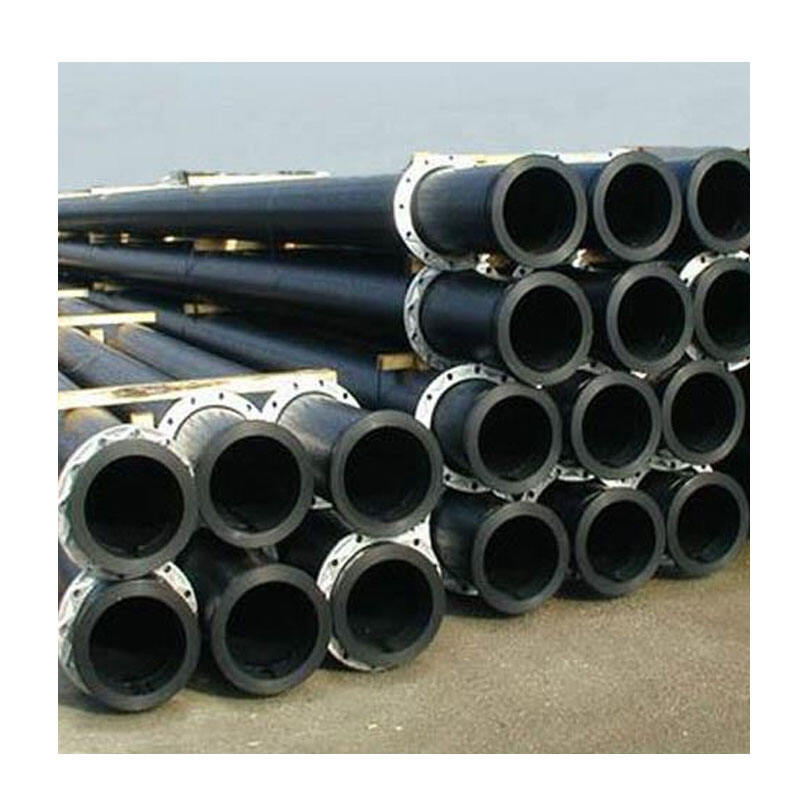
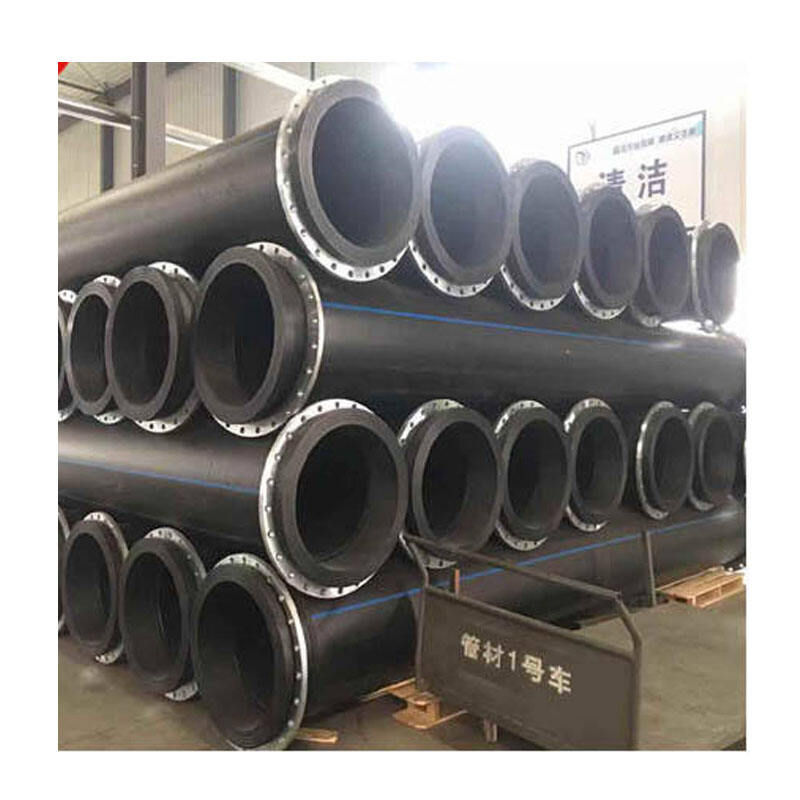
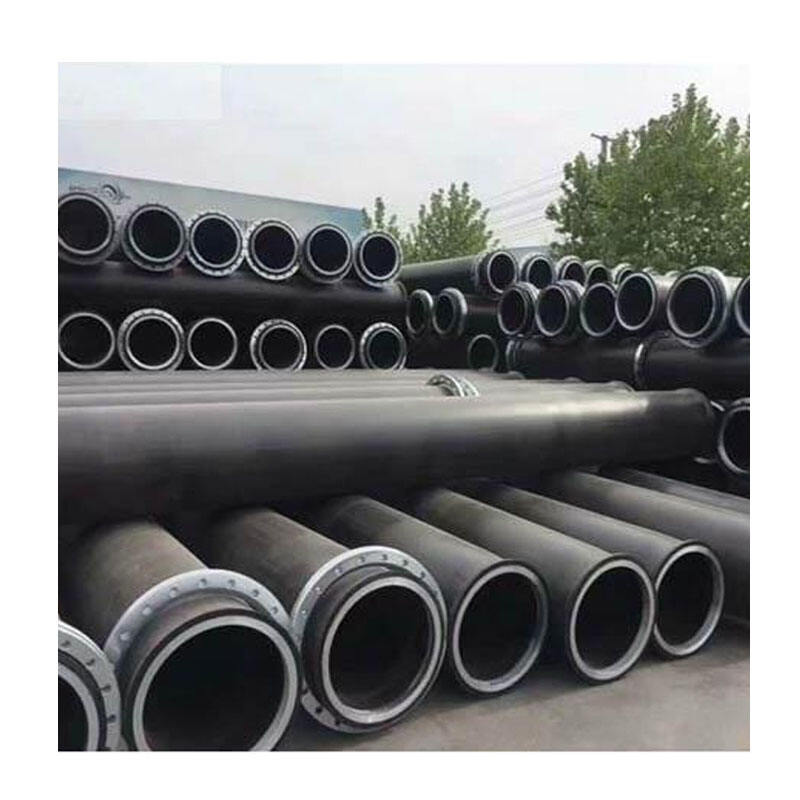
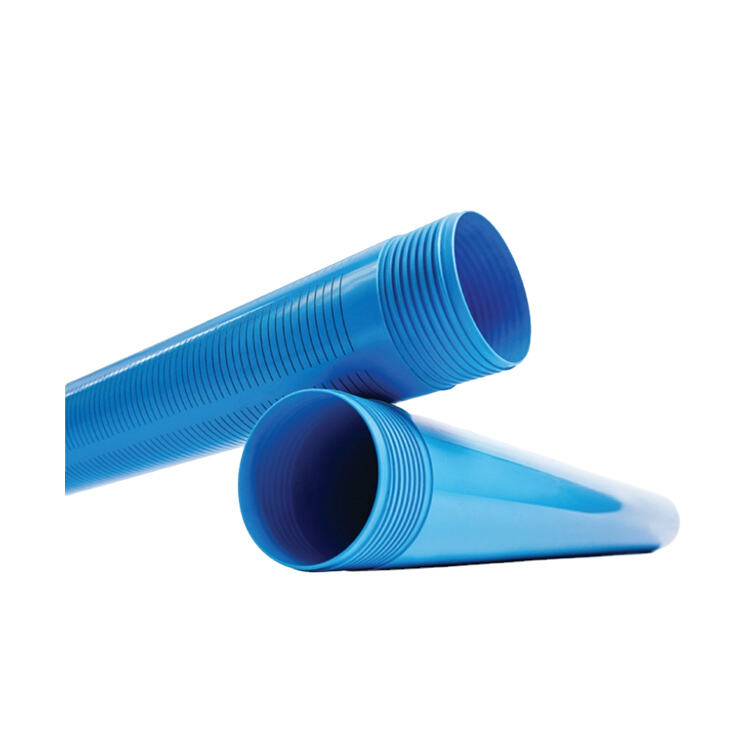
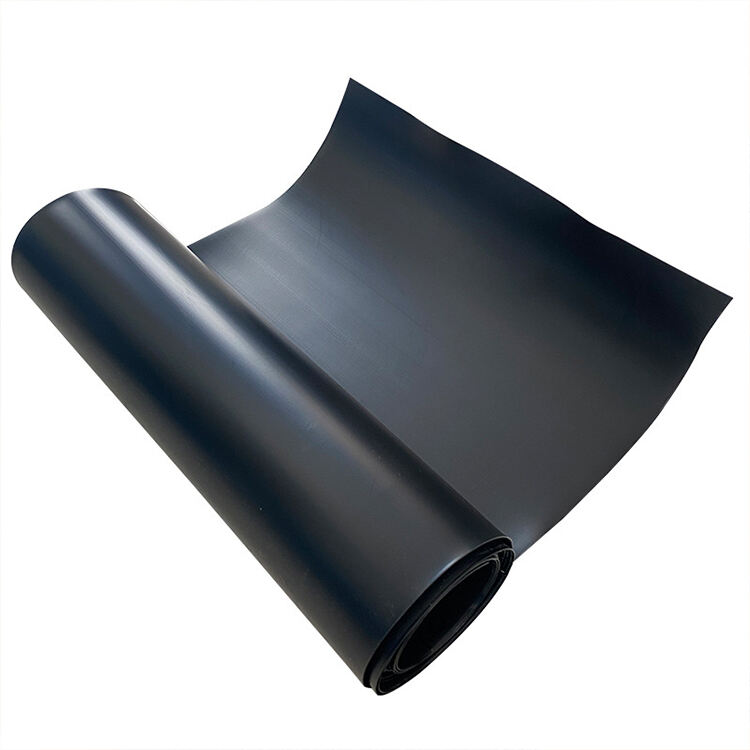
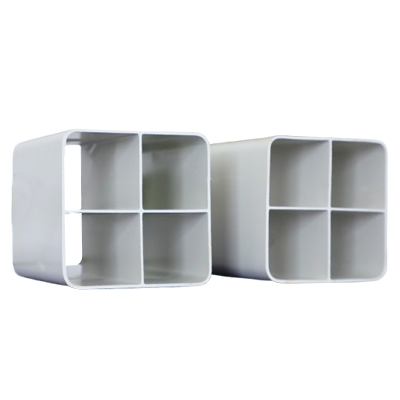
Dredging Floating Pipeline Solutions - Efficient Marine Material Transport Systems

Get a Free Quote

Our representative will contact you soon.
Email
Mobile
Name
Message
0/1000

dredging floating pipeline

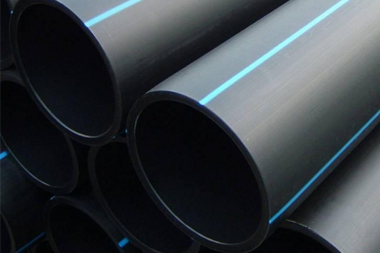
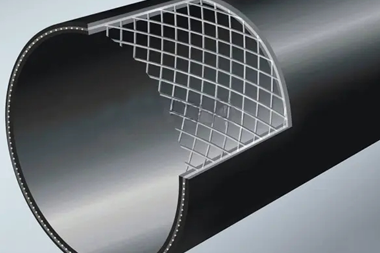
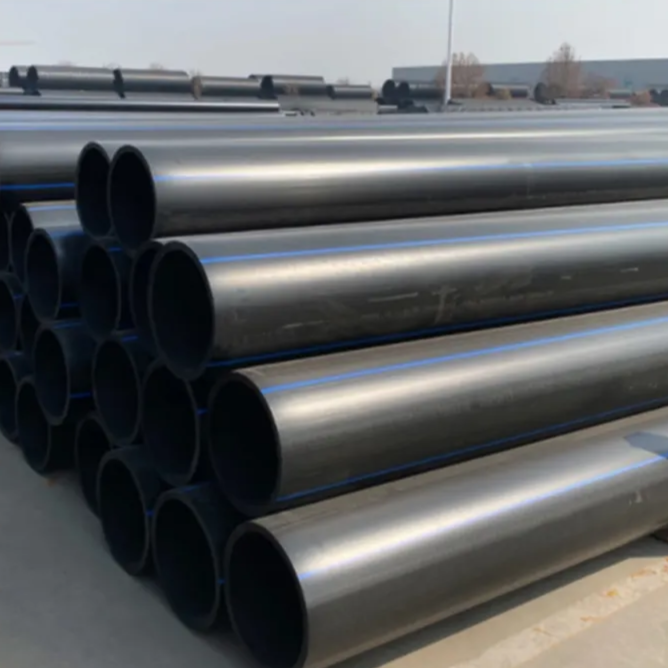
A dredging floating pipeline represents a sophisticated marine infrastructure solution designed to transport dredged materials from underwater excavation sites to designated disposal or processing locations. This specialized pipeline system consists of interconnected floating segments that maintain buoyancy while efficiently conveying sediment, sand, gravel, and other dredged materials across water bodies. The dredging floating pipeline serves as the critical link between dredging vessels and shore-based facilities, enabling continuous material transport without interrupting marine traffic or compromising operational efficiency. The technological foundation of a dredging floating pipeline incorporates advanced materials engineering, featuring high-density polyethylene construction that resists corrosion, marine growth, and environmental degradation. Each pipeline segment includes integrated floatation chambers that automatically adjust to varying load conditions and water levels, ensuring consistent performance throughout diverse operational scenarios. The system employs flexible joint connections that accommodate wave action, tidal movements, and thermal expansion while maintaining structural integrity under extreme conditions. Modern dredging floating pipeline installations integrate sophisticated monitoring systems that track flow rates, pressure differentials, and material consistency in real-time, providing operators with comprehensive operational visibility. The primary applications of dredging floating pipeline systems span multiple marine construction sectors, including port development projects, channel deepening initiatives, land reclamation programs, and environmental remediation efforts. These versatile systems excel in beach nourishment projects where precise material placement is essential for coastal protection and restoration. Mining operations utilize dredging floating pipeline networks to transport mineral-bearing sediments from offshore extraction sites to processing facilities, maximizing operational efficiency while minimizing environmental impact. The modular design philosophy underlying dredging floating pipeline construction enables rapid deployment and reconfiguration to meet evolving project requirements, making these systems invaluable for contractors managing multiple simultaneous operations across diverse geographical locations.

New Products

The dredging floating pipeline delivers exceptional operational flexibility that transforms how marine construction projects approach material transport challenges. Unlike rigid pipeline systems, these floating configurations adapt seamlessly to changing water levels, tidal variations, and seasonal conditions without requiring extensive infrastructure modifications or costly downtime. Project managers benefit from reduced setup times and simplified logistics, as the modular components can be rapidly assembled using standard marine equipment and deployed across varying distances with minimal site preparation. The inherent buoyancy characteristics eliminate the need for expensive underwater support structures or complex anchoring systems, significantly reducing initial capital investment while maintaining superior performance standards. Operational efficiency reaches new heights with dredging floating pipeline systems, as they maintain consistent material flow rates regardless of environmental conditions. The smooth internal surfaces minimize friction losses and prevent material buildup that commonly plague traditional transport methods, resulting in higher throughput rates and reduced pumping energy requirements. This efficiency translates directly into lower operational costs and faster project completion times, providing substantial economic benefits for contractors and project owners. The floating design eliminates interference with marine navigation channels, allowing commercial and recreational vessel traffic to continue uninterrupted during dredging operations, which is particularly valuable in busy harbors and shipping lanes. Environmental benefits represent another significant advantage of dredging floating pipeline systems, as they minimize seabed disturbance and reduce the carbon footprint associated with material transport operations. The closed-system design prevents material spillage and contains transport fluids, protecting marine ecosystems while ensuring compliance with stringent environmental regulations. The reduced need for support vessels and heavy machinery during operation further decreases emissions and noise pollution, making these systems ideal for environmentally sensitive areas. Maintenance requirements are substantially lower compared to conventional pipeline systems, as the floating design eliminates exposure to corrosive seabed conditions and reduces wear from abrasive materials. The accessible above-water positioning facilitates routine inspections and preventive maintenance, extending system lifespan and reducing long-term operational costs. Quality control capabilities are enhanced through integrated monitoring systems that provide real-time data on material composition, flow characteristics, and system performance, enabling operators to optimize operations and ensure consistent output quality throughout project duration.

Latest News

HDPE Pipe: Key Material for Modern Pipe Systems

18

Sep

HDPE Pipe: Key Material for Modern Pipe Systems

View More
HDPE Pipe: a solid foundation for shaping future pipe systems

18

Sep

HDPE Pipe: a solid foundation for shaping future pipe systems

View More
Understanding the Benefits of Dredging Pipelines in Marine Construction

30

Jun

Understanding the Benefits of Dredging Pipelines in Marine Construction

Explore the profound impact of dredging pipelines in modern marine construction. Discover how they enhance efficiency, enable large-scale infrastructure, and support global trade. Learn about key materials like HDPE, PVC, and Polyethylene, and understand future trends in dredging technology.
View More
Choosing the Right HDPE Pipes for Your Industrial Applications

24

Jun

Choosing the Right HDPE Pipes for Your Industrial Applications

Discover the core selection criteria for industrial HDPE pipes, including pressure and temperature specifications, chemical resistance, and application-specific considerations for industries like water management, oil & gas, and mining operations. Learn about HDPE's advantages in corrosion resistance, long-term durability, and environmental impact, along with best practices for installation and maintenance. Perfect for those seeking sustainable and efficient industrial solutions.
View More

Get a Free Quote

Our representative will contact you soon.
Email
Mobile
Name
Message
0/1000

dredging floating pipeline

Advanced Modular Design for Maximum Operational Versatility

Advanced Modular Design for Maximum Operational Versatility

The modular architecture of dredging floating pipeline systems represents a revolutionary approach to marine material transport that delivers unparalleled operational versatility and project adaptability. Each pipeline segment is engineered as an independent unit featuring standardized connection interfaces that enable rapid assembly and reconfiguration based on specific project requirements and environmental conditions. This modular design philosophy eliminates the constraints associated with fixed-length pipeline systems, allowing operators to customize transport distances ranging from short harbor transfers to extensive offshore-to-shore operations spanning several kilometers. The standardized connection system incorporates advanced sealing technology that maintains watertight integrity while accommodating angular movement and thermal expansion, ensuring reliable performance across diverse operational scenarios. The strategic value of modular construction extends beyond initial deployment flexibility to encompass ongoing operational advantages throughout project lifecycles. When project requirements change or unexpected challenges arise, operators can quickly reconfigure pipeline layouts, add or remove segments, and redirect material flow paths without extensive downtime or equipment mobilization costs. This adaptability proves particularly valuable in complex projects involving multiple discharge points or varying material specifications, as the same pipeline infrastructure can serve different operational phases with minimal modification. The modular approach also facilitates efficient transportation and storage of pipeline components, as standardized segments can be efficiently stacked and transported using conventional marine vessels, reducing logistics costs and deployment timeframes. Quality control benefits emerge from the modular design through simplified inspection and maintenance procedures that can be performed on individual segments without disrupting entire pipeline operations. Each module undergoes rigorous factory testing and quality assurance protocols before deployment, ensuring consistent performance standards across all system components. The ability to isolate and service individual segments while maintaining operational continuity through alternate routing capabilities minimizes project disruptions and maintains productivity levels during routine maintenance activities.
Superior Environmental Performance and Regulatory Compliance

Superior Environmental Performance and Regulatory Compliance

Environmental stewardship represents a cornerstone advantage of dredging floating pipeline systems, delivering superior ecological performance that exceeds regulatory requirements while supporting sustainable marine construction practices. The closed-loop transport design eliminates direct contact between transported materials and surrounding marine environments, preventing sediment plumes, turbidity increases, and habitat disruption that commonly result from alternative transport methods. This containment capability proves particularly valuable in environmentally sensitive areas such as marine protected zones, coral reef systems, and critical habitat areas where traditional dredging operations face strict regulatory limitations. The floating configuration minimizes seafloor impact by eliminating the need for pipeline burial or seabed anchoring systems that can disturb benthic communities and disrupt natural sediment patterns. Advanced leak detection systems integrated throughout the pipeline network provide continuous monitoring capabilities that immediately identify and locate any system breaches, enabling rapid response and containment before environmental damage occurs. These monitoring systems utilize sophisticated sensors that detect pressure variations, flow anomalies, and material composition changes in real-time, providing operators with comprehensive environmental protection capabilities. The reduced vessel traffic and equipment deployment associated with dredging floating pipeline operations significantly decreases underwater noise pollution, marine emissions, and surface disturbance that can negatively impact marine wildlife behavior and migration patterns. Regulatory compliance benefits extend beyond environmental protection to encompass operational efficiency advantages that streamline project permitting and approval processes. The demonstrated environmental performance record of floating pipeline systems often facilitates faster regulatory approval and reduced mitigation requirements compared to alternative transport methods, accelerating project timelines and reducing compliance costs. The comprehensive monitoring and documentation capabilities built into modern pipeline systems provide regulatory agencies with detailed operational data that supports permit compliance verification and environmental impact assessment requirements. This transparency builds stakeholder confidence and supports long-term project sustainability while establishing best practices for responsible marine construction operations.
Cost-Effective Solution with Long-Term Economic Benefits

Cost-Effective Solution with Long-Term Economic Benefits

The economic advantages of dredging floating pipeline systems extend far beyond initial capital investment considerations to encompass comprehensive lifecycle cost benefits that deliver superior return on investment for marine construction projects. The elimination of expensive underwater infrastructure requirements such as pipeline burial, seafloor preparation, and permanent anchoring systems reduces initial deployment costs by up to forty percent compared to traditional pipeline installations. This cost advantage becomes even more pronounced in projects requiring temporary or seasonal operations, where the reusable nature of floating pipeline components eliminates the need for permanent infrastructure investments that provide no residual value after project completion. The operational efficiency characteristics of floating pipeline systems translate directly into reduced labor requirements and equipment utilization costs throughout project duration. Automated monitoring and control systems minimize the need for specialized technical personnel while providing superior operational oversight compared to manual monitoring methods. The reduced maintenance requirements associated with above-water pipeline positioning eliminate costly underwater inspection and repair procedures, significantly reducing ongoing operational expenses while improving system reliability and uptime performance. Energy efficiency advantages emerge from the optimized hydraulic design of floating pipeline systems that minimize pumping power requirements while maintaining superior material transport rates. The smooth internal surfaces and streamlined configuration reduce friction losses by up to twenty-five percent compared to conventional pipeline systems, resulting in substantial energy cost savings over extended operational periods. These efficiency gains compound over time to deliver significant operational cost reductions that improve project profitability while supporting sustainable resource utilization practices. The versatility and reusability of dredging floating pipeline components provide additional economic benefits through multi-project utilization opportunities that amortize capital investments across multiple operations. Contractors can redeploy pipeline systems across various projects and geographical locations, maximizing equipment utilization rates while building standardized operational capabilities that improve efficiency and reduce training requirements. The modular design facilitates partial system deployment for smaller projects while maintaining the capability for full-scale operations when required, providing operational flexibility that optimizes resource allocation and project scheduling. Long-term economic benefits include enhanced project bidding competitiveness through demonstrated cost advantages and environmental performance credentials that differentiate contractors in increasingly competitive markets focused on sustainable construction practices.
Inquiry Dredging Floating Pipeline Solutions - Efficient Marine Material Transport Systems Inquiry Dredging Floating Pipeline Solutions - Efficient Marine Material Transport Systems Dredging Floating Pipeline Solutions - Efficient Marine Material Transport Systems Dredging Floating Pipeline Solutions - Efficient Marine Material Transport Systems
Write down your question

We are not only a product manufacturer, but also a solution provider. Whether you have questions or quotation requests, we will help you.

Get a Quote

Contact Us

Your email address will not be published. Required fields are marked *
Email
Name
Mobile
Message
0/1000