dredging pipeline steel
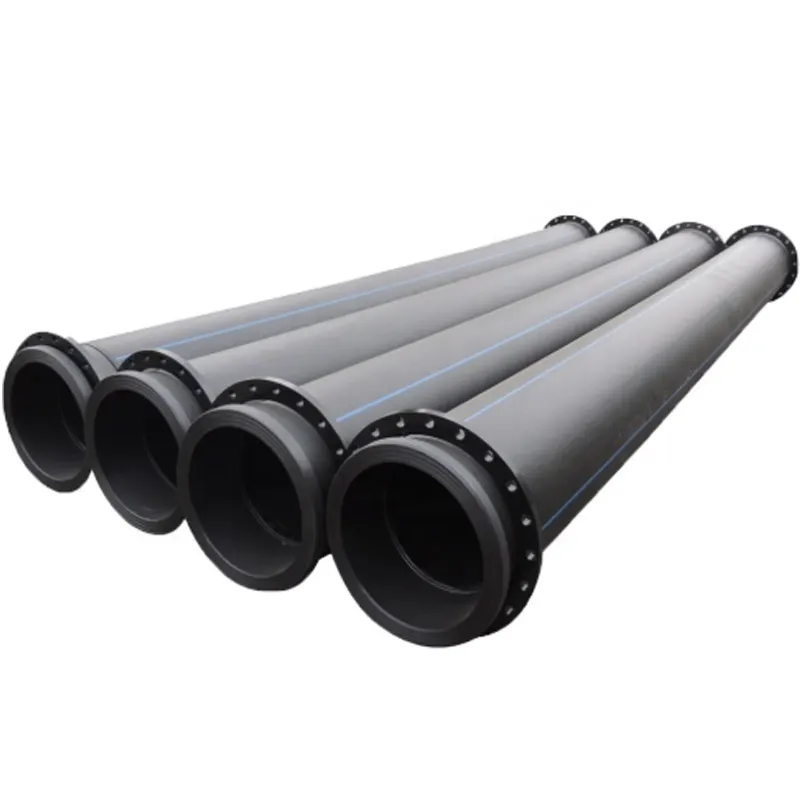
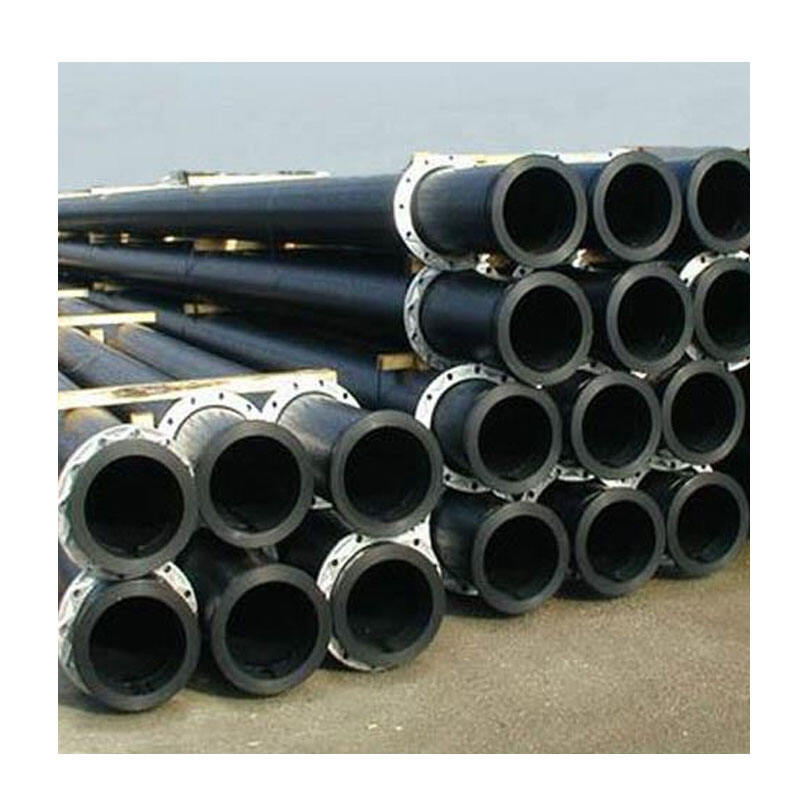
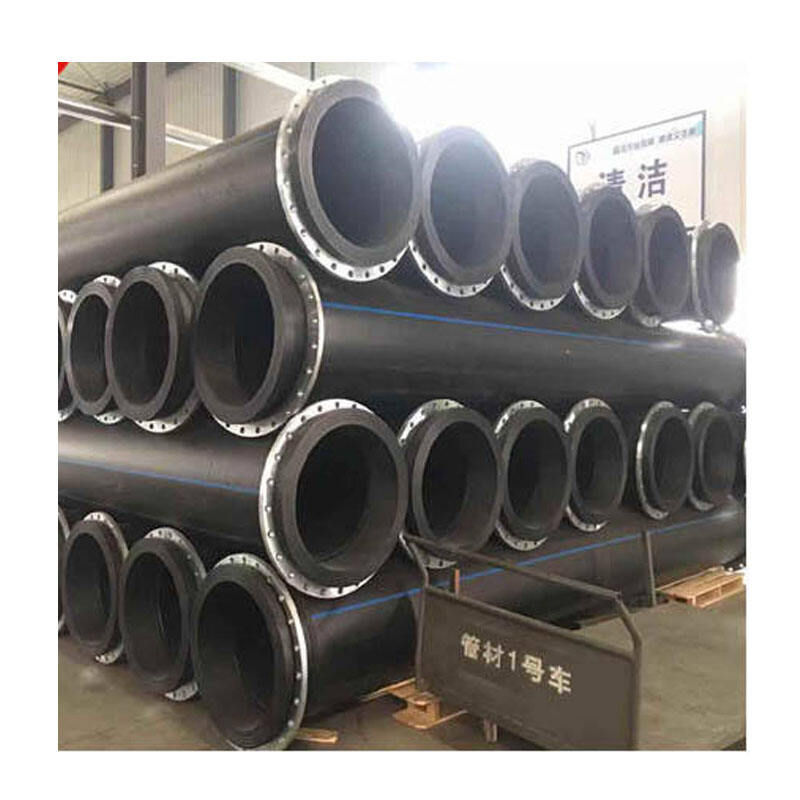
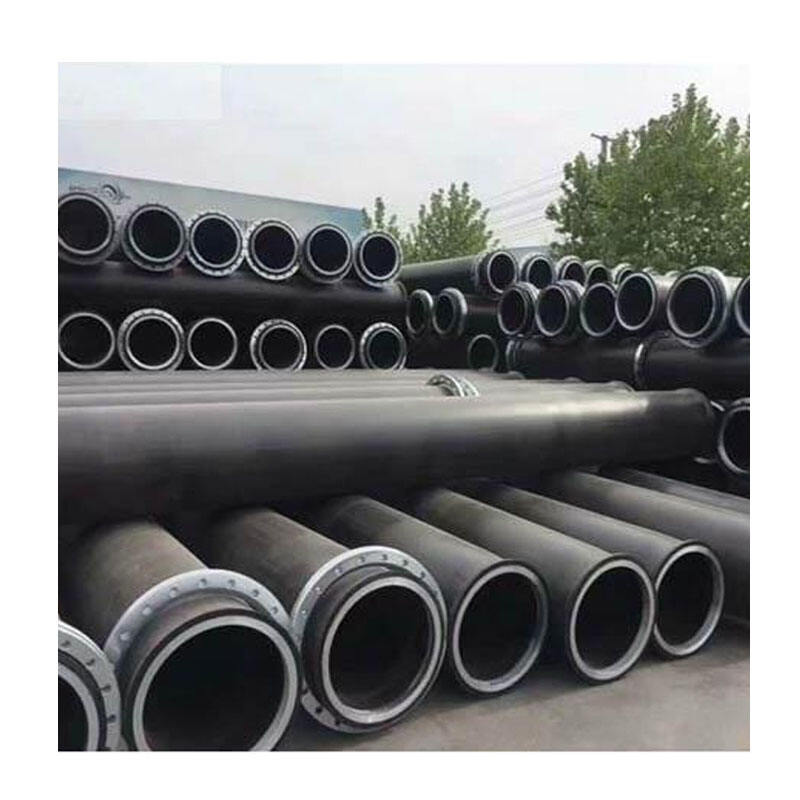
Dredging pipeline steel represents a specialized category of high-performance steel materials specifically engineered for marine excavation and sediment transport operations. This advanced steel construction forms the backbone of dredging systems worldwide, serving as the primary conduit for moving vast quantities of sand, silt, clay, and other underwater materials from seabeds to designated locations. The main functions of dredging pipeline steel encompass creating reliable pathways for hydraulic transportation, maintaining structural integrity under extreme pressures, and ensuring continuous operation in harsh marine environments. These steel pipelines must withstand tremendous hydraulic forces generated by powerful dredging pumps while resisting corrosion from saltwater exposure and abrasive materials. Technological features of modern dredging pipeline steel include enhanced metallurgical compositions that provide superior strength-to-weight ratios, specialized surface treatments that extend operational lifespan, and precision manufacturing processes that ensure consistent performance characteristics. The steel undergoes rigorous quality testing to meet international standards for marine applications, incorporating advanced welding techniques and joint designs that prevent leakage under high-pressure conditions. Applications for dredging pipeline steel span numerous sectors including port development, coastal protection projects, land reclamation initiatives, offshore construction support, and environmental remediation efforts. Major infrastructure projects rely on these pipelines to transport millions of cubic meters of material efficiently and safely. The versatility of dredging pipeline steel enables its use in both floating and submerged configurations, adapting to various water depths and operational requirements. Modern manufacturing techniques have revolutionized the production of dredging pipeline steel, incorporating computer-controlled processes that ensure dimensional accuracy and material consistency. These pipelines typically feature modular designs that facilitate rapid assembly and disassembly during project mobilization, reducing installation time and operational costs significantly.