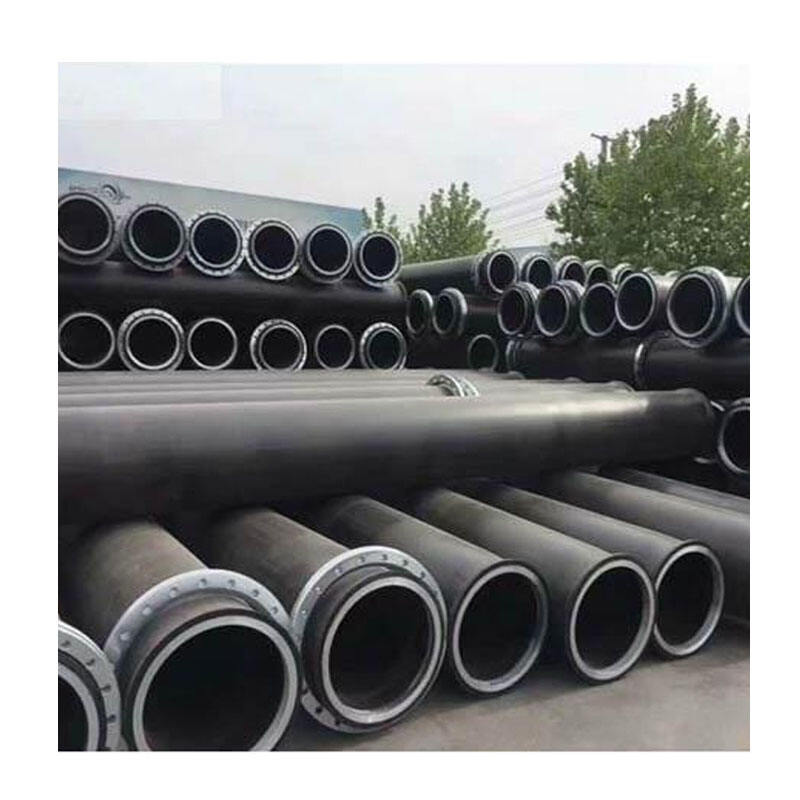
Advanced Material Composition and Durability Features
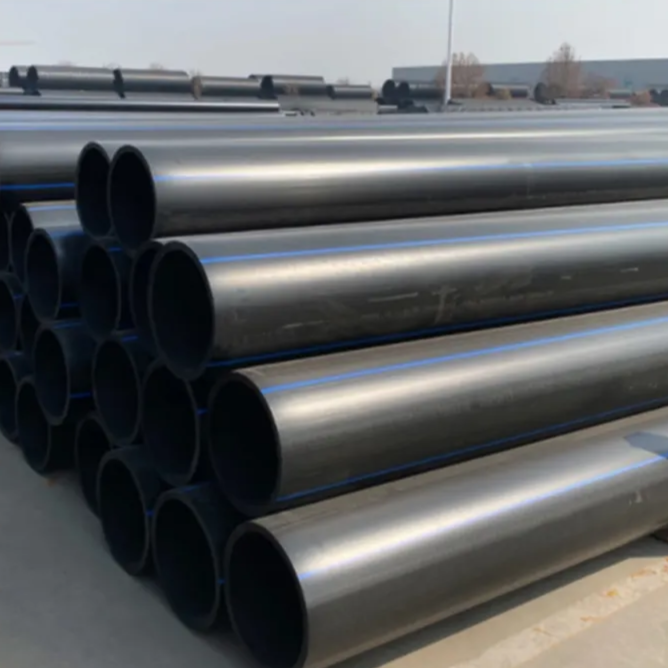
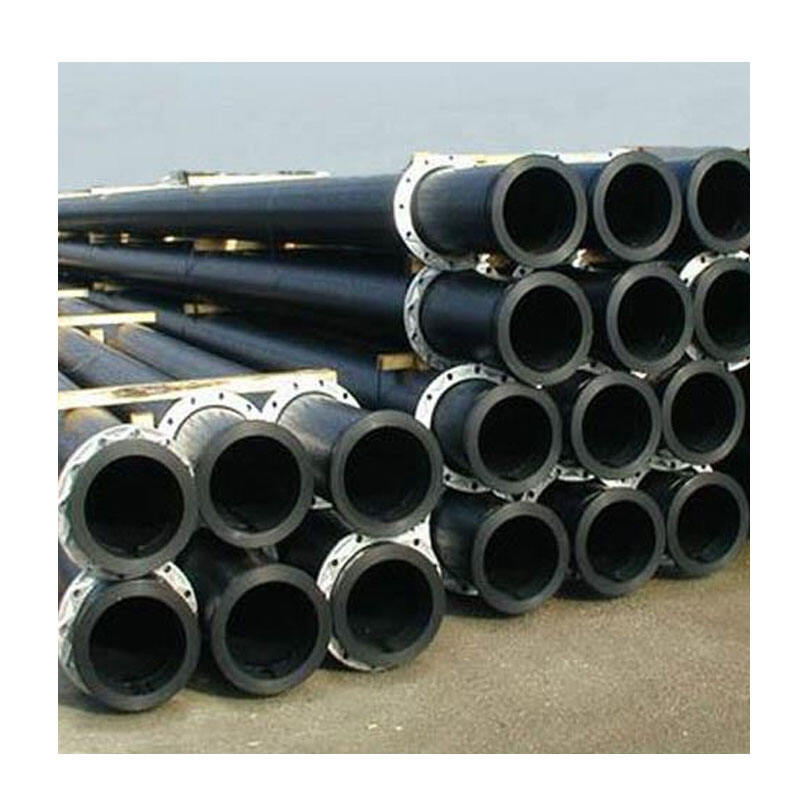
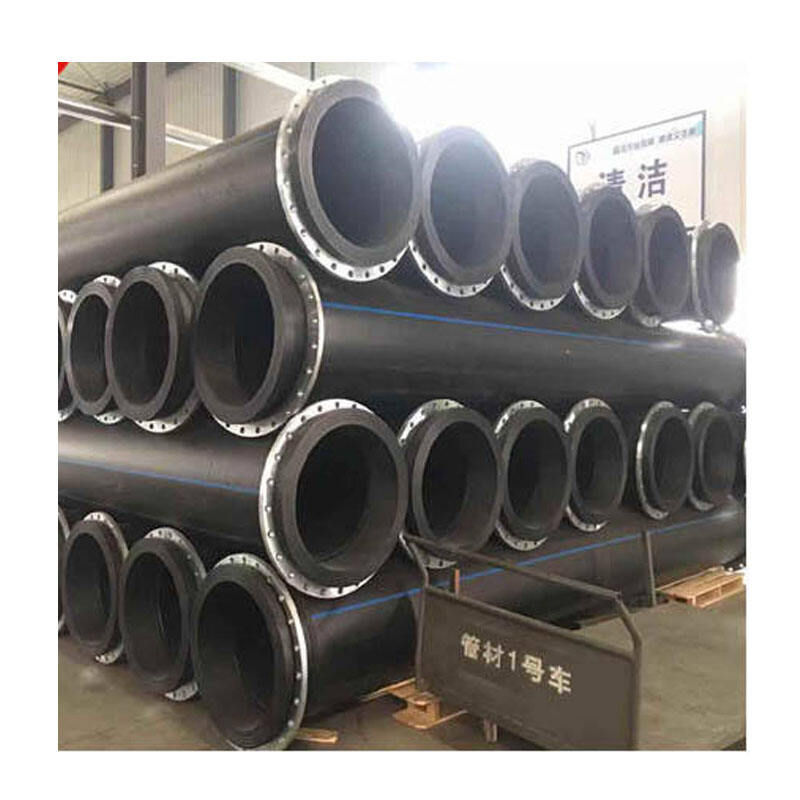
The advanced material composition of floating dredging pipelines for river projects incorporates cutting-edge polymer technology specifically engineered to withstand the demanding conditions encountered in aquatic dredging environments. High-density polyethylene serves as the primary construction material, providing exceptional chemical resistance against corrosive substances commonly found in river sediments while maintaining structural integrity under extreme pressure variations. This material selection ensures floating dredging pipelines for river projects deliver consistent performance throughout extended service periods, significantly reducing replacement costs and operational disruptions. The internal wall construction features specialized wear-resistant linings manufactured from ultra-high molecular weight polyethylene, providing superior protection against abrasive materials that would quickly degrade conventional pipeline systems. These protective linings extend service life by up to 300 percent compared to standard alternatives, delivering substantial cost savings through reduced maintenance requirements and extended replacement intervals. UV stabilization additives integrated throughout the polymer matrix protect floating dredging pipelines for river projects against solar radiation damage, preventing material degradation that compromises structural integrity and operational reliability. Temperature resistance characteristics enable continuous operation across extreme climate conditions, from arctic environments to tropical regions, without material failure or performance degradation. The molecular structure of these advanced materials provides exceptional impact resistance, protecting against damage from floating debris, accidental vessel contact, or handling incidents during deployment and retrieval operations. Flexibility characteristics allow floating dredging pipelines for river projects to accommodate significant bending without stress concentration or failure, enabling navigation around obstacles and adaptation to changing water levels or current patterns. Chemical compatibility testing ensures safe transport of various dredged materials, including contaminated sediments containing heavy metals, petroleum products, or other hazardous substances without pipeline degradation or environmental contamination. Quality assurance protocols throughout manufacturing include extensive material testing, dimensional verification, and pressure testing procedures that guarantee each pipeline segment meets stringent performance specifications. The durability features of floating dredging pipelines for river projects translate to reduced lifecycle costs, improved operational reliability, and enhanced environmental safety, making them the preferred choice for demanding dredging applications requiring long-term performance and regulatory compliance.