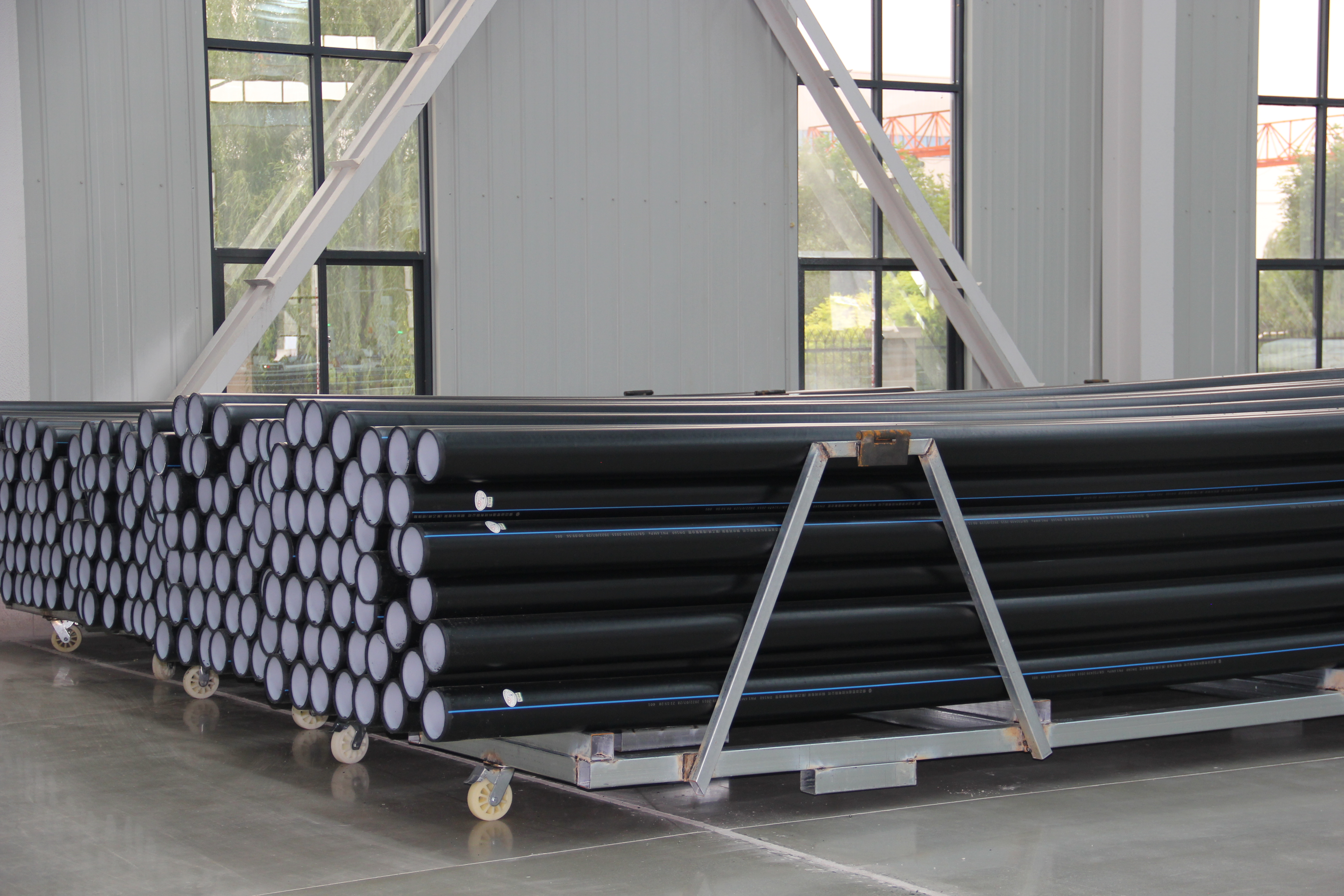
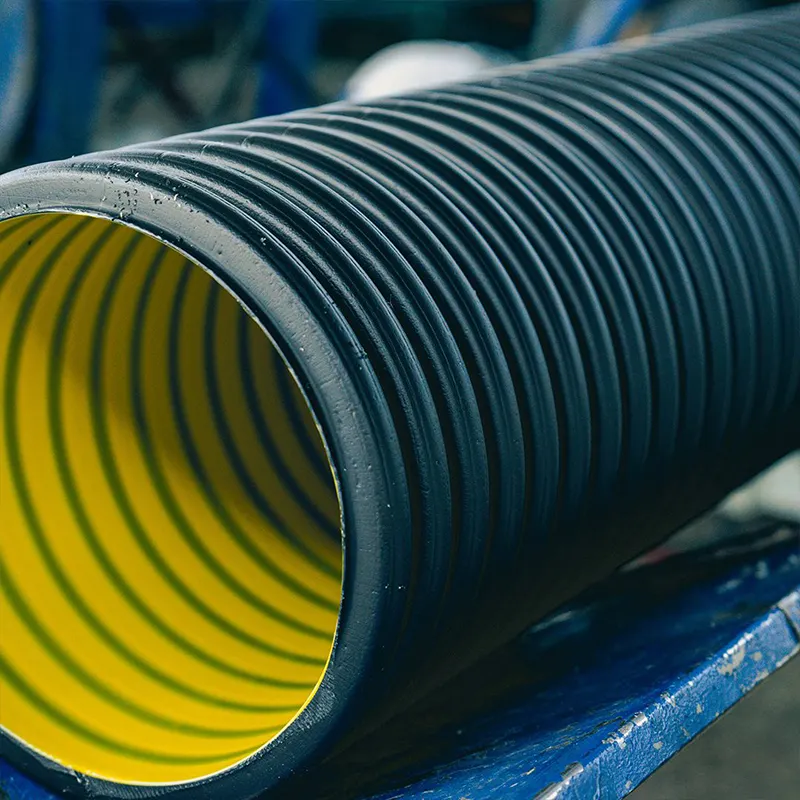
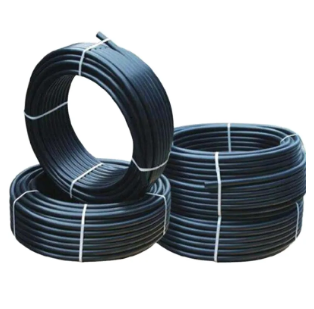
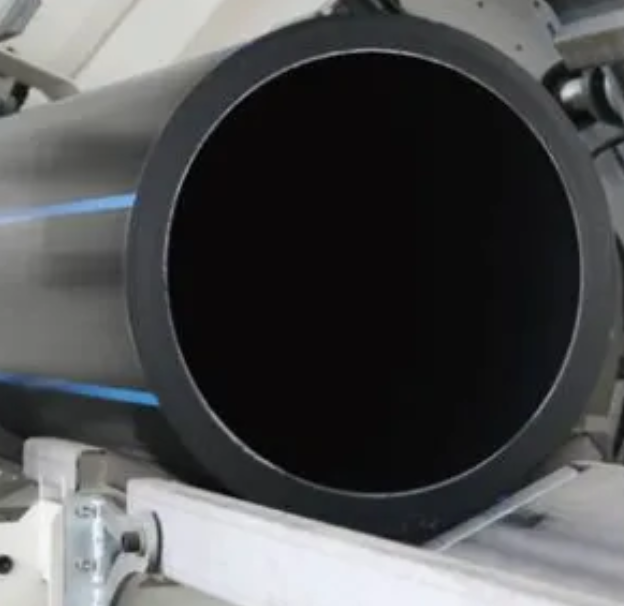
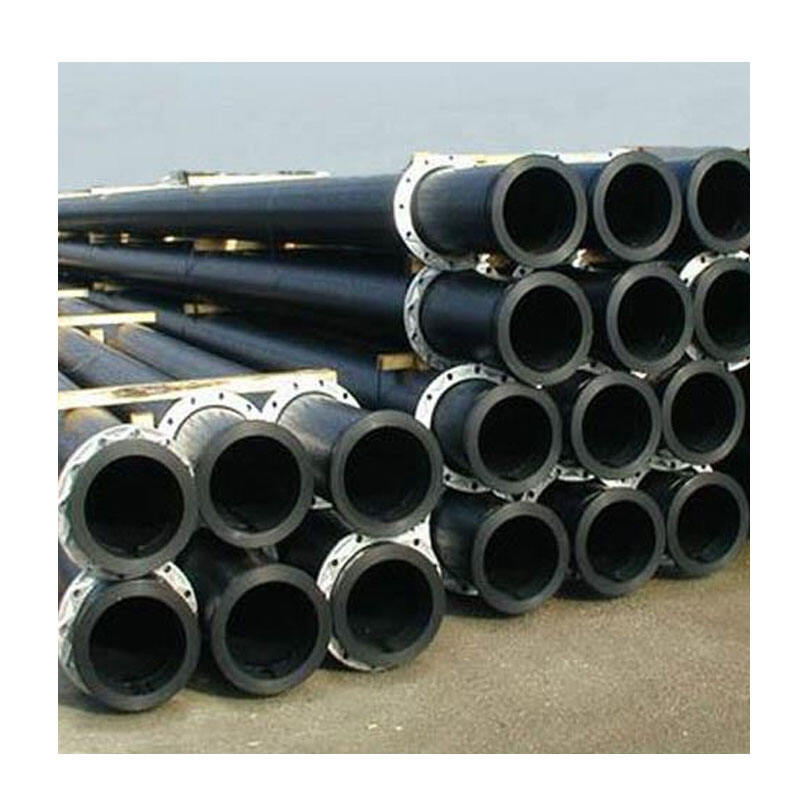
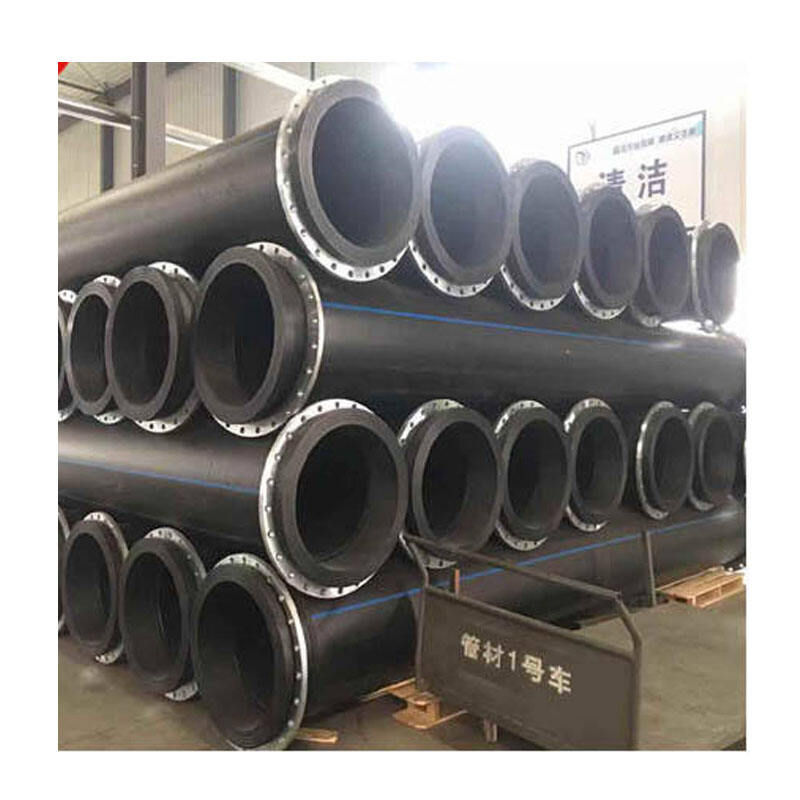
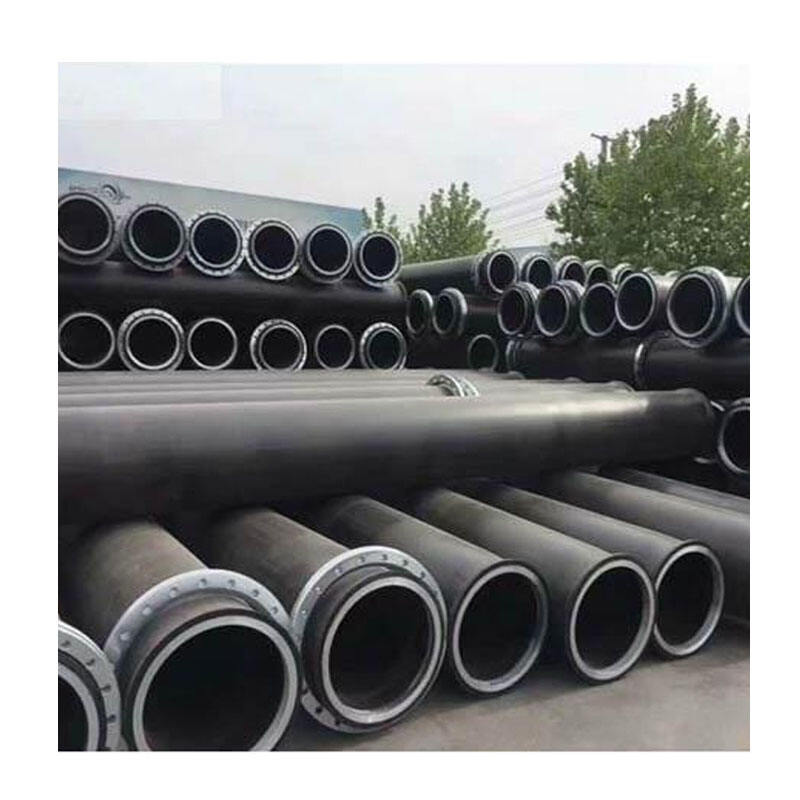
polyethylene dredging pipe
The polyethylene dredging pipe represents a revolutionary advancement in marine and underwater construction technology, specifically engineered to transport sediment, sand, and water mixtures during dredging operations. This specialized piping system utilizes high-density polyethylene material, delivering exceptional performance in challenging marine environments where traditional steel pipes often fail. The polyethylene dredging pipe serves as the critical conduit between dredging equipment and discharge locations, enabling efficient removal of underwater materials for port construction, channel maintenance, and land reclamation projects. Its primary function involves creating a reliable pathway for slurry transportation, ensuring continuous flow while minimizing operational downtime. The technological features of this innovative piping solution include advanced polymer composition that resists corrosion, UV degradation, and chemical attack from saltwater environments. Engineers have designed the polyethylene dredging pipe with smooth internal surfaces that reduce friction and turbulence, maximizing flow efficiency and reducing energy consumption during pumping operations. The pipe's flexible construction allows for easy installation around obstacles and adapts to changing underwater terrain conditions. Applications span across numerous sectors including coastal protection projects, harbor deepening initiatives, offshore construction support, and environmental restoration efforts. The polyethylene dredging pipe excels in situations requiring long-distance transport of abrasive materials, where its wear-resistant properties extend operational life significantly compared to conventional alternatives. Modern manufacturing techniques ensure consistent wall thickness and diameter precision, maintaining optimal hydraulic performance throughout extended use periods. The pipe's lightweight nature facilitates rapid deployment and repositioning, crucial factors in time-sensitive dredging projects where equipment mobility determines project success rates and cost effectiveness.