Superior Chemical and Environmental Resistance Performance
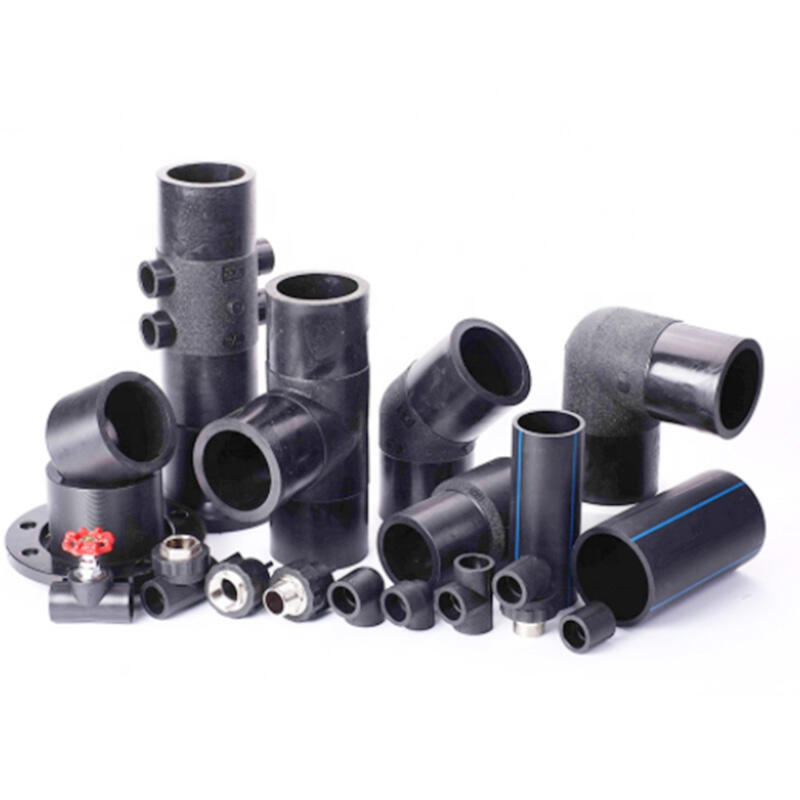
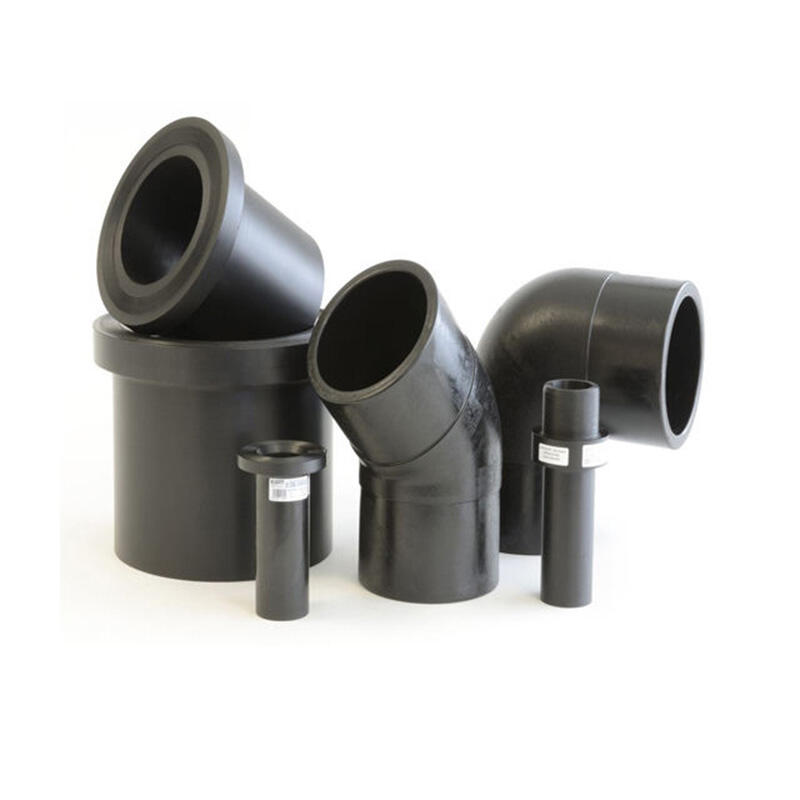
Fabricated HDPE fittings demonstrate exceptional resistance to chemical attack and environmental degradation, making them indispensable for challenging industrial applications. The molecular structure of high-density polyethylene provides inherent protection against acids, alkalis, salts, and most organic compounds that would rapidly compromise metal fittings. This chemical inertness ensures that fabricated HDPE fittings maintain their structural integrity and performance characteristics even when exposed to aggressive media over extended periods. The resistance properties extend to environmental factors such as UV radiation, ozone exposure, and weathering effects that can degrade other materials. Advanced UV stabilization additives incorporated during manufacturing protect fabricated HDPE fittings from photodegradation, allowing for reliable outdoor installations without the need for protective coatings or frequent replacements. The temperature resistance capabilities enable these fittings to perform reliably across temperature ranges from sub-zero conditions to elevated operating temperatures, maintaining flexibility and strength throughout thermal cycling. This comprehensive resistance profile eliminates the corrosion-related failures common in metal systems, where rust, scale formation, and galvanic corrosion can compromise system integrity and contaminate transported fluids. The absence of metallic components in fabricated HDPE fittings prevents electrochemical reactions that could accelerate degradation in aggressive environments. Industrial facilities processing chemicals, pharmaceuticals, or food products particularly benefit from this resistance, as these fittings will not leach metallic ions or introduce contaminants into sensitive processes. Mining operations rely on this chemical resistance when handling acidic mine drainage or processing chemicals used in mineral extraction. The long-term stability of fabricated HDPE fittings in harsh environments translates to reduced replacement costs, minimized system downtime, and improved operational reliability. This resistance advantage becomes especially valuable in remote locations where system failures could result in significant logistical challenges and repair costs.