hdpe pipe connection fittings
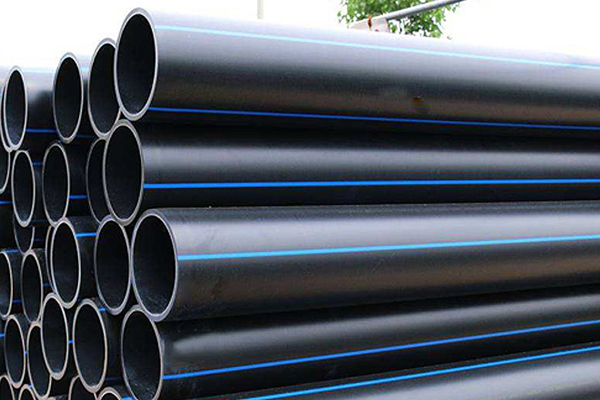
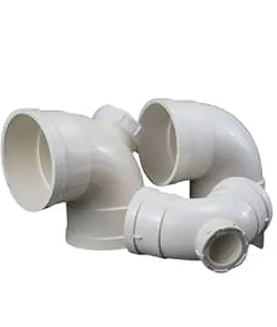
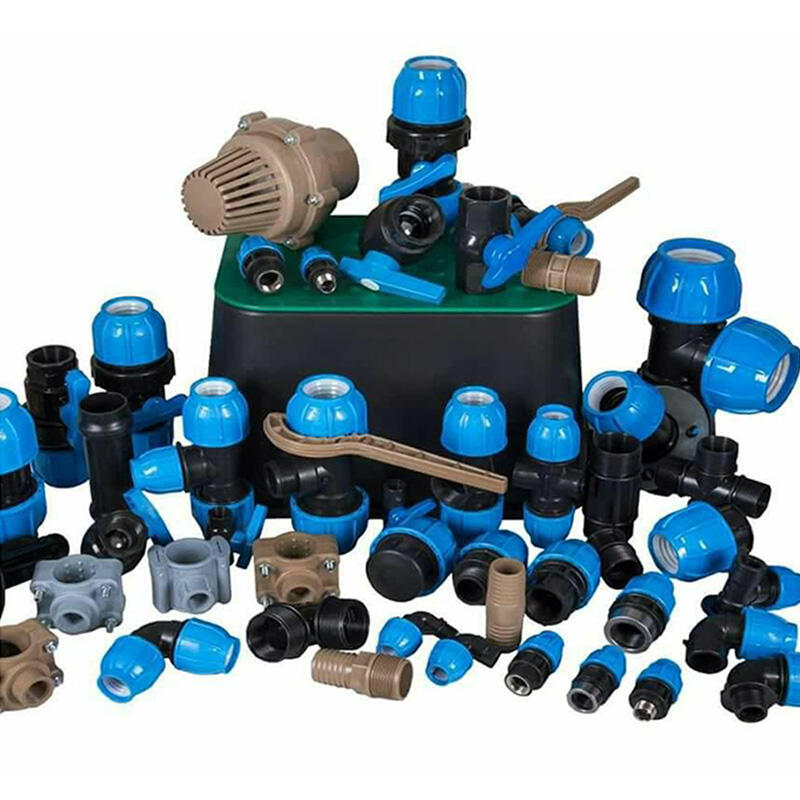
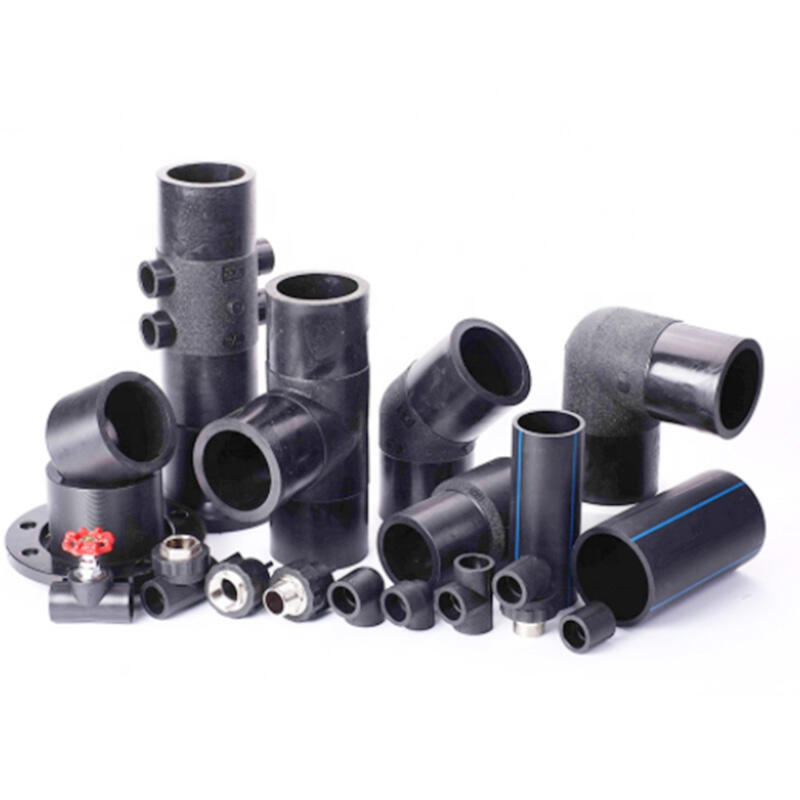
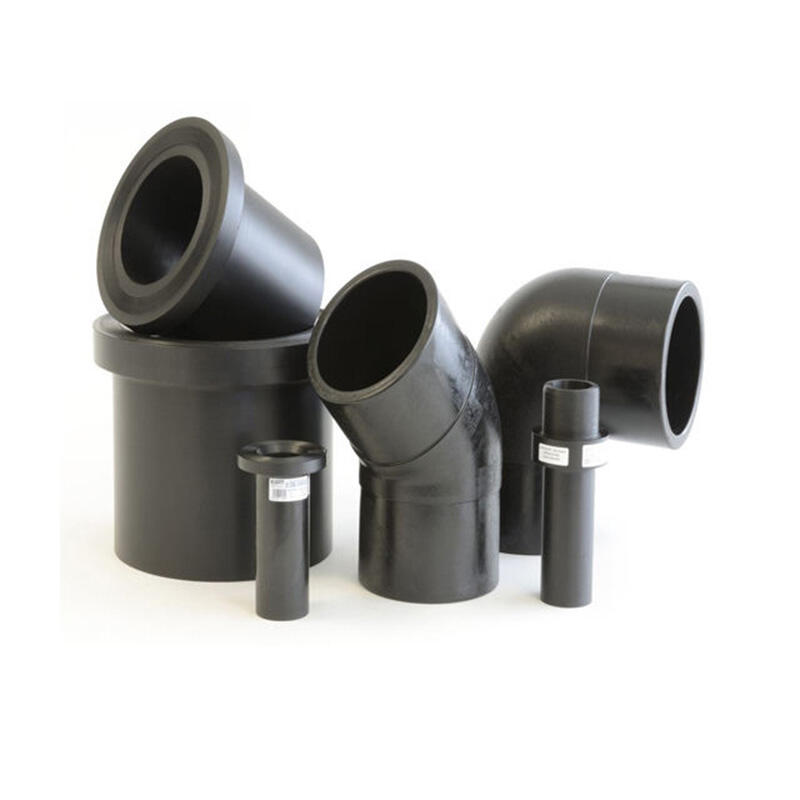
HDPE pipe connection fittings serve as essential components in modern piping systems, designed to join, redirect, and control high-density polyethylene pipes across various applications. These specialized fittings provide secure connections that maintain system integrity while accommodating different pipe configurations and installation requirements. The main functions of hdpe pipe connection fittings include creating watertight joints between pipe sections, facilitating directional changes in pipeline routes, enabling branch connections for system expansion, and providing access points for maintenance operations. These fittings come in numerous configurations including elbows, tees, reducers, couplings, flanges, and end caps, each serving specific connection purposes within the overall system design. Technological features of hdpe pipe connection fittings incorporate advanced fusion welding capabilities that create molecular bonds stronger than the pipe material itself. The electrofusion technology embedded in many fittings uses electrical resistance heating to melt and fuse the fitting with the pipe wall, ensuring permanent, leak-proof connections. Butt fusion techniques employed with certain hdpe pipe connection fittings involve heating both pipe ends and fitting surfaces to precise temperatures before joining them under controlled pressure conditions. Socket fusion methods provide reliable connections for smaller diameter applications through heated socket interfaces that accommodate pipe insertion and cooling cycles. Applications for hdpe pipe connection fittings span across water distribution networks, gas transmission systems, industrial process piping, mining operations, agricultural irrigation projects, and municipal infrastructure developments. These versatile components enable engineers and contractors to construct complex piping networks that transport water, natural gas, chemicals, slurries, and other fluids efficiently. The chemical resistance properties of hdpe pipe connection fittings make them suitable for corrosive environments where traditional metal fittings would deteriorate rapidly. Installation flexibility allows these fittings to accommodate ground movement, thermal expansion, and seismic activity without compromising system performance or safety standards.