frp pipe fittings
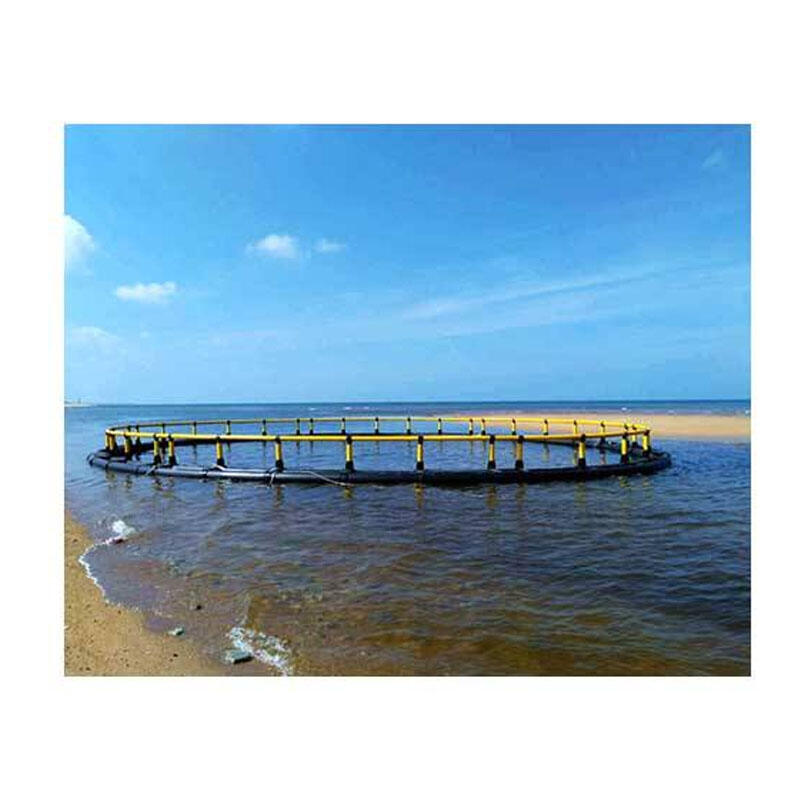
FRP pipe fittings represent a revolutionary advancement in modern piping systems, combining the strength of fiberglass reinforcement with the versatility of plastic resins to create superior connection components. These fittings are engineered using advanced composite technology that integrates continuous glass fiber strands with thermoset or thermoplastic polymer matrices, resulting in lightweight yet incredibly durable pipeline connections. The manufacturing process involves precise molding techniques that ensure consistent wall thickness and optimal fiber orientation, delivering exceptional structural integrity across various operating conditions. FRP pipe fittings serve multiple critical functions within industrial piping networks, including directional changes, diameter transitions, flow control, and system integration points. Their primary technological features include outstanding corrosion resistance, superior chemical compatibility, excellent fatigue resistance, and remarkable dimensional stability under thermal cycling. The glass fiber reinforcement provides exceptional tensile strength while the resin matrix offers comprehensive chemical protection against aggressive media including acids, alkalis, solvents, and saltwater environments. These fittings incorporate advanced joint designs such as bell-and-spigot connections, flanged interfaces, and adhesive bonding systems that ensure leak-proof performance throughout extended service periods. The applications for FRP pipe fittings span numerous industries including chemical processing, water treatment facilities, marine installations, petroleum refineries, power generation plants, and municipal infrastructure projects. In chemical plants, these fittings handle corrosive process fluids that would rapidly deteriorate traditional metallic components. Water treatment systems utilize FRP pipe fittings for their non-contaminating properties and resistance to chlorine-based disinfectants. Marine applications benefit from their saltwater resistance and lightweight characteristics that reduce structural loading requirements. The versatility of FRP pipe fittings extends to specialized applications such as underground installations where their non-conductive properties eliminate galvanic corrosion concerns and their lightweight nature simplifies handling and installation procedures.