Exceptional Chemical and Environmental Resistance
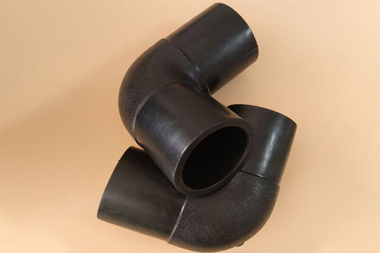
HDPE compression fittings excel in challenging environments through their outstanding resistance to chemical attack, UV degradation, and extreme temperature variations that would compromise alternative joining methods. The high-density polyethylene material demonstrates remarkable inertness to a broad spectrum of chemicals including acids, bases, salts, hydrocarbons, and industrial solvents, making these fittings suitable for diverse applications from potable water systems to aggressive chemical processing environments. Unlike metal fittings that suffer from corrosion, pitting, and galvanic reactions, hdpe compression fittings maintain their structural integrity and sealing performance even after prolonged exposure to corrosive media. The polymer structure resists oxidation and chemical breakdown, ensuring consistent material properties throughout the service life without the formation of rust, scale, or corrosion byproducts that could contaminate the fluid stream. Temperature resistance spans a wide operational range, with hdpe compression fittings maintaining flexibility and sealing capability from sub-freezing conditions to elevated temperatures that would cause metal fittings to expand beyond acceptable limits. The material's inherent flexibility accommodates thermal expansion and contraction without creating stress cracks or seal failures that plague rigid connection methods. UV resistance proves crucial for above-ground installations, as the stabilized polyethylene formulation prevents photodegradation and maintains mechanical properties despite continuous sun exposure. Environmental stress cracking resistance ensures reliable performance in installations subject to external stresses, ground movement, or mechanical vibration that would compromise brittle connection methods. The non-toxic nature of hdpe compression fittings makes them ideal for potable water applications, as they do not leach harmful substances or impart taste or odor to the water supply. Freeze resistance prevents cracking damage during winter conditions, allowing systems to remain operational in climates where metal fittings would fail. The chemical inertness also prevents the buildup of biofilms or bacterial growth that commonly occurs on metal surfaces, maintaining system cleanliness and reducing maintenance requirements.