hdpe connection fittings
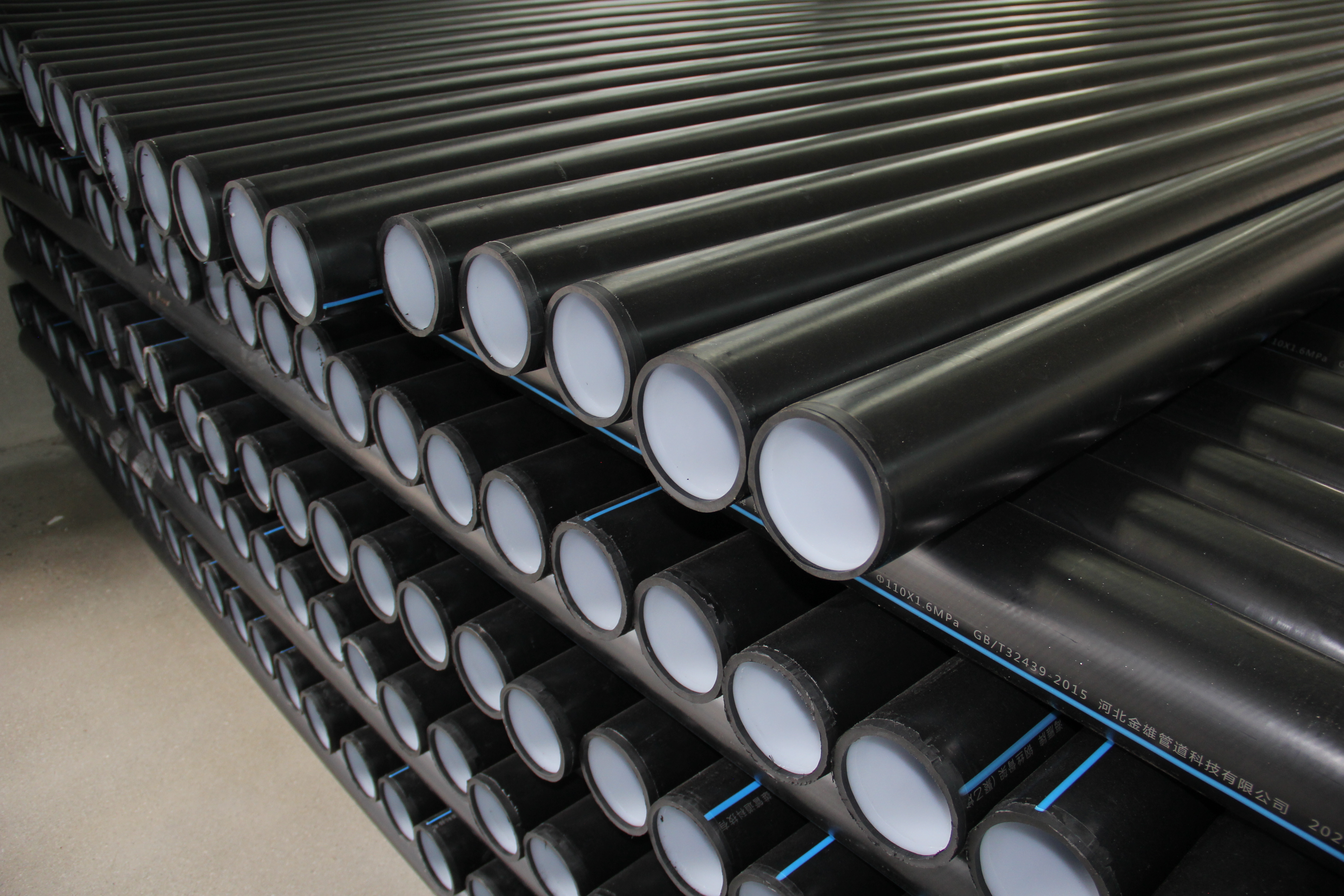
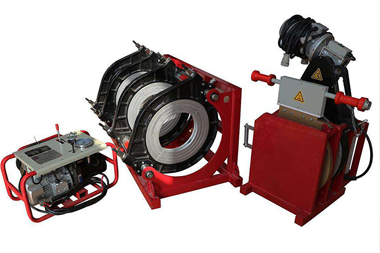
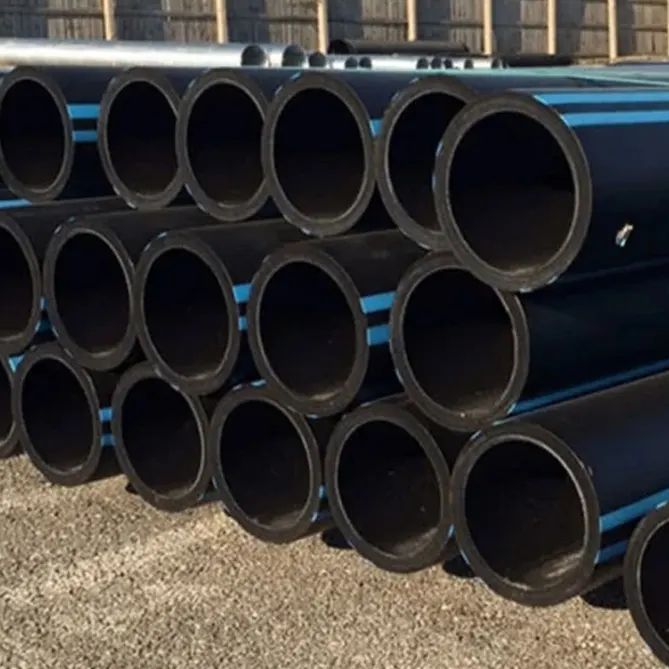
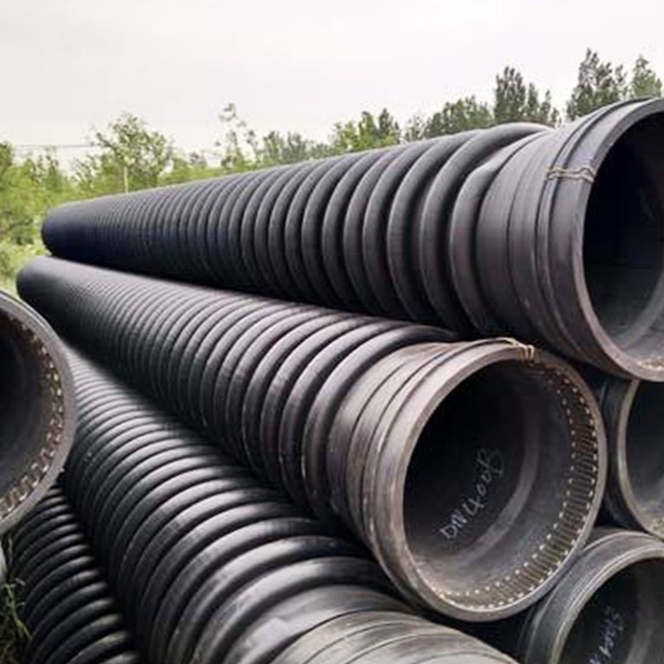
HDPE connection fittings represent a revolutionary advancement in modern piping systems, offering unparalleled performance and reliability across diverse industrial applications. These specialized components are engineered from high-density polyethylene, a thermoplastic material renowned for its exceptional chemical resistance, durability, and flexibility. HDPE connection fittings serve as crucial linking elements that seamlessly join pipes, valves, and other system components while maintaining structural integrity under varying pressure conditions. The primary function of these fittings involves creating secure, leak-proof connections that can withstand extreme temperatures, corrosive environments, and mechanical stress. Technologically, HDPE connection fittings incorporate advanced fusion welding capabilities, allowing for homogeneous joints that eliminate weak points commonly found in traditional threaded or mechanical connections. The material's molecular structure provides superior impact resistance, making these fittings ideal for applications where vibration and thermal expansion are concerns. Manufacturing processes utilize precision molding techniques that ensure consistent wall thickness and dimensional accuracy, resulting in fittings that meet stringent industry standards. These components feature smooth internal surfaces that minimize friction losses and prevent sediment accumulation, contributing to enhanced system efficiency. HDPE connection fittings find extensive applications in water distribution networks, gas transmission systems, industrial chemical processing, mining operations, and agricultural irrigation projects. Their lightweight nature facilitates easier installation while reducing transportation costs and labor requirements. The fittings demonstrate remarkable longevity, often exceeding 50 years in service life under normal operating conditions. Environmental sustainability represents another significant aspect, as HDPE connection fittings are fully recyclable and contribute to reduced carbon footprint compared to traditional metal alternatives. Quality control measures during production include rigorous testing protocols that verify pressure ratings, dimensional compliance, and material properties to ensure consistent performance across all applications.