Superior Durability and Longevity Performance
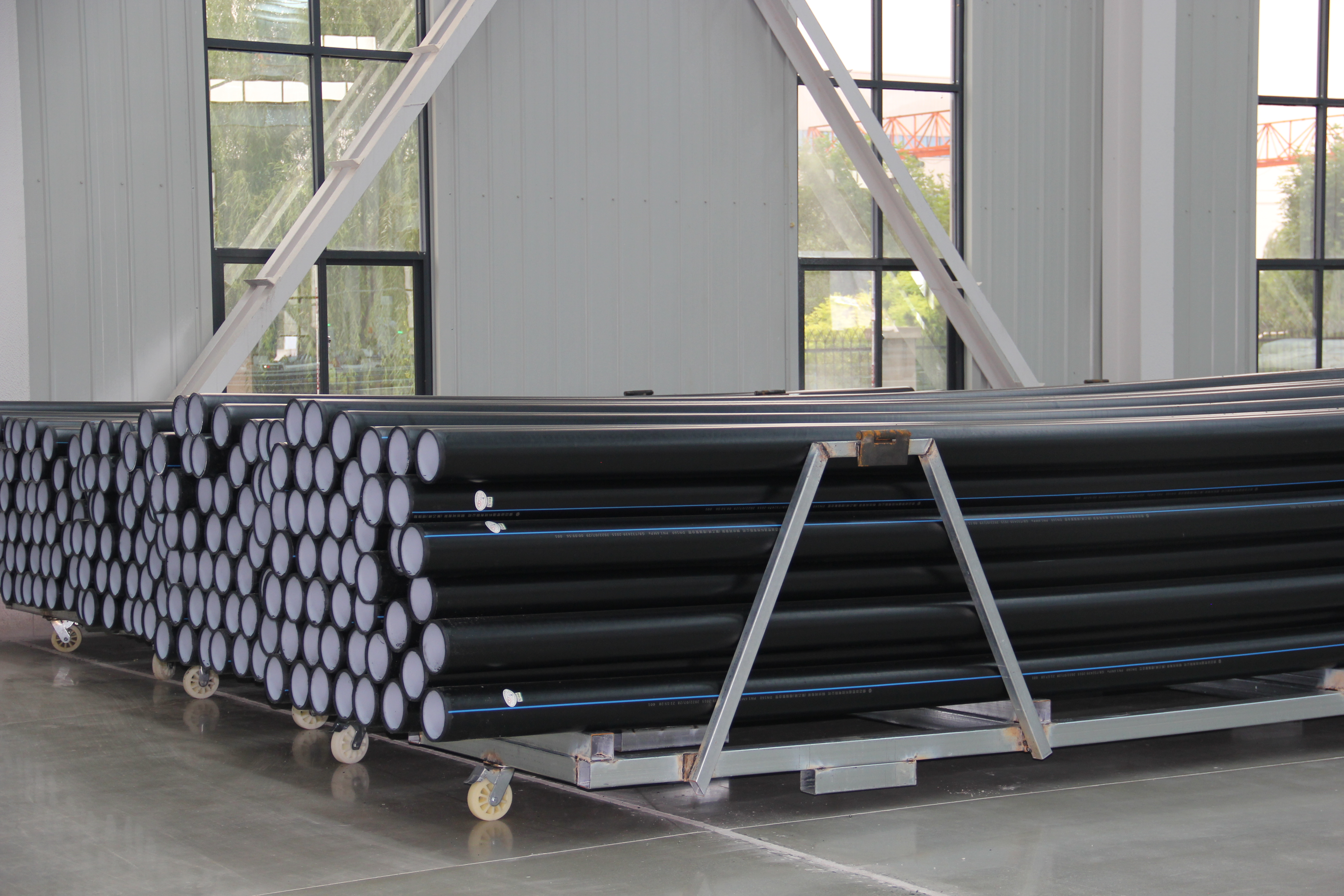
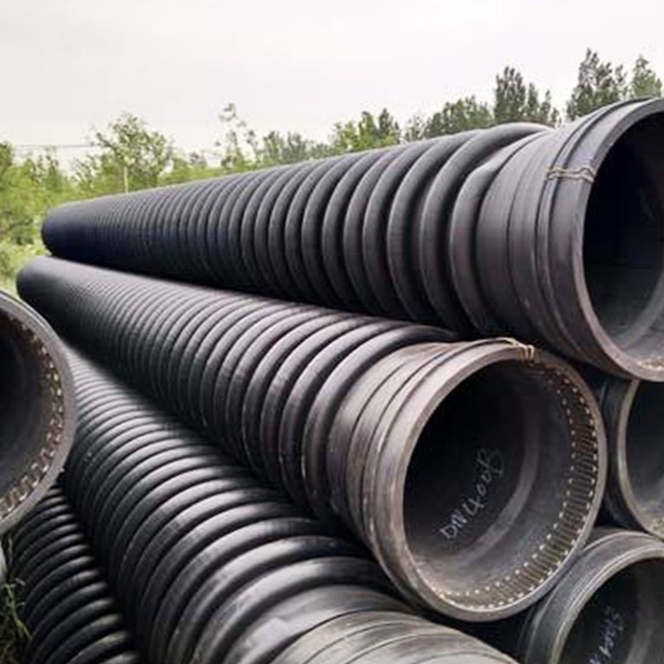
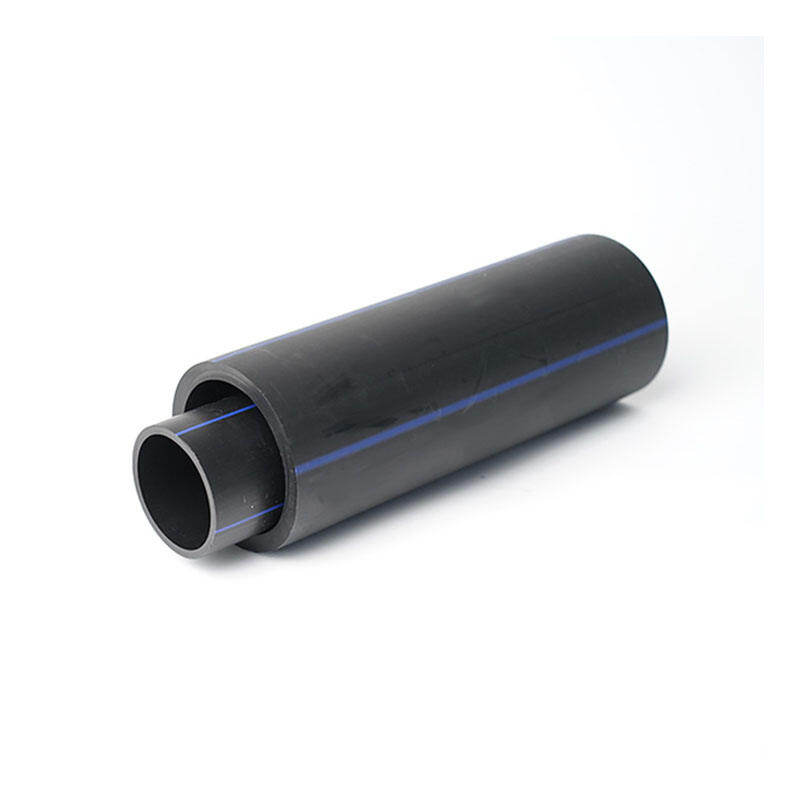
The exceptional durability of HDPE water service pipe stems from its advanced molecular structure and manufacturing process that creates a product capable of withstanding decades of continuous service. High-density polyethylene material demonstrates remarkable resistance to environmental stressors that typically cause premature failure in traditional piping systems. The polymer chains in HDPE water service pipe are specifically engineered to maintain structural integrity under varying pressure conditions, temperature fluctuations, and ground movement scenarios. This durability translates into significant economic advantages for municipalities, developers, and property owners who require reliable water service connections without frequent maintenance interventions. The pipe's resistance to corrosion eliminates concerns about metal degradation, mineral deposits, and electrochemical reactions that plague conventional materials. Ground conditions that would rapidly destroy metal pipes, such as acidic soils or areas with high mineral content, pose no threat to HDPE water service pipe performance. The material's inherent flexibility allows it to accommodate ground settlement, seismic activity, and thermal expansion without developing stress fractures or joint failures. Laboratory testing and field experience demonstrate that properly installed HDPE water service pipe maintains its pressure rating and structural properties for over 50 years of continuous service. This longevity reduces total ownership costs by eliminating replacement cycles and minimizing disruption to established landscapes and infrastructure. The pipe's impact resistance prevents damage during installation, backfilling operations, and exposure to construction activities that commonly occur around service connections. Unlike brittle materials that crack under stress, HDPE water service pipe absorbs impact energy and returns to its original shape without permanent deformation. This characteristic proves particularly valuable in areas subject to ground freezing, where expansion forces would crack rigid piping materials. The smooth surface finish resists bacterial growth and biofilm formation, maintaining water quality throughout the distribution system while reducing cleaning and maintenance requirements.