Cost-Effective Installation and Maintenance Benefits
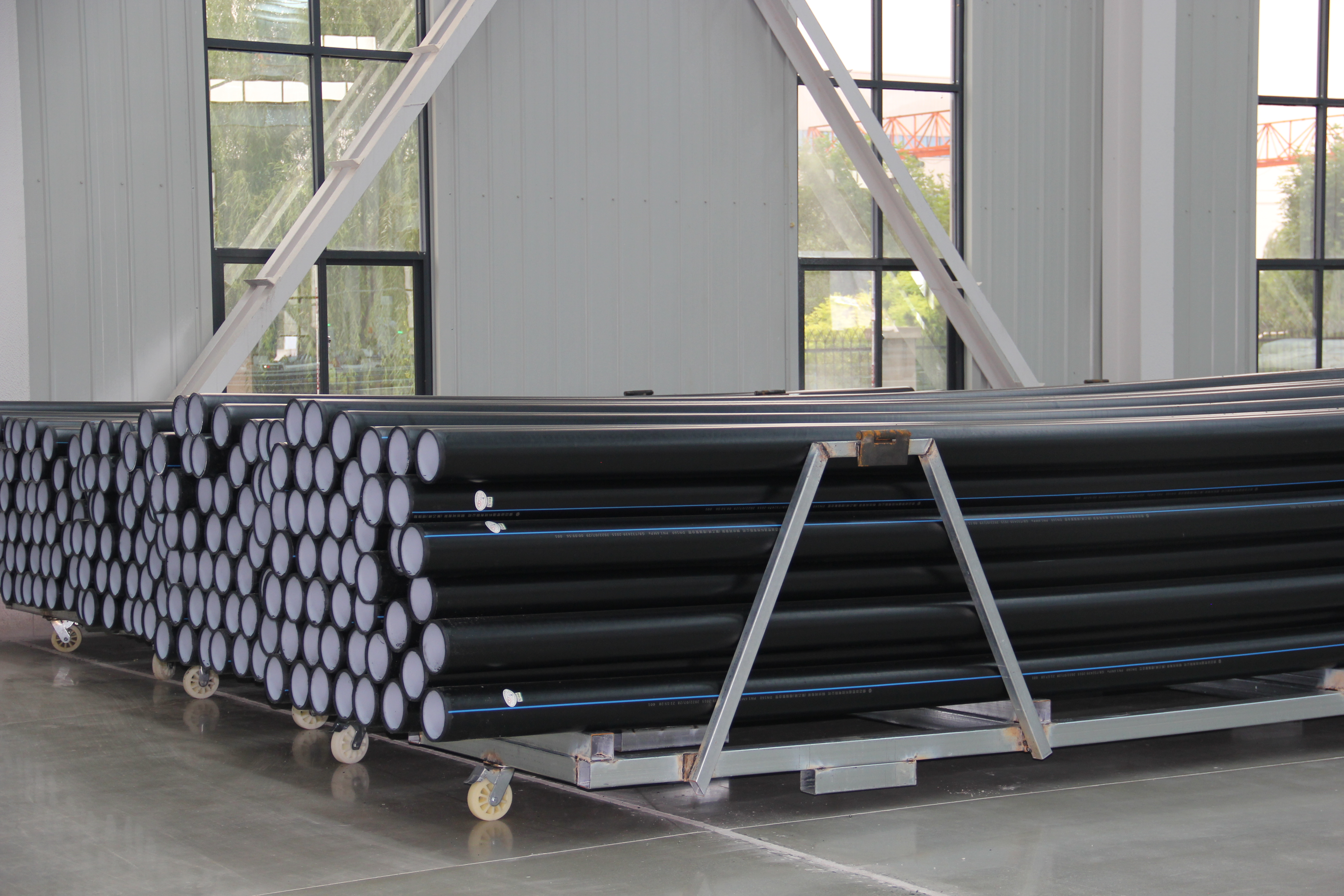
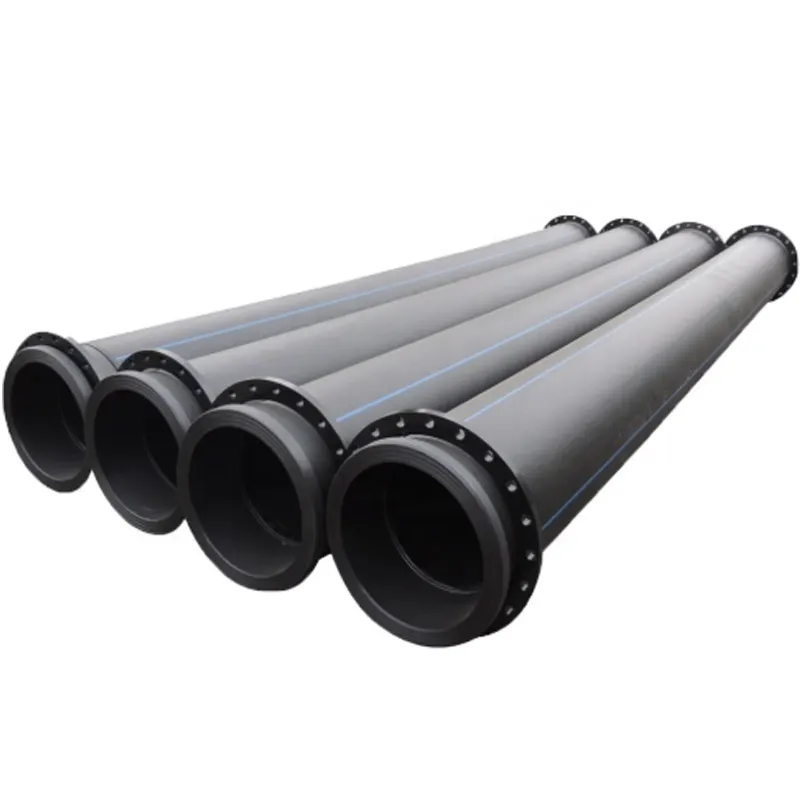
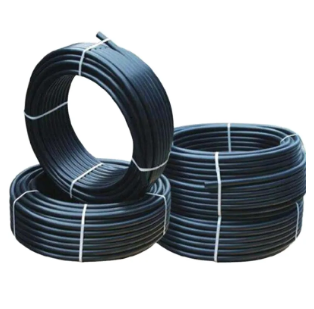
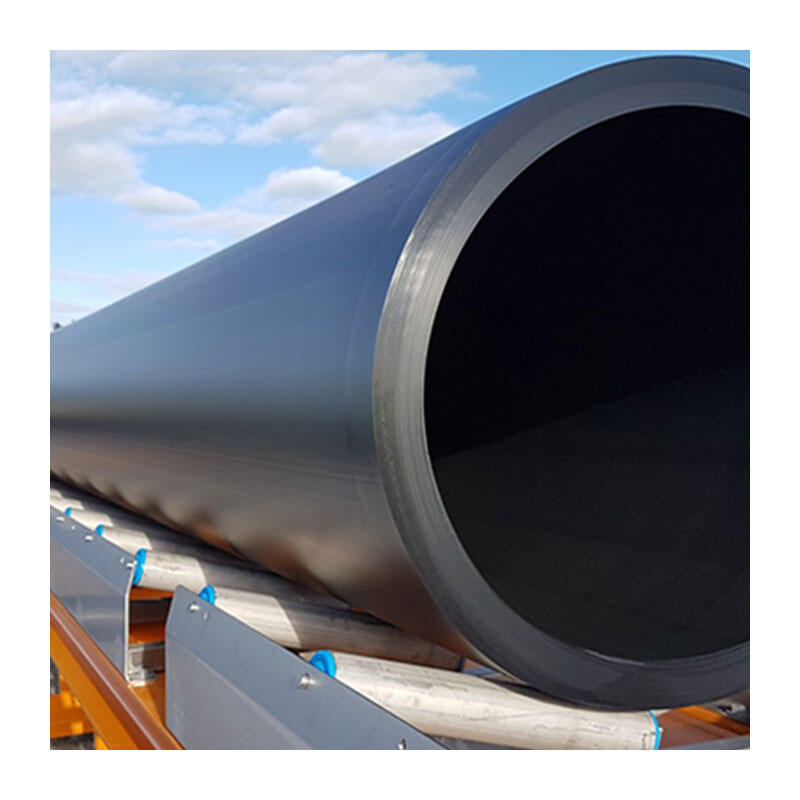
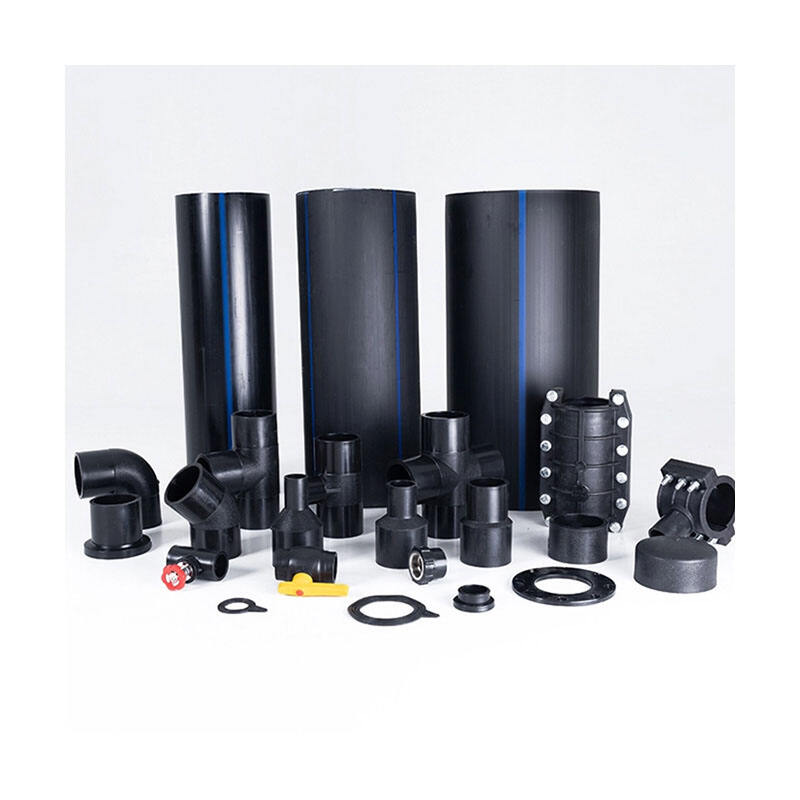
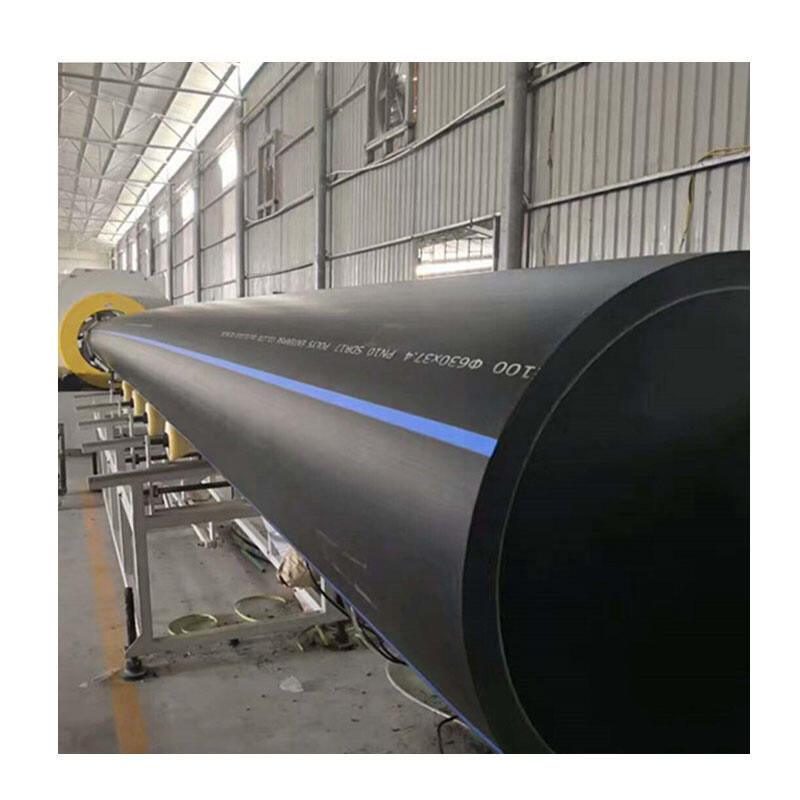
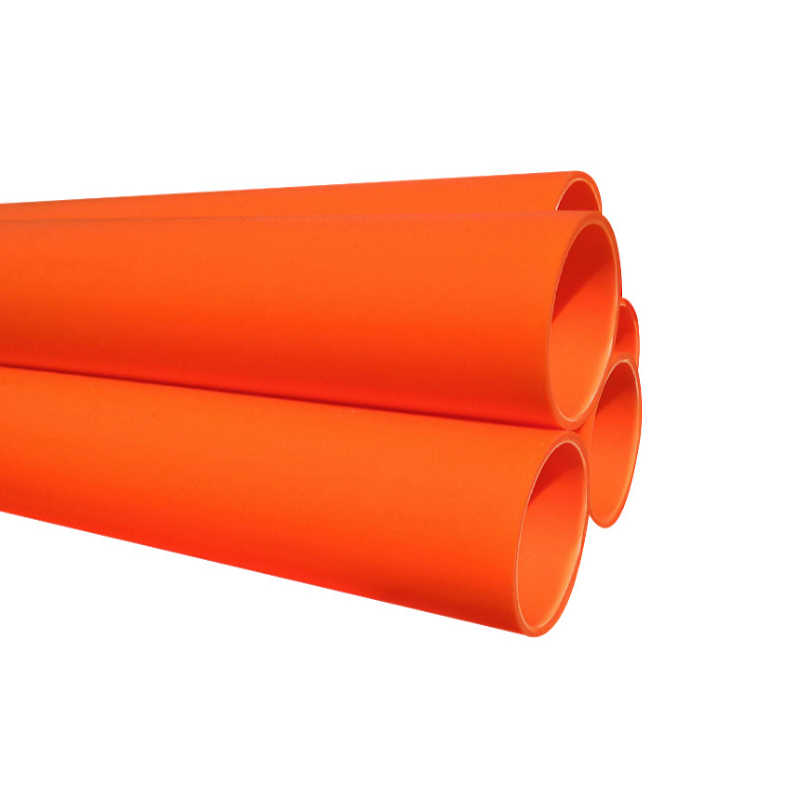
The installation advantages of HDPE pipe for water distribution create substantial cost savings that begin during the construction phase and continue throughout the system's operational life, making these pipes an economically superior choice for water infrastructure projects. The lightweight characteristics of HDPE pipe for water distribution, typically 80-90% lighter than equivalent steel or concrete pipes, dramatically reduce transportation costs, equipment requirements, and labor needs during installation. This weight advantage allows contractors to handle longer pipe sections with smaller equipment, reducing the number of joints required and accelerating installation schedules while lowering overall project costs. The flexibility of HDPE pipe for water distribution enables installation techniques that minimize excavation requirements, particularly in urban environments where traditional trenching proves disruptive and expensive. Trenchless installation methods, including horizontal directional drilling, pipe bursting, and slip-lining applications, become practical options with HDPE materials, allowing utilities to install or replace water mains without disturbing pavement, landscaping, or existing infrastructure. These installation methods significantly reduce restoration costs, traffic disruption, and community impact while often proving faster and more economical than conventional open-cut construction. The heat fusion joining process used with HDPE pipe for water distribution creates permanent, monolithic connections that eliminate the ongoing maintenance associated with mechanical joints, gaskets, and threaded connections common in other piping systems. These fusion joints cannot separate, leak, or fail under normal operating conditions, eliminating the need for routine joint maintenance, replacement, or tightening that consumes utility maintenance budgets and personnel resources. The corrosion immunity of HDPE pipe for water distribution eliminates cathodic protection systems, protective coatings, and corrosion monitoring programs required for metal pipes, resulting in significant long-term cost savings. Utilities avoid the substantial expenses associated with coating failures, electrolysis damage, and premature pipe replacement that frequently affect metal piping systems in aggressive soil conditions. The smooth interior surface maintains hydraulic efficiency throughout the service life, preventing the flow reduction and increased pumping costs that occur as metal pipes develop tuberculation, scale, or corrosion products. This consistent performance eliminates the need for pipeline cleaning, rehabilitation, or upsizing projects that other materials often require as they age and deteriorate, providing predictable long-term operating costs for water system planning and budgeting purposes.