pe pipes for fluid transportation
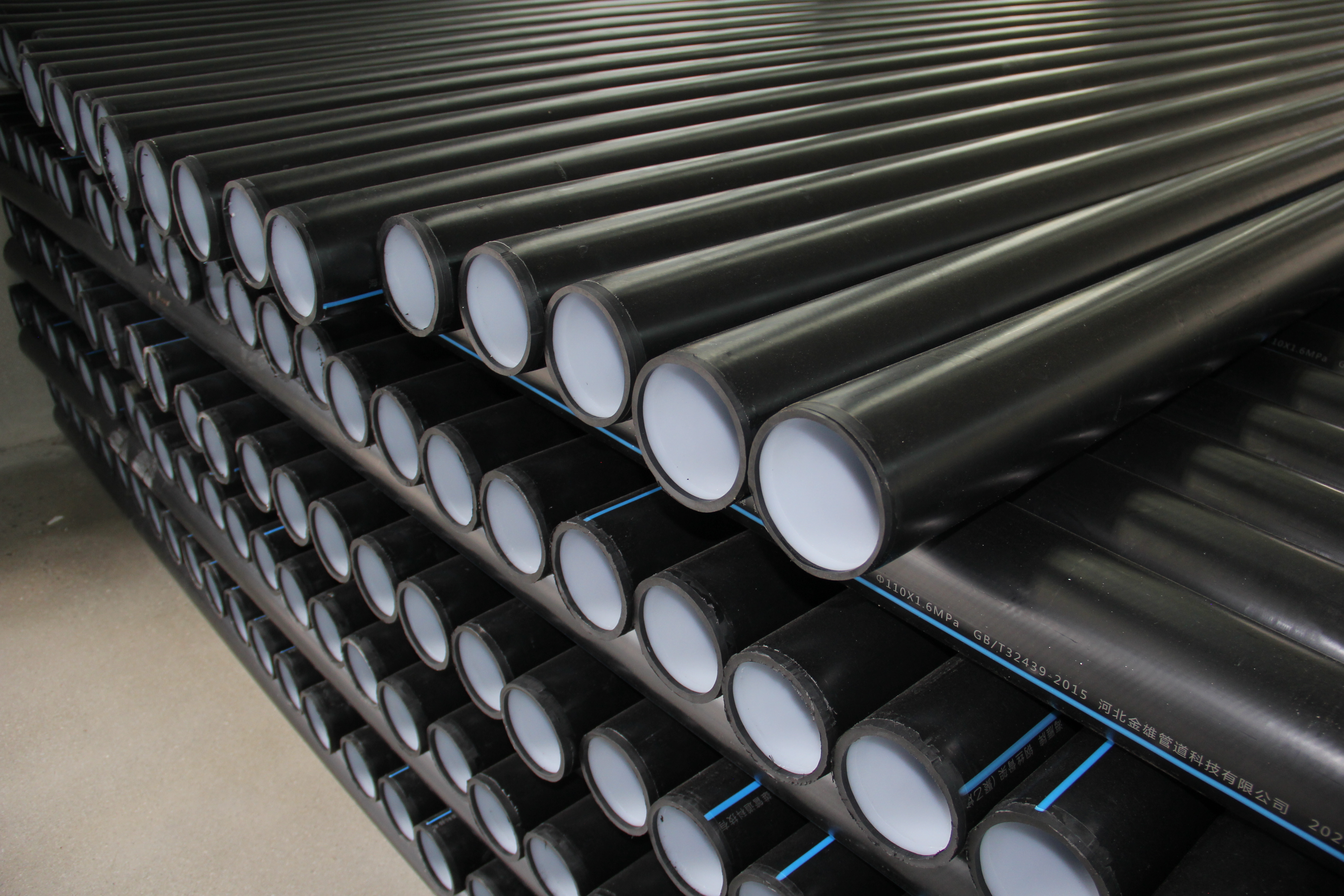
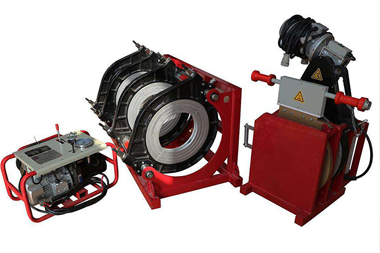
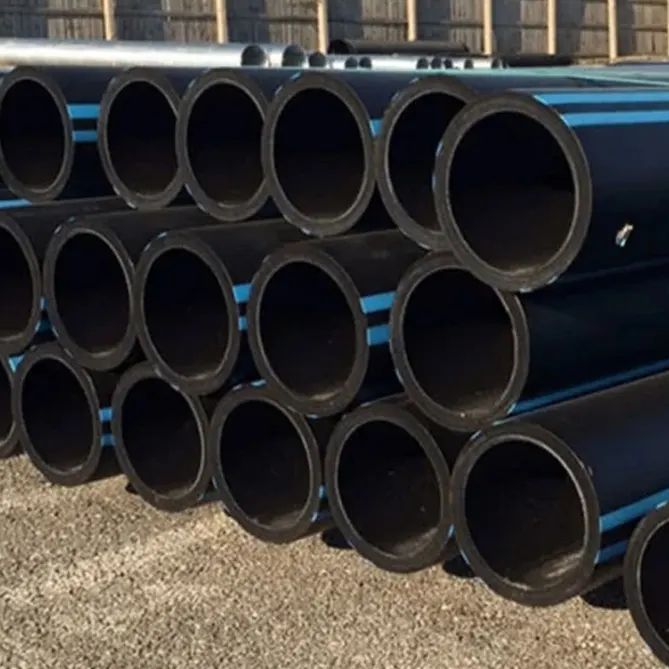
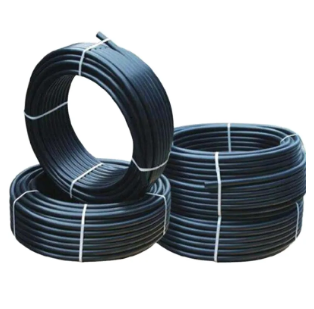
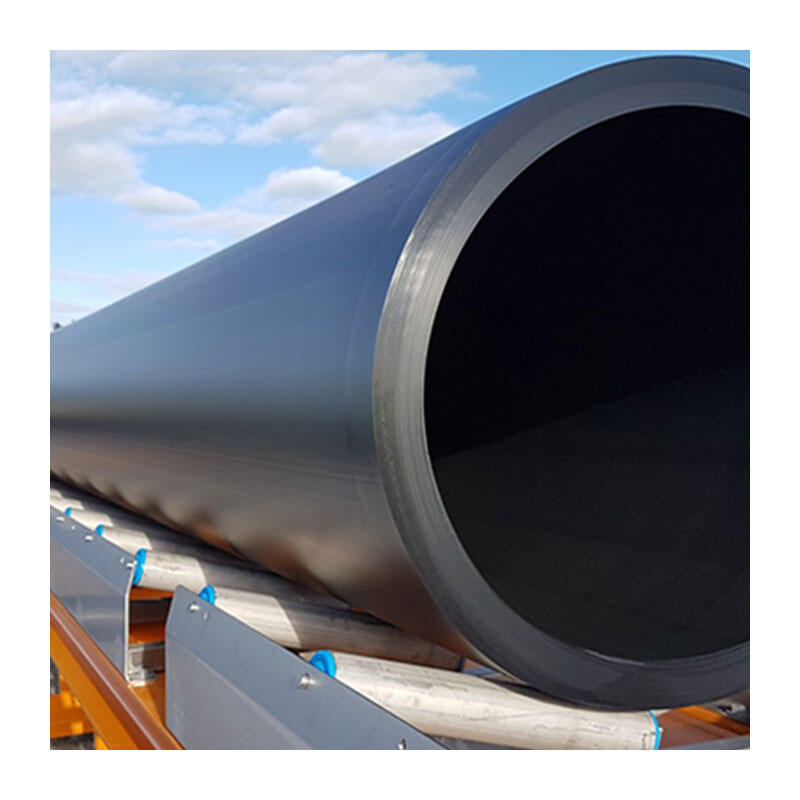
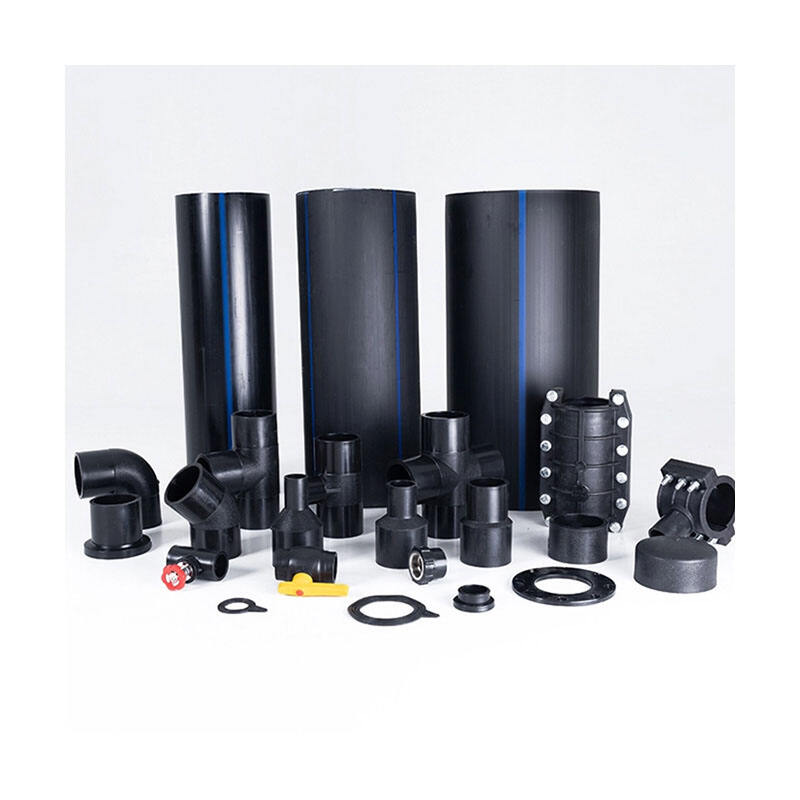
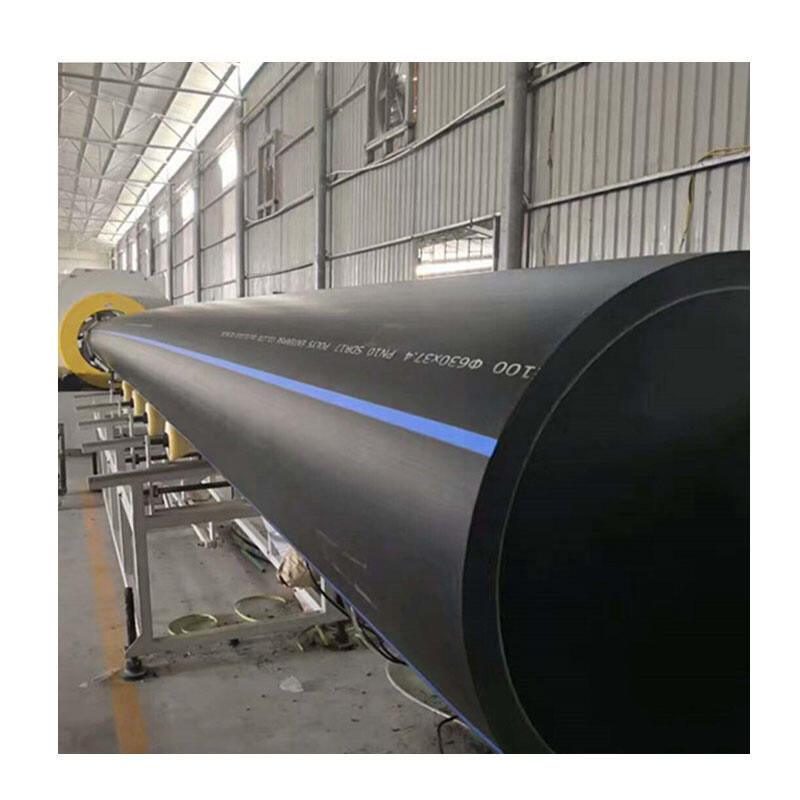
PE pipes for fluid transportation represent a revolutionary advancement in modern piping systems, designed to efficiently convey various types of fluids across diverse industrial and municipal applications. These polyethylene-based conduits have transformed the way liquids and gases are transported, offering superior performance compared to traditional metal piping solutions. PE pipes for fluid transportation are manufactured using high-density polyethylene materials that undergo specialized extrusion processes, resulting in seamless, durable conduits capable of handling demanding operational conditions. The primary function of PE pipes for fluid transportation centers on providing reliable, leak-proof pathways for water supply systems, sewage networks, gas distribution lines, and industrial process fluids. These pipes excel in maintaining fluid integrity while withstanding environmental stresses, temperature fluctuations, and chemical exposure. The technological features of PE pipes for fluid transportation include exceptional flexibility, allowing for easy installation around obstacles and through challenging terrain without requiring numerous joints or fittings. Their smooth interior surfaces minimize friction losses, enhancing flow efficiency and reducing pumping costs. PE pipes for fluid transportation incorporate advanced fusion welding technologies, creating monolithic pipeline systems with joints stronger than the pipe material itself. The molecular structure of polyethylene provides inherent resistance to corrosion, eliminating the need for protective coatings or cathodic protection systems commonly required with metal alternatives. These pipes maintain dimensional stability under pressure while offering excellent impact resistance, even in extreme weather conditions. Applications for PE pipes for fluid transportation span municipal water distribution networks, wastewater collection systems, industrial cooling circuits, mining operations, agricultural irrigation systems, and natural gas distribution infrastructure. Their versatility makes them suitable for both above-ground and buried installations, accommodating pressures ranging from low-pressure gravity systems to high-pressure transmission mains.