PE Pipe Solutions: Durable Polyethylene Piping Systems for Water, Gas & Industrial Applications

Get a Free Quote

Our representative will contact you soon.
Email
Mobile
Name
Message
0/1000

pe pipe

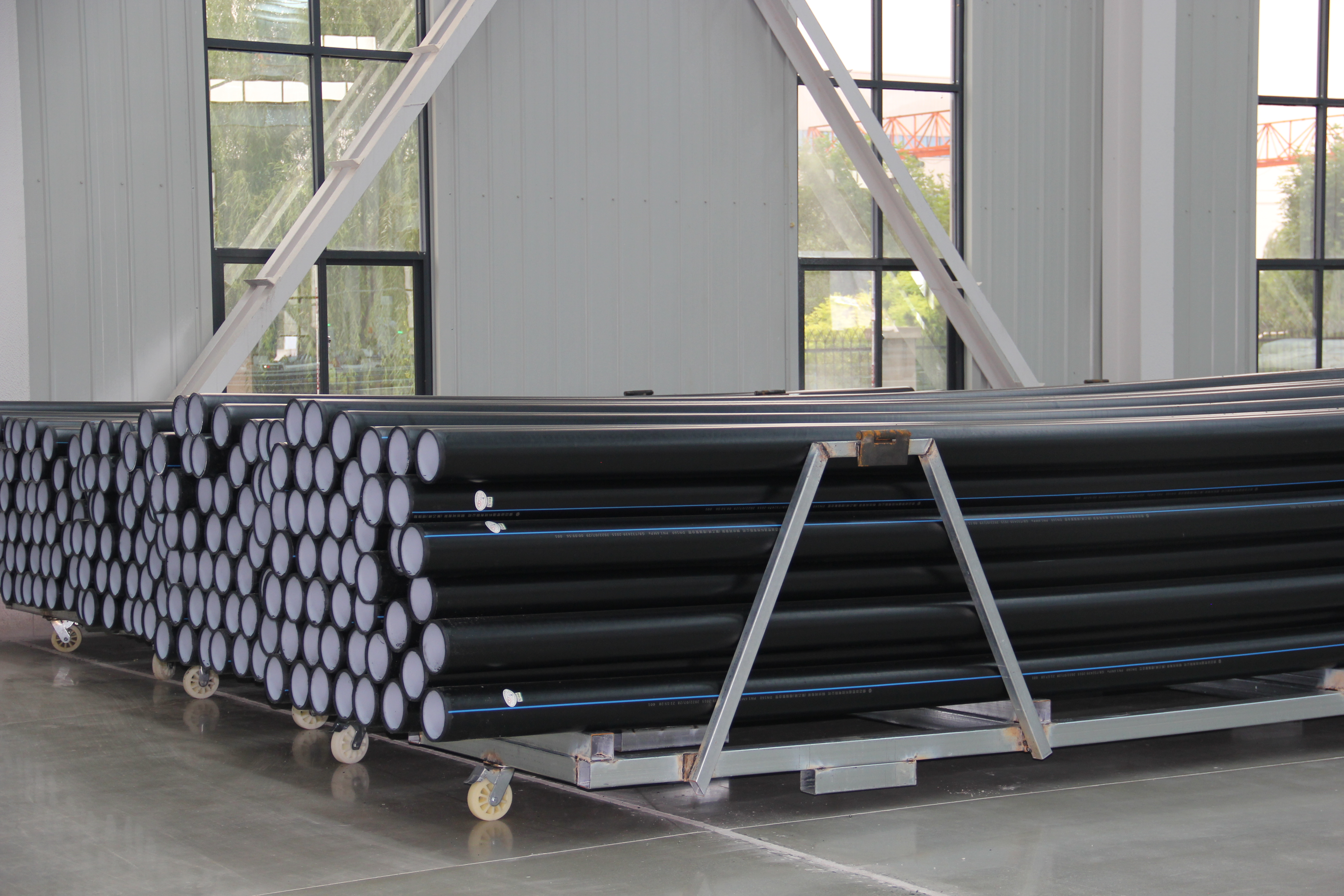
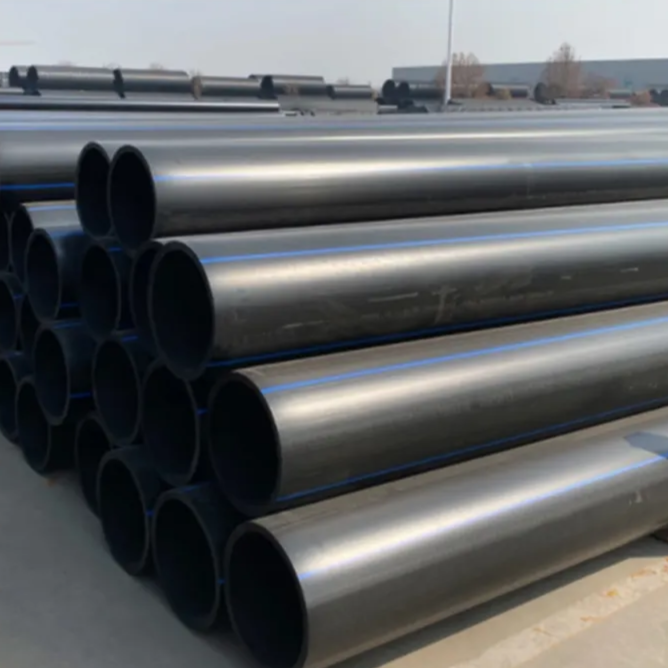
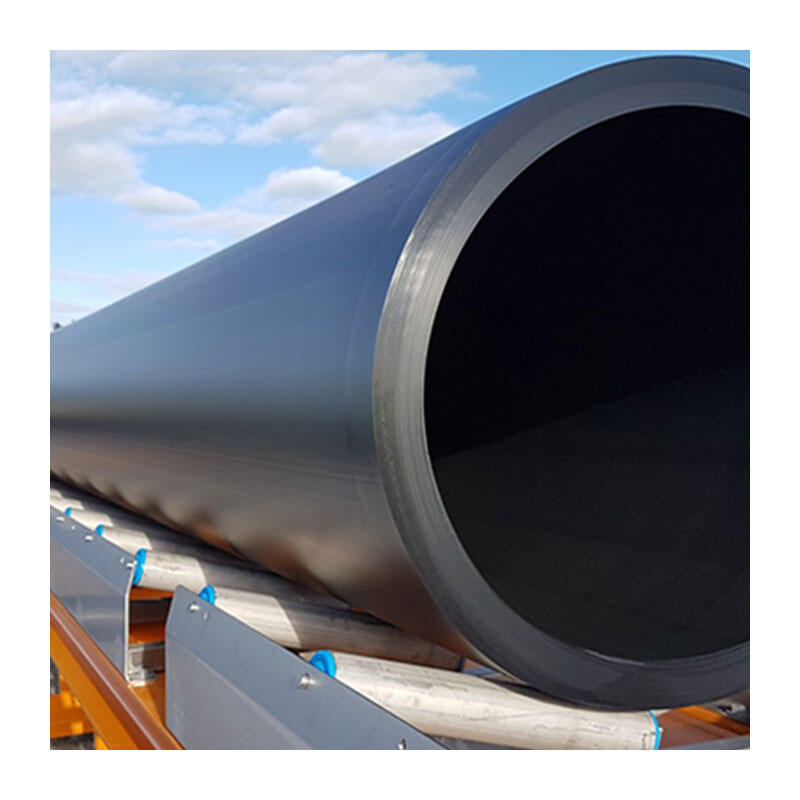
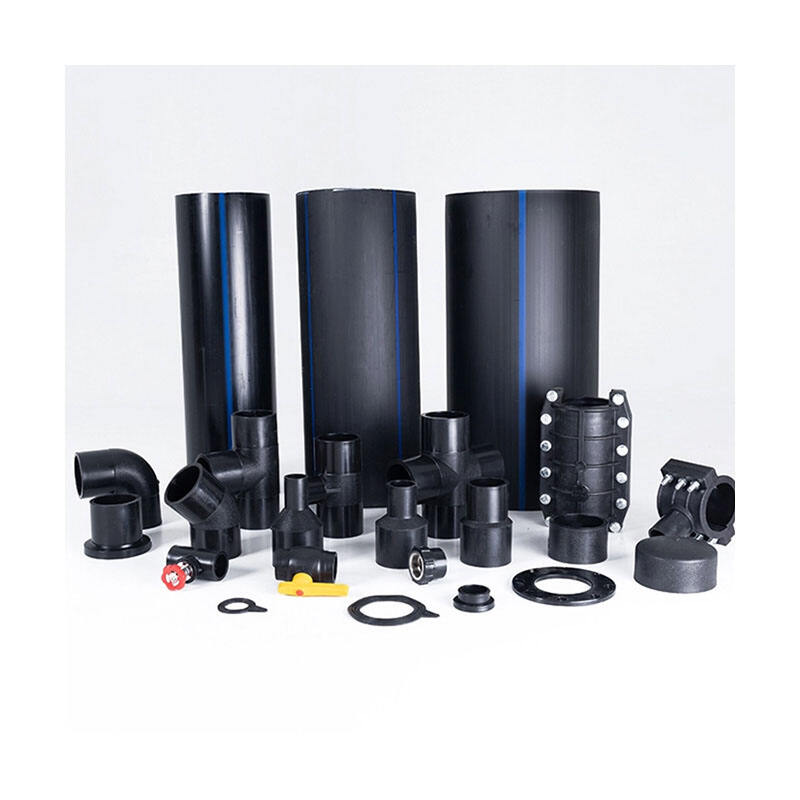
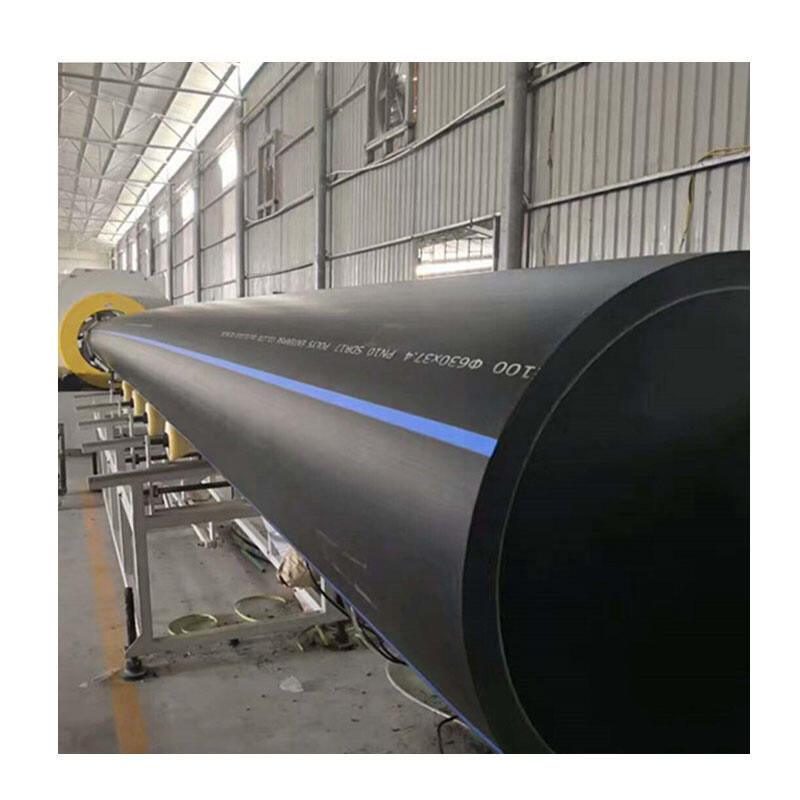
Polyethylene (PE) pipe represents one of the most versatile and reliable piping solutions in modern infrastructure development. This thermoplastic piping system is manufactured from high-density polyethylene resin, creating a robust conduit that excels in various demanding applications. The pe pipe stands out for its exceptional chemical resistance, making it ideal for transporting water, gas, and industrial fluids without degradation or contamination. Its molecular structure provides inherent flexibility while maintaining structural integrity under pressure and environmental stress. The manufacturing process involves precise extrusion techniques that ensure consistent wall thickness and dimensional accuracy throughout the entire length. PE pipe systems utilize heat fusion joining methods, creating seamless connections that eliminate potential leak points common in traditional piping materials. This fusion welding process forms joints stronger than the pipe material itself, ensuring long-term reliability. The material's non-toxic properties make pe pipe particularly suitable for potable water distribution systems, meeting strict health and safety regulations worldwide. Its smooth interior surface reduces friction losses, improving flow efficiency and reducing energy consumption in pumping applications. PE pipe demonstrates remarkable resistance to abrasion, impact, and fatigue, extending service life significantly compared to conventional materials. The pipe's lightweight nature simplifies transportation, handling, and installation procedures, reducing labor costs and project timelines. Environmental sustainability becomes a key consideration, as pe pipe is fully recyclable and manufactured with minimal environmental impact. Its resistance to biological growth prevents biofilm formation, maintaining water quality and system hygiene. The material's flexibility allows for installation in challenging terrain, accommodating ground movement and thermal expansion without compromising system integrity. Modern pe pipe systems incorporate advanced polymer formulations that enhance performance characteristics while maintaining cost-effectiveness for large-scale infrastructure projects.

New Product Releases

PE pipe delivers exceptional value through its comprehensive range of practical benefits that directly impact project success and long-term performance. The material's outstanding corrosion resistance eliminates concerns about rust, scale, or chemical deterioration that plague metal piping systems. This resistance translates to decades of reliable service without expensive maintenance or replacement cycles. Installation advantages become immediately apparent through the pipe's lightweight construction, which reduces transportation costs and allows smaller crews to handle larger diameter pipes safely. The heat fusion joining process creates permanent, leak-proof connections that eliminate the need for gaskets, clamps, or mechanical fittings that can fail over time. This joining method also reduces installation time significantly, as connections can be completed quickly with proper equipment and training. The pe pipe's flexibility provides crucial advantages in challenging installation conditions, allowing the pipe to bend around obstacles and follow terrain contours without requiring numerous fittings or joints. This flexibility also helps the system accommodate ground settlement, seismic activity, and thermal expansion without stress concentration points that could lead to failure. Operating costs remain low throughout the pipe's service life due to its smooth interior surface that maintains flow characteristics and reduces pumping energy requirements. The material's chemical inertness ensures transported fluids remain uncontaminated, eliminating taste and odor issues common with other piping materials. Maintenance requirements are minimal since pe pipe resists scaling, corrosion, and biological growth that typically necessitate regular cleaning and treatment in conventional systems. The pipe's impact resistance prevents damage during installation and operation, reducing the likelihood of emergency repairs and service interruptions. Environmental benefits include the material's recyclability and lower carbon footprint compared to manufacturing metal pipes. The long service life of pe pipe systems, often exceeding 50 years, provides excellent return on investment and reduces replacement frequency. Freeze resistance capabilities prevent pipe bursting in cold climates, as the material can accommodate ice expansion without permanent damage. These combined advantages make pe pipe an intelligent choice for water distribution, gas transmission, industrial applications, and infrastructure projects where reliability, economy, and performance are paramount considerations for decision-makers.

Latest News

Advanced Features and Maintenance Strategies for PE Steel Wire Mesh Skeleton Pipes

14

Sep

Advanced Features and Maintenance Strategies for PE Steel Wire Mesh Skeleton Pipes

View More
Understanding the Benefits of Dredging Pipelines in Marine Construction

30

Jun

Understanding the Benefits of Dredging Pipelines in Marine Construction

Explore the profound impact of dredging pipelines in modern marine construction. Discover how they enhance efficiency, enable large-scale infrastructure, and support global trade. Learn about key materials like HDPE, PVC, and Polyethylene, and understand future trends in dredging technology.
View More
HDPE Double Wall Corrugated Pipes: The Future of Underground Drainage

24

Jun

HDPE Double Wall Corrugated Pipes: The Future of Underground Drainage

Discover key advantages of HDPE double wall corrugated pipes including durability, corrosion resistance, and high flexibility for modern infrastructure solutions. Explore their cost-effectiveness and sustainability benefits over traditional materials.
View More
Krah Pipes: The Ultimate Solution for Large-Scale Drainage Projects

30

Jun

Krah Pipes: The Ultimate Solution for Large-Scale Drainage Projects

Explore the advantages of Krah Pipes in drainage systems. Learn how their high ring stiffness, lightweight design, and adaptability make them ideal for large-scale projects, providing cost-effective and durable solutions.
View More

Get a Free Quote

Our representative will contact you soon.
Email
Mobile
Name
Message
0/1000

pe pipe

Superior Chemical Resistance and Material Integrity

Superior Chemical Resistance and Material Integrity

The exceptional chemical resistance of pe pipe stems from polyethylene's inherent molecular structure, which provides unmatched protection against a wide spectrum of aggressive substances and environmental conditions. This resistance extends to acids, bases, salts, and organic compounds that would rapidly degrade traditional piping materials like steel or concrete. The polymer chains in pe pipe create a barrier that prevents chemical penetration and reaction, ensuring the pipe maintains its structural properties and performance characteristics throughout its service life. Unlike metal pipes that suffer from electrochemical corrosion, galvanic action, and oxidation, pe pipe remains chemically inert in virtually all soil conditions and transported media. This chemical stability proves particularly valuable in industrial applications where process fluids may contain corrosive chemicals, high salt concentrations, or varying pH levels. The material's resistance to hydrogen sulfide, chlorine, and other aggressive chemicals makes pe pipe ideal for wastewater treatment facilities, chemical processing plants, and marine environments where conventional materials would require frequent replacement. The absence of metal ions in the pipe material eliminates any risk of metallic contamination in drinking water systems, ensuring compliance with health regulations and maintaining water quality standards. The pe pipe's resistance to biological attack prevents degradation from bacteria, fungi, and other microorganisms commonly found in soil and water systems. This biological resistance eliminates the need for expensive protective coatings or cathodic protection systems required by metal pipes. The material's UV resistance, when properly formulated with carbon black or other stabilizers, allows for above-ground installations without degradation from solar radiation. Temperature resistance enables pe pipe to maintain its properties across a wide range of operating conditions, from sub-freezing temperatures to elevated conditions in industrial applications. The chemical resistance of pe pipe extends the system's service life to 50 years or more, providing exceptional value and reducing the total cost of ownership for infrastructure projects. This durability translates to fewer service disruptions, lower maintenance costs, and greater system reliability for end users.
Advanced Heat Fusion Technology and Joint Integrity

Advanced Heat Fusion Technology and Joint Integrity

The heat fusion joining system used with pe pipe represents a revolutionary advancement in piping technology, creating connections that exceed the strength of the base pipe material itself. This thermoplastic welding process involves precisely controlled heating of pipe ends or socket surfaces, followed by joining under specific pressure and cooling parameters to create a homogeneous bond. The fusion process eliminates the molecular boundary between joined sections, essentially creating one continuous piece of pipe material across the entire system length. This seamless integration provides unparalleled joint integrity that cannot be achieved with mechanical connections, gaskets, or adhesive systems. The butt fusion method, commonly used for larger diameter pe pipe installations, involves facing the pipe ends perfectly flat, heating them to the proper temperature, and joining them under controlled pressure while maintaining precise alignment. Socket fusion techniques work effectively for smaller diameter pipes, using heated socket fittings that create equally strong connections with proper preparation and execution. The fusion process requires specialized equipment and trained technicians, but the investment pays dividends through superior joint reliability and longevity. Quality control during fusion involves monitoring temperature, pressure, and timing parameters to ensure optimal joint formation, with visual inspection criteria that verify proper fusion bead formation. The strength of fusion joints often exceeds the pipe material strength by 10-15 percent, providing confidence that joints will not fail under system operating conditions. This joint integrity eliminates the gradual deterioration common with rubber gaskets, threaded connections, and mechanical couplings that can develop leaks over time. The fusion joining process also creates smooth internal pipe surfaces at connection points, maintaining optimal flow characteristics throughout the system without turbulence or pressure loss at joints. Environmental benefits of fusion joining include elimination of lubricants, sealants, and gasket materials that might leach into transported fluids or soil. The permanent nature of fusion joints reduces maintenance requirements and service calls, as properly made joints do not require periodic tightening, replacement, or adjustment. System reliability improves dramatically when fusion joints eliminate leak-prone connection points, reducing water loss, service interruptions, and emergency repairs that impact customer satisfaction and system efficiency.

Exceptional Flexibility and Installation Advantages

Exceptional Flexibility and Installation Advantages

The remarkable flexibility of pe pipe provides significant advantages during installation and throughout the system's operational life, distinguishing it from rigid piping materials that require complex fitting arrangements and precise alignment. This flexibility stems from the polymer's molecular structure, which allows controlled bending without compromising structural integrity or creating stress concentration points that could lead to premature failure. Installation crews can route pe pipe around obstacles, follow terrain contours, and accommodate site constraints without requiring numerous elbows, tees, and other fittings that increase cost and potential failure points. The material's ability to bend to specific radii, typically 20 to 25 times the pipe diameter for smaller sizes, enables continuous runs that reduce joint quantities and installation time significantly. Trenchless installation methods become feasible with pe pipe flexibility, including horizontal directional drilling, pipe bursting, and slip-lining techniques that minimize surface disruption and reduce project costs. The pipe's ability to accommodate ground settlement and thermal expansion prevents stress buildup that would crack rigid materials, making pe pipe ideal for areas with unstable soil conditions or significant temperature variations. Seismic resistance improves dramatically due to the pipe's flexibility, as it can absorb ground movement and vibration without developing stress fractures or joint failures common in rigid systems. Installation in rocky terrain becomes more manageable since pe pipe can conform to irregular surfaces without requiring extensive excavation or bedding materials needed for rigid pipes. The lightweight nature of pe pipe, typically 10-15 percent of equivalent steel pipe weight, reduces transportation costs and allows smaller installation crews to handle larger diameter pipes safely. Coil packaging for smaller diameter pe pipe eliminates numerous joints required with shorter rigid pipe sections, reducing installation time and potential leak points while improving system reliability. Winter installation becomes possible with pe pipe since the material remains flexible at low temperatures and resists impact damage that would crack brittle materials. The pipe's flexibility also facilitates repairs and modifications, as sections can be rerouted or connected without complex fitting arrangements. Long-term performance benefits from flexibility include accommodation of building settlement, frost heave, and other ground movements that would damage rigid piping systems, ensuring decades of reliable service with minimal maintenance requirements.
Inquiry PE Pipe Solutions: Durable Polyethylene Piping Systems for Water, Gas & Industrial Applications Inquiry PE Pipe Solutions: Durable Polyethylene Piping Systems for Water, Gas & Industrial Applications PE Pipe Solutions: Durable Polyethylene Piping Systems for Water, Gas & Industrial Applications PE Pipe Solutions: Durable Polyethylene Piping Systems for Water, Gas & Industrial Applications
Write down your question

We are not only a product manufacturer, but also a solution provider. Whether you have questions or quotation requests, we will help you.

Get a Quote

Contact Us

Your email address will not be published. Required fields are marked *
Email
Name
Mobile
Message
0/1000