High-Performance Polyethylene Pipe Systems: Durable, Cost-Effective Infrastructure Solutions

Get a Free Quote

Our representative will contact you soon.
Email
Mobile
Name
Message
0/1000

polyethylene pipe

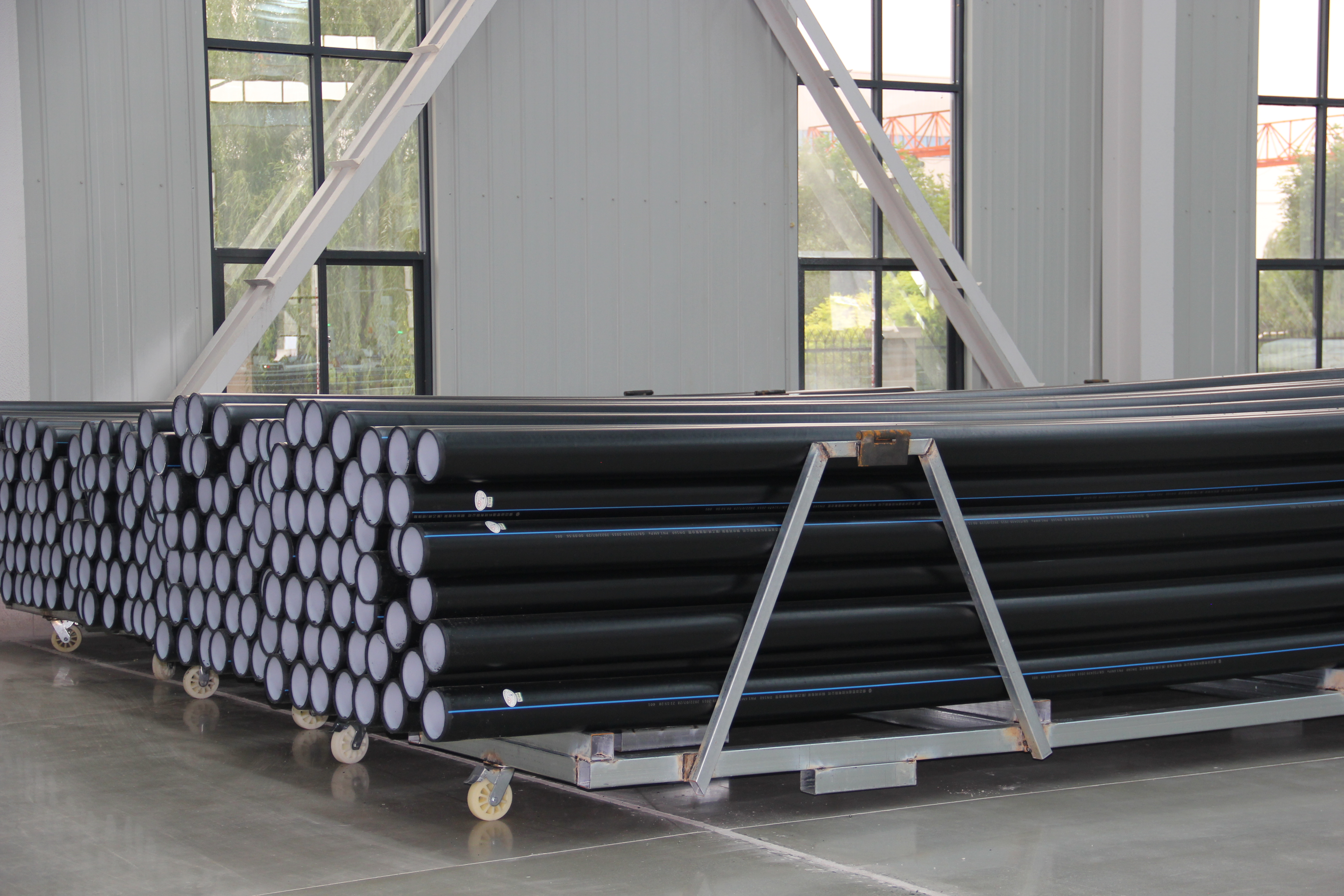
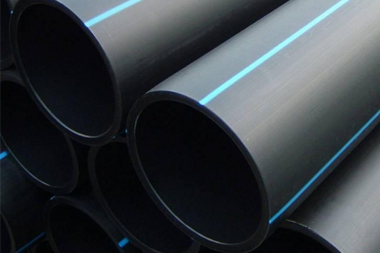
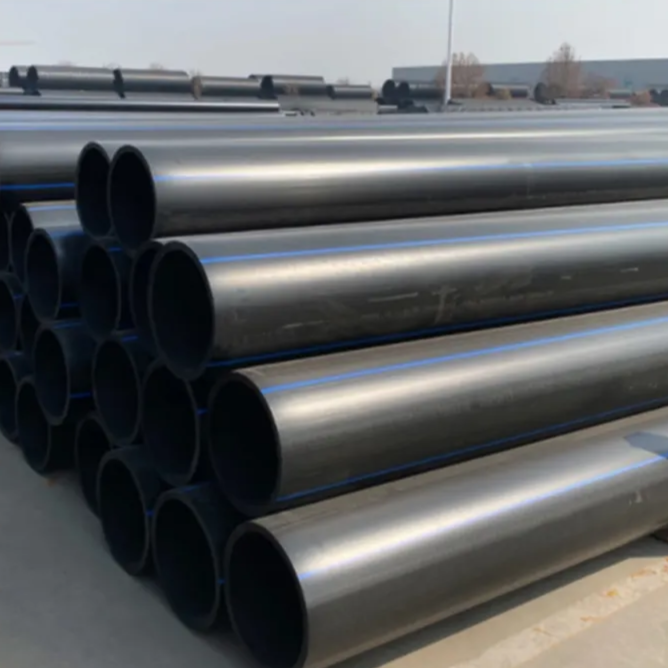
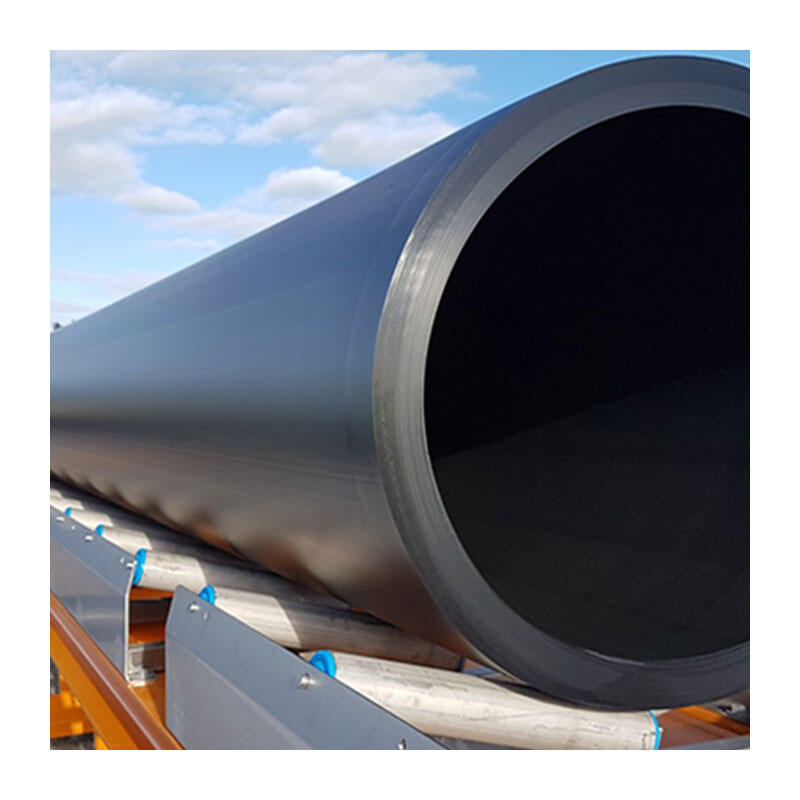
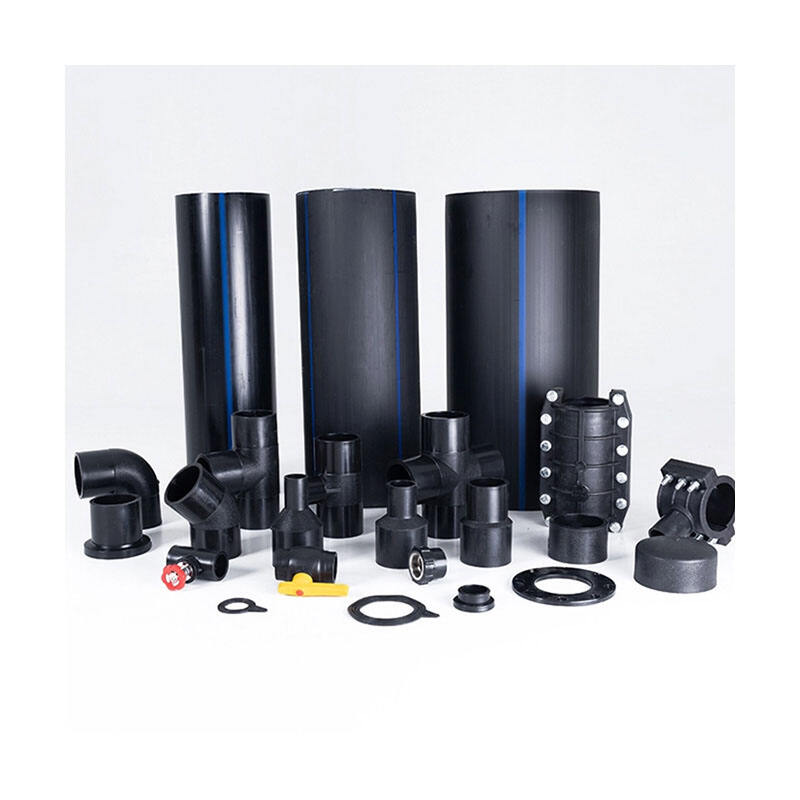
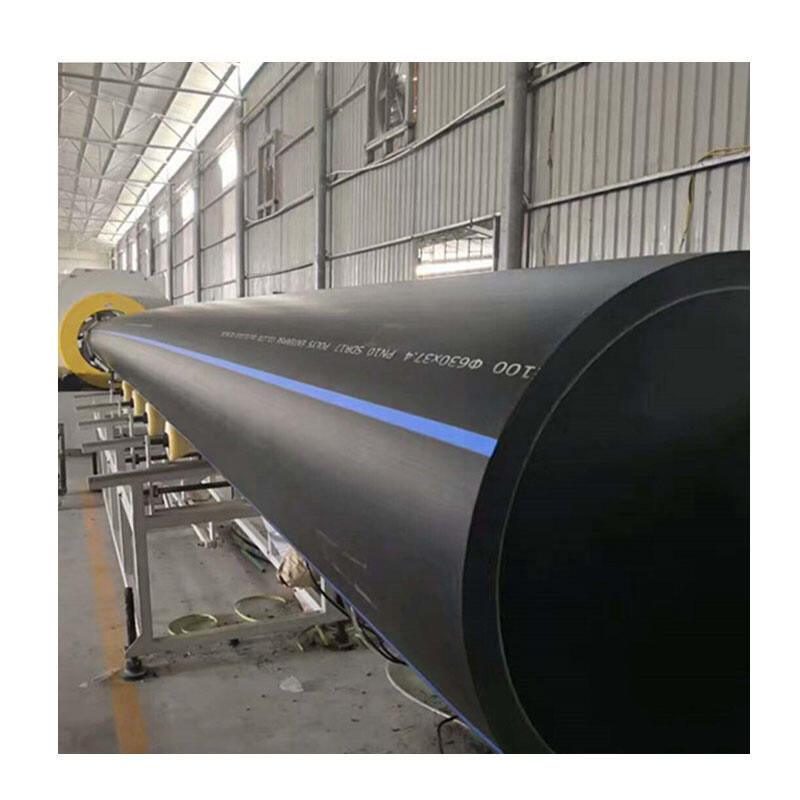
Polyethylene pipe represents a revolutionary advancement in modern piping systems, offering exceptional performance across diverse industrial and residential applications. This thermoplastic piping solution is manufactured from high-density polyethylene (HDPE) or medium-density polyethylene (MDPE), creating a robust infrastructure component that serves critical roles in water distribution, gas transmission, and industrial processes. The polyethylene pipe technology incorporates advanced polymer science, resulting in a piping system that demonstrates remarkable resistance to environmental stress, chemical corrosion, and physical impact. These pipes feature smooth interior surfaces that promote efficient fluid flow while maintaining structural integrity under varying pressure conditions. The manufacturing process involves precise extrusion techniques that ensure consistent wall thickness and dimensional accuracy throughout the entire length of each polyethylene pipe segment. Modern polyethylene pipe systems utilize sophisticated joining methods, including electrofusion and butt fusion welding, which create seamless connections that eliminate potential leak points common in traditional piping materials. The molecular structure of polyethylene provides inherent flexibility, allowing these pipes to accommodate ground movement and thermal expansion without compromising system performance. Installation procedures for polyethylene pipe systems are streamlined due to their lightweight construction and flexible nature, reducing labor costs and project timelines significantly. Quality control measures during production ensure that each polyethylene pipe meets stringent industry standards for pressure ratings, temperature resistance, and longevity. The versatility of polyethylene pipe applications extends from municipal water systems and natural gas distribution networks to agricultural irrigation and mining operations, demonstrating its adaptability across multiple sectors and environmental conditions.


New Product Recommendations

Polyethylene pipe systems deliver substantial cost savings throughout their operational lifecycle, making them an economically attractive choice for infrastructure projects. The initial investment in polyethylene pipe installation proves highly beneficial due to reduced material costs compared to traditional alternatives like steel or concrete piping. Labor expenses decrease significantly during polyethylene pipe installation because these lightweight components require minimal heavy equipment and fewer personnel for handling and positioning. The fusion welding process creates permanent joints that eliminate the need for expensive fittings, gaskets, and mechanical connections that often require replacement in conventional piping systems. Maintenance costs remain exceptionally low throughout the service life of polyethylene pipe networks because these materials resist corrosion, scaling, and biological growth that plague metal piping systems. The smooth interior surface of polyethylene pipe maintains consistent flow characteristics over decades, preventing the efficiency losses associated with roughened or corroded pipe interiors. Energy consumption for pumping operations stays constant because polyethylene pipe maintains its hydraulic efficiency without degradation over time. Replacement cycles extend dramatically with polyethylene pipe systems, often exceeding 50 years of reliable service, which translates to long-term infrastructure stability and reduced capital expenditure planning. Environmental benefits accompany the use of polyethylene pipe through reduced carbon footprint during manufacturing and transportation due to lighter weight compared to metal alternatives. The recyclability of polyethylene materials supports sustainable construction practices and waste reduction initiatives. Installation flexibility allows polyethylene pipe systems to navigate challenging terrain and underground obstacles without requiring extensive excavation or route modifications. Leak prevention capabilities of properly installed polyethylene pipe systems protect valuable water resources and prevent costly environmental remediation projects. Temperature tolerance enables polyethylene pipe to function effectively in extreme climate conditions without brittleness or thermal stress failures that affect other materials. Chemical resistance properties ensure that polyethylene pipe systems maintain their integrity when transporting various fluids, including potable water, industrial chemicals, and agricultural solutions.

Tips And Tricks

Advanced Features and Maintenance Strategies for PE Steel Wire Mesh Skeleton Pipes

14

Sep

Advanced Features and Maintenance Strategies for PE Steel Wire Mesh Skeleton Pipes

View More
HDPE Pipe: Key Material for Modern Pipe Systems

18

Sep

HDPE Pipe: Key Material for Modern Pipe Systems

View More
Understanding the Benefits of Dredging Pipelines in Marine Construction

30

Jun

Understanding the Benefits of Dredging Pipelines in Marine Construction

Explore the profound impact of dredging pipelines in modern marine construction. Discover how they enhance efficiency, enable large-scale infrastructure, and support global trade. Learn about key materials like HDPE, PVC, and Polyethylene, and understand future trends in dredging technology.
View More
Krah Pipes: The Ultimate Solution for Large-Scale Drainage Projects

30

Jun

Krah Pipes: The Ultimate Solution for Large-Scale Drainage Projects

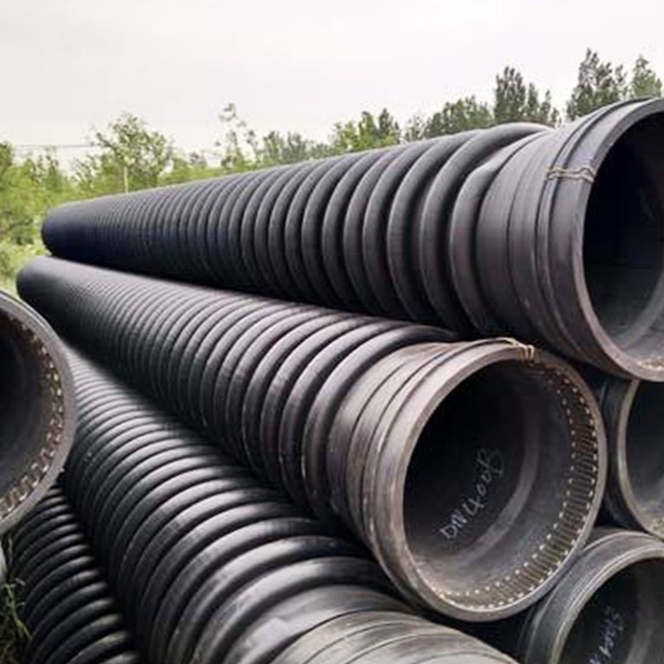
Explore the advantages of Krah Pipes in drainage systems. Learn how their high ring stiffness, lightweight design, and adaptability make them ideal for large-scale projects, providing cost-effective and durable solutions.
View More

Get a Free Quote

Our representative will contact you soon.
Email
Mobile
Name
Message
0/1000

polyethylene pipe

Superior Durability and Longevity Performance

Superior Durability and Longevity Performance

The exceptional durability characteristics of polyethylene pipe systems establish them as premier infrastructure solutions capable of withstanding decades of continuous operation under demanding conditions. Advanced polymer engineering creates a molecular structure that resists environmental stress cracking, a common failure mode that affects other plastic piping materials when exposed to tensile stress and chemical environments. The polyethylene pipe material demonstrates remarkable resistance to fatigue failure, maintaining structural integrity even under repeated pressure cycling that would compromise rigid piping systems. Laboratory testing and field performance data confirm that properly installed polyethylene pipe networks regularly exceed design life expectations, with many installations demonstrating reliable performance after 30-40 years of service. The inherent flexibility of polyethylene pipe allows these systems to absorb ground movement, seismic activity, and thermal expansion without developing stress concentrations that lead to crack propagation and system failure. Unlike metallic piping that suffers from galvanic corrosion and electrochemical degradation, polyethylene pipe maintains consistent wall thickness and structural properties throughout its service life. The smooth interior surface resists biofilm formation and mineral deposits that reduce flow capacity and create maintenance challenges in traditional piping materials. Polyethylene pipe systems demonstrate excellent resistance to aggressive soil conditions, including high pH environments, salt contamination, and organic compounds that accelerate the deterioration of metal and concrete piping. The manufacturing quality control processes ensure uniform material properties throughout each polyethylene pipe segment, eliminating weak points that could compromise long-term performance. Field fusion techniques create homogeneous joints that exhibit strength characteristics identical to the parent pipe material, resulting in a continuous piping system without mechanical weak points that require periodic inspection and maintenance.
Exceptional Chemical and Environmental Resistance

Exceptional Chemical and Environmental Resistance

Polyethylene pipe systems exhibit outstanding resistance to a comprehensive range of chemicals, making them ideal solutions for applications involving corrosive fluids and aggressive environmental conditions. The inert nature of polyethylene polymer prevents chemical reactions with transported fluids, ensuring that water quality remains uncompromised throughout distribution networks and that industrial processes maintain their chemical integrity. Unlike metal piping systems that release ions into transported fluids through corrosion processes, polyethylene pipe maintains chemical neutrality, preventing contamination and taste issues in potable water applications. The material demonstrates exceptional resistance to acids, bases, salts, and organic solvents that would rapidly degrade conventional piping materials, making polyethylene pipe suitable for chemical processing facilities and industrial waste management systems. Environmental stress resistance enables polyethylene pipe to maintain its mechanical properties when exposed to ultraviolet radiation, temperature fluctuations, and aggressive soil conditions that cause premature failure in other materials. The non-conductive properties of polyethylene eliminate galvanic corrosion concerns and electrical interference issues that affect metal piping systems in underground installations. Biological resistance prevents bacterial degradation and root intrusion that compromise the integrity of organic piping materials and create maintenance challenges in buried applications. The hydrophobic surface characteristics of polyethylene pipe resist moisture absorption and dimensional changes that affect other plastic materials in humid environments. Chemical compatibility testing confirms that polyethylene pipe maintains its structural properties when exposed to chlorinated compounds, petroleum products, and agricultural chemicals commonly encountered in various applications. The molecular stability of polyethylene prevents plasticizer migration and polymer degradation that can affect other plastic piping materials over time, ensuring consistent performance characteristics throughout the design life of the installation.

Cost-Effective Installation and Maintenance Benefits

Cost-Effective Installation and Maintenance Benefits

The installation advantages of polyethylene pipe systems deliver significant project cost reductions and timeline improvements compared to traditional piping materials, making them economically attractive for infrastructure development projects. The lightweight nature of polyethylene pipe eliminates the need for heavy lifting equipment and extensive support structures required for metal or concrete piping systems, reducing equipment rental costs and labor requirements substantially. Trenchless installation techniques, including horizontal directional drilling and pipe bursting, become feasible with flexible polyethylene pipe systems, minimizing surface disruption and restoration costs in urban environments. The fusion welding process creates permanent, leak-proof joints without requiring expensive mechanical fittings, gaskets, or threaded connections that add material costs and potential failure points to piping systems. Installation crews can complete polyethylene pipe projects more rapidly due to simplified handling procedures and reduced complexity of joining methods, resulting in lower labor costs and shortened project schedules. The flexibility of polyethylene pipe allows installation teams to navigate obstacles and follow curved paths without requiring numerous fittings and direction changes that increase material costs and installation time. Cold weather installation capabilities enable year-round construction schedules with polyethylene pipe systems, avoiding seasonal delays and contractor availability issues that affect project costs. Maintenance requirements remain minimal throughout the operational life of polyethylene pipe systems due to their resistance to corrosion, scaling, and mechanical wear that necessitate regular intervention in conventional piping networks. Leak detection and repair procedures are simplified with polyethylene pipe systems because electrofusion repair techniques can restore full system integrity without requiring extensive excavation or system shutdown. The predictable performance characteristics of polyethylene pipe enable accurate lifecycle cost modeling and infrastructure planning, supporting informed investment decisions and budget allocation strategies for municipal and industrial applications.
Inquiry High-Performance Polyethylene Pipe Systems: Durable, Cost-Effective Infrastructure Solutions Inquiry High-Performance Polyethylene Pipe Systems: Durable, Cost-Effective Infrastructure Solutions High-Performance Polyethylene Pipe Systems: Durable, Cost-Effective Infrastructure Solutions High-Performance Polyethylene Pipe Systems: Durable, Cost-Effective Infrastructure Solutions
Write down your question

We are not only a product manufacturer, but also a solution provider. Whether you have questions or quotation requests, we will help you.

Get a Quote

Contact Us

Your email address will not be published. Required fields are marked *
Email
Name
Mobile
Message
0/1000