Premium Polyethylene Piping Solutions: Durable, Flexible & Chemical-Resistant Infrastructure Systems

Get a Free Quote

Our representative will contact you soon.
Email
Mobile
Name
Message
0/1000

polyethylene piping

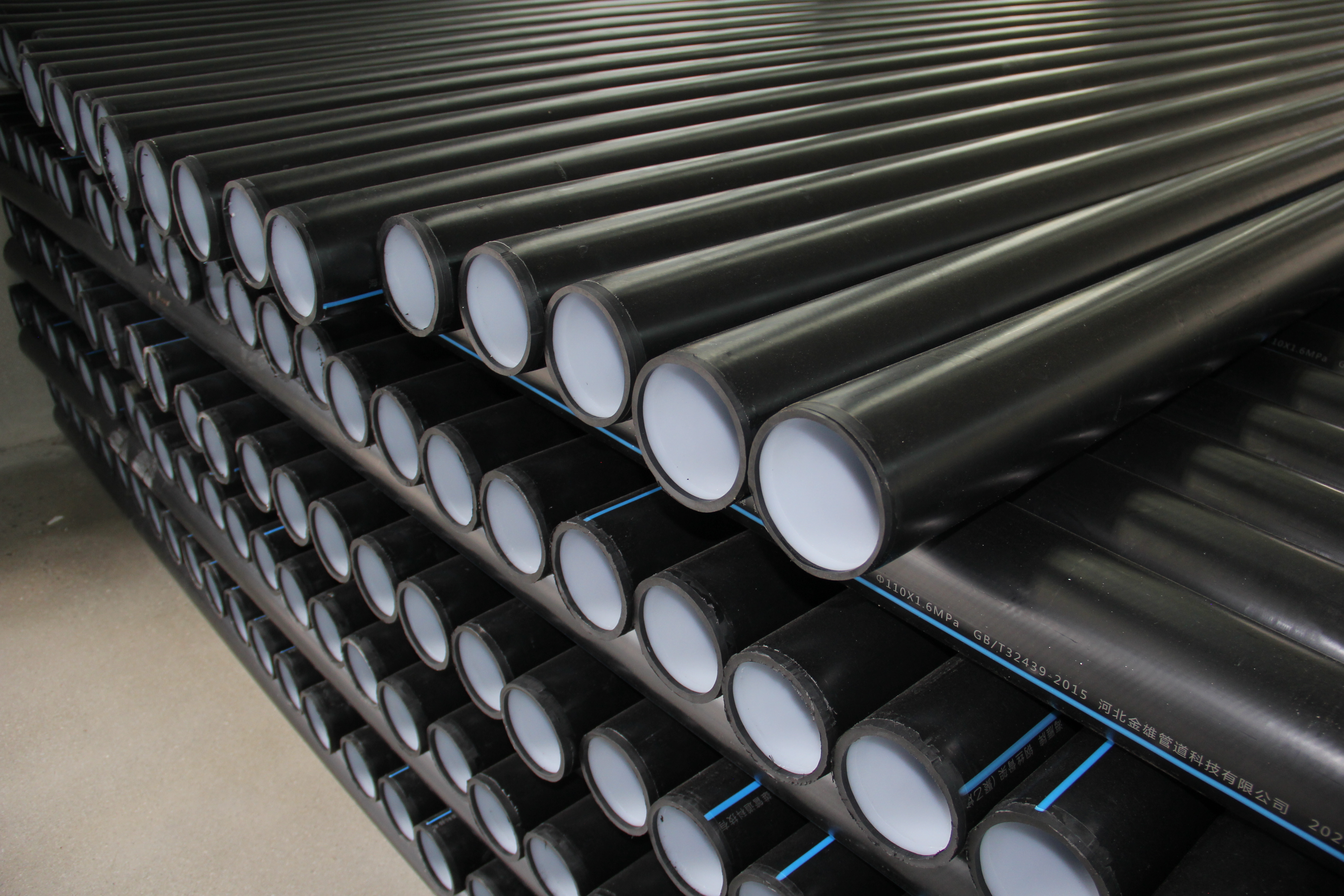
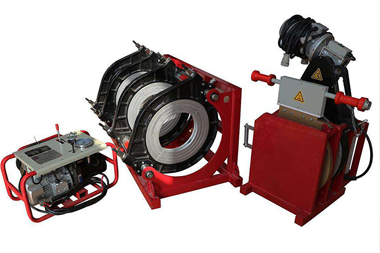
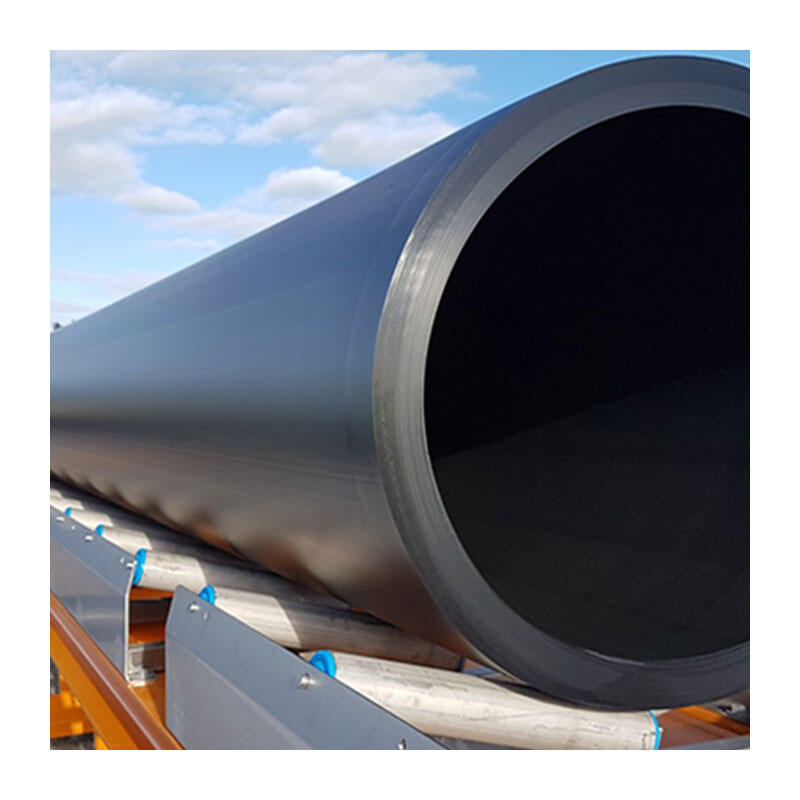
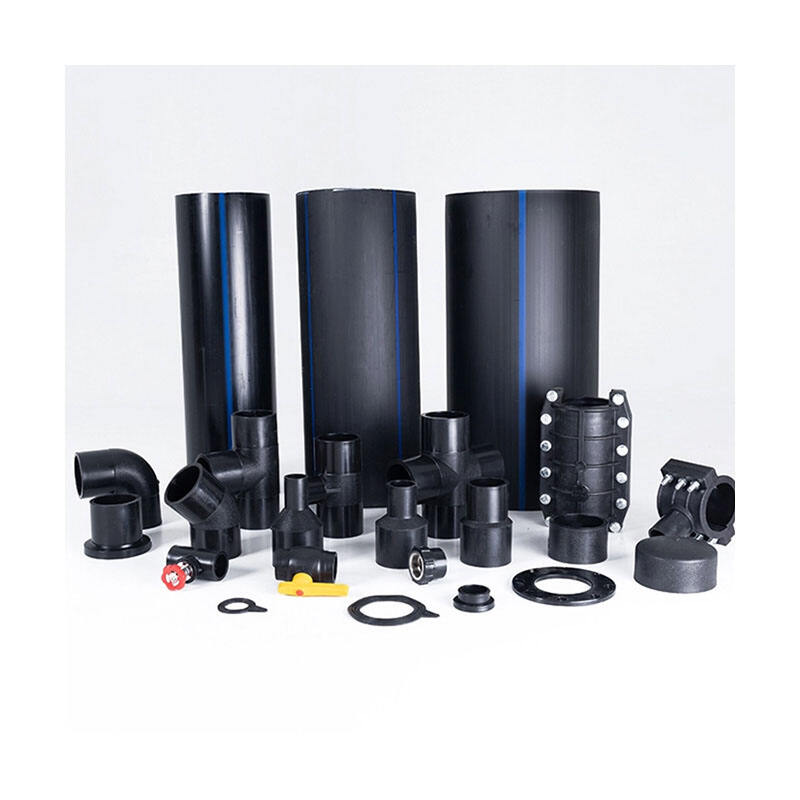
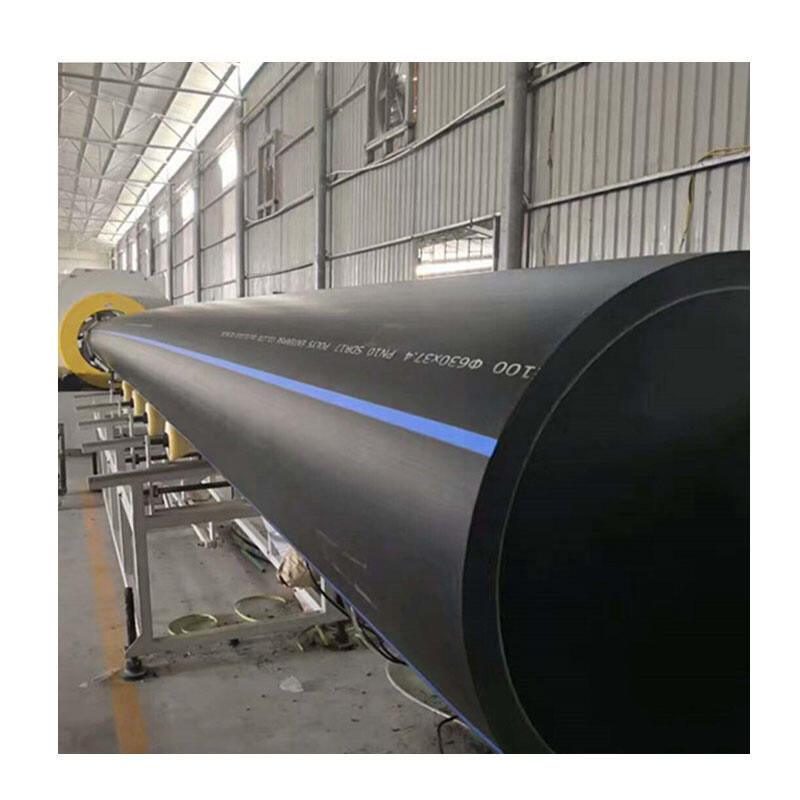
Polyethylene piping represents a revolutionary advancement in modern infrastructure systems, delivering exceptional performance across residential, commercial, and industrial applications. This innovative piping solution utilizes high-density polyethylene (HDPE) materials that offer superior chemical resistance, flexibility, and longevity compared to traditional piping materials. The main functions of polyethylene piping encompass water distribution, gas transportation, sewer systems, and industrial fluid handling, making it an indispensable component in contemporary construction projects. The technological features of polyethylene piping include advanced extrusion manufacturing processes that ensure consistent wall thickness, optimal molecular structure, and enhanced stress crack resistance. These pipes demonstrate remarkable adaptability to ground movement, temperature fluctuations, and seismic activity, which makes them particularly valuable in challenging installation environments. The fusion welding capabilities of polyethylene piping create seamless, leak-proof joints that eliminate potential failure points common in mechanical connections. Applications for polyethylene piping span numerous sectors including municipal water systems, natural gas distribution networks, mining operations, agricultural irrigation, and telecommunications conduit systems. The material's inherent properties allow for successful implementation in both above-ground and underground installations, with proven performance in extreme temperature conditions ranging from arctic environments to desert climates. Modern polyethylene piping systems incorporate advanced additives that provide UV protection, antioxidant properties, and enhanced dimensional stability. The manufacturing process ensures precise dimensional control, smooth internal surfaces for optimal flow characteristics, and consistent quality standards that meet or exceed international specifications. This versatility has established polyethylene piping as the preferred choice for engineers, contractors, and facility managers seeking reliable, cost-effective infrastructure solutions.


Popular Products

Polyethylene piping delivers substantial cost savings through reduced installation time, lower labor requirements, and minimal maintenance needs throughout its operational lifespan. The lightweight nature of polyethylene piping significantly reduces transportation costs and simplifies handling procedures, allowing smaller crews to complete complex installations efficiently. Unlike traditional materials, polyethylene piping resists corrosion, scale buildup, and chemical degradation, which eliminates expensive replacement cycles and extends system reliability. The flexibility of polyethylene piping accommodates ground movement, thermal expansion, and settling without cracking or joint separation, reducing emergency repairs and system downtime. Installation advantages include the ability to navigate around obstacles, reduce the number of fittings required, and eliminate the need for specialized tools or extensive excavation work. Polyethylene piping maintains consistent flow rates over time due to its smooth interior surfaces that resist buildup and maintain hydraulic efficiency, resulting in lower pumping costs and energy consumption. The fusion welding process creates joints stronger than the pipe itself, establishing a monolithic system that eliminates leak points and reduces water loss in distribution networks. Environmental benefits include the recyclability of polyethylene materials, reduced carbon footprint during transportation, and the elimination of toxic materials often associated with alternative piping systems. Safety advantages encompass the non-toxic nature of polyethylene, resistance to bacterial growth, and the ability to maintain water quality without leaching harmful substances into the transported fluids. Long-term performance benefits include resistance to freeze-thaw cycles, immunity to electrolytic corrosion, and the ability to withstand surge pressures that would damage rigid piping systems. The versatility of polyethylene piping allows for trenchless installation methods, reducing surface disruption, restoration costs, and environmental impact during construction projects. Quality control advantages include factory-controlled manufacturing processes, consistent material properties, and comprehensive testing protocols that ensure reliable performance standards across all applications.

Tips And Tricks

 Ensuring Integrity in PE Steel Wire Mesh Skeleton Systems Through Pressure Testing

14

Sep

Ensuring Integrity in PE Steel Wire Mesh Skeleton Systems Through Pressure Testing

View More
HDPE Welding Machine: A technological tool that shapes a new era of pipeline connection

18

Sep

HDPE Welding Machine: A technological tool that shapes a new era of pipeline connection

View More
HDPE Double Wall Corrugated Pipes: The Future of Underground Drainage

24

Jun

HDPE Double Wall Corrugated Pipes: The Future of Underground Drainage

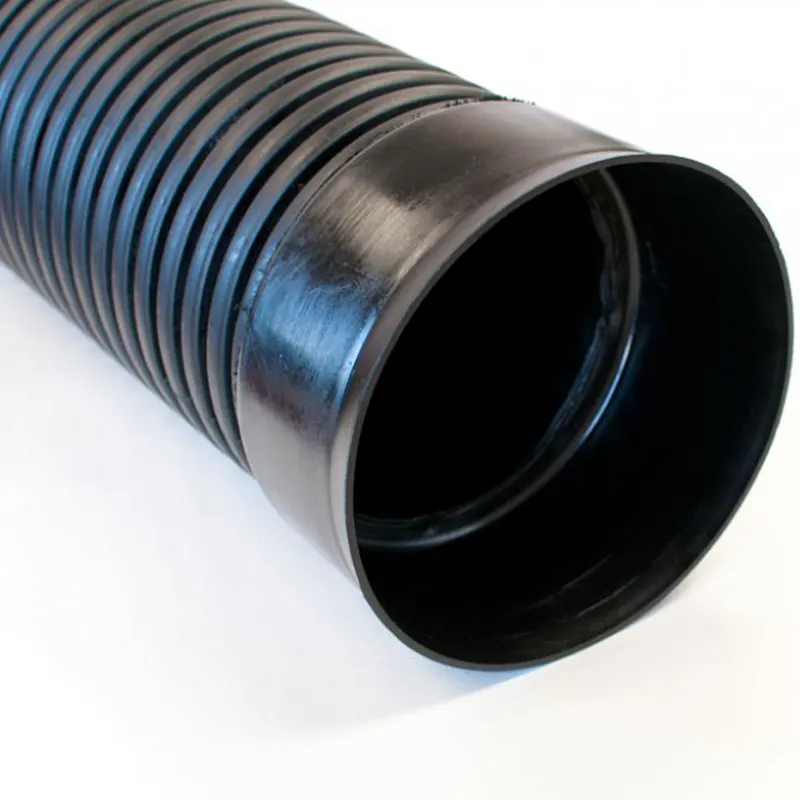
Discover key advantages of HDPE double wall corrugated pipes including durability, corrosion resistance, and high flexibility for modern infrastructure solutions. Explore their cost-effectiveness and sustainability benefits over traditional materials.

View More
The Advantages of HDPE Silicon Core Pipes for Fiber Optic Cable Installation

24

Jun

The Advantages of HDPE Silicon Core Pipes for Fiber Optic Cable Installation

Explore the structural advantages of HDPE silicon core pipes, featuring dual-layer protection, chemical resistance, UV stability, and cost-effectiveness. Ideal for telecommunication networks, data centers, and urban infrastructure, learn how these pipes offer sustainable and reliable solutions.
View More

Get a Free Quote

Our representative will contact you soon.
Email
Mobile
Name
Message
0/1000

polyethylene piping

Unmatched Durability and Longevity Performance

Unmatched Durability and Longevity Performance

Polyethylene piping sets the industry standard for exceptional durability through its unique molecular structure that provides outstanding resistance to environmental stresses, chemical exposure, and physical damage. The high-density polyethylene material exhibits remarkable tensile strength, impact resistance, and fatigue performance that significantly outperforms traditional piping materials in demanding applications. This superior durability translates directly into extended service life expectations exceeding 100 years under normal operating conditions, providing property owners and infrastructure managers with confidence in their long-term investment decisions. The stress crack resistance of polyethylene piping prevents the formation and propagation of micro-cracks that commonly plague other materials, ensuring structural integrity throughout decades of continuous service. Advanced polymer chemistry incorporated in modern polyethylene piping formulations includes stabilizers and additives that protect against oxidative degradation, UV exposure, and thermal cycling effects. The material's inherent flexibility allows polyethylene piping to absorb ground movement, seismic activity, and thermal expansion without developing stress concentrations that lead to failure in rigid systems. Laboratory testing and field performance data consistently demonstrate the superior longevity of polyethylene piping compared to metal, concrete, or other plastic alternatives. The abrasion resistance of polyethylene piping makes it particularly suitable for applications involving suspended solids, high-velocity flows, or abrasive media that would quickly degrade alternative materials. Chemical compatibility testing confirms that polyethylene piping maintains its structural properties when exposed to acids, bases, salts, and organic compounds commonly encountered in industrial and municipal applications. The freeze-thaw resistance of polyethylene piping prevents burst failures during extreme temperature conditions, eliminating costly emergency repairs and service interruptions that affect other piping systems.
Superior Installation Flexibility and Efficiency

Superior Installation Flexibility and Efficiency

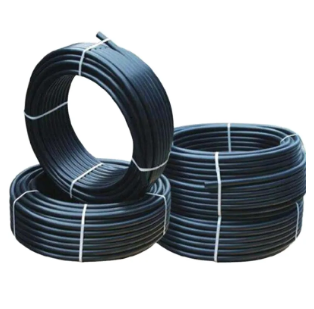
Polyethylene piping revolutionizes installation processes through its exceptional flexibility, lightweight construction, and compatibility with advanced installation techniques that dramatically reduce project timelines and costs. The inherent flexibility of polyethylene piping allows for continuous runs through curved alignments, eliminating numerous fittings and joints that create potential leak points and increase installation complexity. This flexibility enables contractors to navigate around existing utilities, natural obstacles, and property improvements without extensive excavation or rerouting requirements. The lightweight nature of polyethylene piping reduces transportation costs, simplifies material handling, and allows smaller installation crews to complete projects efficiently without heavy machinery requirements. Advanced fusion welding techniques create permanent, leak-proof connections that are stronger than the pipe material itself, establishing a monolithic system with superior reliability compared to mechanical joint systems. Polyethylene piping supports innovative trenchless installation methods including horizontal directional drilling, pipe bursting, and slip-lining applications that minimize surface disruption and environmental impact. The coilable nature of smaller diameter polyethylene piping allows for continuous installation over long distances without joints, reducing installation time and eliminating potential failure points in the completed system. Temperature-independent installation capabilities mean that polyethylene piping can be installed in extreme weather conditions when other materials would be unsuitable, providing contractors with greater scheduling flexibility. The compatibility of polyethylene piping with various installation methods including open-cut, trenchless, and above-ground mounting provides engineers and contractors with design flexibility to optimize installation approaches for specific site conditions. Pre-fabrication capabilities allow complex polyethylene piping assemblies to be manufactured off-site in controlled conditions, reducing field installation time and improving quality control. The forgiving nature of polyethylene piping installation reduces the skill level requirements for field personnel while maintaining high-quality results, addressing labor availability challenges in the construction industry.
Outstanding Chemical Resistance and Safety Features

Outstanding Chemical Resistance and Safety Features

Polyethylene piping delivers unparalleled chemical resistance that ensures safe, reliable fluid transport across diverse applications while maintaining water quality and protecting public health through its inert material properties. The molecular structure of polyethylene provides exceptional resistance to acids, bases, alcohols, and most organic compounds, making it suitable for industrial process applications where chemical compatibility is critical for system integrity. Unlike metallic piping systems, polyethylene piping eliminates concerns about galvanic corrosion, electrolysis, and metal ion contamination that can affect fluid quality and create health hazards in potable water systems. The non-toxic nature of polyethylene piping ensures that transported fluids maintain their purity without leaching harmful substances, making it the preferred choice for drinking water distribution, food processing, and pharmaceutical applications. Polyethylene piping resists bacterial growth and biofilm formation due to its smooth, non-porous surface characteristics, reducing the need for chemical treatments and maintaining superior hygiene standards in sensitive applications. The material's immunity to scale formation and mineral deposits maintains consistent flow capacity throughout the system's operational life, eliminating the performance degradation common in metal piping systems. Chemical testing protocols demonstrate that polyethylene piping maintains its structural integrity when exposed to chlorinated water, hydrogen sulfide, and other aggressive compounds commonly found in municipal and industrial applications. The safety advantages of polyethylene piping extend to fire resistance properties, with the material exhibiting self-extinguishing characteristics and producing minimal toxic gases during combustion compared to other plastic materials. Polyethylene piping systems eliminate the risk of catastrophic failure modes associated with brittle materials, instead exhibiting predictable failure patterns that provide warning signs before system compromise occurs. The electrical non-conductivity of polyethylene piping eliminates stray current corrosion issues and provides inherent safety in electrical environments, making it ideal for installations near power systems or in industrial facilities. Environmental safety benefits include the complete recyclability of polyethylene materials and the absence of heavy metals or toxic compounds that could pose disposal challenges at the end of the system's service life.
Inquiry Premium Polyethylene Piping Solutions: Durable, Flexible & Chemical-Resistant Infrastructure Systems Inquiry Premium Polyethylene Piping Solutions: Durable, Flexible & Chemical-Resistant Infrastructure Systems Premium Polyethylene Piping Solutions: Durable, Flexible & Chemical-Resistant Infrastructure Systems Premium Polyethylene Piping Solutions: Durable, Flexible & Chemical-Resistant Infrastructure Systems
Write down your question

We are not only a product manufacturer, but also a solution provider. Whether you have questions or quotation requests, we will help you.

Get a Quote

Contact Us

Your email address will not be published. Required fields are marked *
Email
Name
Mobile
Message
0/1000