Superior Chemical Compatibility and Safety
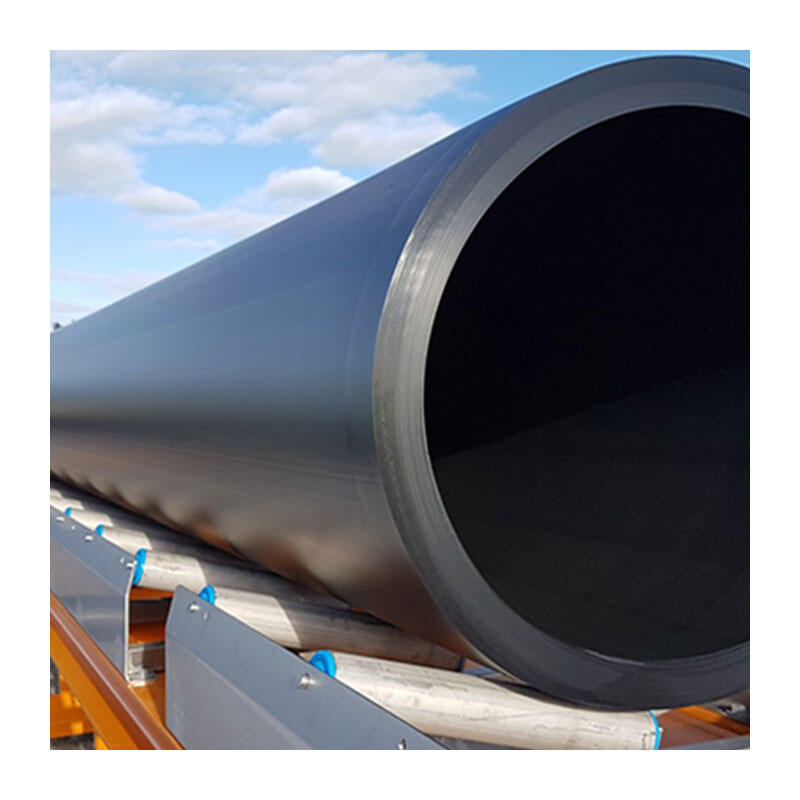
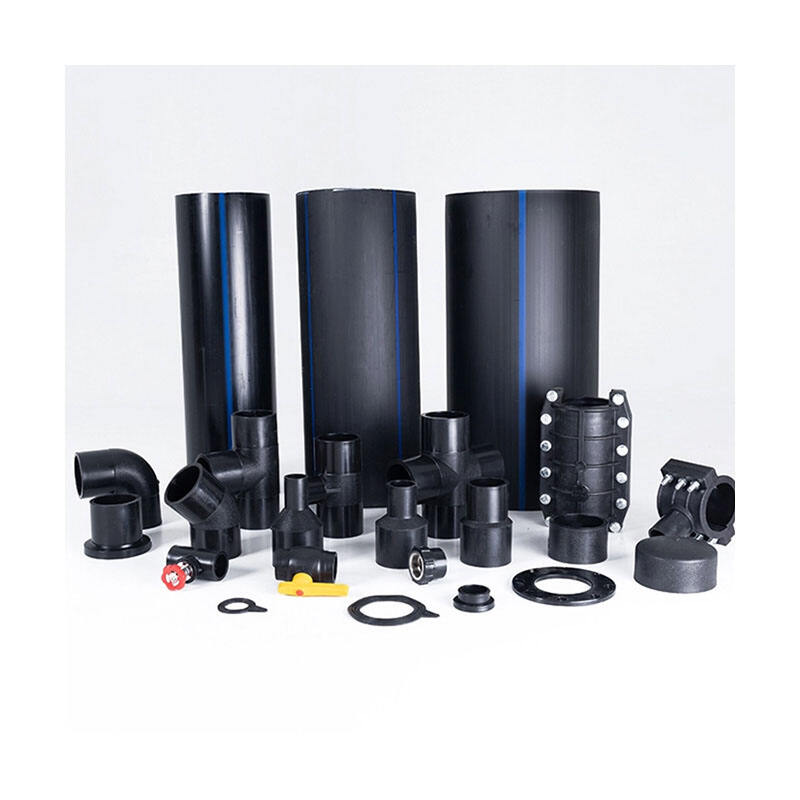
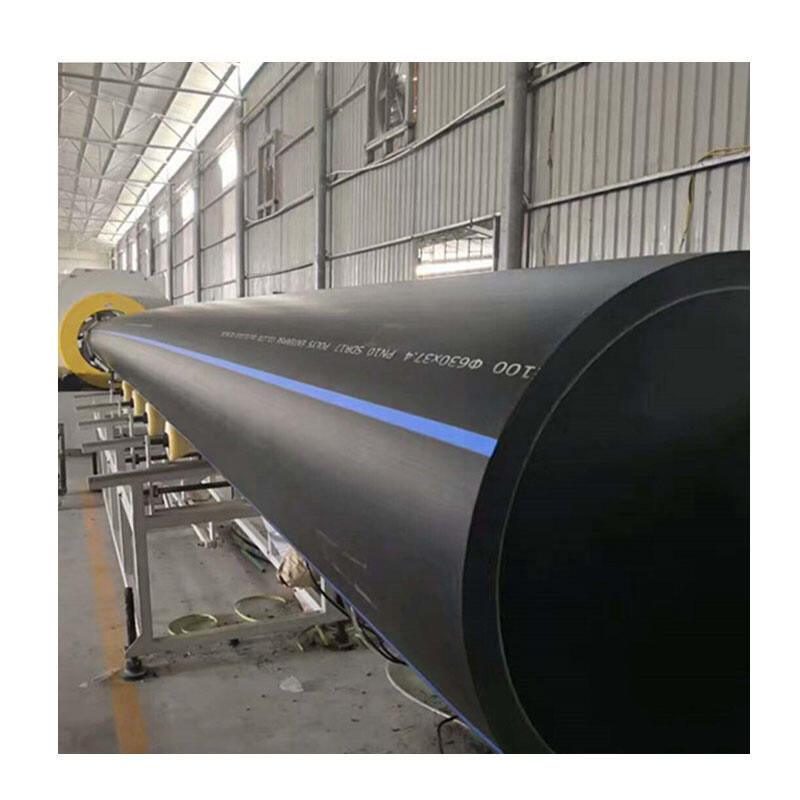
Polyurethane pipe exhibits remarkable chemical compatibility that makes it safe and reliable for transporting a wide range of fluids while maintaining product purity and system integrity. The chemical resistance properties of polyurethane pipe result from its polymer structure that remains stable when exposed to petroleum products, hydraulic fluids, mild acids, bases, and various industrial chemicals that would corrode or degrade other piping materials. This chemical stability ensures that polyurethane pipe does not leach harmful substances into transported fluids, making it particularly valuable for applications involving potable water, food products, and pharmaceutical materials where contamination could have serious health consequences. Food-grade formulations of polyurethane pipe meet strict FDA regulations and maintain their safety certifications throughout their service life, providing peace of mind for processors and consumers alike. The non-reactive nature of polyurethane pipe prevents catalytic reactions that could alter the composition or properties of transported chemicals, ensuring product quality and process consistency in manufacturing applications. Chemical compatibility testing demonstrates that polyurethane pipe maintains its mechanical properties and does not swell, soften, or become brittle when exposed to common industrial fluids, preserving system reliability and preventing unexpected failures. The pipe's resistance to fuel and oil makes it ideal for automotive and aviation applications where contact with petroleum products is constant and any material degradation could lead to safety hazards or environmental contamination. Cleaning and sterilization procedures are simplified with polyurethane pipe because its smooth, non-porous surface does not harbor bacteria or chemical residues that could compromise subsequent batches or create cross-contamination issues. The chemical inertness of polyurethane pipe eliminates concerns about galvanic corrosion or electrochemical reactions that can occur when dissimilar metals are present in piping systems. Laboratory testing confirms that polyurethane pipe does not contribute metallic ions or organic compounds to transported fluids, maintaining the purity required for analytical and research applications. Environmental safety is enhanced because polyurethane pipe does not require chemical treatments, protective coatings, or corrosion inhibitors that could pose disposal or handling hazards for maintenance personnel.