PE Gas Pipe Solutions: Advanced Polyethylene Pipeline Technology for Safe Natural Gas Distribution

Get a Free Quote

Our representative will contact you soon.
Email
Mobile
Name
Message
0/1000

pe gas pipe

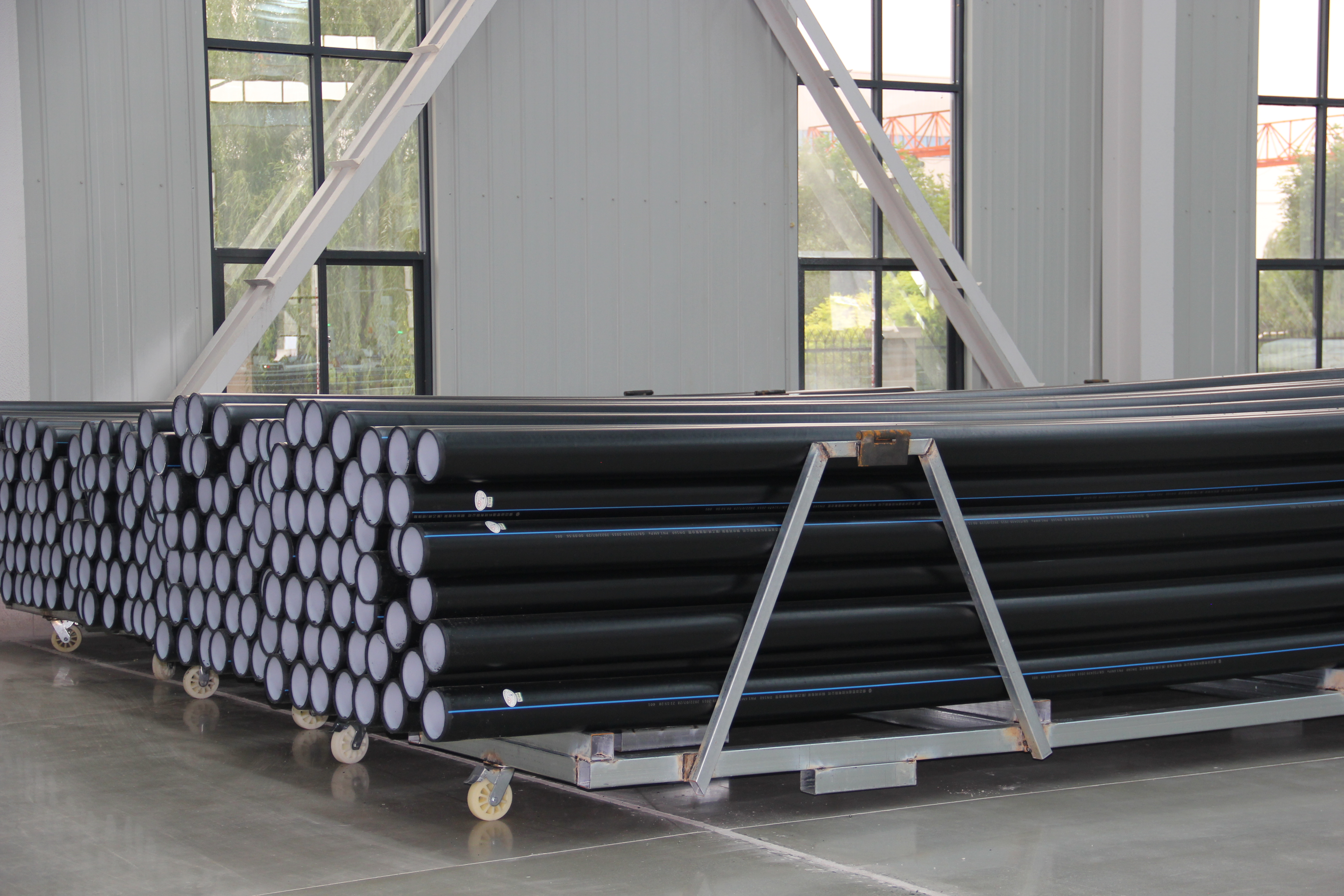
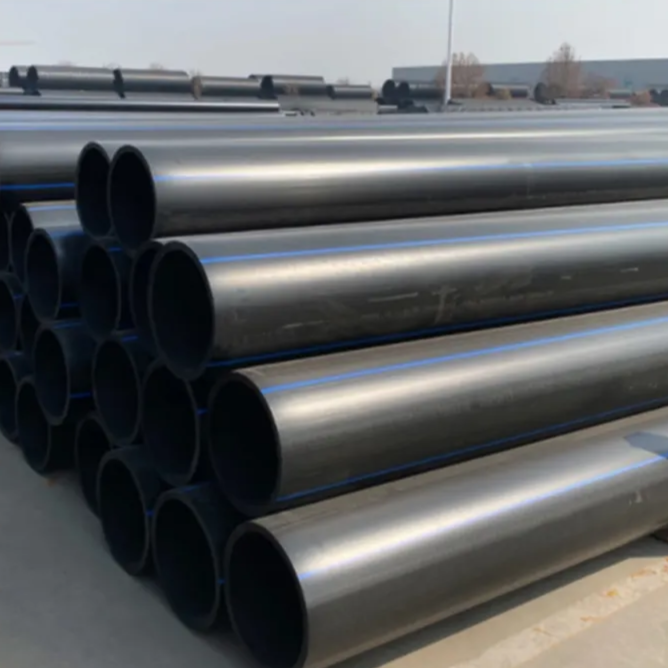
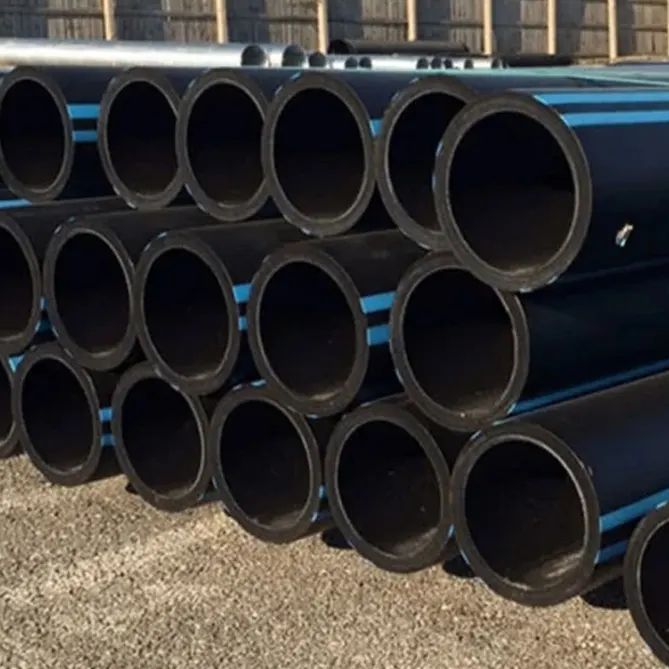
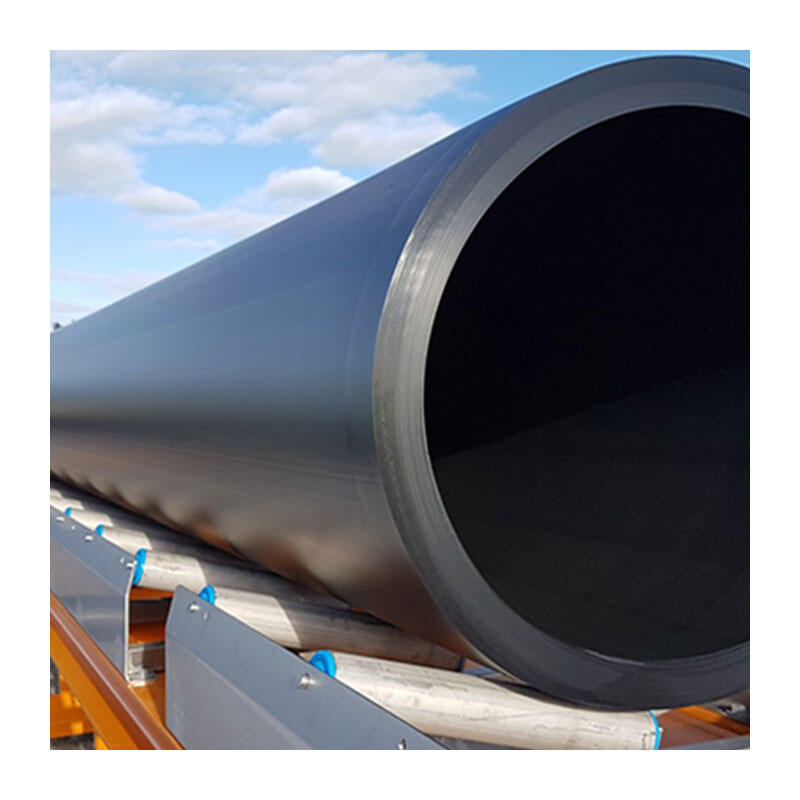
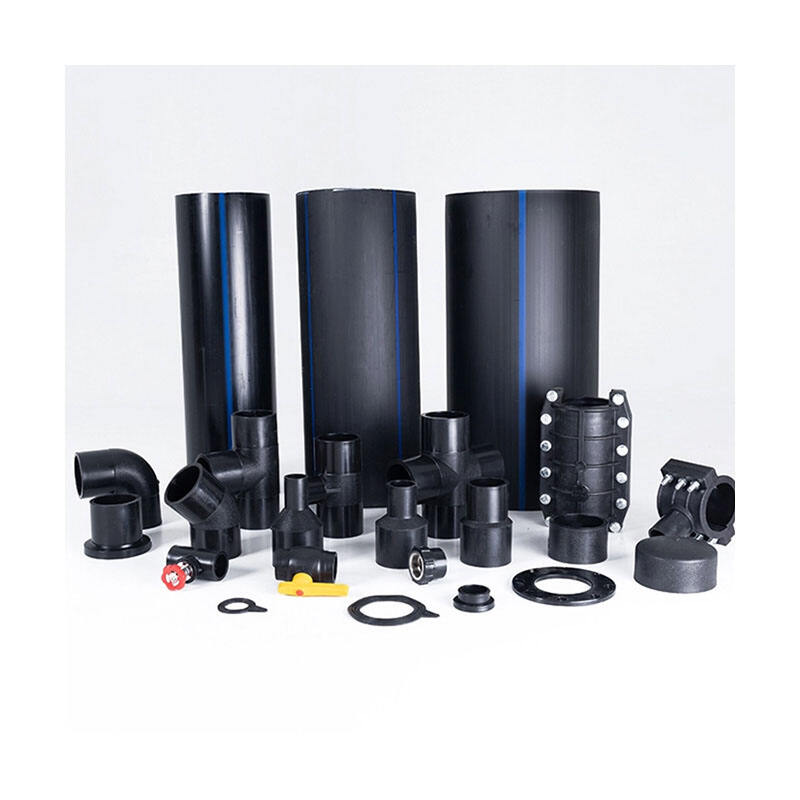
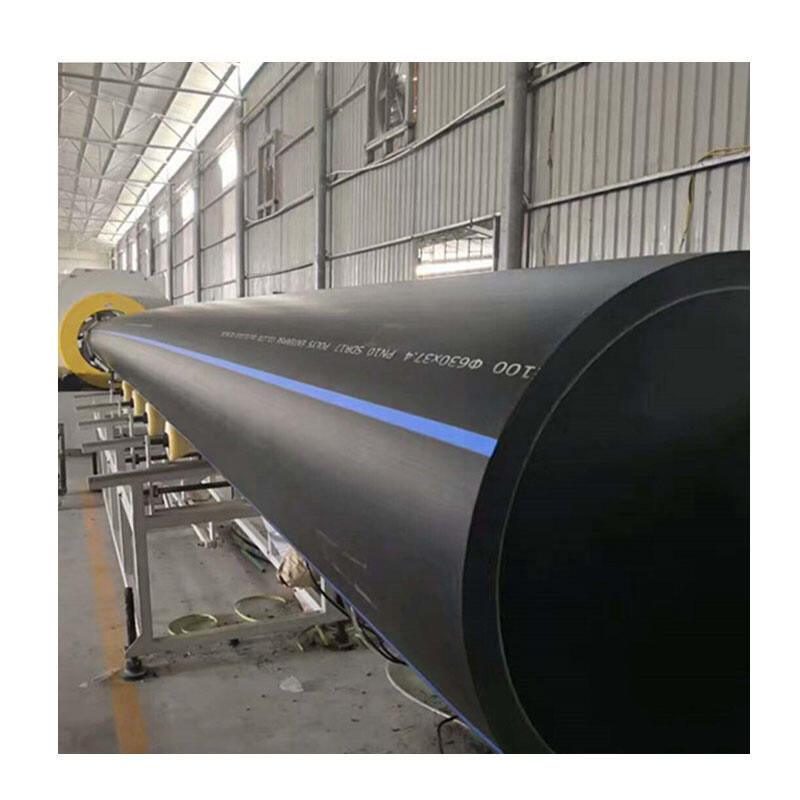
PE gas pipe represents a revolutionary advancement in natural gas distribution infrastructure, combining cutting-edge polyethylene technology with superior performance characteristics. These specialized pipelines utilize high-density polyethylene (HDPE) materials engineered specifically for safe and efficient gas transportation across residential, commercial, and industrial applications. The pe gas pipe system has transformed modern gas distribution networks through its exceptional durability, flexibility, and resistance to environmental factors. Unlike traditional metal piping solutions, pe gas pipe offers remarkable corrosion resistance, ensuring long-term reliability in diverse soil conditions and climatic environments. The manufacturing process involves advanced extrusion techniques that create seamless, uniform pipe walls with consistent thickness throughout the entire length. This precision engineering ensures optimal gas flow characteristics while maintaining structural integrity under varying pressure conditions. The pe gas pipe technology incorporates sophisticated polymer formulations that provide excellent chemical resistance, protecting against soil chemicals, acids, and other corrosive substances commonly found in underground installations. Installation procedures for pe gas pipe systems are streamlined and efficient, utilizing specialized fusion welding techniques that create permanent, leak-proof joints stronger than the pipe material itself. These welded connections eliminate potential failure points associated with mechanical fittings, significantly reducing maintenance requirements and operational costs. The lightweight nature of pe gas pipe facilitates easier handling and installation compared to traditional steel alternatives, reducing labor costs and installation timeframes. Modern pe gas pipe systems incorporate advanced marking and identification features, including colored stripes and embedded tracer wires that enable precise location detection using standard utility locating equipment. The material composition provides excellent impact resistance and flexibility, allowing the pe gas pipe to withstand ground movement, settling, and seismic activity without compromising structural integrity or safety performance.


Popular Products

The pe gas pipe delivers exceptional value through numerous practical benefits that directly impact operational efficiency and long-term cost savings. First, the corrosion-resistant properties eliminate costly replacement cycles associated with traditional metal piping systems. The pe gas pipe maintains structural integrity for decades without degradation from soil chemistry, moisture, or environmental factors. This durability translates to reduced maintenance expenses and fewer service interruptions for customers. Installation advantages make pe gas pipe an attractive choice for contractors and utilities. The lightweight design reduces transportation costs and simplifies handling during installation procedures. Workers can maneuver pe gas pipe sections more easily, improving productivity and reducing labor requirements. The flexible nature allows for curved installations without requiring additional fittings, reducing connection points and potential leak sources. Fusion welding technology creates seamless joints that exceed the strength of the pipe material itself. These permanent connections eliminate threaded joints and mechanical fittings that can loosen over time. The welding process creates a homogeneous bond that maintains consistent performance throughout the system lifecycle. Safety benefits of pe gas pipe include excellent resistance to stress cracking and fatigue failure. The material properties provide superior toughness compared to rigid alternatives, absorbing ground movement and thermal expansion without structural damage. The bright yellow color coding ensures easy identification during excavation activities, reducing accidental damage incidents. Economic advantages extend beyond initial installation costs. The pe gas pipe requires minimal ongoing maintenance due to its corrosion resistance and joint integrity. Utility companies experience reduced leak rates and lower repair costs compared to aging steel infrastructure. The smooth interior surface maintains optimal flow characteristics without buildup or scaling issues. Environmental benefits include the recyclable nature of polyethylene materials and reduced carbon footprint during manufacturing and installation. The pe gas pipe system contributes to improved air quality by minimizing gas leaks and reducing methane emissions. Long service life reduces replacement frequency, further minimizing environmental impact. Regulatory compliance becomes easier with pe gas pipe systems that meet or exceed current safety standards. The material properties and installation methods align with modern gas distribution codes and regulations. Utility companies can confidently deploy pe gas pipe infrastructure knowing it meets stringent performance requirements.

Practical Tips

Advanced Features and Maintenance Strategies for PE Steel Wire Mesh Skeleton Pipes

14

Sep

Advanced Features and Maintenance Strategies for PE Steel Wire Mesh Skeleton Pipes

View More
HDPE Pipe: Key Material for Modern Pipe Systems

18

Sep

HDPE Pipe: Key Material for Modern Pipe Systems

View More
Understanding the Benefits of Dredging Pipelines in Marine Construction

30

Jun

Understanding the Benefits of Dredging Pipelines in Marine Construction

Explore the profound impact of dredging pipelines in modern marine construction. Discover how they enhance efficiency, enable large-scale infrastructure, and support global trade. Learn about key materials like HDPE, PVC, and Polyethylene, and understand future trends in dredging technology.
View More
How to Choose the Right Dredging Pipeline for Your Project

30

Jun

How to Choose the Right Dredging Pipeline for Your Project

Explore the key requirements for dredging pipelines, including sediment type, project scope, and environmental regulations, to ensure optimal performance and compliance with industry standards. Learn about HDPE pipe advantages and considerations for efficient sediment transport.
View More

Get a Free Quote

Our representative will contact you soon.
Email
Mobile
Name
Message
0/1000

pe gas pipe

Advanced Polyethylene Technology Ensures Maximum Durability

Advanced Polyethylene Technology Ensures Maximum Durability

The pe gas pipe incorporates state-of-the-art polyethylene compound formulations specifically engineered for natural gas distribution applications. This advanced material technology provides exceptional resistance to environmental stress cracking, chemical degradation, and impact damage that commonly affects traditional piping materials. The molecular structure of the polyethylene used in pe gas pipe manufacturing creates a dense, uniform material that maintains its integrity even under extreme temperature variations and soil conditions. The engineering process behind pe gas pipe production involves precise control of material density, molecular weight distribution, and additive incorporation to optimize performance characteristics. Anti-oxidants and stabilizers are carefully integrated during manufacturing to prevent degradation from UV exposure, ozone, and other environmental factors. The result is a pe gas pipe system that delivers consistent performance throughout its extended service life, typically exceeding 50 years under normal operating conditions. Quality control measures during pe gas pipe production include rigorous testing protocols that verify material properties, dimensional accuracy, and performance characteristics. Each batch undergoes comprehensive evaluation including pressure testing, environmental stress crack resistance testing, and long-term hydrostatic strength verification. These stringent quality standards ensure that every pe gas pipe meets or exceeds industry specifications for safety and reliability. The advanced polyethylene technology also provides excellent flexibility that allows the pe gas pipe to accommodate ground movement, thermal expansion, and seismic activity without failure. This flexibility eliminates the need for expansion joints and reduces stress concentrations that can lead to premature failure in rigid piping systems. The material's ability to deform elastically under stress and return to its original shape prevents crack initiation and propagation. Chemical resistance properties of the pe gas pipe protect against corrosion from soil acids, alkalis, and other aggressive substances commonly encountered in underground installations. Unlike metallic alternatives, the pe gas pipe will not corrode, rust, or deteriorate when exposed to moisture or chemical contaminants. This chemical inertness ensures consistent performance and eliminates the need for protective coatings or cathodic protection systems.
Seamless Fusion Welding Creates Leak-Proof Joint Integrity

Seamless Fusion Welding Creates Leak-Proof Joint Integrity

The pe gas pipe system utilizes advanced fusion welding technology that creates permanent, leak-proof connections stronger than the pipe material itself. This revolutionary joining method eliminates mechanical fittings and threaded connections that can loosen over time or develop leaks due to thermal cycling and ground movement. The fusion welding process involves heating the pipe ends to precise temperatures and joining them under controlled pressure to create a homogeneous bond that becomes an integral part of the pe gas pipe system. Electrofusion and butt fusion techniques provide versatile connection options for different installation scenarios. Electrofusion fittings contain embedded heating elements that precisely control the welding temperature and time, ensuring consistent joint quality regardless of environmental conditions. Butt fusion joins straight pipe sections by simultaneously heating both ends and pressing them together under specific parameters. Both methods create joints that exceed the tensile strength of the pe gas pipe material. Quality control during fusion welding involves sophisticated monitoring systems that track temperature, pressure, and timing parameters throughout the joining process. Digital data logging systems record welding parameters for each joint, providing permanent documentation of installation quality. This traceability ensures that every connection meets stringent performance standards and provides valuable information for system maintenance and inspection programs. The seamless nature of fusion welded joints eliminates the crevices and discontinuities found in threaded or mechanical connections where debris can accumulate and corrosion can initiate. The smooth internal profile maintains optimal flow characteristics and prevents pressure drops associated with mechanical fittings. This hydraulic efficiency translates to improved system performance and reduced operating costs for pe gas pipe networks. Training and certification programs ensure that only qualified technicians perform fusion welding operations on pe gas pipe systems. Comprehensive training covers equipment operation, parameter selection, quality inspection, and troubleshooting procedures. Certified welders must demonstrate proficiency through practical testing and ongoing education to maintain their qualifications. The reliability of fusion welded joints has been proven through decades of field experience and extensive laboratory testing. Statistical analysis of failure rates shows that properly fusion welded pe gas pipe joints have leak rates orders of magnitude lower than mechanical connections. This exceptional reliability reduces maintenance costs and service interruptions while improving overall system safety and customer satisfaction.
Comprehensive Installation Flexibility Reduces Project Costs

Comprehensive Installation Flexibility Reduces Project Costs

The pe gas pipe system offers unparalleled installation flexibility that significantly reduces project costs while improving construction efficiency and timeline performance. The lightweight characteristics of pe gas pipe, typically 85% lighter than equivalent steel piping, dramatically reduce transportation costs and simplify handling procedures during installation. Construction crews can handle longer sections manually, reducing the need for heavy lifting equipment and improving productivity in confined spaces or challenging terrain. The inherent flexibility of pe gas pipe allows for curved installations that follow natural ground contours without requiring additional fittings or directional changes. This adaptability eliminates costly excavation modifications and reduces the number of joints in the system. The ability to navigate around existing utilities and obstacles minimizes conflicts during construction and reduces project delays. Installation techniques for pe gas pipe include traditional open-cut methods as well as advanced trenchless technologies such as horizontal directional drilling and pipe bursting. The flexibility and durability of pe gas pipe make it ideal for trenchless installations that minimize surface disruption and restore time. These installation methods are particularly valuable in urban environments where traffic disruption and surface restoration costs can significantly impact project budgets. Coil availability of smaller diameter pe gas pipe enables continuous installation over long distances without joints, further reducing installation time and potential leak points. Large coil lengths, often exceeding 1000 feet, can be installed in single pulls through directional drilling operations. This continuity improves system reliability while reducing fusion welding requirements and associated quality control procedures. Storage and handling advantages of pe gas pipe include resistance to damage during transport and storage. The material will not crack, chip, or corrode when properly handled, reducing replacement costs due to damage. The smooth exterior surface resists scratching and gouging that can create stress concentration points in other materials. Weather resistance allows pe gas pipe to be stored outdoors without degradation, providing flexibility in project scheduling and material management. Installation equipment for pe gas pipe is typically less expensive and more portable than equipment required for steel pipe installation. Fusion welding equipment is compact and can operate from standard electrical sources, eliminating the need for large generators or specialized power supplies. The reduced equipment requirements lower mobilization costs and improve access to remote installation sites. Training requirements for pe gas pipe installation are streamlined compared to traditional methods, with technicians able to achieve proficiency more quickly. This accelerated learning curve reduces labor costs and improves the availability of qualified installation personnel.
Inquiry PE Gas Pipe Solutions: Advanced Polyethylene Pipeline Technology for Safe Natural Gas Distribution Inquiry PE Gas Pipe Solutions: Advanced Polyethylene Pipeline Technology for Safe Natural Gas Distribution PE Gas Pipe Solutions: Advanced Polyethylene Pipeline Technology for Safe Natural Gas Distribution PE Gas Pipe Solutions: Advanced Polyethylene Pipeline Technology for Safe Natural Gas Distribution
Write down your question

We are not only a product manufacturer, but also a solution provider. Whether you have questions or quotation requests, we will help you.

Get a Quote

Contact Us

Your email address will not be published. Required fields are marked *
Email
Name
Mobile
Message
0/1000