pe pipes for construction
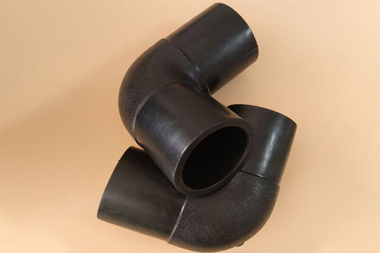
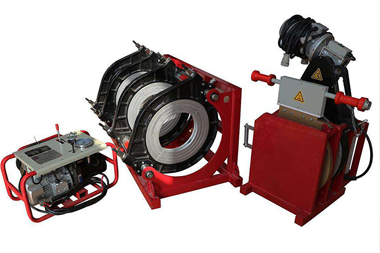
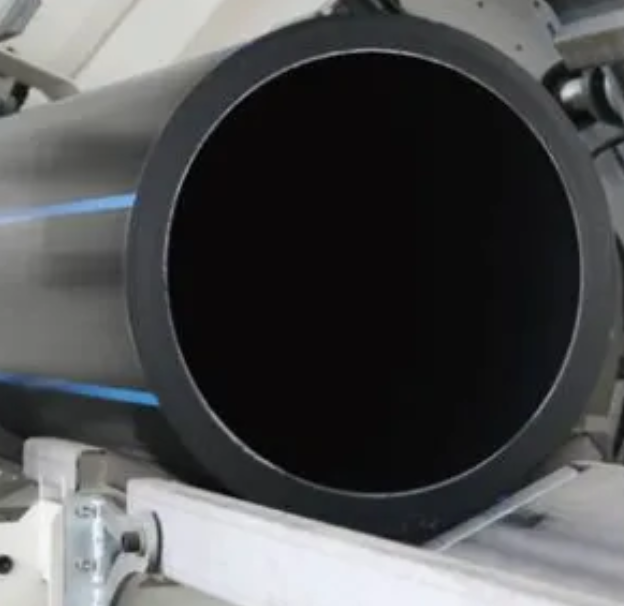
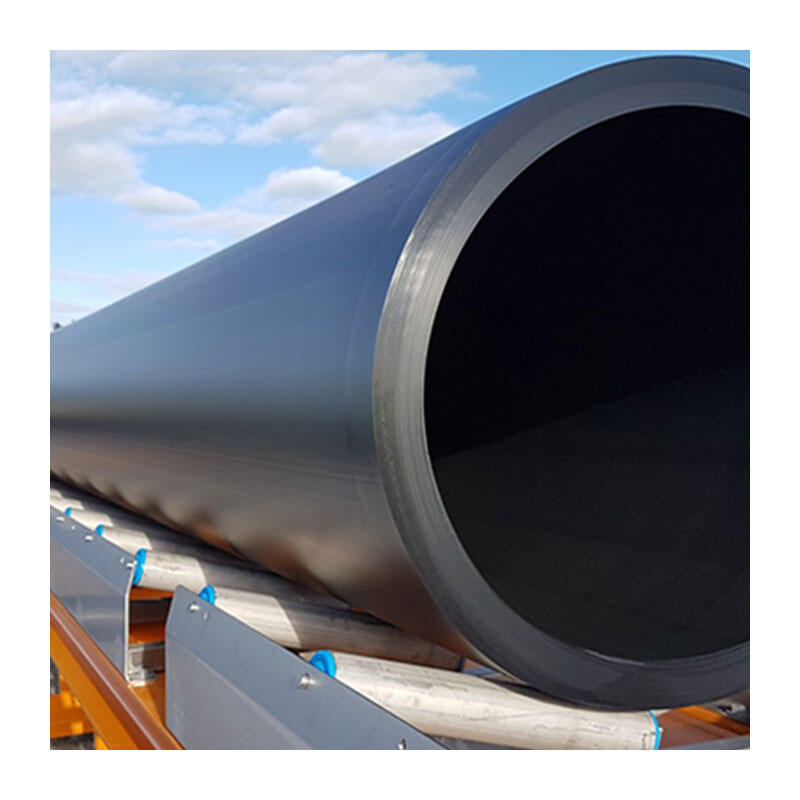
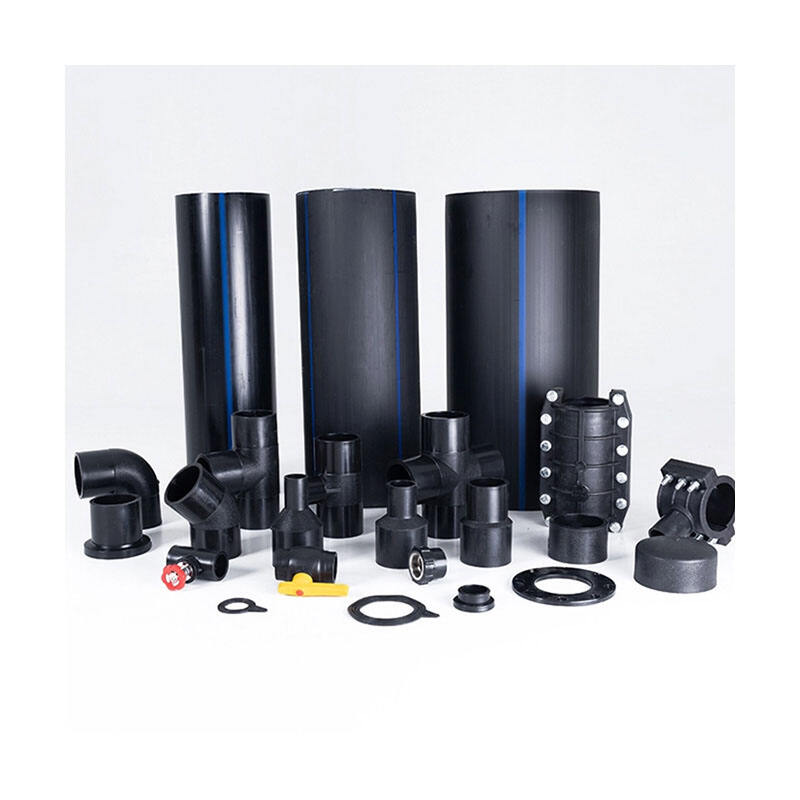
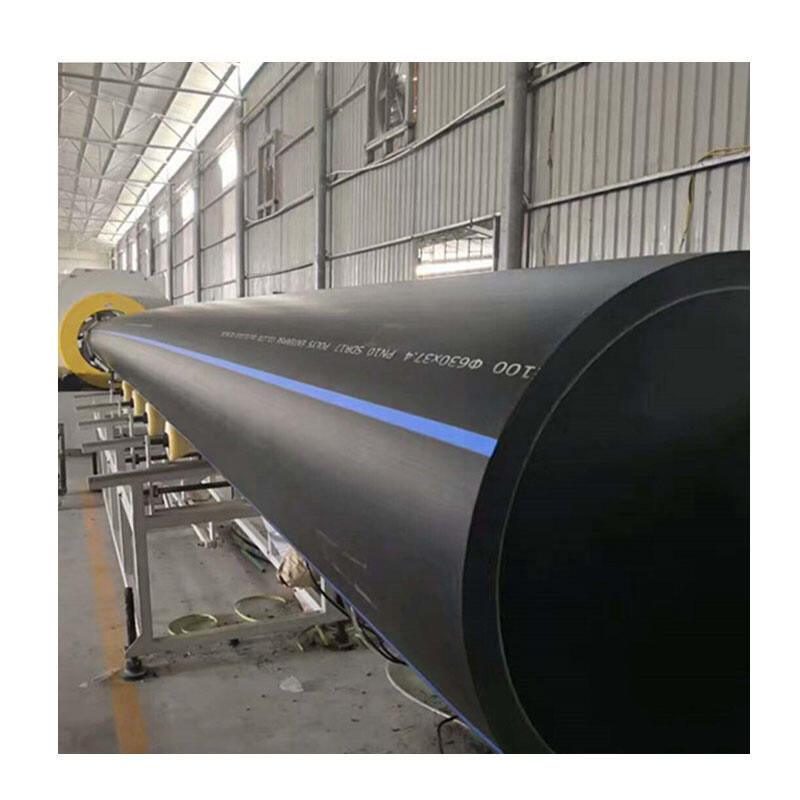
PE pipes for construction represent a revolutionary advancement in modern building infrastructure, offering exceptional performance and reliability for diverse construction projects. These polyethylene pipes have transformed the construction industry through their innovative design and superior material properties. PE pipes for construction deliver outstanding durability, making them ideal for water supply systems, sewage networks, gas distribution, and industrial applications. The technological foundation of these pipes lies in high-density polyethylene manufacturing, which creates a seamless, corrosion-resistant product that withstands extreme environmental conditions. Construction professionals choose PE pipes for construction because they provide excellent chemical resistance, ensuring long-term performance in aggressive soil conditions and varying pH environments. The manufacturing process involves advanced extrusion techniques that create uniform wall thickness and consistent quality throughout the entire pipe length. These pipes feature smooth interior surfaces that minimize friction losses, improving flow efficiency and reducing energy consumption in pumping systems. PE pipes for construction offer remarkable flexibility, allowing for easy installation around obstacles and through challenging terrain without compromising structural integrity. The joining methods for these pipes include electrofusion and butt fusion welding, creating leak-proof connections that maintain system reliability for decades. Temperature resistance capabilities enable PE pipes for construction to perform effectively in both hot and cold climates, expanding their applicability across different geographical regions. The lightweight nature of these pipes significantly reduces transportation costs and simplifies handling during installation, making them cost-effective solutions for construction projects. Environmental sustainability represents another crucial aspect, as PE pipes for construction are fully recyclable and contribute to green building initiatives. Quality control measures ensure consistent performance standards, with rigorous testing protocols verifying pressure ratings, impact resistance, and dimensional accuracy before market distribution.