Unmatched Joint Integrity and Longevity
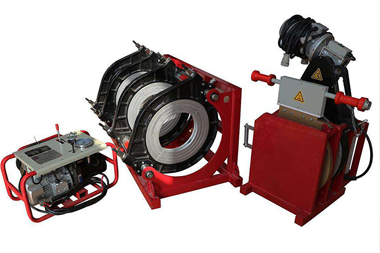
The fundamental strength of pe pipe welding lies in its ability to create monolithic joints that become integral parts of the pipeline system, essentially eliminating the concept of separate connection points. Through precisely controlled heat fusion, the welding process melts the molecular structure of polyethylene at the joint interface, allowing polymer chains to intermingle and reform as a single, continuous material. This molecular-level bonding creates joints that often test stronger than the parent pipe material, with tensile strengths frequently exceeding the original pipe specifications by significant margins. Laboratory testing consistently demonstrates that properly executed pe pipe welding produces joints capable of withstanding pressures well beyond normal operating parameters, providing substantial safety factors that ensure reliable long-term performance. The absence of mechanical fasteners, gaskets, or adhesives eliminates common failure modes associated with traditional joining methods, as there are no dissimilar materials to degrade, no sealing surfaces to deteriorate, and no components to work loose over time. Field experience spanning multiple decades confirms that welded polyethylene joints maintain their integrity throughout the expected service life of the pipeline system, often exceeding fifty years of continuous operation without requiring maintenance or replacement. This exceptional longevity translates directly into reduced lifecycle costs, as system owners avoid the recurring expenses associated with joint maintenance, replacement parts, and service interruptions. The homogeneous nature of welded joints ensures uniform expansion and contraction characteristics that match the pipe material exactly, preventing stress concentrations that could lead to premature failure. Environmental factors that commonly affect other joining methods, including soil chemistry, groundwater conditions, and temperature cycling, have minimal impact on properly welded polyethylene joints, further contributing to their remarkable longevity and reliability in diverse installation conditions.