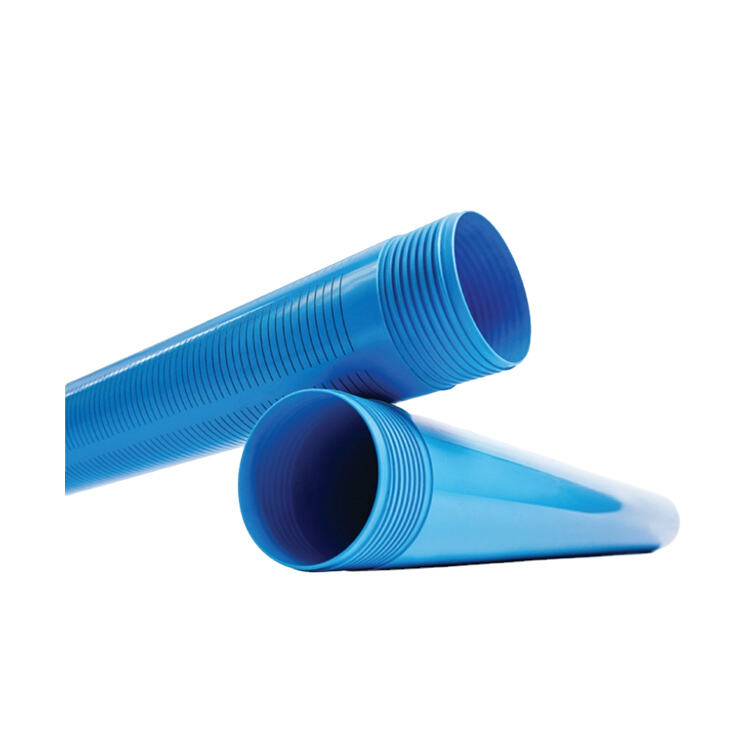
poly pipe fittings
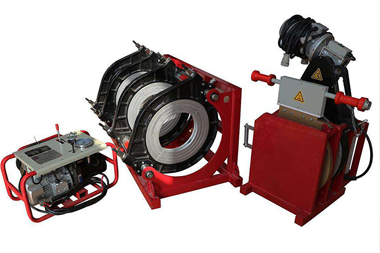
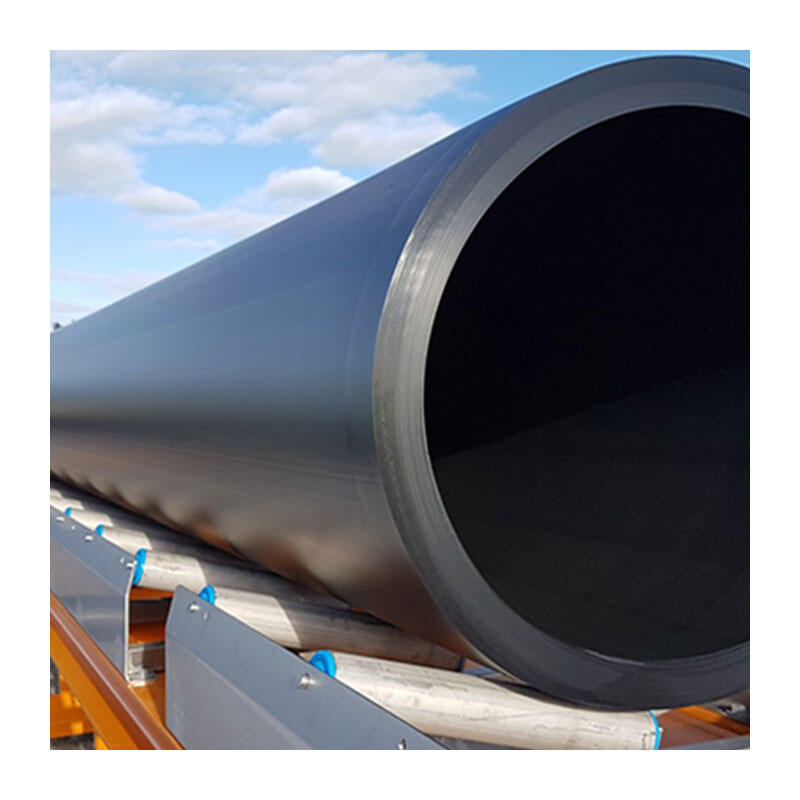
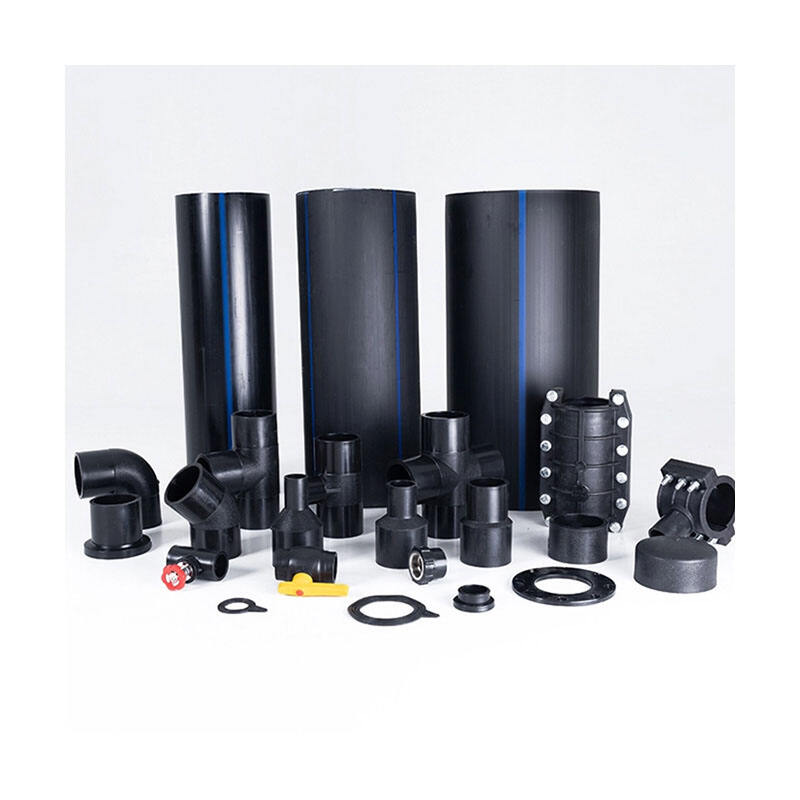
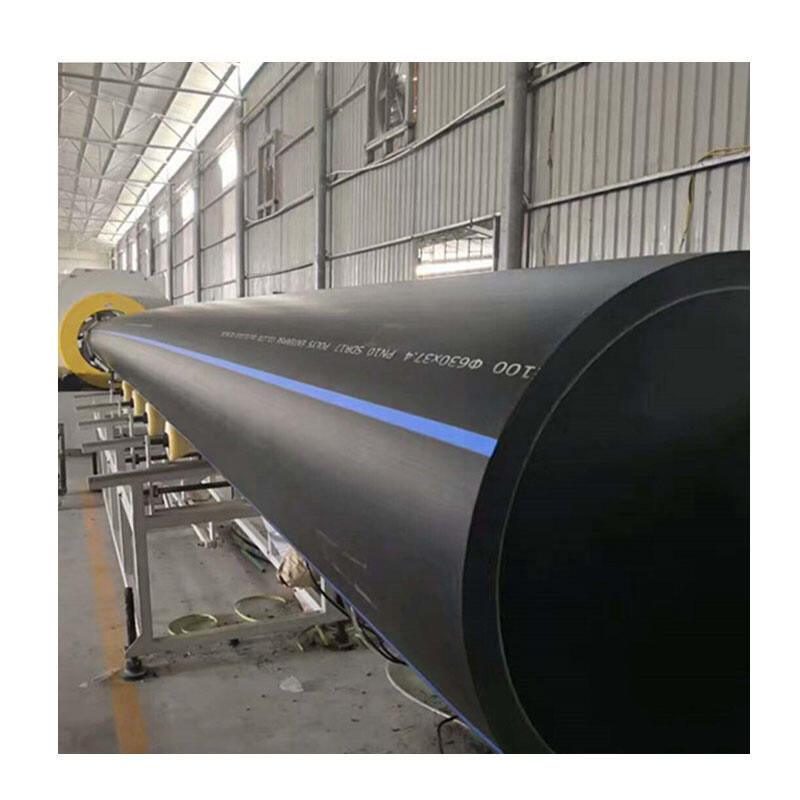
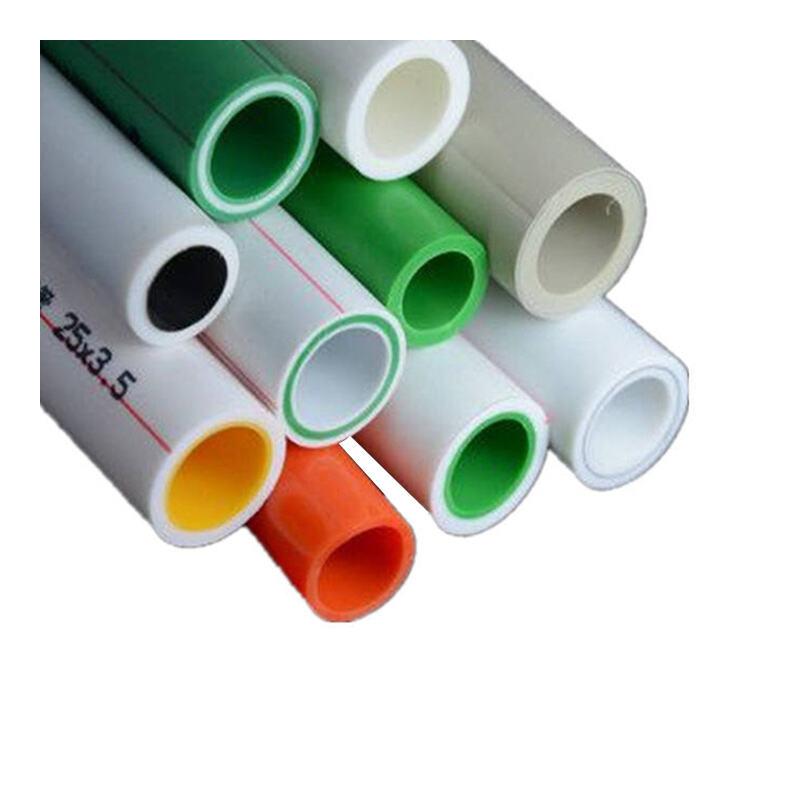
Poly pipe fittings represent essential components in modern plumbing and water distribution systems, serving as reliable connectors that join polyethylene pipes together. These specialized fittings are engineered to create secure, leak-proof connections in various piping applications, from residential water supply systems to large-scale irrigation projects. The primary function of poly pipe fittings centers on establishing durable joints between pipe sections, enabling complex routing configurations while maintaining optimal water flow rates. These components utilize compression mechanisms, threaded connections, or fusion welding techniques to achieve permanent bonds with polyethylene pipes. The technological features of poly pipe fittings include corrosion-resistant materials, typically manufactured from high-grade polypropylene or brass alloys that withstand environmental stresses. Advanced sealing technologies incorporate rubber gaskets or O-rings that prevent water leakage under varying pressure conditions. Many poly pipe fittings feature ergonomic designs with hand-tightenable nuts, eliminating the need for specialized tools during installation procedures. Temperature resistance capabilities allow these fittings to perform reliably across wide thermal ranges, from freezing conditions to elevated temperatures encountered in solar heating applications. The applications for poly pipe fittings span diverse industries and residential sectors. Agricultural irrigation systems rely heavily on these components for connecting drip lines, sprinkler networks, and main distribution pipes. Municipal water systems incorporate poly pipe fittings in service line connections, meter installations, and pipeline extensions. Residential applications include garden irrigation, pool plumbing, and potable water supply systems. Industrial uses encompass chemical processing plants, manufacturing facilities, and commercial buildings where reliable fluid transport is critical. The versatility of poly pipe fittings makes them suitable for both above-ground and underground installations, providing flexibility in system design and maintenance accessibility.