polyethylene pipe applications
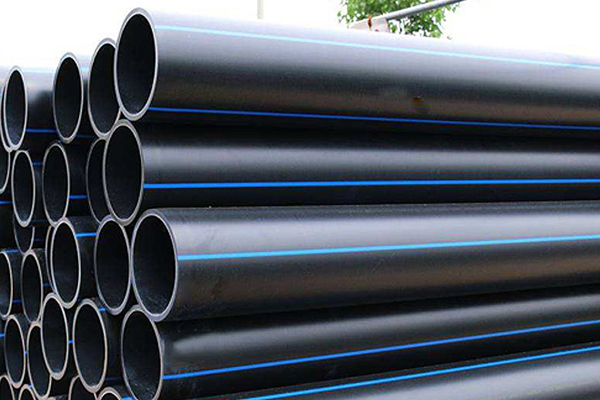
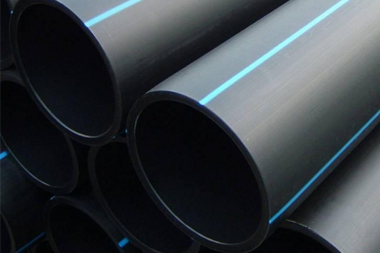
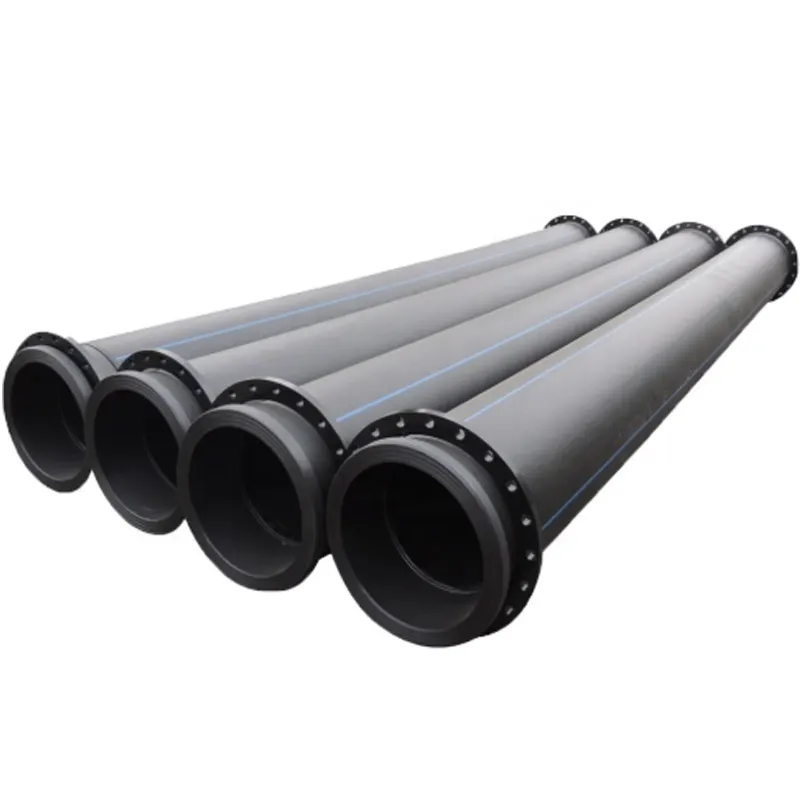
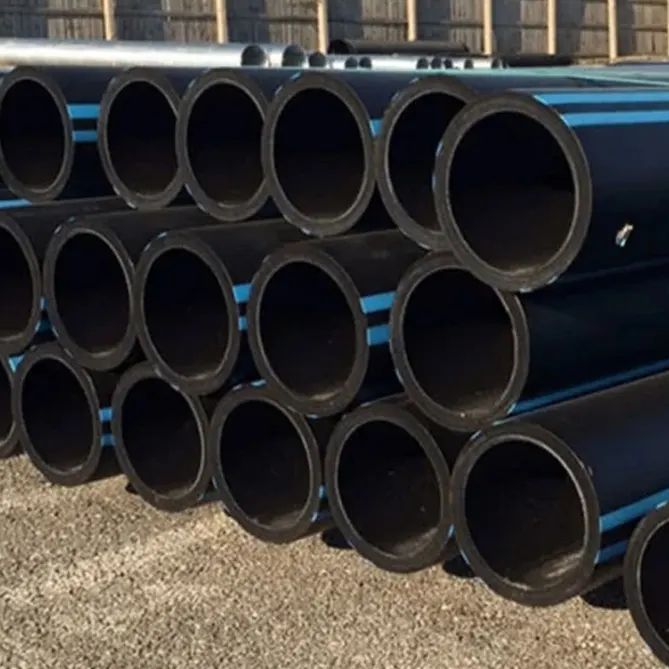
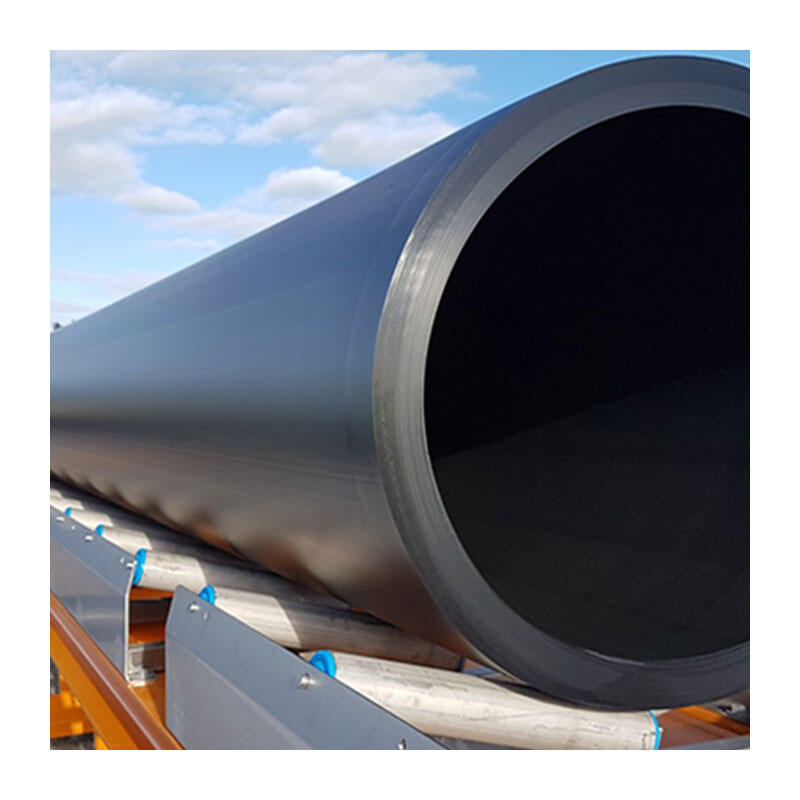
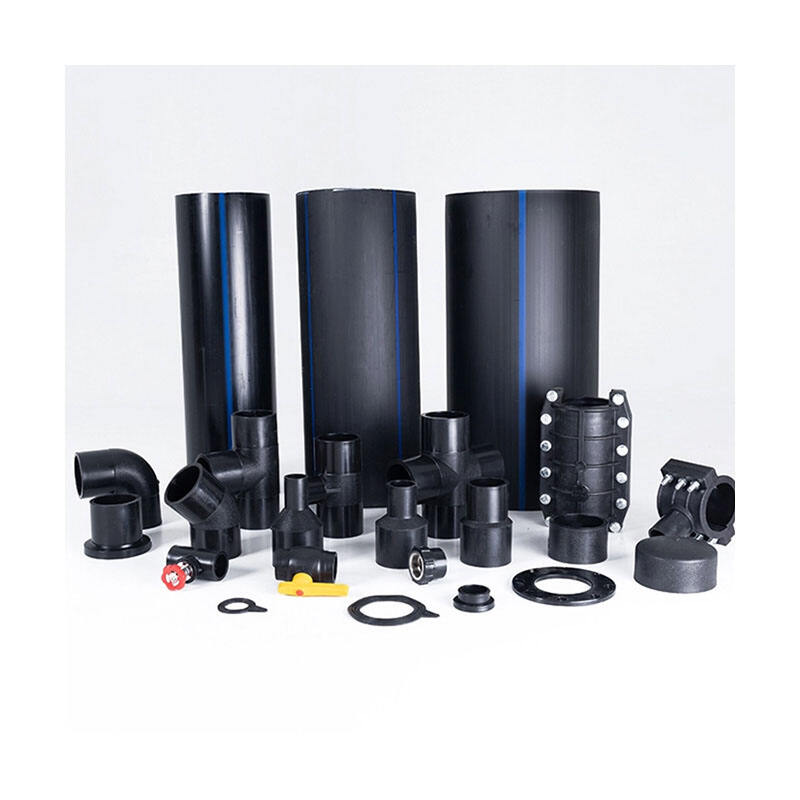
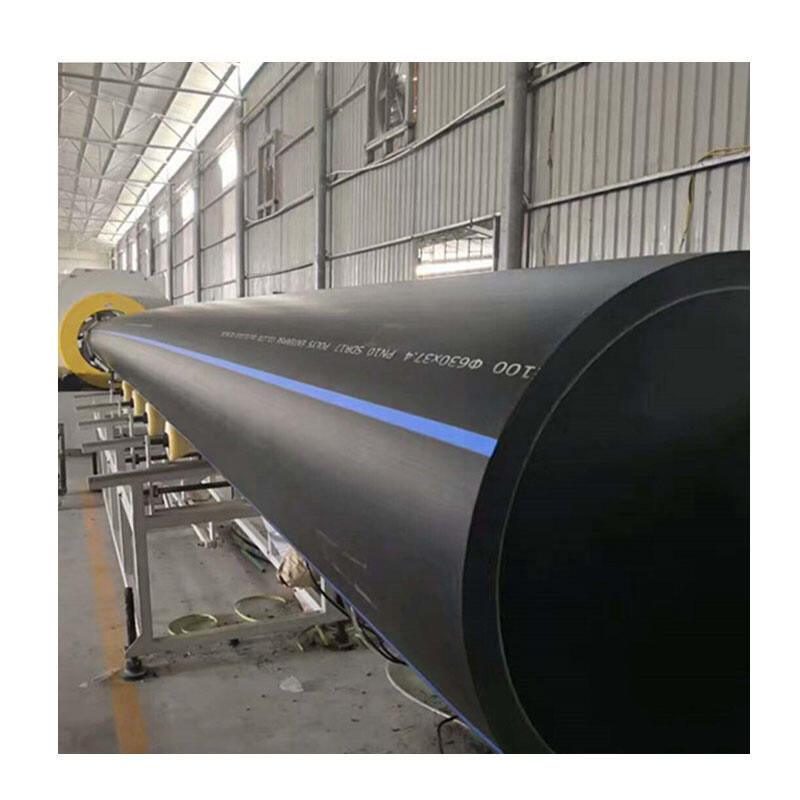
Polyethylene pipe applications have revolutionized modern infrastructure systems through their exceptional versatility and performance characteristics. These thermoplastic piping solutions serve critical roles in water distribution, gas transmission, telecommunications, and industrial processes across residential, commercial, and municipal sectors. The primary function of polyethylene pipe applications centers on fluid transport, structural protection, and long-term reliability in demanding environments. Their technological foundation relies on high-density polyethylene (HDPE) and medium-density polyethylene (MDPE) materials, which provide superior chemical resistance, flexibility, and durability compared to traditional piping materials. The manufacturing process involves advanced extrusion techniques that ensure consistent wall thickness, precise dimensional control, and optimal molecular structure for enhanced performance. Polyethylene pipe applications demonstrate remarkable adaptability in various installation methods, including directional drilling, open-cut trenching, and slip-lining rehabilitation projects. These systems excel in potable water networks, where their non-toxic properties and smooth interior surfaces maintain water quality while minimizing friction losses. In natural gas distribution, polyethylene pipe applications offer exceptional safety through their resistance to corrosion, ground movement, and seismic activity. The telecommunications industry relies heavily on these applications for fiber optic cable protection, utilizing specialized conduit designs that safeguard sensitive communication infrastructure. Industrial facilities benefit from polyethylene pipe applications in chemical processing, mining operations, and wastewater treatment systems, where aggressive substances would quickly degrade conventional materials. Agricultural irrigation systems increasingly depend on these applications for efficient water management, crop protection, and sustainable farming practices. The technological features include fusion welding capabilities that create leak-proof joints stronger than the pipe itself, thermal expansion accommodation through flexible design, and UV resistance for above-ground installations. Modern polyethylene pipe applications incorporate smart technologies such as embedded sensors for real-time monitoring and tracer wires for accurate location identification.