High-Performance PE Pipes for Industrial Use - Durable Chemical-Resistant Piping Solutions

Get a Free Quote

Our representative will contact you soon.
Email
Mobile
Name
Message
0/1000

pe pipes for industrial use

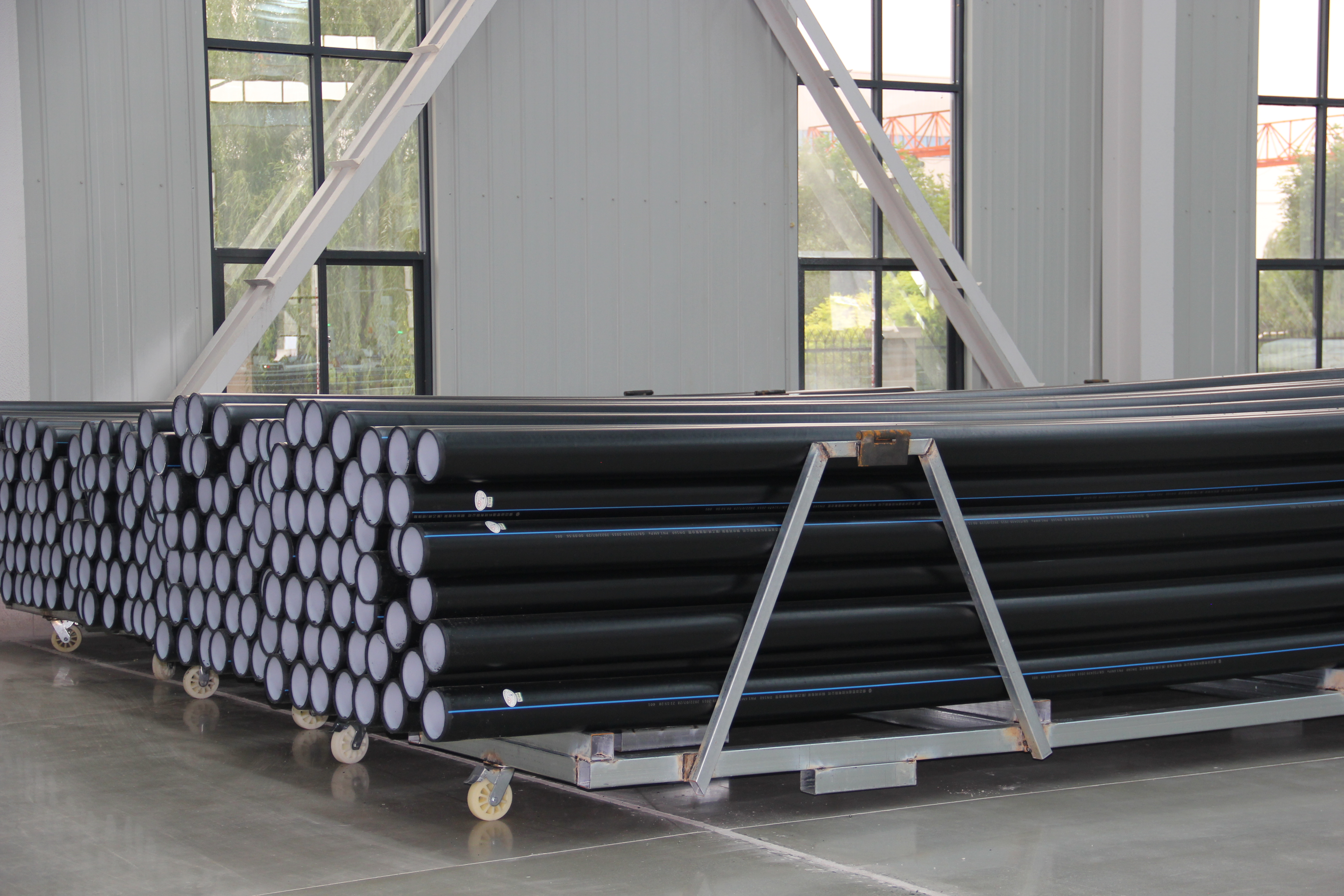
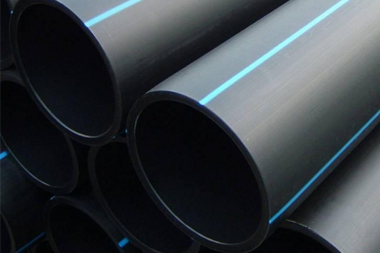
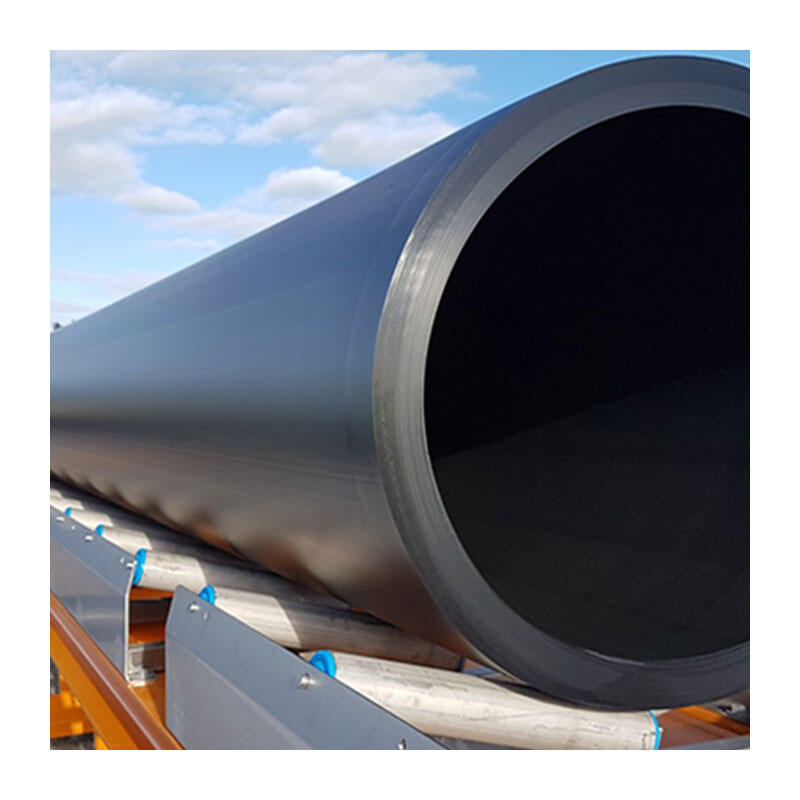
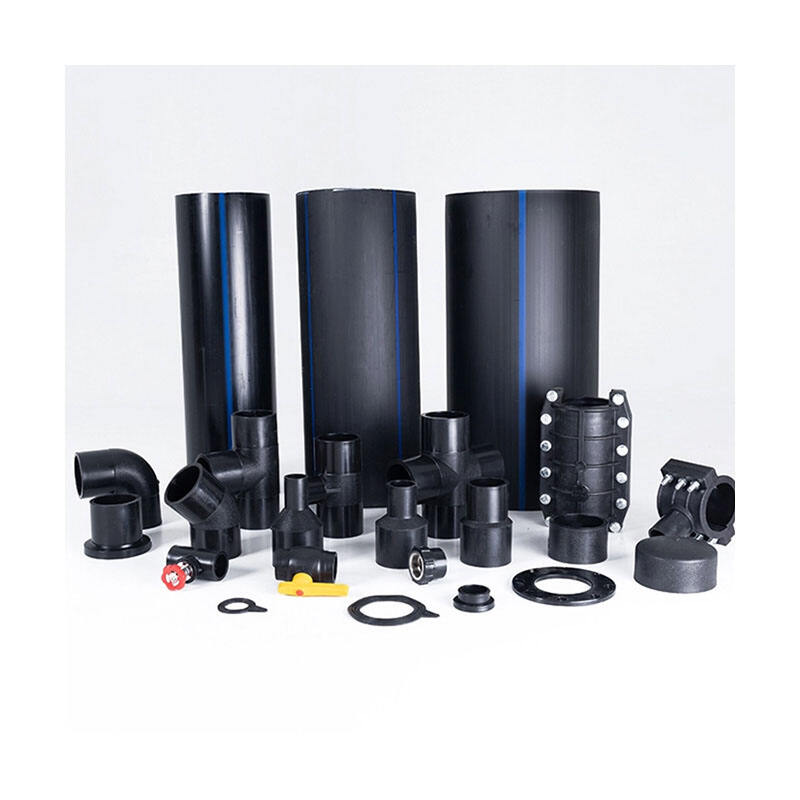
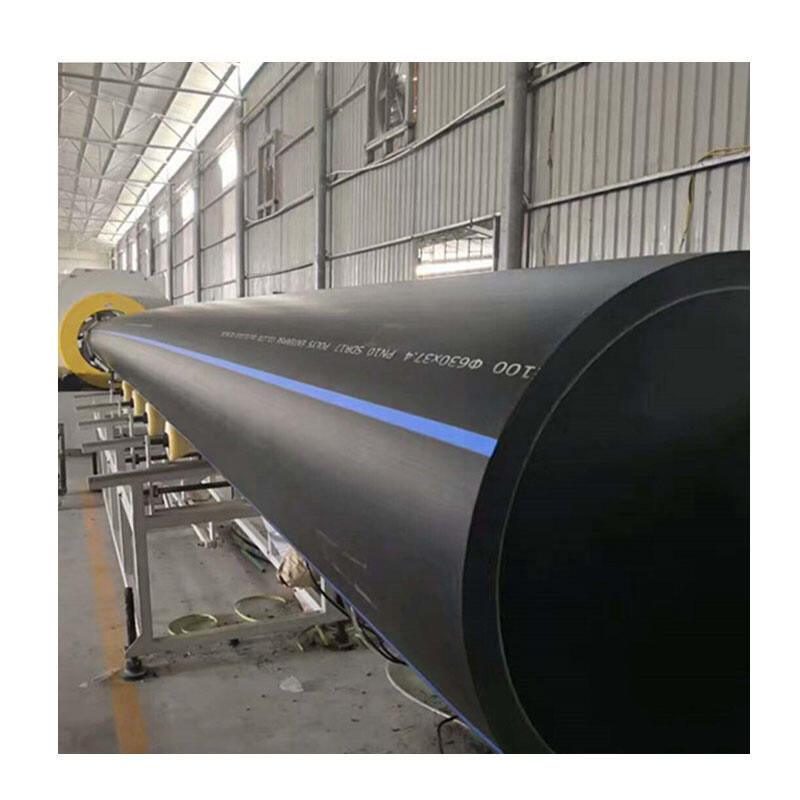
PE pipes for industrial use represent a revolutionary advancement in modern piping systems, offering unparalleled performance across diverse industrial sectors. These high-density polyethylene pipes serve as the backbone for countless industrial operations, delivering exceptional reliability and efficiency. PE pipes for industrial use excel in transporting various fluids, gases, and chemicals while maintaining structural integrity under demanding conditions. The primary functions of these pipes include fluid conveyance, chemical transportation, waste management, and infrastructure development within manufacturing facilities, processing plants, and heavy industrial environments. The technological features of PE pipes for industrial use encompass superior molecular structure, advanced extrusion manufacturing processes, and innovative joining techniques that ensure seamless installation and long-term performance. These pipes utilize cutting-edge polymer technology that creates a smooth internal surface, reducing friction losses and optimizing flow characteristics. The heat fusion welding capability allows for permanent, leak-proof joints that eliminate traditional connection vulnerabilities. PE pipes for industrial use demonstrate remarkable versatility across applications including water supply systems, chemical processing lines, mining operations, oil and gas distribution, sewage treatment facilities, and agricultural irrigation networks. Their lightweight construction facilitates easier handling and installation compared to traditional materials, while their flexibility enables navigation around obstacles and accommodation of ground movement. The corrosion-resistant properties make PE pipes for industrial use ideal for harsh chemical environments where metal alternatives would deteriorate rapidly. These pipes maintain consistent performance across temperature ranges from sub-zero conditions to elevated operating temperatures, making them suitable for diverse industrial climates and applications requiring thermal stability.


New Products

PE pipes for industrial use deliver exceptional value through multiple practical benefits that directly impact operational efficiency and cost-effectiveness. The corrosion resistance stands as a primary advantage, eliminating the rust, scale buildup, and chemical degradation that plague traditional metal piping systems. This resistance translates to longer service life, reduced maintenance requirements, and consistent flow performance throughout the pipe's operational lifespan. PE pipes for industrial use offer significant cost savings through their lightweight design, which reduces transportation expenses and simplifies installation procedures. Workers can handle larger diameter pipes with basic equipment, eliminating the need for heavy machinery and reducing labor costs substantially. The flexibility of PE pipes for industrial use allows for creative routing solutions, reducing the number of fittings required and minimizing potential leak points. This flexibility also accommodates thermal expansion and ground settlement without compromising system integrity. The smooth interior surface of PE pipes for industrial use provides superior flow characteristics compared to rougher materials, reducing energy consumption for pumping systems and maintaining optimal pressure throughout the distribution network. The chemical inertness ensures that PE pipes for industrial use will not contaminate transported fluids or react with aggressive chemicals, maintaining product purity and system safety. Installation speed represents another crucial advantage, as heat fusion joining creates permanent bonds without requiring specialized tools or extensive curing time. The joints formed are actually stronger than the pipe material itself, ensuring reliability under high-pressure conditions. PE pipes for industrial use demonstrate excellent impact resistance, withstanding mechanical stress that would damage brittle alternatives. The material's ability to absorb shock loads protects the entire system from pressure surges and external impacts. Environmental benefits include the recyclability of PE pipes for industrial use at the end of their service life, supporting sustainable industrial practices. The leak-tight performance prevents environmental contamination and reduces resource waste, while the extended service life minimizes replacement frequency and associated environmental impact.

Latest News

Advanced Features and Maintenance Strategies for PE Steel Wire Mesh Skeleton Pipes

14

Sep

Advanced Features and Maintenance Strategies for PE Steel Wire Mesh Skeleton Pipes

View More
HDPE Pipe: Key Material for Modern Pipe Systems

18

Sep

HDPE Pipe: Key Material for Modern Pipe Systems

View More
HDPE Pipe: a solid foundation for shaping future pipe systems

18

Sep

HDPE Pipe: a solid foundation for shaping future pipe systems

View More
Maximizing Efficiency with Dredging Pipelines: A Comprehensive Guide

24

Jun

Maximizing Efficiency with Dredging Pipelines: A Comprehensive Guide

Explore the role of booster pumps in optimizing dredging pipeline efficiency, enhancing slurry velocity, and reducing operational costs. Understand strategic placement, calculate critical velocities, and delve into advanced technologies for modern dredging operations using HDPE solutions.
View More

Get a Free Quote

Our representative will contact you soon.
Email
Mobile
Name
Message
0/1000

pe pipes for industrial use

Exceptional Chemical Resistance and Durability

Exceptional Chemical Resistance and Durability

PE pipes for industrial use showcase outstanding chemical resistance that sets them apart from conventional piping materials in demanding industrial environments. This remarkable property stems from the inherent molecular structure of polyethylene, which remains inert when exposed to a wide range of aggressive chemicals, acids, bases, and solvents commonly found in industrial processes. Unlike metal pipes that suffer from corrosion, pitting, and eventual failure when exposed to harsh chemicals, PE pipes for industrial use maintain their structural integrity and performance characteristics throughout extended exposure periods. This chemical resistance eliminates the need for expensive protective coatings, cathodic protection systems, or frequent replacement cycles associated with traditional materials. The durability of PE pipes for industrial use extends beyond chemical resistance to encompass exceptional mechanical properties that ensure long-term reliability. These pipes resist cracking, splitting, and brittle failure even under extreme temperature fluctuations and mechanical stress. The material's flexibility allows it to absorb impact forces and accommodate ground movement without compromising system integrity. This durability translates to reduced maintenance costs, minimized downtime, and enhanced operational reliability for industrial facilities. PE pipes for industrial use demonstrate superior resistance to abrasion, making them ideal for applications involving suspended solids or high-velocity flow conditions that would rapidly degrade softer materials. The smooth interior surface resists scaling and buildup, maintaining optimal flow characteristics throughout the pipe's service life. This combination of chemical resistance and mechanical durability makes PE pipes for industrial use the preferred choice for critical applications where system failure could result in significant operational disruptions, environmental concerns, or safety hazards. The extended service life of these pipes, often exceeding 50 years in industrial applications, provides exceptional return on investment and reduces the total cost of ownership significantly compared to alternative materials.
Superior Installation Efficiency and Versatility

Superior Installation Efficiency and Versatility

PE pipes for industrial use revolutionize installation processes through innovative joining techniques and design flexibility that dramatically reduce project timelines and installation costs. The heat fusion welding method creates molecular bonds between pipe sections that are stronger than the original material, eliminating the weak points typically associated with mechanical joints or threaded connections. This joining technique requires minimal specialized equipment and can be performed in various weather conditions, making it ideal for industrial projects with tight schedules or challenging environmental constraints. The lightweight nature of PE pipes for industrial use enables smaller crews to handle larger diameter pipes safely, reducing labor requirements and installation time significantly. Workers can maneuver these pipes through confined spaces, around existing equipment, and through complex routing paths that would be impossible with heavier alternatives. This versatility extends to the pipe's ability to be installed using various methods including open-cut trenching, horizontal directional drilling, pipe bursting, and slip-lining techniques. PE pipes for industrial use accommodate complex industrial layouts through their flexibility, allowing for gentle curves and direction changes without requiring numerous fittings or joints. This reduces the total number of connection points in the system, minimizing potential leak sources and simplifying maintenance procedures. The coil availability of smaller diameter PE pipes for industrial use enables continuous runs over long distances without joints, further enhancing system reliability and reducing installation time. The material's resistance to freeze damage eliminates the need for expensive freeze protection measures in cold climates, simplifying system design and reducing installation costs. Pre-fabrication capabilities allow sections of PE pipes for industrial use to be assembled off-site in controlled conditions, then transported and installed as complete assemblies, reducing on-site work time and improving quality control. The compatibility with various connection methods, including mechanical fittings for temporary connections or maintenance access points, provides engineers with maximum design flexibility while maintaining system integrity.
Outstanding Flow Performance and Energy Efficiency

Outstanding Flow Performance and Energy Efficiency

PE pipes for industrial use deliver superior hydraulic performance through their exceptionally smooth interior surface and optimal flow characteristics that directly translate to energy savings and operational efficiency. The molecular structure of polyethylene creates an interior surface that remains smooth throughout the pipe's service life, unlike materials that develop roughness due to corrosion, scaling, or wear over time. This consistent smoothness maintains the Hazen-Williams C-factor at optimal levels, ensuring that flow calculations remain accurate and pressure losses stay minimal throughout the system's operational life. The excellent flow performance of PE pipes for industrial use reduces pumping energy requirements substantially, as less pressure is needed to overcome friction losses compared to rougher materials. This energy efficiency becomes particularly significant in large-scale industrial applications where pumping costs represent a major operational expense. The smooth interior also prevents the accumulation of deposits, biofilm growth, or sediment buildup that could restrict flow or contaminate transported fluids. PE pipes for industrial use maintain their full internal diameter throughout their service life, ensuring consistent capacity and preventing the gradual flow reduction experienced with materials prone to internal scaling or corrosion. The excellent surge pressure resistance of these pipes allows systems to operate at higher pressures without risk of failure, providing greater operational flexibility and system capacity. The low thermal conductivity of PE pipes for industrial use helps maintain fluid temperatures during transport, reducing energy losses in heated or cooled fluid systems. This thermal efficiency is particularly valuable in industrial processes where temperature control affects product quality or process efficiency. The material's ability to handle both steady-state and transient flow conditions makes PE pipes for industrial use ideal for applications with varying demand patterns or operational cycles. The consistent flow performance eliminates the need for oversized pumps or excessive pressure margins, allowing for more efficient system design and reduced capital costs. These hydraulic advantages, combined with the long-term reliability and low maintenance requirements, make PE pipes for industrial use an excellent investment for organizations focused on operational efficiency and sustainable industrial practices.
Inquiry High-Performance PE Pipes for Industrial Use - Durable Chemical-Resistant Piping Solutions Inquiry High-Performance PE Pipes for Industrial Use - Durable Chemical-Resistant Piping Solutions High-Performance PE Pipes for Industrial Use - Durable Chemical-Resistant Piping Solutions High-Performance PE Pipes for Industrial Use - Durable Chemical-Resistant Piping Solutions
Write down your question

We are not only a product manufacturer, but also a solution provider. Whether you have questions or quotation requests, we will help you.

Get a Quote

Contact Us

Your email address will not be published. Required fields are marked *
Email
Name
Mobile
Message
0/1000