Outstanding Chemical Resistance and Safety Features
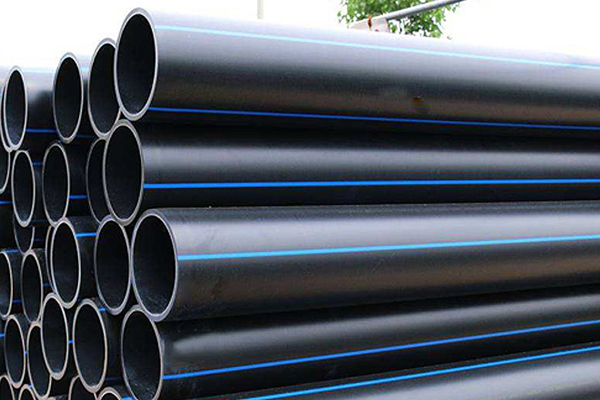
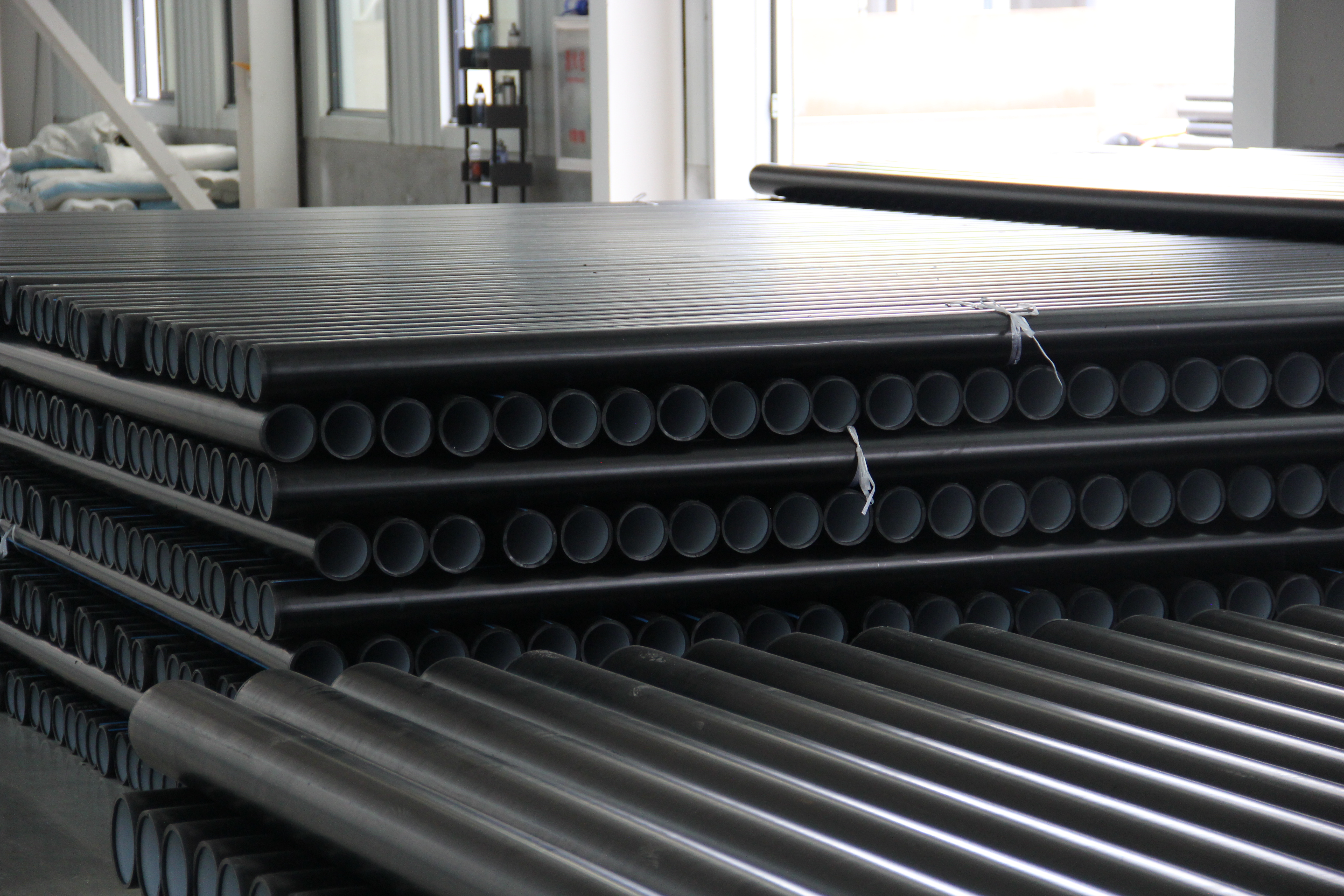
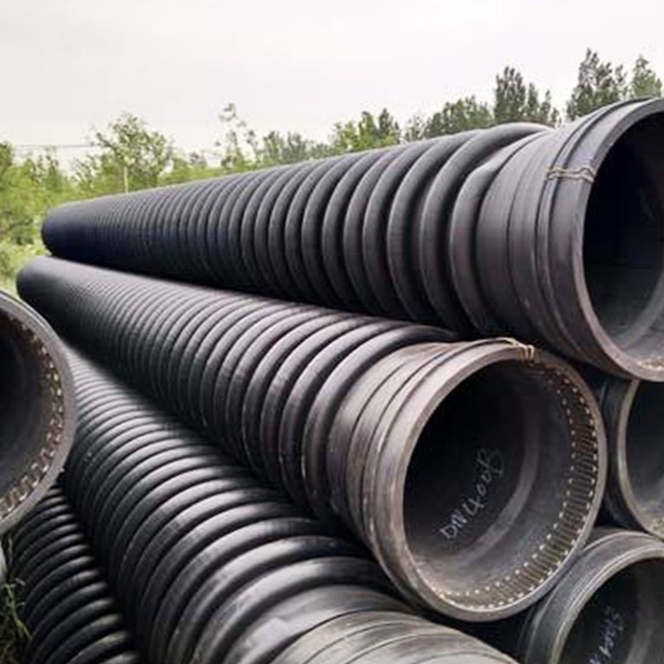
The remarkable chemical resistance of poly pipe provides superior protection against corrosive substances, aggressive soil conditions, and industrial chemicals that would rapidly degrade alternative piping materials, ensuring safe and reliable service in demanding applications. Polyethylene's inert chemical structure resists attack from acids, bases, salts, and organic compounds commonly encountered in water treatment, industrial processing, and underground installations, eliminating concerns about material degradation that could compromise system integrity or create safety hazards. Unlike metal pipes that can leach harmful substances into transported fluids, poly pipe maintains water quality and prevents contamination through its non-reactive surface properties, making it ideal for potable water systems and sensitive applications where purity is critical. The material's resistance to hydrogen sulfide, chlorine, and other aggressive chemicals found in wastewater and industrial applications prevents premature failure and maintains structural integrity throughout the system's operational lifetime. Electrostatic properties of polyethylene prevent the buildup of electrical charges that could create safety hazards in flammable environments, while its non-conductive nature eliminates galvanic corrosion issues that plague mixed-material installations. The smooth interior surface prevents bacterial growth and biofilm formation that can compromise water quality and create health risks in distribution systems, supporting compliance with drinking water regulations and safety standards. Fire resistance characteristics meet safety codes for various applications, while the material's behavior during thermal exposure is predictable and manageable through proper system design and installation practices. Environmental safety benefits include the absence of toxic additives, heavy metals, or harmful substances that could migrate into soil or groundwater during service or after disposal, supporting environmental protection goals and regulatory compliance. Testing protocols verify chemical compatibility with specific substances and applications, providing engineers with reliable data for material selection and system design decisions that prioritize safety and performance in critical infrastructure projects.