Superior Chemical Resistance and Longevity
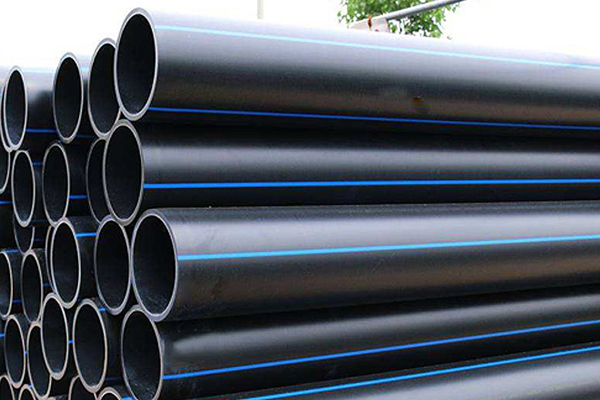
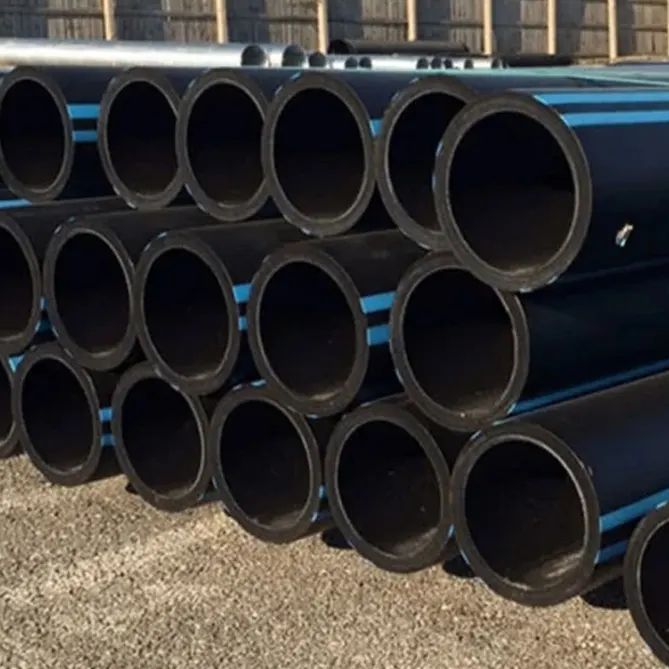
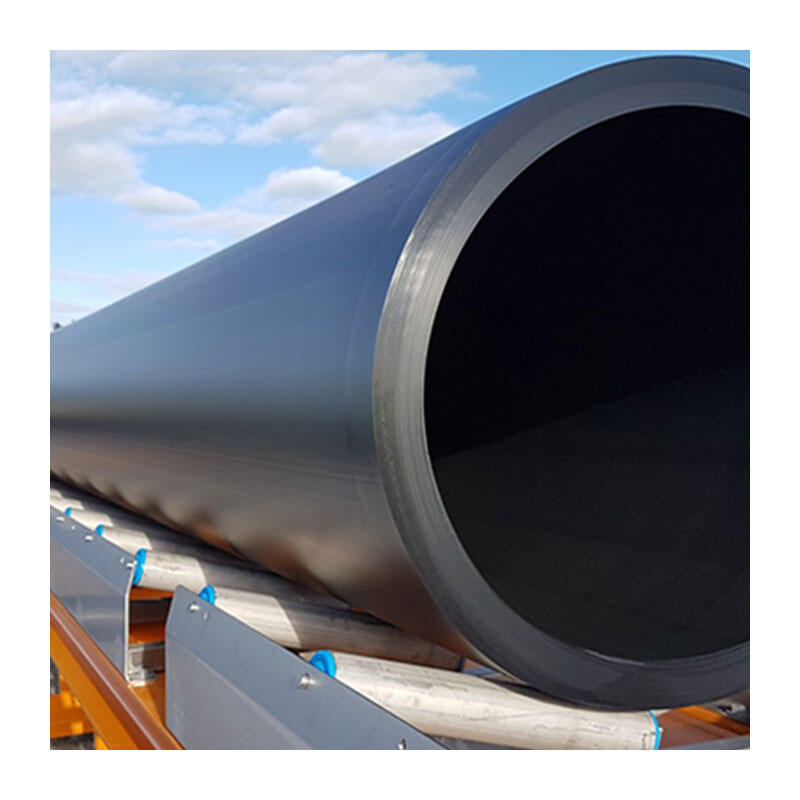
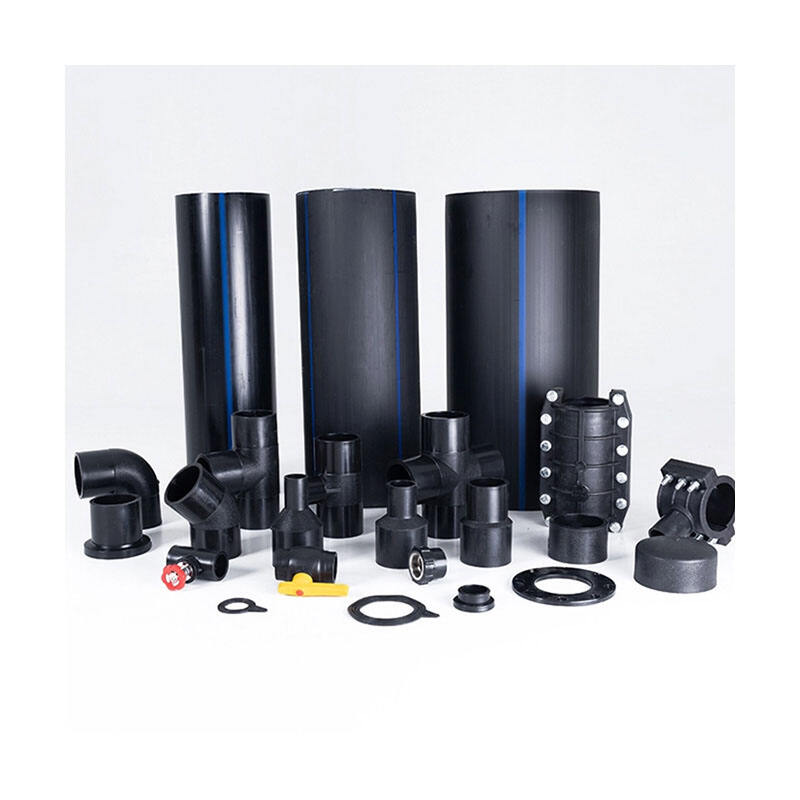
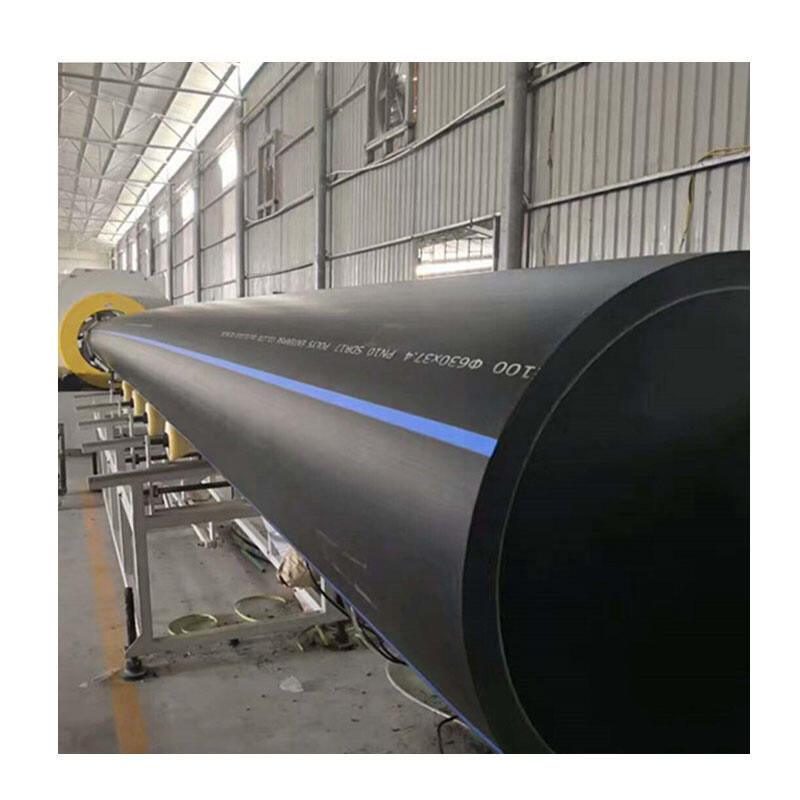
The pe hose pipe demonstrates exceptional chemical resistance properties that set it apart from conventional piping materials, providing unmatched protection against a wide range of corrosive substances and environmental conditions. The molecular structure of polyethylene creates an inherently stable material that resists degradation from acids, bases, salts, and most organic compounds commonly found in industrial and residential applications. This remarkable chemical inertness means that pe hose pipe systems maintain their structural integrity and performance characteristics even when exposed to aggressive chemicals that would quickly destroy metal pipes or other plastic alternatives. The long-term durability of pe hose pipe stems from its resistance to stress cracking, a common failure mode that affects many other plastic piping materials under continuous pressure and chemical exposure. Advanced polymer formulations used in modern pe hose pipe manufacturing incorporate stabilizing additives that prevent oxidation and UV degradation, ensuring consistent performance over decades of service. The resistance to biological attack makes pe hose pipe ideal for applications where bacterial growth or biofilm formation could compromise system performance or water quality. Unlike metal pipes that suffer from galvanic corrosion, electrolysis, and pitting, pe hose pipe remains unaffected by electrical currents and stray voltage that commonly occur in underground installations. The thermal expansion characteristics of pe hose pipe allow the material to accommodate temperature variations without developing stress fractures or joint failures that plague rigid piping systems. Field experience demonstrates that properly installed pe hose pipe systems routinely exceed their design life expectations, with many installations performing flawlessly after 30 or more years of continuous service. The chemical compatibility of pe hose pipe extends to applications involving potable water, industrial process fluids, agricultural chemicals, and waste streams, making it a versatile solution for diverse project requirements. This comprehensive chemical resistance translates directly into reduced maintenance costs, fewer emergency repairs, and extended system reliability that provides significant value for property owners and facility managers.